

LifeLock vs Identity Guard is one of the most common comparisons people make when searching for reliable identity theft protection. Both services offer monitoring tools, fraud alerts, and recovery assistance designed to help protect your personal information from cyber-criminals. If you’re still exploring the top identity protection services available today, you may also want to review our complete guide to the Best Identity Theft Protection Services for 2026. However, they take different approaches to digital security—one focuses on all-in-one cyber-security protection, while the other emphasizes advanced identity monitoring technology.
In this guide, we’ll break down the key differences between LifeLock vs Identity Guard, including their monitoring features, pricing, insurance coverage, and overall value. By the end, you’ll have a clear understanding of which identity protection service is the better choice for your security needs in 2026.
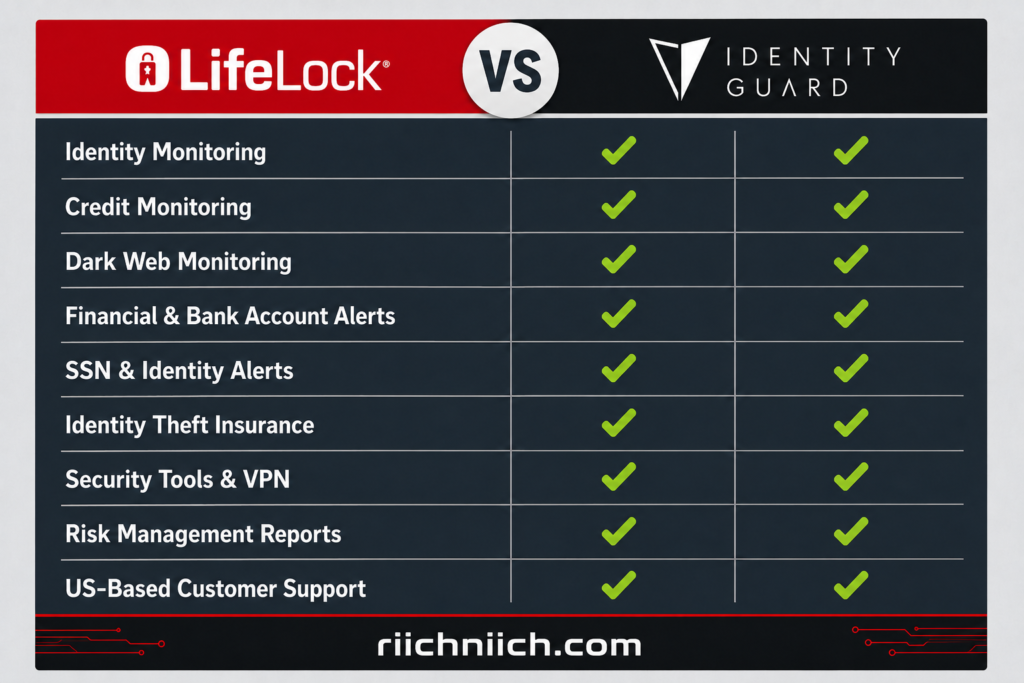
Table of Contents
LifeLock vs Identity Guard: Quick Comparison
When comparing LifeLock vs Identity Guard, both services aim to protect your personal information from identity theft, fraud, and data breaches. However, the way they approach identity protection is slightly different. Understanding these differences can help you decide which service better fits your security needs.
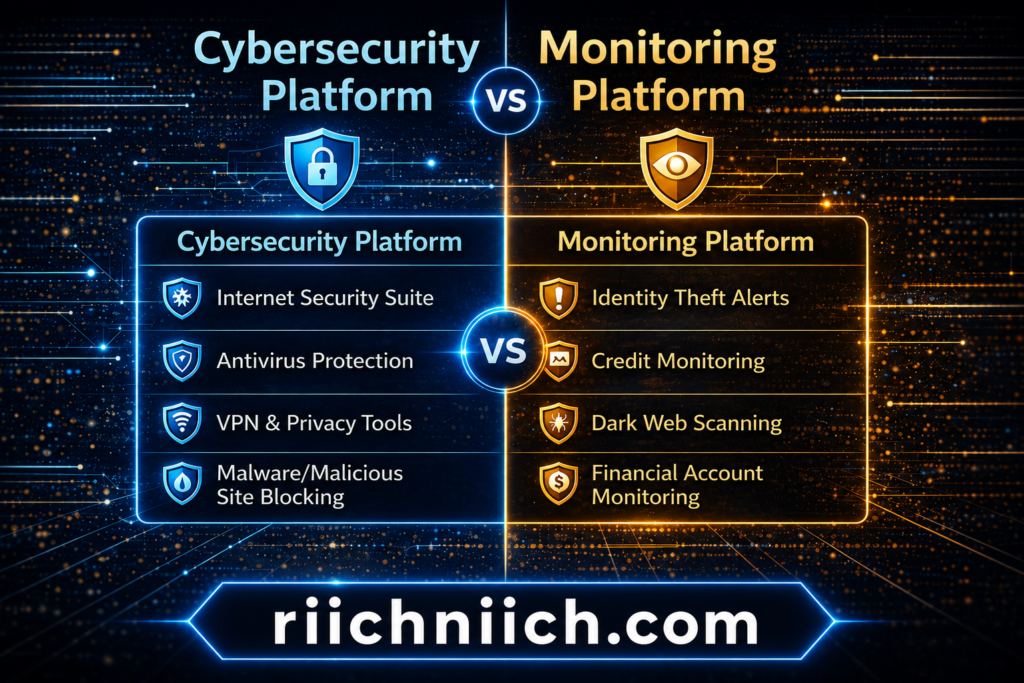
LifeLock, which is owned by NortonLifeLock, combines identity theft monitoring with device cyber-security tools such as Norton antivirus protection. This makes it appealing to users who want both identity protection and device security in one subscription.
On the other hand, Identity Guard focuses heavily on data monitoring and AI-powered threat detection. Its system uses technology powered by IBM’s Watson artificial intelligence to analyze large datasets and detect potential identity risks earlier.
Both services offer essential identity protection features such as:
- Credit monitoring
- Dark web monitoring
- Social Security number alerts
- Identity theft insurance
- Fraud alerts and account monitoring
- Identity recovery assistance
However, the difference between LifeLock vs Identity Guard often comes down to device security vs AI-driven monitoring.
LifeLock typically appeals to users who want a broader cyber-security package, while Identity Guard may attract those who prefer advanced identity monitoring technology and lower entry-level pricing.
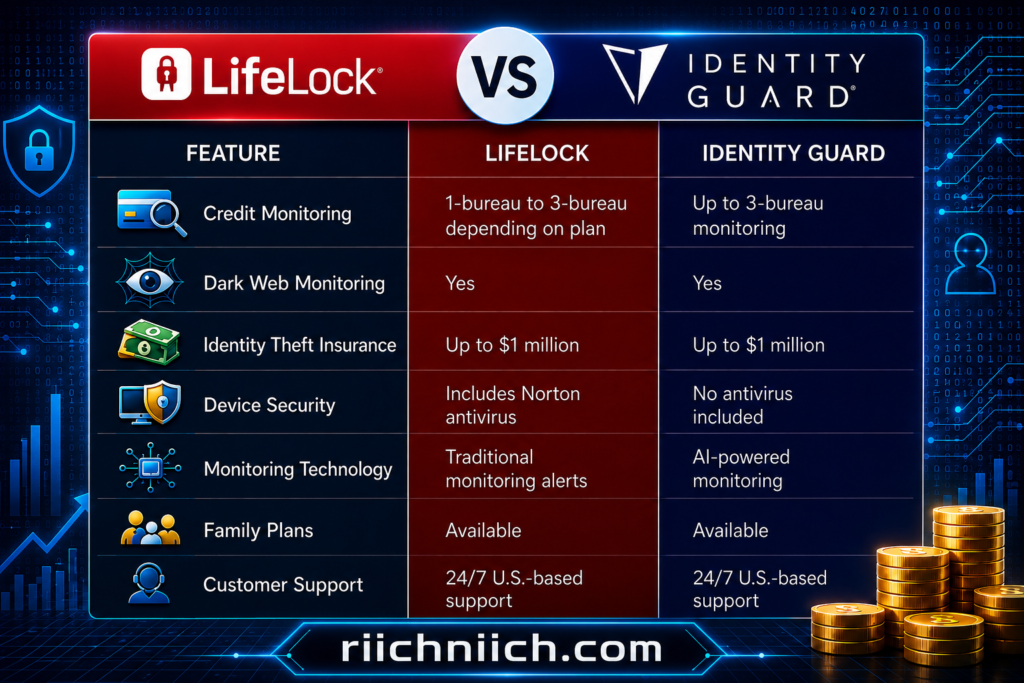
Both services provide strong identity protection coverage, but they prioritize different areas of security.
For example, LifeLock integrates with Norton cyber-security tools, which can help protect devices from malware and phishing attacks. Meanwhile, Identity Guard’s AI monitoring focuses on detecting suspicious patterns in financial activity and personal data exposure.
If you want to explore how identity protection services work in general, the Federal Trade Commission provides guidance on identity theft prevention and recovery steps: https://www.identitytheft.gov/
You can also learn more about how credit monitoring works from the Consumer Financial Protection Bureau:
https://www.consumerfinance.gov/consumer-tools/credit-reports-and-scores/
Ultimately, the LifeLock vs Identity Guard decision often depends on whether you want all-in-one cyber-security protection or advanced AI-based identity monitoring. In the following sections, we will examine how each service works and compare their features in more detail to help you choose the best option.
How LifeLock Identity Theft Protection Works
When comparing LifeLock vs Identity Guard, it’s important to understand how each service actually protects your identity. LifeLock is designed to monitor your personal information across multiple data sources and alert you if suspicious activity appears that could indicate identity theft.
LifeLock works by continuously scanning financial systems, public records, and online sources to detect signs that your identity may be misused. If a potential threat is detected, the service sends an alert so you can take action quickly before the problem escalates. NortonLifeLock describes this process as 24/7 monitoring that helps detect suspicious activity before it causes serious damage.
For people researching LifeLock vs Identity Guard, the biggest advantage of LifeLock is that it combines identity monitoring with cyber-security tools, creating an all-in-one digital protection platform.
1. Identity Monitoring and Fraud Alerts
LifeLock monitors a wide range of identity indicators such as:
- Social Security numbers
- Credit activity
- Address changes
- Public records
- Financial accounts
- Data breaches
If suspicious activity appears—such as a new credit inquiry or account opened in your name—you receive an alert through the mobile app, email, or text message. These alerts allow users to respond quickly and prevent further fraud.
Monitoring systems like these are common across identity protection services because they track changes in your credit report and other financial activity that may signal identity theft.
2. Dark Web Monitoring
One of the most important security features in the LifeLock vs Identity Guard comparison is dark web monitoring.
The dark web is a hidden section of the internet where stolen personal information—such as passwords, Social Security numbers, and credit card details—is often bought and sold by cyber-criminals.
LifeLock scans dark web marketplaces and databases to detect if your personal information appears in a data leak. If your data is discovered, you receive an alert so you can secure your accounts immediately.
This early warning system helps reduce the risk that criminals will use your data to open fraudulent accounts.
3. Credit Monitoring and Identity Lock
Another major component of how LifeLock works is credit monitoring.
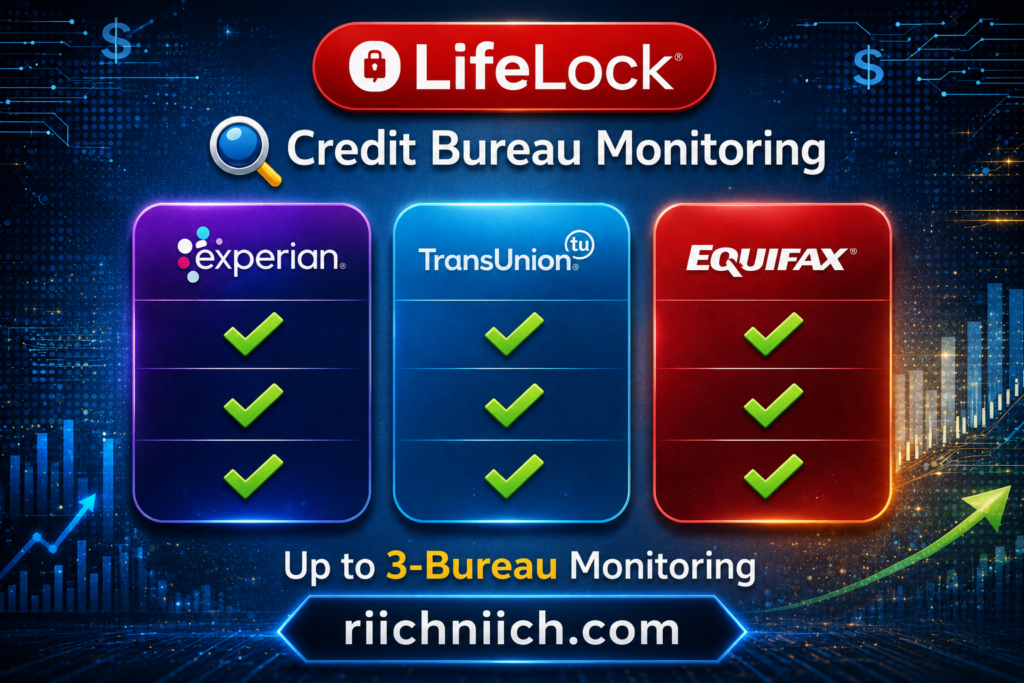
LifeLock monitors activity on your credit files with the major credit bureaus and alerts you to suspicious changes, such as:
- New credit applications
- Credit inquiries
- Changes to account balances
- New loans or credit cards opened in your name
Some plans also include Identity Lock, a feature that allows you to lock your credit file with a single click to help prevent unauthorized accounts from being opened.
Credit monitoring is one of the most effective tools for detecting identity theft because many fraud attempts involve opening new credit accounts.
4. Identity Theft Recovery Support
Even with strong monitoring tools, identity theft can still occur. That’s why LifeLock provides identity restoration support.
If fraud happens, LifeLock assigns a U.S.-based identity restoration specialist who helps guide victims through the recovery process. This can include:
- Contacting banks and creditors
- Filing fraud reports
- Disputing fraudulent charges
- Restoring damaged credit
Many LifeLock plans also include identity theft insurance coverage to help reimburse certain expenses related to identity theft recovery.
According to identity protection reviews, this combination of monitoring, alerts, and recovery support is what makes services like LifeLock valuable for consumers facing identity fraud risks.
5. Device Security Through Norton Cyber-security Tools
One of the biggest differences in the LifeLock vs Identity Guard comparison is device security.
Many LifeLock plans integrate with Norton cyber-security tools, which may include:
- Antivirus protection
- Malware detection
- Secure VPN
- Password manager
- Secure cloud backup
This integration helps protect not only your identity but also the devices where your personal information is stored.
👉 If you’re specifically considering Aura as another option, our full Aura vs LifeLock comparison explains how these two popular services compare in monitoring features, pricing, and identity protection tools.
Security reviewers note that this combination of identity monitoring and device protection is one reason LifeLock remains one of the most recognized identity protection services available.
Why This Matters in the LifeLock vs Identity Guard Decision
Understanding how LifeLock works helps clarify the LifeLock vs Identity Guard decision.
LifeLock focuses on broad digital security, combining identity monitoring with device protection and recovery support. This makes it attractive for people who want a single platform to protect their credit, personal data, and devices.
Identity Guard, on the other hand, focuses more heavily on AI-driven identity monitoring, which we’ll explore in the next section.
How Identity Guard Protects Your Identity
When researching LifeLock vs Identity Guard, one of the biggest differences is how Identity Guard approaches identity monitoring. Instead of focusing on device security tools, Identity Guard concentrates on advanced data monitoring and fraud detection designed to identify identity threats early.
Identity Guard uses artificial intelligence technology powered by IBM’s Watson platform to analyze large amounts of personal data and detect patterns that may indicate identity fraud. This system evaluates billions of data points across financial networks, public records, and online databases to identify suspicious activity.
If you’re evaluating how Identity Guard compares with another leading provider, our Aura vs Identity Guard comparison breaks down the key differences in monitoring technology, pricing, and protection features.
Because of this AI-driven approach, Identity Guard aims to detect identity theft before criminals can open accounts or misuse your personal information.
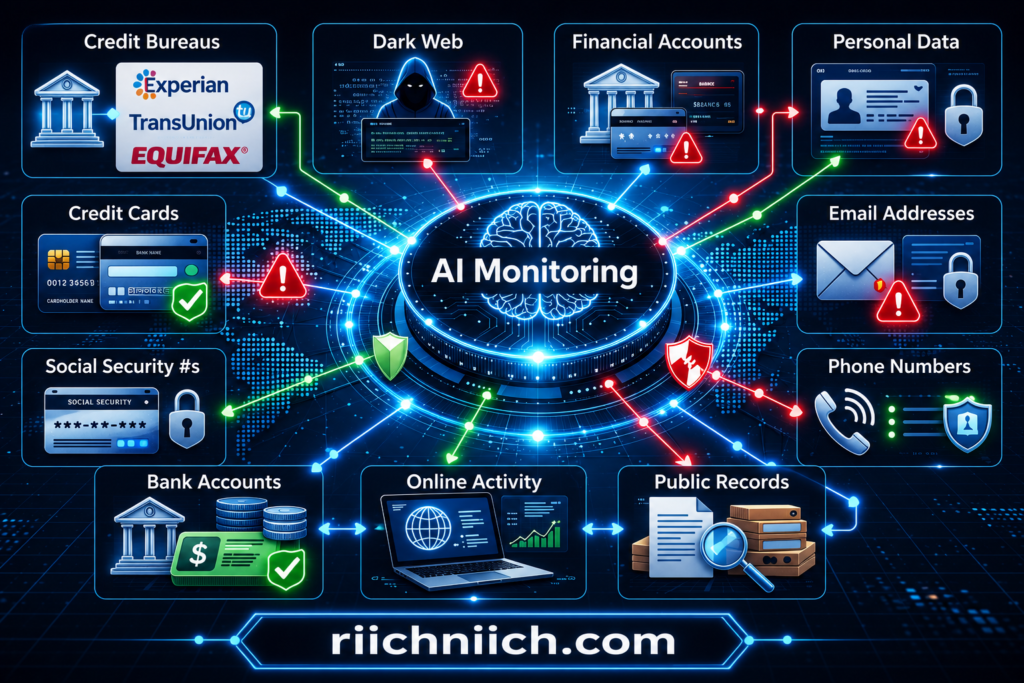
1. AI-Powered Identity Monitoring
One of the most distinctive features in the LifeLock vs Identity Guard comparison is Identity Guard’s AI monitoring system.
The platform continuously scans for risks involving your:
- Social Security number
- Email addresses
- Phone numbers
- Financial accounts
- Credit activity
- Personal data in breaches
Instead of relying only on credit bureau alerts, the AI system analyzes patterns that could indicate suspicious behavior. For example, if personal information suddenly appears in unfamiliar databases or data leaks, Identity Guard can send alerts so you can respond quickly.
According to the company’s official overview, the Watson-based system analyzes large datasets to help identify potential identity threats earlier.
2. Dark Web Monitoring
Another major component of how Identity Guard protects users is dark web monitoring.
The dark web is a hidden part of the internet where cyber-criminals often trade stolen data such as:
- Social Security numbers
- passwords
- financial account credentials
- personal records
Identity Guard scans dark web forums and marketplaces to detect if your information has been exposed in a breach. If your personal data appears in these locations, the service sends alerts so you can secure accounts immediately.
The Federal Trade Commission explains that stolen data from breaches is frequently sold online and later used to commit identity theft. Monitoring these sources helps reduce the time criminals have to exploit stolen information.
3. Credit Monitoring and Financial Alerts
In the LifeLock vs Identity Guard comparison, both services offer credit monitoring, but Identity Guard focuses heavily on detecting financial risks.
Identity Guard monitors activity across major credit bureaus and alerts users to suspicious events such as:
- New credit inquiries
- Credit cards opened in your name
- Changes to credit accounts
- Address changes tied to credit files
These alerts allow users to respond quickly if fraud is suspected.
The Consumer Financial Protection Bureau recommends monitoring credit reports regularly because unauthorized credit activity is one of the most common signs of identity theft.
4. Identity Theft Recovery Support
Even with monitoring tools in place, identity theft can still happen. That’s why Identity Guard provides identity restoration assistance if fraud occurs.
If your identity is compromised, trained specialists help guide you through the recovery process. This may include:
- Contacting creditors and financial institutions
- Filing fraud reports
- Disputing fraudulent charges
- Restoring credit records
Identity Guard plans also include identity theft insurance coverage, which can reimburse certain expenses related to recovering from fraud.
According to cyber-security analysts at Security.org, restoration support is one of the most valuable services offered by identity protection providers because identity theft recovery can be complicated and time-consuming.

5. Risk Management Dashboard and Alerts
Identity Guard provides a dashboard that helps users track potential risks in one place. The dashboard displays alerts and recommendations designed to help reduce exposure to identity theft.
Users can monitor:
- Identity risk alerts
- suspicious financial activity
- personal data exposure
- security recommendations
This centralized dashboard helps people stay informed about potential threats to their personal data.
Why This Matters in the LifeLock vs Identity Guard Comparison
Understanding how Identity Guard works helps clarify the LifeLock vs Identity Guard decision.
Identity Guard focuses on AI-powered identity monitoring and fraud detection, making it appealing for people who want advanced monitoring technology that analyzes large datasets for threats.
LifeLock, by contrast, emphasizes all-in-one digital security that combines identity monitoring with device protection tools.
Both services provide strong identity protection features, but their approaches differ—one prioritizes AI-driven monitoring, while the other offers broader cyber-security protection.
In the next section, we’ll compare the key feature differences between LifeLock vs Identity Guard to help determine which service may be the better choice for your needs.
LifeLock vs Identity Guard: Monitoring and Security Features Compared
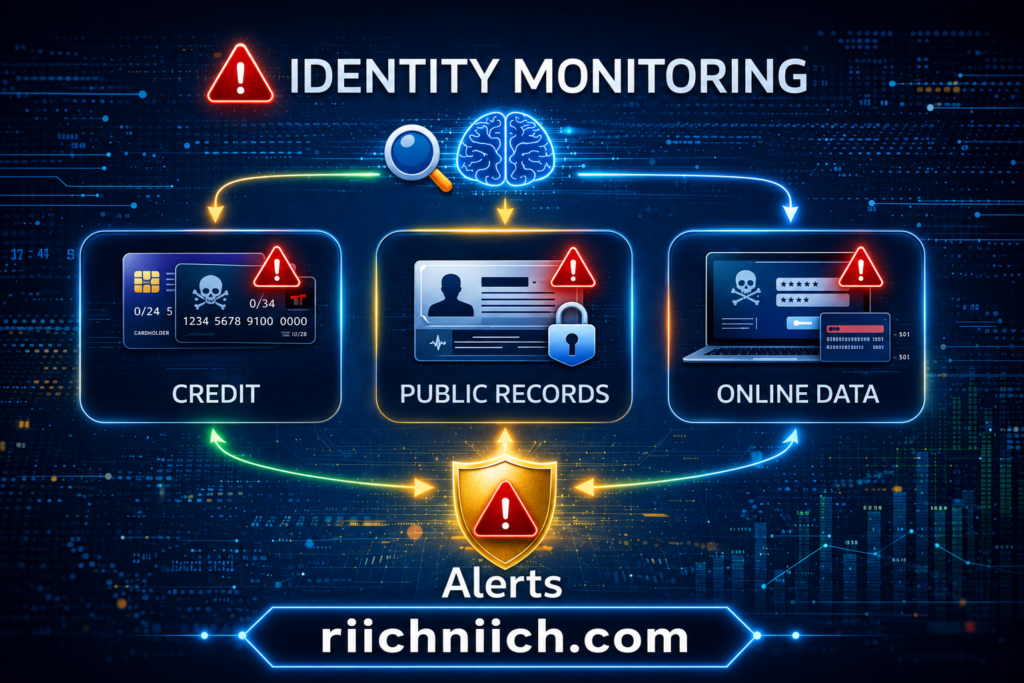
When evaluating LifeLock vs Identity Guard, the most important factor for many buyers is how well each service monitors and protects personal data. Both services provide identity theft protection by tracking key data points like credit reports, public records, and dark web activity. However, their monitoring technology and security focus differ in important ways.
In simple terms, LifeLock emphasizes broad identity monitoring combined with device security, while Identity Guard focuses more heavily on AI-powered data analysis to detect fraud risks.
Identity Monitoring Coverage
Both services monitor many types of personal data to detect identity theft. These monitoring systems scan for suspicious activity involving:
- Social Security numbers
- credit reports
- public records
- address changes
- financial accounts
- dark web databases
If suspicious activity is detected, users receive alerts through mobile apps, email, or text so they can take action quickly. Identity theft protection services are designed to act as early warning systems that help prevent fraud before it causes serious financial damage.
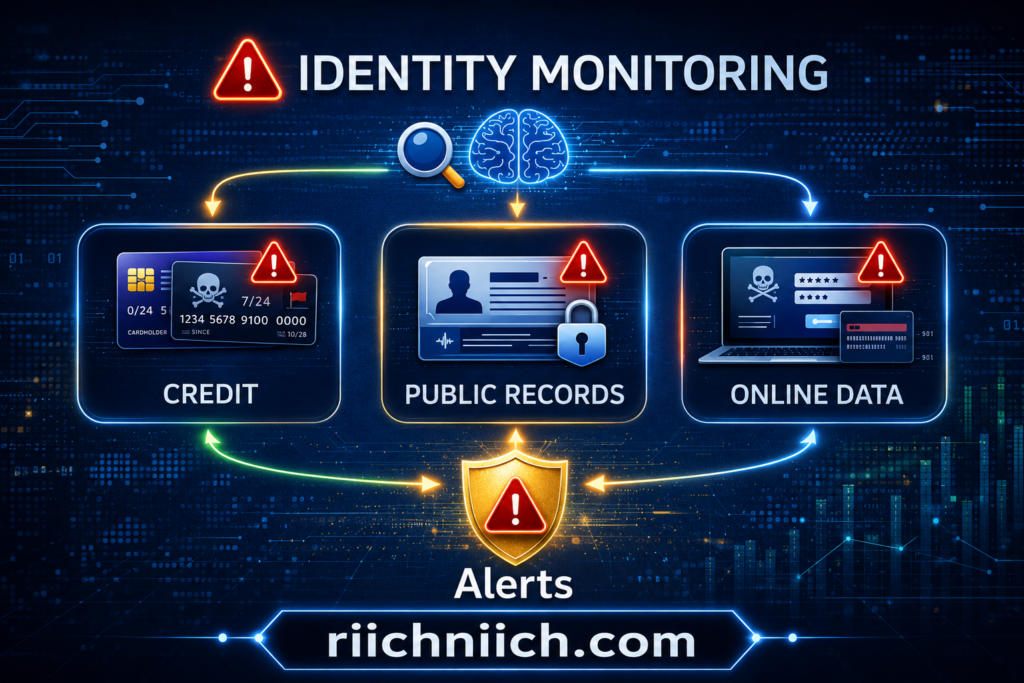
Dark Web Monitoring
Both services offer dark web monitoring, which scans underground online marketplaces where stolen personal information is often sold.
LifeLock monitors exposed data and sends alerts if your personal information appears in a breach. Many plans include scanning across multiple data sources along with real-time alert notifications.
Identity Guard also scans dark web databases and provides breach notifications when sensitive information appears online.
These alerts allow users to quickly change passwords, freeze credit, or secure financial accounts before criminals can exploit stolen information.
The Federal Trade Commission explains that stolen personal data frequently circulates on underground markets before being used in fraud schemes. Monitoring these environments helps reduce the time criminals have to misuse stolen identities.
Credit Monitoring and Financial Alerts
Credit monitoring is one of the most important security features when comparing LifeLock vs Identity Guard.
Both services track credit activity to detect signs of fraud such as:
- new credit inquiries
- loans or credit cards opened in your name
- changes to credit accounts
- suspicious financial transactions
LifeLock includes credit monitoring on multiple plans, with higher-tier subscriptions offering three-bureau monitoring across Experian, Equifax, and TransUnion.
Identity Guard also offers three-bureau monitoring on higher-tier plans and includes alerts when financial accounts show unusual activity.
The Consumer Financial Protection Bureau recommends monitoring credit reports regularly because unauthorized credit activity is one of the most common signs of identity theft.
AI vs Traditional Monitoring Technology
One of the biggest differences in the LifeLock vs Identity Guard comparison is how monitoring technology works.
Identity Guard uses artificial intelligence powered by IBM Watson to analyze massive datasets and detect suspicious patterns that may indicate identity theft. This technology allows the system to identify potential fraud risks faster by recognizing unusual behavior patterns across multiple data sources.
LifeLock relies more on traditional monitoring systems combined with cyber-security tools from Norton, including antivirus protection and digital security features that help prevent malware or phishing attacks on user devices.
In other words:
- Identity Guard → advanced AI-driven monitoring
- LifeLock → identity monitoring plus device security tools
Device Security and Cyber Protection
Another important difference in the LifeLock vs Identity Guard decision is device protection.
LifeLock integrates with Norton cyber-security tools that may include:
- antivirus protection
- malware detection
- secure VPN
- password manager
These features help protect devices where sensitive information is stored.
Identity Guard, by contrast, focuses mainly on monitoring personal data rather than protecting devices themselves.
For users who want a single platform that protects both identity information and personal devices, LifeLock may offer broader digital security coverage.
What This Means for Buyers
Understanding these monitoring differences helps clarify the LifeLock vs Identity Guard decision.
Choose LifeLock if you want:
- identity monitoring plus device security
- antivirus protection through Norton
- broader cyber-security coverage
Choose Identity Guard if you prefer:
- AI-powered fraud detection
- strong identity monitoring technology
- focused identity protection features
👉 See which Identity Guard plans fits your needs
Both services offer powerful monitoring tools designed to detect identity theft early. The better option ultimately depends on whether you prefer AI-driven monitoring or all-in-one digital security protection.
LifeLock vs Identity Guard: Credit Monitoring Differences
When comparing LifeLock vs Identity Guard, one of the most important features buyers evaluate is credit monitoring. Credit monitoring helps detect identity theft by tracking changes in your credit reports and alerting you to suspicious activity such as new accounts, credit inquiries, or unusual financial transactions.
Many identity theft cases begin with fraudulent credit activity, which is why monitoring credit files across the major credit bureaus is considered a core feature of identity protection services. The best services monitor all three credit bureaus—Experian, Equifax, and TransUnion—and send alerts when changes occur.
Understanding how LifeLock vs Identity Guard handle credit monitoring can help you determine which service offers the protection level you need.
How LifeLock Handles Credit Monitoring
LifeLock provides credit monitoring as part of its identity protection plans, although the level of monitoring depends on the subscription tier.
Lower-tier plans typically monitor activity from one credit bureau, while premium plans offer three-bureau monitoring. This means LifeLock tracks credit reports from Experian, Equifax, and TransUnion and sends alerts if suspicious changes appear.
LifeLock credit monitoring can alert users to events such as:
- New credit inquiries
- Loans or credit cards opened in your name
- Changes to credit balances
- Address updates connected to credit files
These alerts help users respond quickly to possible identity theft. LifeLock also provides tools that allow users to review their credit activity and identify potential fraud earlier.
According to LifeLock’s documentation, credit monitoring alerts help detect suspicious activity so users can address issues before they impact their credit score.
How Identity Guard Handles Credit Monitoring
Identity Guard also offers credit monitoring, but its approach emphasizes AI-assisted fraud detection combined with credit alerts.
Identity Guard monitors credit files, financial accounts, and personal data sources to identify suspicious activity that may signal identity theft.
However, similar to LifeLock, not all Identity Guard plans include full credit monitoring. Some entry-level plans focus on identity monitoring and breach alerts but do not include credit monitoring features.
Higher-tier plans provide three-bureau credit monitoring, allowing users to track activity across all major credit reporting agencies.
These plans monitor events such as:
- New credit accounts opened
- Hard credit inquiries
- Changes to credit reports
- Suspicious financial activity
Identity Guard’s system also combines credit monitoring with AI technology that analyzes data patterns to detect potential fraud risks earlier.
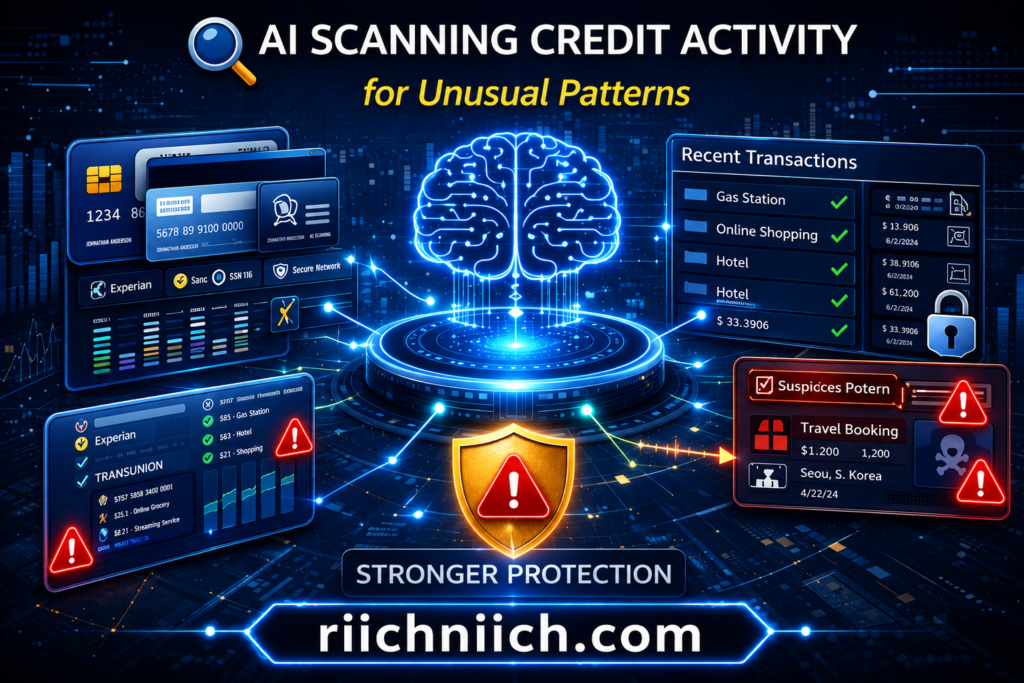
Side-by-Side Credit Monitoring Comparison
When evaluating LifeLock vs Identity Guard, the core credit monitoring features are relatively similar, especially on higher-tier plans.
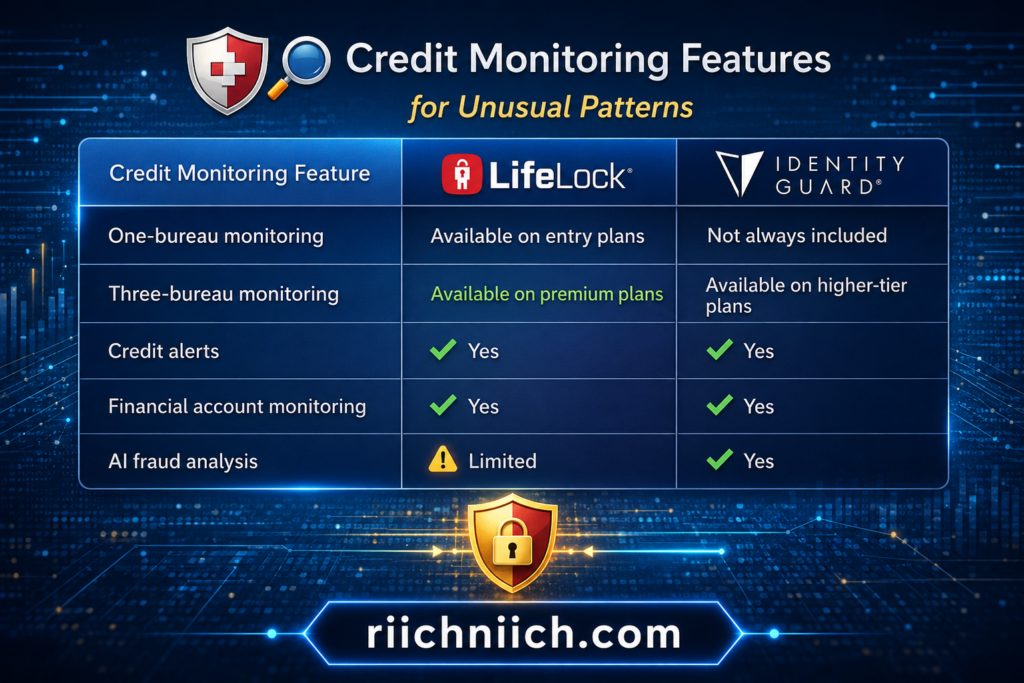
Premium plans from both providers include three-bureau credit monitoring, which many cyber-security experts consider essential for comprehensive identity protection.
Why Credit Monitoring Matters in the LifeLock vs Identity Guard Decision
Credit monitoring plays a crucial role in detecting identity theft early. Fraudsters often attempt to open loans, credit cards, or financial accounts using stolen personal information.
Monitoring credit reports allows you to catch these attempts quickly and stop them before they damage your credit score or financial reputation.
If you’re wondering whether monitoring services are actually necessary, you may also want to read our guide on Do You Really Need Identity Theft Protection before choosing a plan.
When comparing LifeLock vs Identity Guard, the credit monitoring capabilities of both services are strong, particularly on premium plans that monitor all three major credit bureaus.
The key difference is that Identity Guard pairs credit monitoring with AI-driven risk detection, while LifeLock integrates credit monitoring with broader cyber-security tools through Norton protection.
In the next section, we’ll compare LifeLock vs Identity Guard pricing and plan options to help you determine which service offers the best overall value.
LifeLock vs Identity Guard: Pricing and Plan Comparison
Pricing is an important factor when comparing LifeLock vs Identity Guard, especially for buyers trying to balance strong identity protection with affordability. Both services offer multiple subscription tiers that increase in features such as credit monitoring, identity alerts, insurance coverage, and recovery assistance.
While the overall price ranges are fairly similar, the structure of each provider’s plans and the features included at each tier can influence which option provides better value for your needs.
LifeLock Pricing and Plan Options
LifeLock offers several identity protection plans, typically bundled with cyber-security tools from NortonLifeLock.
Common LifeLock plans include:
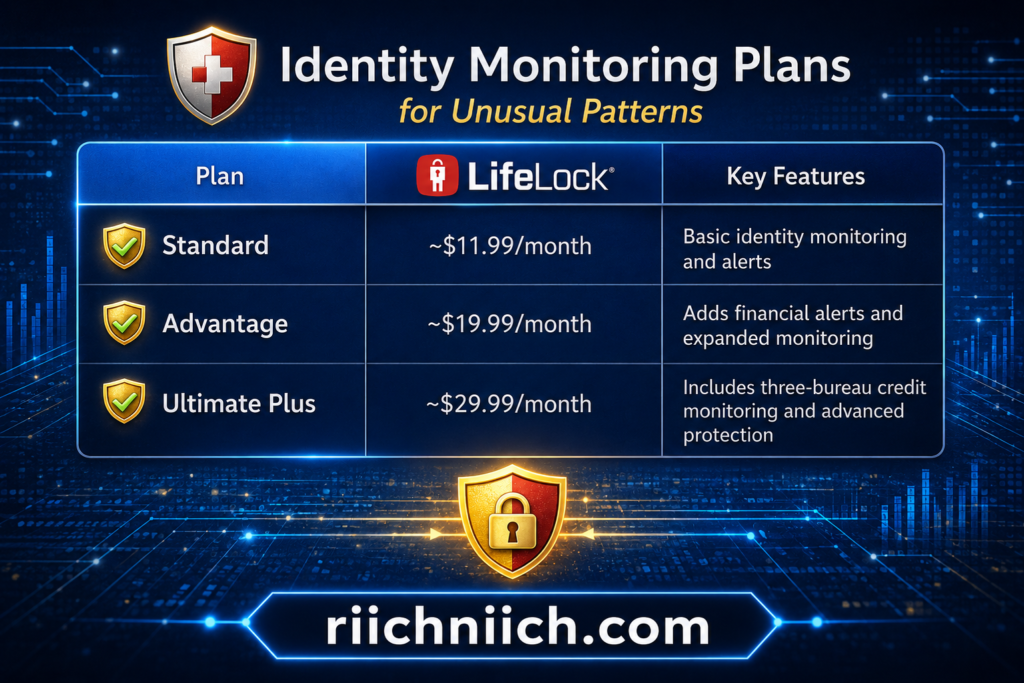
🚨 Prices may vary depending on promotional discounts or annual billing, but most individual plans start around $11.99 per month and increase depending on the level of protection included.
Higher-tier plans may include features such as:
- three-bureau credit monitoring
- bank and credit card alerts
- home title monitoring
- identity theft insurance coverage
- Norton antivirus and device protection
Some plans also bundle device security tools like antivirus, VPN, and password managers, which can increase overall value for users who want both identity monitoring and cyber-security protection.
Identity Guard Pricing and Plan Options
Identity Guard also offers multiple subscription tiers designed for individuals and families.
Typical individual plans include:
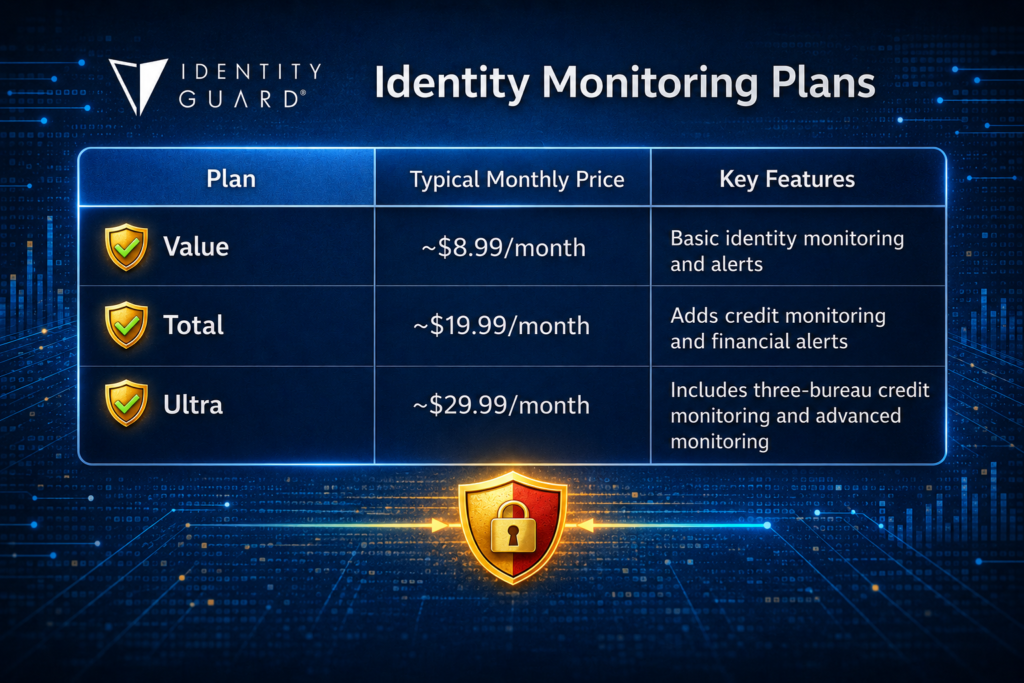
Identity Guard’s entry-level plan starts around $8.99 per month, making it slightly cheaper than LifeLock’s basic offering.
Family plans are also available, starting around $14.99 per month and increasing depending on monitoring coverage and number of users.
Higher-tier Identity Guard plans add features such as:
- three-bureau credit monitoring
- bank account monitoring
- home title monitoring
- social media monitoring
- identity theft insurance
- fraud resolution assistance
One notable difference in the LifeLock vs Identity Guard comparison is that Identity Guard focuses more heavily on AI-powered fraud detection technology rather than device security tools.
Side-by-Side Pricing Comparison
When evaluating LifeLock vs Identity Guard, the pricing structure between the two services is relatively similar for mid-tier and premium plans.
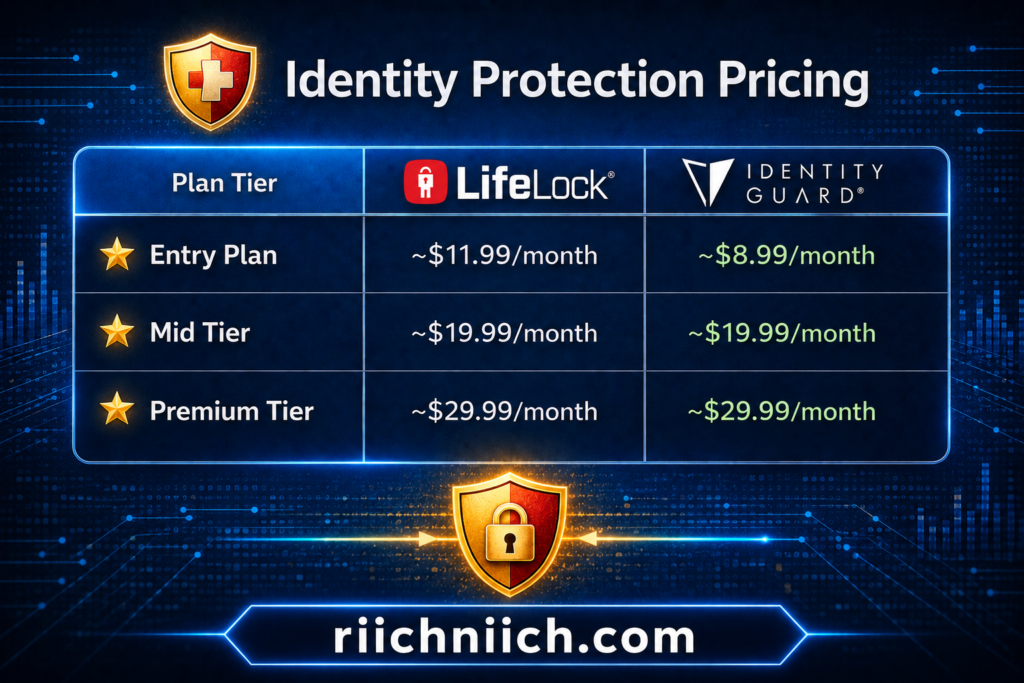
Identity Guard’s entry-level plan is slightly more affordable, while LifeLock often includes more cyber-security features through Norton integration.
However, pricing alone doesn’t always determine the best option. Buyers should also consider:
- level of credit monitoring
- identity theft insurance coverage
- cyber-security features
- identity restoration services
According to cyber-security reviews from Security.org, both services offer competitive pricing compared to other identity protection providers, with multiple tiers designed to fit different budgets and security needs.
Which Service Offers Better Value?
When comparing LifeLock vs Identity Guard pricing, the better value depends on what features you prioritize.
Choose LifeLock if you want:
- identity protection bundled with cyber-security tools
- antivirus protection and VPN through Norton
- broader digital security coverage
Choose Identity Guard if you prefer:
- slightly lower entry-level pricing
- AI-powered fraud detection
- strong identity monitoring without device security tools
Both services provide strong identity protection, but the right choice depends on whether you want advanced monitoring technology or a broader cyber-security bundle.
LifeLock vs Identity Guard: Identity Theft Insurance Coverage
When comparing LifeLock vs Identity Guard, identity theft insurance is an important feature that many buyers consider. Identity theft can lead to financial losses, legal expenses, and a long recovery process. Identity protection services often include insurance coverage designed to help reimburse certain costs associated with restoring your identity.
Both LifeLock and Identity Guard offer identity theft insurance, but the coverage structure and maximum limits can differ depending on the subscription plan you choose. Understanding these differences can help you decide which service provides the best financial protection.
LifeLock Identity Theft Insurance Coverage
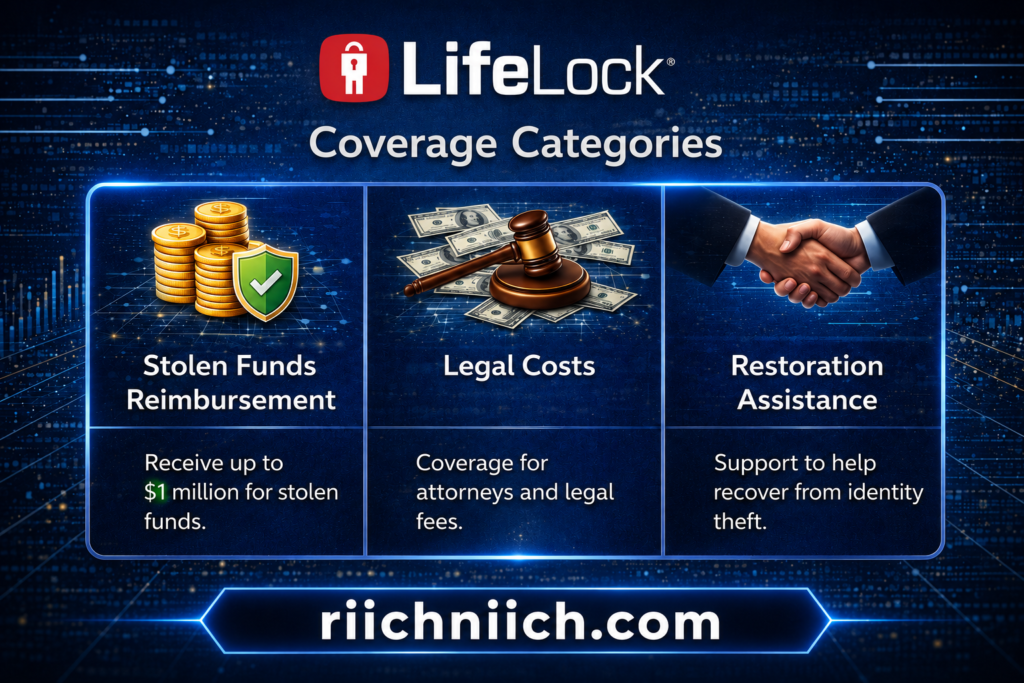
LifeLock includes identity theft insurance as part of its “Million Dollar Protection Package.” This coverage can help reimburse certain expenses related to identity theft recovery.
Typical LifeLock insurance coverage may include:
- reimbursement for stolen funds
- legal fees and expert assistance
- personal expense compensation
- coverage for identity restoration services
Many LifeLock plans provide up to $1 million in coverage for lawyers and experts, with additional reimbursement for stolen funds depending on the plan tier.
Some higher-tier plans provide up to $3 million in total identity theft coverage, including reimbursement for stolen funds and personal expenses.
This insurance is designed to reduce the financial burden that can occur during identity theft recovery, which can involve contacting creditors, disputing fraudulent charges, and repairing damaged credit.
Identity Guard Identity Theft Insurance Coverage
Identity Guard also includes identity theft insurance across its identity protection plans.
Most Identity Guard subscriptions provide up to $1 million in identity theft insurance coverage, which can reimburse eligible expenses caused by identity theft.
Covered expenses may include:
- stolen funds reimbursement
- legal fees
- lost wages during recovery
- childcare or travel expenses related to identity restoration
Each adult member on a family plan may receive up to $1 million in coverage individually, which increases the total protection available to households using the service.
Identity Guard also provides fraud resolution specialists who help guide victims through the recovery process if identity theft occurs.
Side-by-Side Insurance Coverage Comparison
When evaluating LifeLock vs Identity Guard, both services provide strong financial protection against identity theft recovery costs.
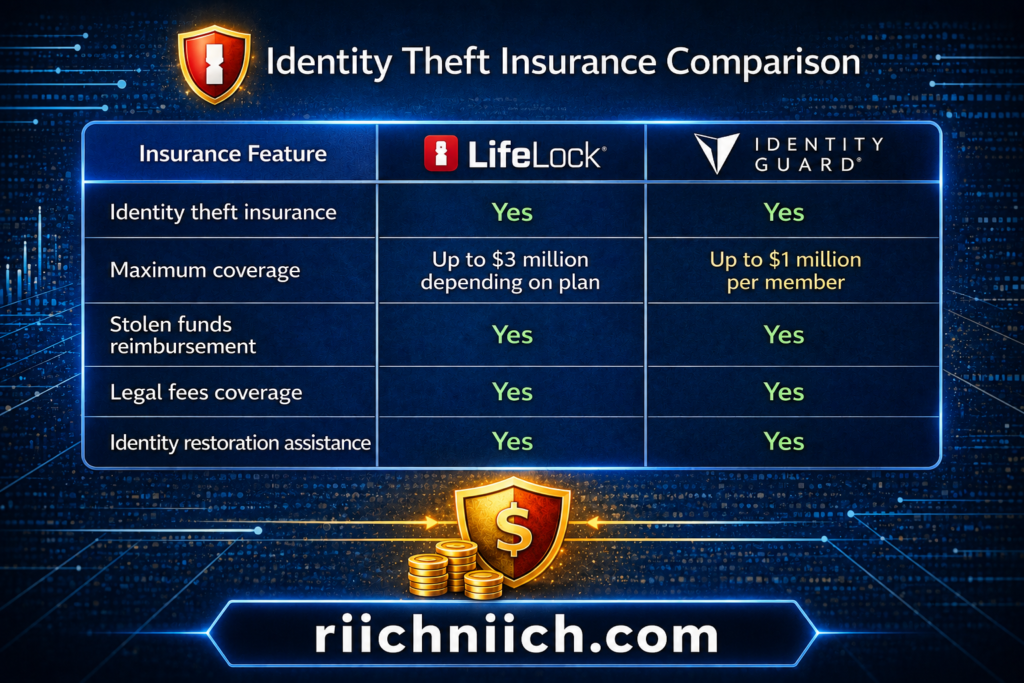
Identity theft insurance coverage across the industry often ranges around $1 million, which has become a common benchmark for identity protection services.
What Identity Theft Insurance Actually Covers
It’s important to understand that identity theft insurance does not prevent fraud. Instead, it helps reimburse expenses incurred while restoring your identity.
According to guidance from the Federal Trade Commission, identity theft victims often face costs related to recovering accounts, disputing charges, and repairing credit reports.
Identity theft insurance may help cover expenses such as:
- hiring legal experts
- lost wages from time spent resolving fraud
- replacing identification documents
- professional services used during recovery
Which Service Offers Better Insurance Protection?
In the LifeLock vs Identity Guard comparison, both providers offer strong identity theft insurance coverage that can help reduce the financial impact of fraud.
LifeLock may offer higher maximum coverage on premium plans, while Identity Guard provides consistent $1 million coverage for identity theft expenses across its plans.
However, insurance coverage should not be the only factor when choosing an identity protection service. Monitoring capabilities, fraud alerts, and recovery support often play an even larger role in preventing identity theft damage.
In the next section, we’ll compare LifeLock vs Identity Guard mobile apps and user experience to help determine which service is easier to manage on a daily basis.
LifeLock vs Identity Guard: Mobile App and User Experience
When comparing LifeLock vs Identity Guard, the mobile app and overall user experience can make a significant difference. Identity protection services send alerts when suspicious activity occurs, so having a reliable and easy-to-use mobile app helps users respond quickly and manage their protection in real time.
Both services provide mobile access to monitoring alerts, identity protection tools, and account dashboards. However, their mobile experiences differ in terms of features, design, and usability.
LifeLock Mobile App Features
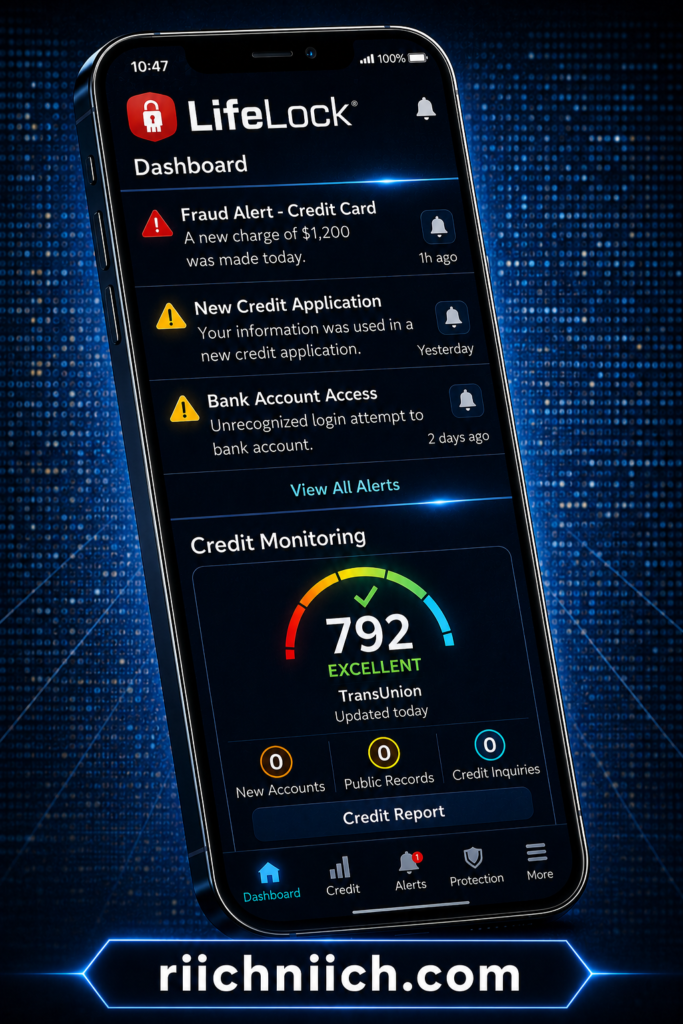
The LifeLock mobile app allows users to monitor identity threats and respond to alerts directly from their smartphones. The app provides real-time notifications when suspicious activity is detected, allowing users to quickly verify or dispute alerts.
Key features of the LifeLock app include:
- Real-time identity theft alerts
- Credit score and credit report access
- Monitoring alerts for financial activity
- Quick response tools for suspicious alerts
- Identity restoration support access
With push notifications, LifeLock users can receive alerts instantly if a potential identity threat is detected. This allows them to take action immediately, which is critical when trying to stop identity theft before it spreads to other accounts.
The app also allows users to view credit activity and monitoring alerts in one dashboard, making it easier to track identity protection in a single place.
In addition, the LifeLock mobile app has strong ratings across app stores, with scores around 4.3 stars on the Apple App Store and 4.4 stars on Google Play, indicating generally positive user feedback.
Identity Guard Mobile Experience
Identity Guard also offers mobile access to its identity protection platform. Users can monitor identity alerts, review credit activity, and manage their security dashboard through a mobile browser or app.
Identity Guard focuses heavily on real-time monitoring alerts and data-breach notifications, allowing users to track identity risks from their phone or desktop.
Key Identity Guard mobile features include:
- identity risk alerts
- dark web exposure notifications
- credit monitoring alerts
- security recommendations
- access to identity restoration support
The platform is designed so users can quickly check alerts and monitor their personal information exposure while on the go. Many users find the system helpful for quick status checks, although some features are easier to manage through the desktop dashboard.
Ease of Use and Dashboard Experience
When evaluating LifeLock vs Identity Guard for usability, both platforms offer centralized dashboards where users can monitor alerts and review their protection status.
LifeLock’s dashboard focuses on quick alerts and easy navigation, helping users immediately see whether suspicious activity requires attention.
Identity Guard’s dashboard emphasizes risk scoring and monitoring insights, giving users a broader overview of potential identity threats.
Both systems allow users to:
- review identity alerts
- track credit activity
- manage account protection settings
- contact identity restoration specialists
Some reviewers note that Identity Guard works well across web browsers and mobile devices, allowing users to quickly check alerts or monitoring updates from multiple devices.
Which Service Has the Better App Experience?
In the LifeLock vs Identity Guard comparison, both services offer functional mobile tools designed to help users monitor identity risks and respond quickly to suspicious activity.
LifeLock may appeal more to users who want:
- strong mobile alerts and notifications
- integrated cyber-security features through Norton
- a simple monitoring dashboard
Identity Guard may be a better option for users who prefer:
- AI-driven monitoring insights
- identity risk scoring tools
- flexible monitoring access across devices
👉 See everything Identity Guard includes here
Both services provide mobile tools that make identity monitoring easier to manage daily. The better choice ultimately depends on whether you prefer LifeLock’s straightforward alert system or Identity Guard’s data-focused monitoring dashboard.
Who Should Choose LifeLock?
When deciding between LifeLock vs Identity Guard, some users may find that LifeLock better fits their needs—especially if they want a broader cyber-security solution rather than identity monitoring alone.
LifeLock is one of the most recognized identity protection services in the United States and is now part of Gen Digital (formerly NortonLifeLock). The service monitors personal data, credit activity, and identity threats while also providing recovery assistance if fraud occurs.
In the LifeLock vs Identity Guard comparison, LifeLock is often preferred by users who want all-in-one digital security with identity monitoring, device protection, and recovery support.
People Who Want All-in-One Digital Security
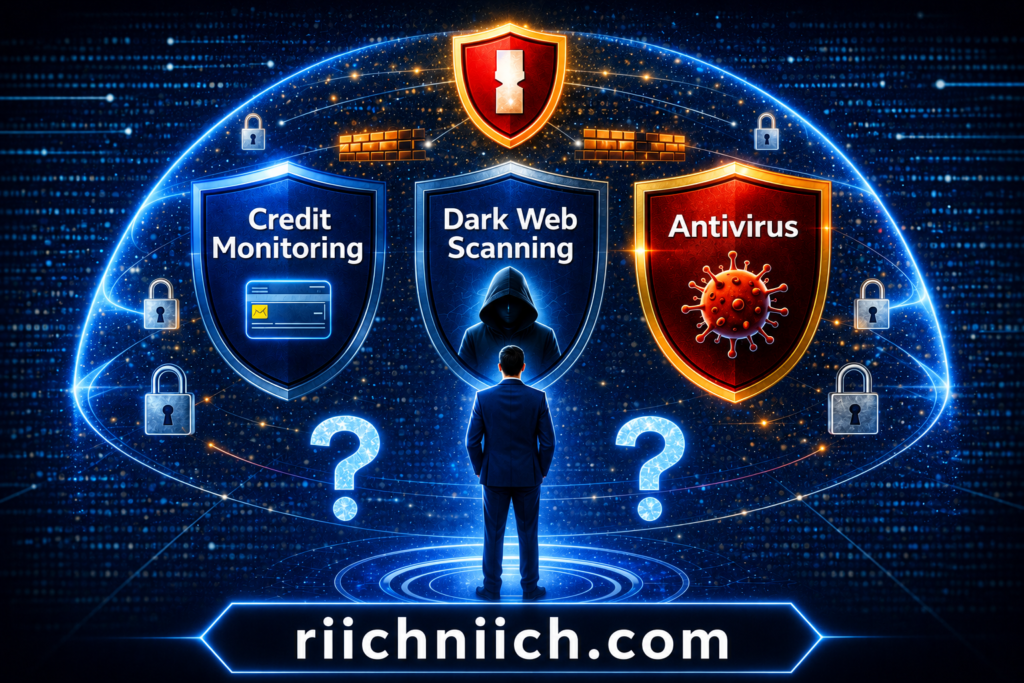
One of the biggest advantages of LifeLock is that it integrates identity protection with cyber-security tools from Norton.
Many LifeLock plans include features such as:
- antivirus protection
- malware detection
- secure VPN
- password manager
- device security tools
These tools help protect the devices where personal information is stored. This broader protection is one reason LifeLock is often rated among the most comprehensive identity protection services available.
For users comparing LifeLock vs Identity Guard, LifeLock may be the better option if you want identity monitoring plus device cyber-security in one subscription.
Users Who Want Strong Identity Monitoring and Alerts
LifeLock monitors personal information across multiple data sources to detect potential identity theft. The service sends alerts when suspicious activity appears, such as:
- new credit accounts opened
- unusual credit inquiries
- data breaches exposing personal information
- suspicious financial activity
The goal is to notify users quickly so they can stop fraud before it causes serious financial damage. According to financial reviews, LifeLock monitors accounts for identity theft indicators and alerts users when issues appear.
This alert-driven system makes LifeLock a good choice for people who want active monitoring and early fraud warnings.
Families Who Want Household Protection
Another reason people choose LifeLock in the LifeLock vs Identity Guard comparison is family protection.
LifeLock offers family plans that allow multiple members of a household to receive identity monitoring under a single subscription. This can include monitoring for:
- children’s Social Security numbers
- financial account activity
- personal data exposure online
Family protection plans are helpful because identity thieves sometimes target children’s Social Security numbers, which may go unnoticed for years.
Users Who Want Identity Recovery Support
Identity theft recovery can be complicated and time-consuming. LifeLock provides identity restoration specialists who help guide victims through the recovery process.
This support can include:
- contacting creditors and banks
- filing fraud reports
- disputing fraudulent charges
- restoring damaged credit records
Many plans also include identity theft insurance coverage to help reimburse certain recovery expenses.
Security experts note that identity restoration support is one of the most valuable services provided by identity protection platforms because victims often need professional guidance during recovery.

Buyers Who Prefer a Well-Known Security Brand
Another factor that influences the LifeLock vs Identity Guard decision is brand reputation.
LifeLock has been operating since 2005 and has become one of the most widely recognized names in identity protection.
Its connection with Norton cyber-security products also adds familiarity for many users who already trust Norton for antivirus protection.
This brand recognition often appeals to buyers who prefer established security companies with a long track record.
Summary: Who LifeLock Is Best For
LifeLock may be the better choice if you want:
- identity monitoring combined with cyber-security tools
- device protection such as antivirus and VPN
- strong fraud alerts and credit monitoring
- identity theft recovery assistance
- protection for multiple family members
In the LifeLock vs Identity Guard comparison, LifeLock is often the stronger option for users who want all-in-one digital security rather than identity monitoring alone.
In the next section, we’ll examine who should choose Identity Guard, which takes a different approach by focusing on AI-powered identity monitoring and fraud detection.
Who Should Choose Identity Guard?
When deciding between LifeLock vs Identity Guard, some users may find that Identity Guard is the better option—especially if they want advanced identity monitoring technology and affordable protection plans. Identity Guard focuses primarily on detecting identity threats early by monitoring large amounts of personal data and alerting users quickly if suspicious activity appears.
Identity Guard has been protecting consumers for more than two decades and uses monitoring systems powered by IBM Watson artificial intelligence to analyze billions of data points for signs of identity fraud.
In the LifeLock vs Identity Guard comparison, Identity Guard often appeals to buyers who want powerful identity monitoring and fraud alerts without paying for extra cyber-security tools they may not need.
People Who Want AI-Powered Identity Monitoring
One of Identity Guard’s biggest strengths is its use of artificial intelligence technology. The system analyzes large volumes of online data—including dark web activity, credit records, and financial accounts—to detect patterns that may signal identity theft.
This AI-driven monitoring can identify suspicious activity such as:
- new credit accounts opened in your name
- personal data appearing in a breach
- financial accounts showing unusual activity
- Social Security numbers appearing on dark web marketplaces
Because of this technology, Identity Guard can alert users quickly so they can respond before identity theft spreads.
For buyers comparing LifeLock vs Identity Guard, this AI-powered monitoring is often one of Identity Guard’s most attractive features.

Budget-Conscious Buyers
Another reason people choose Identity Guard is affordability. Identity Guard plans often start at lower monthly prices than many competing identity protection services, making it appealing to users who want identity monitoring without paying for extra cyber-security bundles.
Entry-level plans typically include:
- dark web monitoring
- breach alerts
- identity monitoring alerts
- fraud resolution support
Higher-tier plans add:
- three-bureau credit monitoring
- bank account monitoring
- identity theft insurance
- advanced fraud detection tools
This tiered pricing structure allows buyers to choose a level of protection that fits their budget.
Users Who Want Strong Identity Monitoring
Identity Guard focuses heavily on monitoring sensitive personal data across multiple sources.
The service monitors information such as:
- Social Security numbers
- credit reports
- public records
- financial accounts
- dark web data leaks
If suspicious activity appears, the system sends alerts so users can quickly secure their accounts.
Identity protection services work as early-warning systems that help detect identity theft before criminals can fully exploit stolen data.
Families Who Want Multi-Person Identity Protection
Identity Guard also offers family protection plans designed to monitor multiple identities under one account. Families often need broader monitoring because several Social Security numbers and financial accounts may be involved. If you’re comparing services designed for households, see our guide to the Best Identity Theft Protection for Families, where we break down the top plans for protecting multiple family members. These plans can cover multiple adults and children within a household, making it easier to protect the entire family from identity theft.
Family identity monitoring can help detect fraud involving:
- children’s Social Security numbers
- family financial accounts
- personal data exposure in breaches
Because children often do not monitor credit activity, identity theft involving minors can go unnoticed for years. Family monitoring helps reduce this risk.
People Who Want Professional Fraud Recovery Support
If identity theft occurs, Identity Guard provides fraud resolution specialists who help guide victims through the recovery process.
This support may include:
- contacting banks and creditors
- disputing fraudulent charges
- restoring credit reports
- securing compromised accounts
Many Identity Guard plans also include up to $1 million in identity theft insurance to help cover expenses related to fraud recovery.
Having access to professional recovery assistance can be extremely valuable because resolving identity theft often requires dealing with multiple financial institutions and credit agencies.
Summary: Who Identity Guard Is Best For
Identity Guard may be the better choice in the LifeLock vs Identity Guard comparison if you want:
- AI-powered identity monitoring
- affordable entry-level pricing
- strong fraud alerts and identity tracking
- family identity protection plans
- identity recovery support and insurance coverage
In short, Identity Guard is often best for people who want advanced identity monitoring technology at a competitive price, rather than a bundled cyber-security package.
In the next section, we’ll summarize the pros and cons of LifeLock vs Identity Guard to help you quickly compare their strengths and weaknesses before making a final decision.
LifeLock vs Identity Guard: Pros and Cons
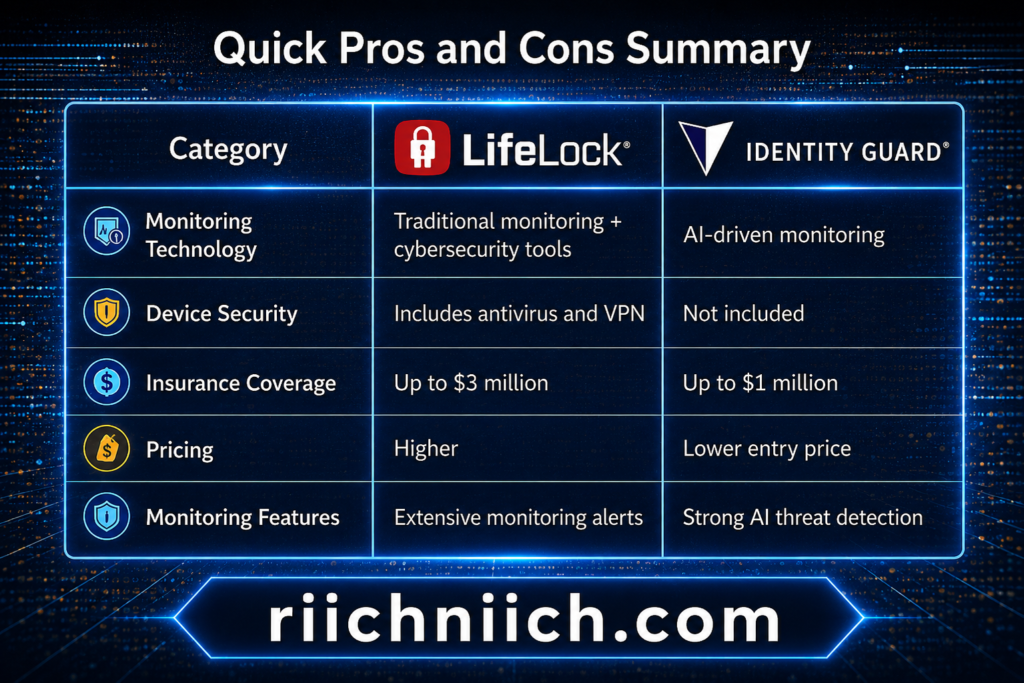
When comparing LifeLock vs Identity Guard, both services offer strong identity theft protection, but each has advantages and drawbacks. Understanding the pros and cons can help buyers determine which service fits their security needs, budget, and preferred monitoring features.
Both services monitor personal information, send fraud alerts, and provide recovery assistance if identity theft occurs. However, their approach to security, pricing, and features differs, which can influence which option is better for you.
LifeLock Pros
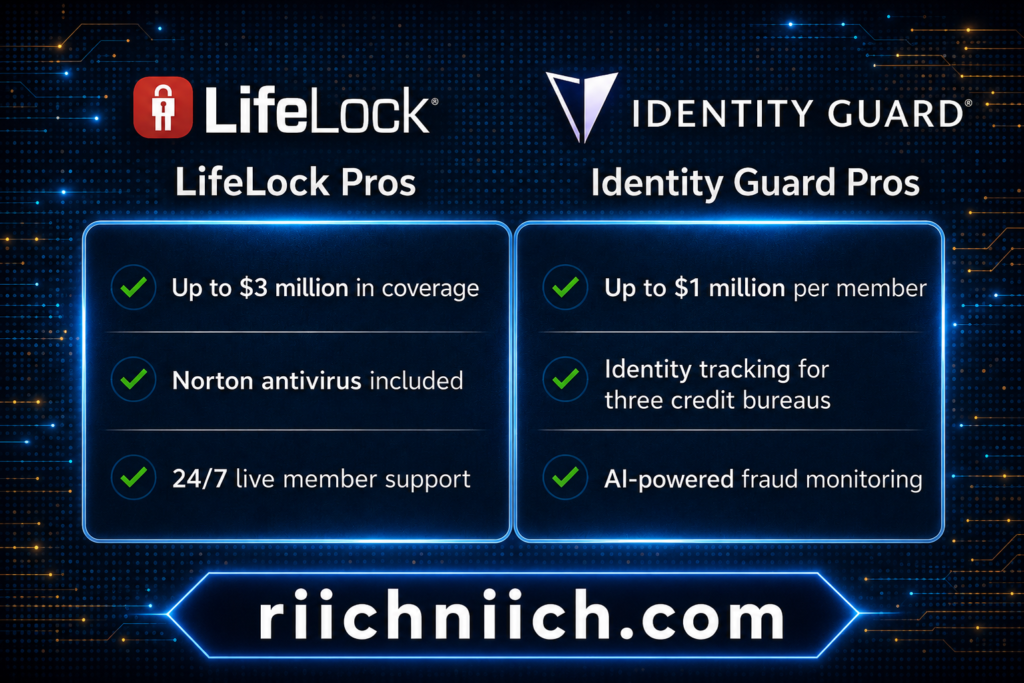
1. All-in-One Digital Security
One of LifeLock’s biggest strengths is its integration with Norton cyber-security tools. Many plans include antivirus protection, a VPN, and a password manager, helping protect both personal data and the devices where that data is stored.
2. Higher Identity Theft Insurance Coverage
LifeLock offers some of the highest insurance coverage levels in the industry. Premium plans may include up to $3 million in identity theft coverage, which can reimburse stolen funds and recovery expenses.
3. 24/7 Customer Support
LifeLock provides round-the-clock customer support, which can be valuable if identity theft occurs and you need immediate assistance.
4. Strong Brand Reputation
LifeLock has been operating for many years and is considered one of the most recognized identity protection brands in the cyber-security industry.
LifeLock Cons
1. Higher Pricing
LifeLock plans are often more expensive than competing services. Pricing typically starts around $11.99 per month and can exceed $30 per month depending on the level of protection.
2. Complex Plan Structure
Some reviewers note that LifeLock’s multiple subscription tiers and bundled features can make it difficult for new users to determine which plan is best.
3. Some Features Require Premium Plans
Important features such as three-bureau credit monitoring are only available on higher-tier plans.
Identity Guard Pros
1. AI-Powered Fraud Detection
Identity Guard uses artificial intelligence technology powered by IBM Watson to analyze large datasets and detect suspicious patterns that may indicate identity theft.
2. More Affordable Entry-Level Plans
Identity Guard often offers lower starting prices than LifeLock, making it appealing for budget-conscious buyers.
3. Strong Identity Monitoring Tools
Identity Guard provides monitoring for dark web activity, credit accounts, public records, and personal data exposure.
4. Straightforward Identity Protection Focus
Unlike LifeLock, Identity Guard focuses mainly on identity monitoring rather than bundling additional cybersecurity tools.
Identity Guard Cons
1. Fewer Cyber-security Tools
Identity Guard focuses mainly on monitoring and does not include antivirus protection or device security tools like LifeLock does.
2. Limited Features on Basic Plans
Some lower-tier plans provide minimal protection and may not include credit monitoring or other advanced features.
3. Lower Maximum Insurance Coverage
Identity Guard typically offers up to $1 million in identity theft insurance, which is lower than LifeLock’s highest coverage levels.
What This Means for Buyers
In the LifeLock vs Identity Guard comparison, both services provide reliable identity theft protection, but their strengths differ.
Choose LifeLock if you want:
- identity protection plus device cyber-security
- higher insurance coverage
- 24/7 support and advanced security tools
Choose Identity Guard if you prefer:
- AI-powered identity monitoring
- lower starting prices
- a simple identity protection platform without extra tools
Understanding these pros and cons helps buyers determine which service aligns best with their security priorities before making a final decision.
In the next section, we’ll summarize the final verdict in the LifeLock vs Identity Guard comparison to help you decide which service is the better choice overall.
Conclusion: Is LifeLock or Identity Guard Better in 2026?
When deciding between LifeLock vs Identity Guard, the best choice ultimately depends on what type of protection you value most. Both services are well-known identity theft protection platforms that monitor personal data, alert you to suspicious activity, and help restore your identity if fraud occurs. However, their approach to digital security is different.
In general:
- LifeLock focuses on all-in-one cyber-security and identity protection
- Identity Guard focuses on advanced monitoring and affordability
Understanding these differences can help you choose the right service for your needs in 2026.
When LifeLock Is the Better Choice
LifeLock is often the better option for people who want broader digital security beyond identity monitoring.
Many LifeLock plans integrate with Norton cyber-security tools, which can include antivirus protection, a VPN, and password management. These tools help protect the devices where personal data is stored, adding another layer of defense against cyber threats.
LifeLock also offers extensive monitoring features and identity recovery assistance if fraud occurs. Some premium plans include up to $3 million in identity theft coverage, which can help reimburse expenses related to identity recovery.
Choose LifeLock if you want:
- identity monitoring plus device security tools
- a well-known cybersecurity brand
- higher insurance coverage options
- comprehensive digital protection
Security analysts frequently highlight LifeLock for its strong monitoring and cyber-security integration, making it a solid choice for people who want a full security suite rather than monitoring alone.
When Identity Guard Is the Better Choice
Identity Guard may be the better option for buyers who want strong identity monitoring at a lower price.
The service focuses heavily on monitoring personal data across financial systems, public records, and the dark web. It also uses advanced technology to analyze large amounts of data and detect suspicious patterns that may indicate identity theft.
Many Identity Guard plans include features such as:
- dark web monitoring
- data breach alerts
- identity risk monitoring
- identity theft insurance up to $1 million
Some reviewers note that even Identity Guard’s entry-level plans offer strong identity monitoring features, making it a competitive option for budget-conscious buyers.
Choose Identity Guard if you want:
- affordable identity protection plans
- strong monitoring tools and fraud alerts
- AI-assisted threat detection
- a straightforward identity protection platform
LifeLock vs Identity Guard: The Bottom Line
In the LifeLock vs Identity Guard comparison, neither service is universally better. Instead, each excels in different areas.
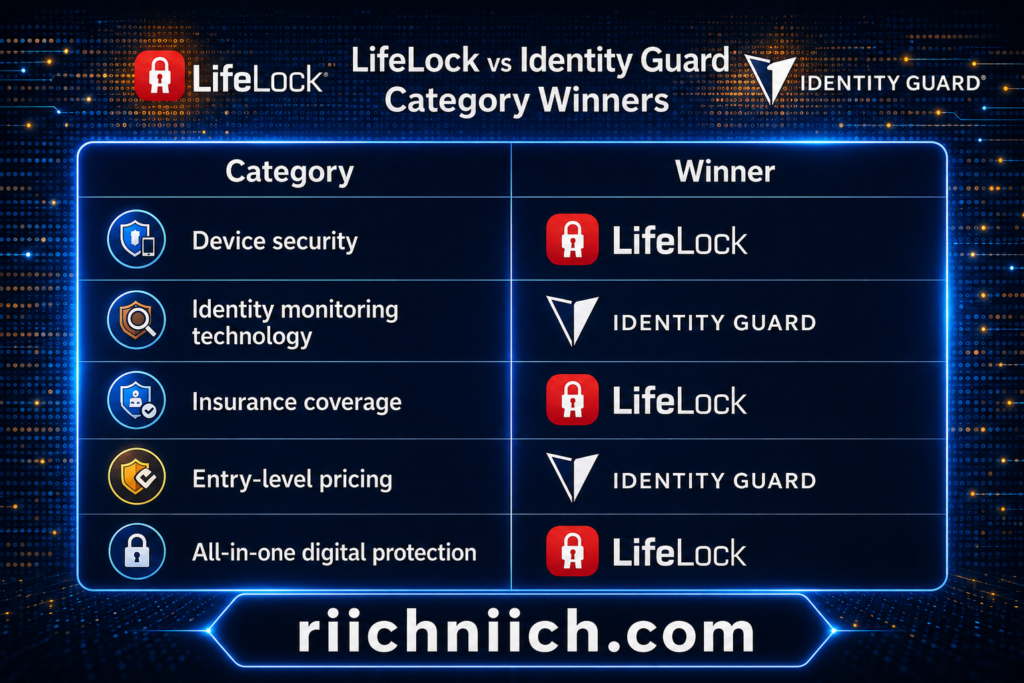
Both services provide essential identity theft protection features such as credit monitoring, fraud alerts, and identity recovery support. The biggest difference is whether you want a cyber-security bundle or a monitoring-focused service.
👉 Regardless of which service you choose, combining identity protection with tools like NordVPN and NordPass can provide a more complete security setup.
If you want to compare even more providers before making a final decision, see our full breakdown of the Best Identity Theft Protection Services available today.
Final Recommendation
If you want complete digital protection including device security, LifeLock is often the better choice.
If you prefer affordable identity monitoring with strong fraud detection, Identity Guard may be the smarter option.
Either way, using an identity theft protection service can help reduce the risk of fraud by monitoring your personal data and alerting you quickly if suspicious activity appears. Services like these are designed to provide early warnings and recovery assistance so that identity theft does not become a long-term financial problem.
In the end, the LifeLock vs Identity Guard decision should be based on your personal security priorities, budget, and the level of monitoring you want for your identity and financial accounts.
👉 Another alternative to consider is IdentityIQ, especially for users looking for a lower-cost identity monitoring solution.
Frequently Asked Questions About LifeLock vs Identity Guard
Many buyers comparing LifeLock vs Identity Guard have similar questions before choosing an identity protection service. Below are some of the most common questions people ask when deciding which platform provides the best protection.
Is LifeLock better than Identity Guard?
The answer depends on what type of protection you want. In the LifeLock vs Identity Guard comparison, LifeLock is often preferred by users who want all-in-one cyber-security protection, including device security tools like antivirus and VPN features through Norton.
Identity Guard, on the other hand, focuses more on advanced identity monitoring and fraud detection technology. It may appeal to users who want strong monitoring tools without paying for extra cyber-security features.
Both services offer identity theft monitoring, fraud alerts, and recovery assistance, so the better option depends on your security priorities.
Do LifeLock and Identity Guard both monitor the dark web?
Yes. Both services scan dark web marketplaces and databases where stolen personal information may appear.
Dark web monitoring helps detect when sensitive information such as Social Security numbers, passwords, or financial account details are exposed in data breaches.
According to the Federal Trade Commission, stolen personal information is often sold or shared online before being used in fraud schemes. Monitoring these locations helps identify potential risks earlier.
Do LifeLock and Identity Guard offer credit monitoring?
Yes. Both LifeLock and Identity Guard provide credit monitoring, although the level of monitoring depends on the subscription plan.
Premium plans typically include three-bureau credit monitoring, which tracks activity across Experian, Equifax, and TransUnion.
Credit monitoring alerts users when suspicious activity appears, such as:
- new credit inquiries
- new accounts opened in your name
- changes to credit reports
The Consumer Financial Protection Bureau recommends regularly monitoring credit reports to detect identity theft early.
How much identity theft insurance do these services provide?
In the LifeLock vs Identity Guard comparison, both services include identity theft insurance designed to help cover certain recovery expenses.
Typical coverage includes reimbursement for:
- stolen funds
- legal fees
- lost wages during recovery
- identity restoration expenses
LifeLock’s premium plans may offer up to $3 million in identity theft coverage, while Identity Guard typically provides up to $1 million per member depending on the plan.
Insurance coverage helps reduce financial losses related to identity theft recovery, although it does not prevent fraud from occurring.
Which service is more affordable?
Identity Guard generally offers lower entry-level pricing, making it appealing for budget-conscious buyers.
LifeLock plans often cost more but include additional cyber-security tools, such as antivirus protection and VPN services through Norton.
Because of these extra features, LifeLock may provide better value for users who want both identity monitoring and device security.
Is identity theft protection really necessary?
Identity theft protection services help monitor personal information and alert users to suspicious activity that could indicate fraud.
While these services cannot completely prevent identity theft, they can detect threats earlier and help victims recover faster.
The Federal Trade Commission reports that millions of Americans experience identity theft every year, making monitoring services increasingly popular for protecting personal data.
Can families use LifeLock or Identity Guard?
Yes. Both LifeLock and Identity Guard offer family protection plans designed to monitor multiple identities under one account.
These plans can include monitoring for:
- adults and children
- Social Security numbers
- financial accounts
- personal data exposure online
Family identity monitoring is especially helpful because children’s identities can be targeted by fraudsters for years before the problem is discovered.
👉 Older adults are also frequently targeted by identity theft and financial scams. If you are researching protection options for retirees or aging parents, see our guide to the Best Identity Theft Protection for Seniors, which explains the safest monitoring services for older adults.
What is the biggest difference between LifeLock and Identity Guard?
The main difference in the LifeLock vs Identity Guard comparison is their security focus.
LifeLock emphasizes all-in-one cyber-security protection, combining identity monitoring with device security tools.
Identity Guard focuses primarily on identity monitoring and fraud detection technology designed to identify suspicious activity quickly.
Both services offer strong identity protection features, but the best choice depends on whether you prefer a cyber-security bundle or a monitoring-focused platform.
Pingback: Aura vs Experian IdentityWorks: Which Identity Protection Service Is Better in 2026? - Riich Niich
Pingback: Best Identity Theft Protection Services for 2026 - Riich Niich
Pingback: Is Aura Better Than Free Credit Monitoring? - Riich Niich
Pingback: Credit Freeze vs Credit Lock — What’s Safer? - Riich Niich
Pingback: 13 Warning Signs Someone Stole Your Identity (And What To Do Immediately) - Riich Niich