

Aura vs LifeLock is one of the most searched identity theft protection comparisons in 2026 — and for good reason. Both services promise credit monitoring, dark web scanning, identity theft insurance, and recovery support. But when it comes to real-world protection, pricing, and family value, they’re not identical.
If you’re actively comparing options and trying to decide which service is worth your money, this guide breaks down everything you need to know — clearly and objectively. By the end, you’ll understand the key differences, strengths, and trade-offs so you can confidently choose the right identity protection plan for your situation. If you want to compare all top-rated services beyond just these two, visit our full guide to the Best Identity Theft Protection Services for 2026.
Table of Contents
🔥 Quick Answer: Aura vs LifeLock
If you want the best overall identity theft protection, Aura is the better choice for most people.
It offers more features at a lower price, with simpler plans and full protection included — without needing upgrades.
👉 Check Aura pricing and see current offers!
What Aura Offers
Aura positions itself as an all-in-one digital security platform.
It combines:
- 3-bureau credit monitoring (Experian, Equifax, TransUnion on most plans)
- Dark web monitoring
- Identity theft insurance (up to $1 million per adult on many plans)
- Real-time fraud alerts
- Identity restoration support
- VPN and device security tools (on certain plans)
- Family identity protection options
Aura is built around fast alerts + guided recovery, which appeals to families and users who want one dashboard covering multiple protection layers.
What LifeLock Offers
LifeLock, owned by Norton, is one of the most recognized names in identity protection.
LifeLock provides:
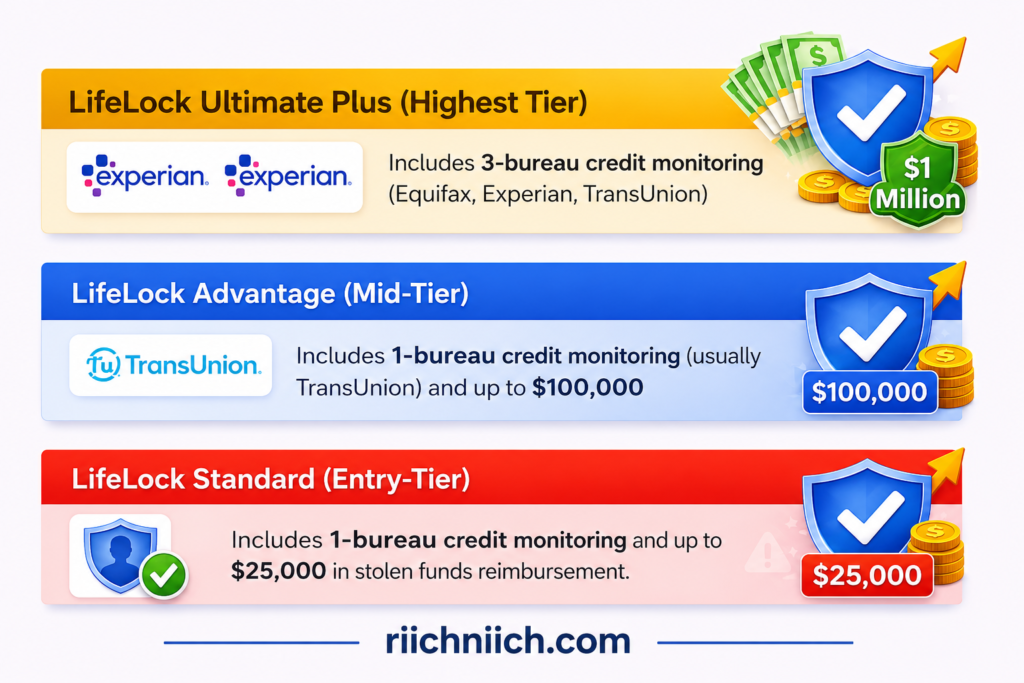
- Credit monitoring (1-bureau on entry plans, 3-bureau on premium tiers)
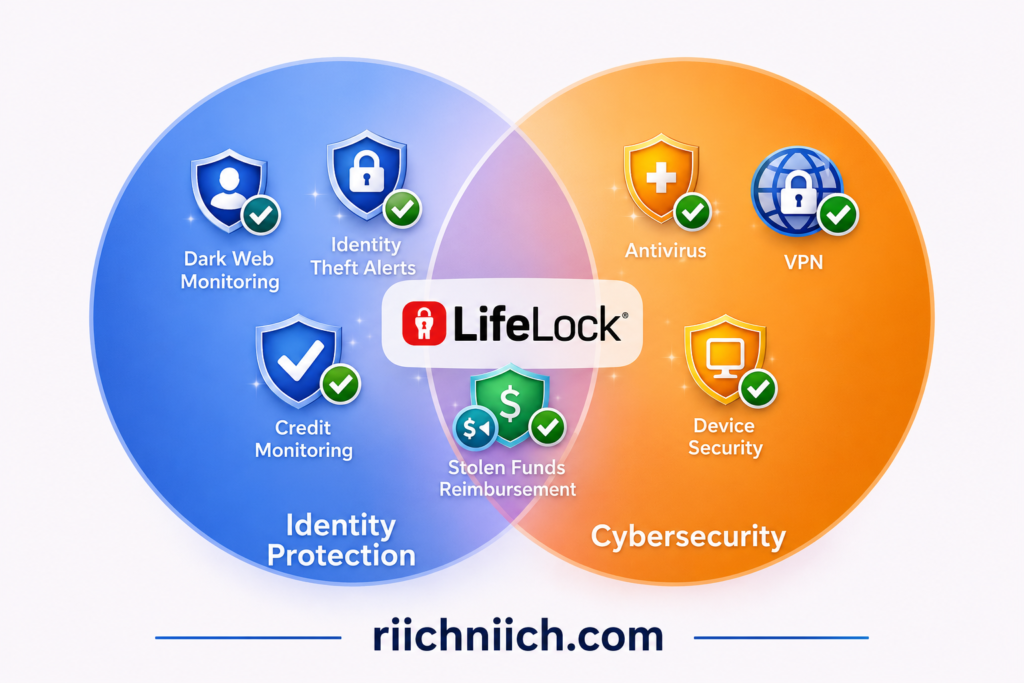
- Dark web monitoring
- Identity theft insurance (up to $1 million coverage depending on plan)
- Stolen funds reimbursement (higher on premium plans)
- U.S.-based identity restoration specialists
- Bundled antivirus and cyber-security tools through Norton 360
LifeLock is still a strong option — especially if you want higher insurance coverage and are willing to pay for premium plans.
However, most users find Aura easier to use and more cost-effective.
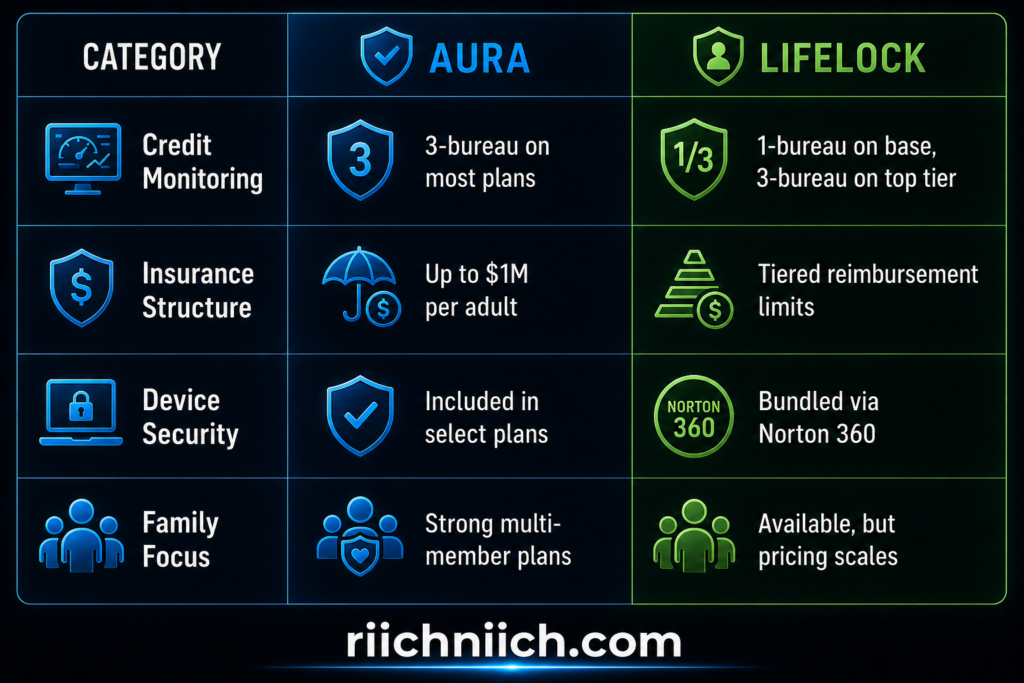
Key Difference at a Glance
The biggest difference comes down to simplicity vs tiered pricing.
Aura includes most features in all plans, while LifeLock requires higher-tier plans to unlock full protection.
This means Aura is easier to use and often more cost-effective.
👉 For most people, Aura offers the best balance of price, features, and ease of use.
If you’re shopping right now, here’s the buyer-intent summary:
- If you want 3-bureau credit monitoring without upgrading to the highest tier, Aura may feel more straightforward.
- If you already use Norton products and want everything under one ecosystem, LifeLock may integrate more smoothly.
Why This Comparison Matters in 2026
According to the U.S. Federal Trade Commission (FTC), identity theft remains one of the most reported fraud categories annually. You can review updated fraud statistics directly from the FTC’s Consumer Sentinel Network here.
Additionally, the Identity Theft Resource Center (ITRC) tracks data breaches and exposure trends.
With breach activity remaining elevated, the real question isn’t whether monitoring matters — it’s which protection structure gives you the fastest detection and the most support if fraud happens.
That’s where the difference between Aura vs LifeLock becomes important.
Quick Buyer Decision Snapshot
If you want:
✔ Simplicity
✔ Consistent 3-bureau coverage
✔ Strong family plan structure
✔ Guided restoration support
→ Aura often appeals to value-focused buyers.
If you want:
✔ A long-established brand
✔ Deep integration with antivirus software
✔ High reimbursement ceilings on premium plans
→ LifeLock may feel more familiar and brand-trusted.
In the next section, we’ll go deeper with a detailed side-by-side feature comparison so you can see exactly where each service stands in 2026.
Key Feature Comparison (Side-by-Side Table)
If you’re seriously evaluating Aura vs LifeLock, this is where the decision starts to become clear.
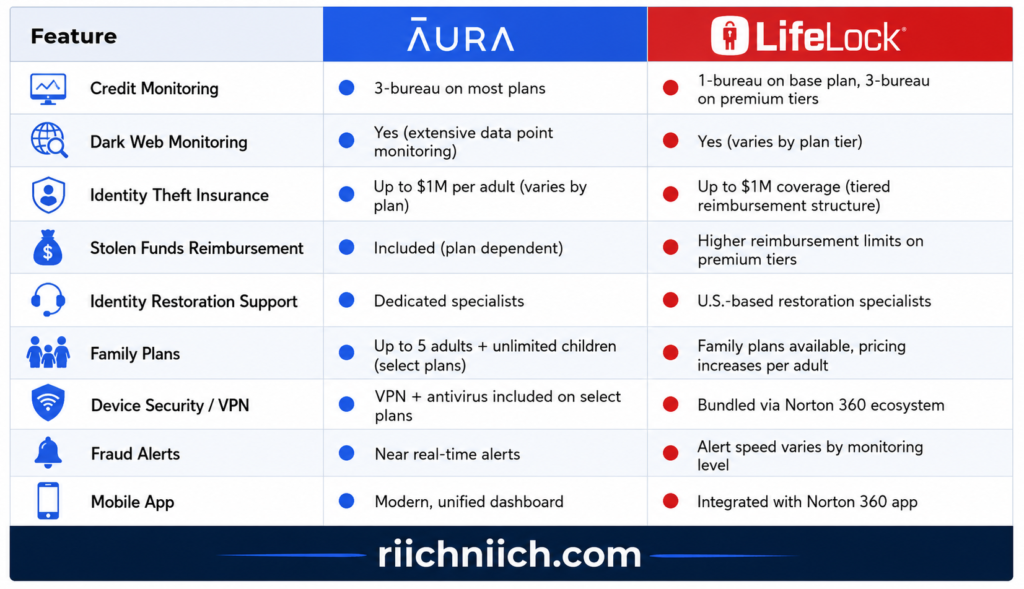
At this stage, you’re not browsing — you’re comparing features that actually protect your identity and money. Below is a simplified side-by-side breakdown of the core protection categories buyers care about most in 2026.
Aura vs LifeLock — Core Feature Breakdown
What Actually Matters in This Comparison?
When evaluating Aura vs LifeLock, most buyers focus on five critical protection pillars:
- How many credit bureaus are monitored?
- How fast will I get alerts?
- What happens if fraud actually occurs?
- How much insurance coverage is included?
- How much will I pay to get full protection?
Credit bureau coverage is especially important because fraud may appear on one bureau before the others. The Consumer Financial Protection Bureau (CFPB) explains how credit reporting works and why monitoring all three bureaus can matter.
If you want broader visibility without upgrading to the highest plan tier, Aura often includes 3-bureau monitoring earlier in its pricing structure. LifeLock typically reserves 3-bureau monitoring for higher-tier plans.
That distinction alone influences many buyer decisions.
Insurance & Restoration: Alerts vs Recovery
Monitoring is only half the equation.
According to the Identity Theft Resource Center (ITRC), recovery time can vary significantly depending on the type of fraud and level of support available.
Both Aura and LifeLock provide identity restoration specialists, which is crucial. Identity theft insurance generally covers:
- Legal fees
- Lost wages
- Document replacement
- Some stolen funds reimbursement
However, reimbursement caps and coverage structure differ by plan. LifeLock uses tiered reimbursement levels depending on subscription tier. Aura structures coverage per adult on many plans.
For buyers who want maximum reimbursement ceilings, comparing plan tiers carefully is essential before choosing.
Family Coverage Comparison
If you’re shopping for household protection, this section becomes even more important.
Aura’s higher-tier family plans allow multiple adults plus unlimited children under one plan (depending on current structure). LifeLock offers family plans as well, but pricing increases per added adult.
If you’re protecting:
- A spouse
- Teenagers with Social Security numbers
- Elderly parents in your household
The total cost structure matters more than the brand name.
Quick Buyer Insight
When comparing Aura vs LifeLock, here’s the practical takeaway:
- Aura often emphasizes simplified tiering and bundled digital tools.
- LifeLock emphasizes brand legacy and integration with Norton cyber-security products.
Neither is “bad.” The better choice depends on how much monitoring depth and reimbursement structure you want at your budget level.
Next, we’ll zoom in specifically on credit monitoring strength — because that’s where many buyers see the first major difference between Aura vs LifeLock.
Credit Monitoring: Which Is Stronger?
When evaluating Aura vs LifeLock, one of the most important factors for buyers is credit monitoring strength — because this is often where identity theft shows up first.
Credit monitoring alerts you when changes occur in your credit report. The sooner you know about suspicious activity, the sooner you can act.
What Is Credit Monitoring?
In simple terms, credit monitoring watches your credit reports and alerts you to key changes such as:
- New accounts opened in your name
- Hard inquiries
- Address changes
- Public records (e.g., bankruptcies)
The Consumer Financial Protection Bureau (CFPB) explains how credit reports work and why monitoring changes matters.
Different monitoring products vary primarily in how many credit bureaus they watch and how fast they generate alerts.
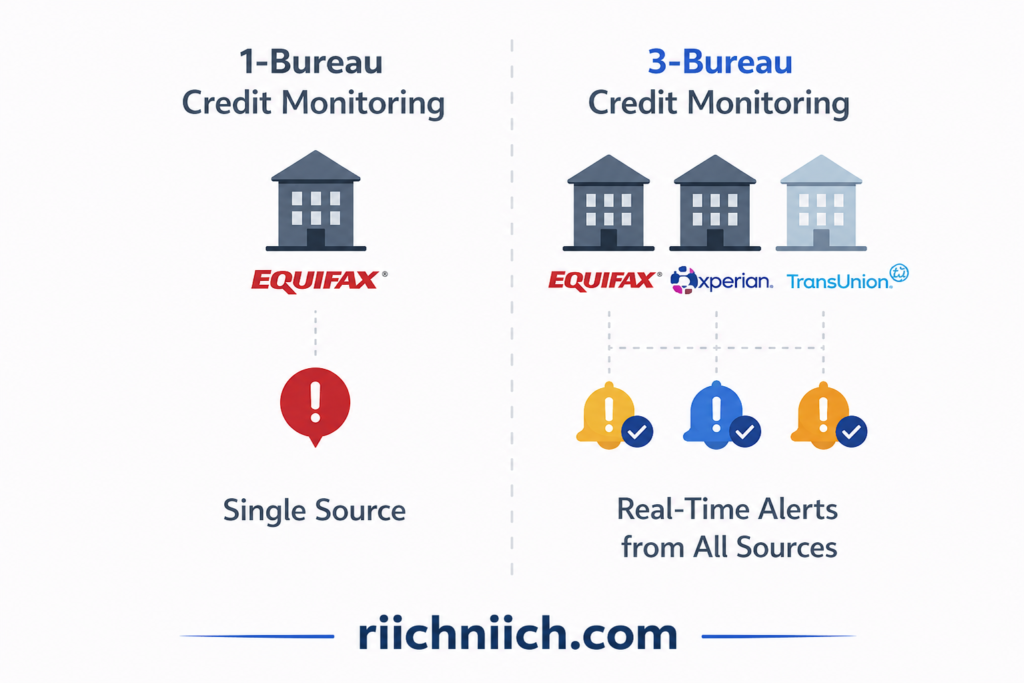
3-Bureau vs 1-Bureau Monitoring
There are three major credit bureaus in the U.S.:
- Equifax
- Experian
- TransUnion
Monitoring all three gives you earlier visibility into fraud because identity thieves may target one bureau first.
Aura’s Credit Monitoring
Aura typically includes 3-bureau credit monitoring on most of its plans. That means you’re watching all reported credit files simultaneously rather than just one.
This can lead to:
- Faster alerts on suspicious activity
- Fewer blind spots in your monitoring coverage
For buyers who want comprehensive monitoring without upgrading to the highest tier, Aura’s 3-bureau coverage can be a major advantage.
LifeLock’s Credit Monitoring
LifeLock includes credit monitoring too — but the number of bureaus monitored depends on the plan tier.
Typically:
- Base tier plans monitor 1 bureau
- Higher tier plans offer 3-bureau monitoring
For some buyers, this tiering means you’ll need to pay more to get the same level of monitoring that Aura includes earlier in its plan lineup.
Before purchasing, always verify which bureau is monitored at each price point.
Alert Speed Matters
Monitoring is only useful if you get alerts quickly.
Both Aura and LifeLock send alerts when activity is detected, but:
- Alert timing can vary by plan
- Some alerts may be delayed until daily or periodic checks
- True “real-time” alerts depend on how often the service queries your reports
The Federal Trade Commission (FTC) highlights that quick action is key if fraud happens — especially on new accounts opened without your knowledge.
Which Is Stronger for Most Buyers?
Here’s a practical takeaway for buyer intent readers:
✔ If you want comprehensive coverage from day one, Aura’s standard 3-bureau monitoring tends to offer broader visibility without requiring the highest plan.
✔ If you’re okay starting with single-bureau monitoring and upgrading later, LifeLock gives you flexibility — but potentially at a higher annual cost for full coverage.
In the next section, we’ll examine how both services handle dark web monitoring and identity tracking, which is another key layer of proactive protection.
Dark Web Monitoring & Identity Tracking
When comparing Aura vs LifeLock, understanding how each company handles dark web monitoring and identity tracking is critical — especially for buyers who want proactive protection before identity theft hits their credit.
Dark web monitoring scans underground forums and data broker sites where stolen personal information is often traded. Identity tracking goes beyond your credit report and looks for misuse of sensitive data like:
- Social Security numbers
- Email addresses
- Bank account numbers
- Passport IDs
- Driver’s license numbers
How Aura Handles Dark Web Monitoring
Aura continuously scans multiple sources where stolen personal data might appear. This includes thousands of forums, marketplaces, and databases that conventional monitoring services can’t access.
Key points:
- Comprehensive identifier tracking — Email addresses, SSNs, debit/credit card numbers, and more
- Real-time alerts — You’re notified when a match appears, giving you time to act
- Cross-device tracking — Aura tracks identifiers across devices and accounts
For buyers who want high visibility on potential identity threats before they hit your finances, Aura’s approach emphasizes early detection over reactive alerts.
How LifeLock Handles Dark Web Monitoring
LifeLock also includes dark web scanning in nearly all of its plans. LifeLock’s technology looks for compromised information across underground data repositories — a necessary layer of protection in today’s threat landscape.
Key points:
- Identifier scanning — SSNs, email addresses, and financial data
- Alerting system — Notifications when your information is detected
- Integration with overall monitoring — Scans tie into broader identity alerting
Live examples of dark web tracking show that previously stolen credentials often resurface before related financial loss occurs.
Identity Tracking Beyond the Dark Web
Both Aura and LifeLock extend monitoring beyond just dark web scanning:
- Credential monitoring — Watches for leaked usernames and passwords
- Account takeover indicators — Alerts if login credentials are posted or traded
- Personal data matching — Scans for data that matches your personal profiles
This helps catch early signs of identity misuse even before fraudulent charges appear on your accounts or credit report.
Buyer’s Checklist: Monitoring Depth and Response
When comparing Aura vs LifeLock for identity tracking, consider:
- How many data sources are scanned? The broader the net, the better the detection.
- How quickly are alerts delivered? Immediate alerts give you time to act.
- What personal identifiers are covered? More coverage means fewer blind spots.
- How actionable are the alerts? Clear next steps make it easier to respond to threats.
Which Is Better for Most Buyers?
- Aura tends to emphasize a wider scan net with robust identifiers — appealing to buyers who prioritize early detection.
- LifeLock offers solid dark web scanning integrated with its other monitoring tools — often benefiting those who want everything consolidated in one ecosystem, especially if they already use Norton products.
Both systems are strong, but the slight edge for buyers focused specifically on early identity compromise detection often goes to Aura’s broader identifier scanning.
Why Aura is the better choice for most people:
It combines identity protection, credit monitoring, and cyber-security tools into one platform — without requiring multiple upgrades.
👉 See everything Aura includes here!
Next up, we’ll compare how each handles identity theft insurance and reimbursement coverage, which matters a lot once an incident actually happens.
Identity Theft Insurance Comparison
One of the most important sections in an Aura vs LifeLock comparison is identity theft insurance — because this is the part that reimburses you for financial losses and helping costs if fraud actually happens.
Identity theft insurance doesn’t prevent theft, but it helps protect your wallet and peace of mind after the fact.
What Does Identity Theft Insurance Cover?
Most identity theft insurance policies are designed to reimburse you for:
- Lost wages due to time spent resolving identity issues
- Legal fees related to identity restoration
- Costs to replace IDs and documents
- Certain out-of-pocket fraudulent charges (plan dependent)
The exact coverage limits and definitions vary by provider and plan. For a general overview of how identity theft insurance works and what it typically covers, the Federal Trade Commission (FTC) provides a solid resource.
Now, let’s look at how Aura vs LifeLock handles this critical feature.
Aura’s Identity Theft Insurance
Aura includes identity theft insurance with many of its plans. This insurance commonly provides:
- Up to $1 million in coverage per adult
- Reimbursement for eligible out-of-pocket losses
- Costs related to restoration (e.g., attorney fees, lost wages)
Aura’s insurance typically kicks in once a covered identity event is verified. Because coverage amounts and specific reimbursements can vary by plan, always read the latest policy terms during signup.
LifeLock’s Identity Theft Insurance
LifeLock also offers identity theft insurance — but with a slightly different structure.
Depending on the plan tier:
- Basic plans include some reimbursement
- Advanced plans have higher stolen funds reimbursement limits
- Insurance coverage is often presented as part of a broader Norton 360 bundle
LifeLock’s coverage usually includes up to $1 million in identity theft insurance for eligible expenses. In some tiers, it also includes higher levels of stolen funds reimbursement, which can be useful if fraud results in direct financial loss.
Key Differences to Know
When comparing Aura vs LifeLock for identity theft insurance, buyers should focus on three main questions:
1. What is the coverage limit?
Both providers generally offer up to $1 million, but how that limit is structured and what it applies to can vary.
2. Does the plan reimburse stolen funds or just related costs?
LifeLock’s premium plans often include higher stolen funds reimbursement in addition to standard coverage for costs like legal fees and lost wages.
3. How easy is the claims process?
Real-world experience varies, but both services include dedicated restoration specialists to assist with claims.
Do You Really Need Identity Theft Insurance?
If you store personal details online, have loans or credit cards, or engage in frequent financial transactions, insurance matters.
According to Javelin Strategy & Research, identity fraud losses in the U.S. reached tens of billions of dollars in recent years, emphasizing the value of protection beyond alerts.
Without reimbursement support, you could be responsible for paying for:
- Attorney and documentation costs
- Lost wages while resolving issues
- Fraudulent charges not covered by bank guarantees
In that context, the insurance component of your identity protection service becomes a financial safety net, not just an add-on.
Quick Takeaway for Buyers
✔ If you want straightforward high coverage, both Aura and LifeLock meet the $1M benchmark.
✔ If stolen funds reimbursement matters most, don’t assume every plan includes it — especially at lower LifeLock tiers.
✔ Always read the fine print on exclusions and required documentation before signing up.
In the next section, we’ll take a look at how Aura and LifeLock compare when it comes to family plans and overall value for households.
Family Plans: Which Offers Better Value?
For many buyers comparing Aura vs LifeLock, the family plan structure is a make-or-break decision. If you’re protecting more than one adult or want to include children, family pricing and coverage limits dramatically impact the total cost and value you receive.
Let’s break down what each service offers, how they differ, and which plan gives better value for most families in 2026.
Overview: Why Family Plans Matter
Children and other family members are often more vulnerable to identity theft because their credit activity is typically nonexistent — meaning fraudulent accounts or misuse can go undetected for years. According to fraud prevention experts, child identity theft is one of the fastest-growing types of fraud precisely because it often goes unnoticed.
A robust family plan should provide:
- Monitoring for all covered adults and children
- Alerts for Social Security number misuse
- Credit monitoring (including children’s credit where available)
- Insurance coverage for identity fraud costs
- Easy management of multiple profiles
Now let’s see how Aura vs LifeLock compare here.
How Aura’s Family Plans Work
Aura’s family offerings are built with households in mind — whether that’s a couple, a blended family, or a parent with kids.
Key points:
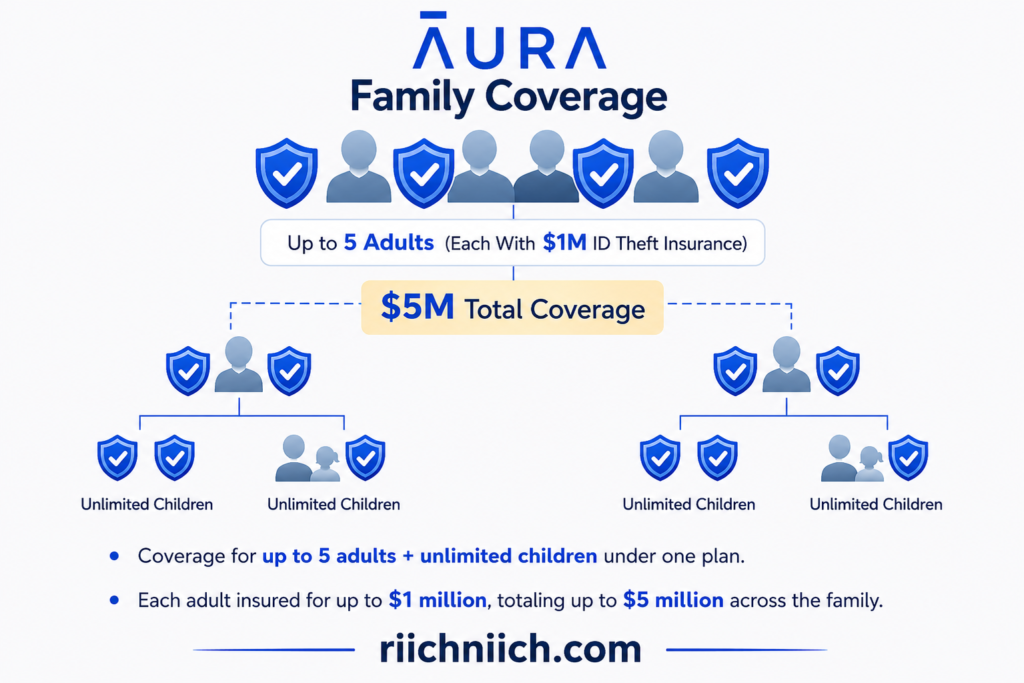
- Coverage typically allows up to five adults and unlimited children under one plan.
- Each adult is backed by identity theft insurance (often up to $1M per adult), which can total up to $5 million across the family.
- Children’s Social Security numbers are monitored for misuse.
- Some plans include parental controls and digital safety tools that help protect kids’ online presence (e.g., content filtering, cyber-bullying alerts).
- Centralized dashboard makes it easy to manage multiple members.
Because children rarely generate a credit history, this kind of monitoring can catch abuse early, preventing long-term damage.
How LifeLock’s Family Plans Work
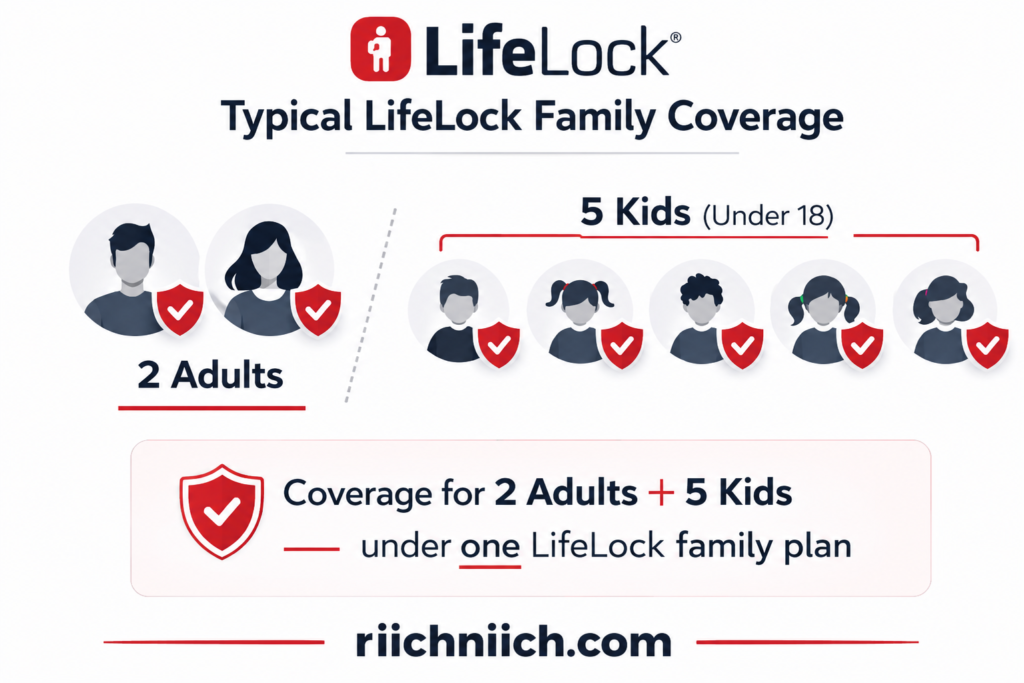
LifeLock offers family plan options as well — typically structured around:
- Plans for two adults, or
- Plans for two adults + up to five children.
Here’s what you get:
- Social Security number monitoring for both adults and covered children.
- Alerts for misuse of personal information.
- Identity restoration support and insurance across covered members.
- Ability to enroll additional adults or dependents with plan upgrades.
LifeLock’s family plans are typically tiered by feature level (e.g., Standard vs Ultimate Plus) and may include bundled digital security tools when paired with Norton 360 protection.
Family Value Comparison: Aura vs LifeLock
Here’s how the two compare on key family plan criteria:
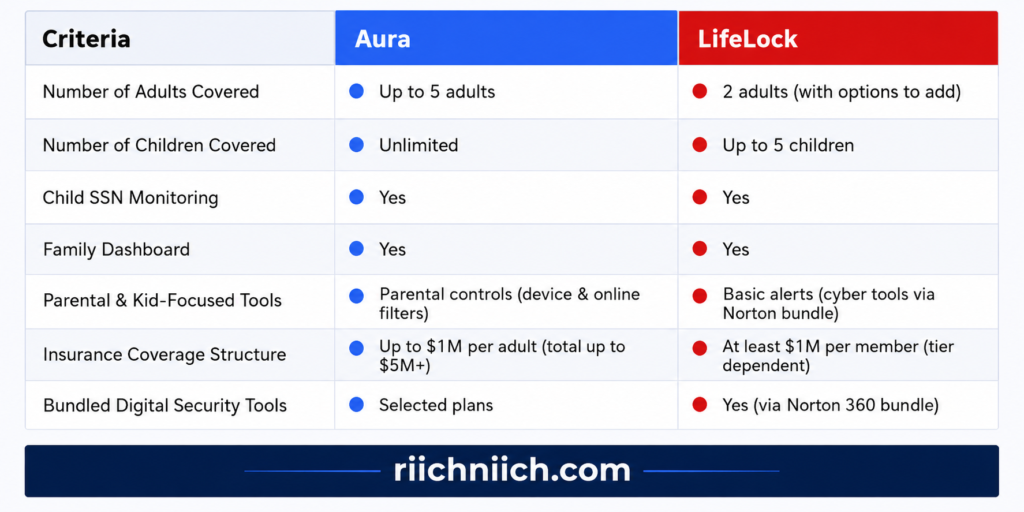
Based on this breakdown:
- Aura tends to offer broader quantity of coverage per family unit — especially if you have more than two adults or more than five children.
- LifeLock focuses coverage on smaller family units but often adds device and antivirus protection through bundled Norton products.
Quick Buyer Takeaways
✔ Best for large families: If you want protection that scales to five adults and unlimited children, Aura usually offers better value and less administrative hassle.
✔ Best for parents who want bundled digital security: LifeLock can be a strong contender when bundled with Norton 360, adding malware protection and VPNs — but it often comes at a higher price.
✔ Child monitoring matters: Because kid ID theft can go undetected for years, plans that actively monitor children’s Social Security numbers are highly recommended (and both providers offer this in family tiers).
In the next section, we’ll break down pricing comparisons for Aura vs LifeLock in 2026 so you can see which option gives the best value for your budget.
Pricing Breakdown in 2026
When comparing Aura vs LifeLock from a buyer’s perspective, pricing isn’t just about the dollar amount — it’s about what you’re getting for that investment. A cheaper plan with fewer features may cost you more in the long run if it doesn’t include the protections you actually need.
Here’s a clear breakdown of current pricing trends in 2026 so you can decide which service offers better value per dollar.
How Aura’s Pricing Works
Aura keeps its pricing relatively straightforward with predictable tiers — and many plans include identity protection bundled with digital security tools. According to Aura’s official pricing page:
- Individual Plan: Around ~$15/mo (about $144/yr)
- Couple Plan: Around ~$22/mo (~$264/yr)
- Family Plan: Around ~$32/mo (~$384/yr) covering up to five adults + unlimited children
Aura also often offers a 14-day free trial on select plans and a 60-day money-back guarantee if paid annually.
What you get included (all plans):
✔ Three-bureau credit monitoring
✔ Dark web and identity tracking
✔ Identity theft insurance (typically up to $1M per adult)
✔ Identity restoration support
✔ VPN, antivirus, password manager, digital vault
Because the core monitoring and security tools are included on every tier, buyers don’t have to “upgrade” just to get essential protections — it’s baked into the pricing.
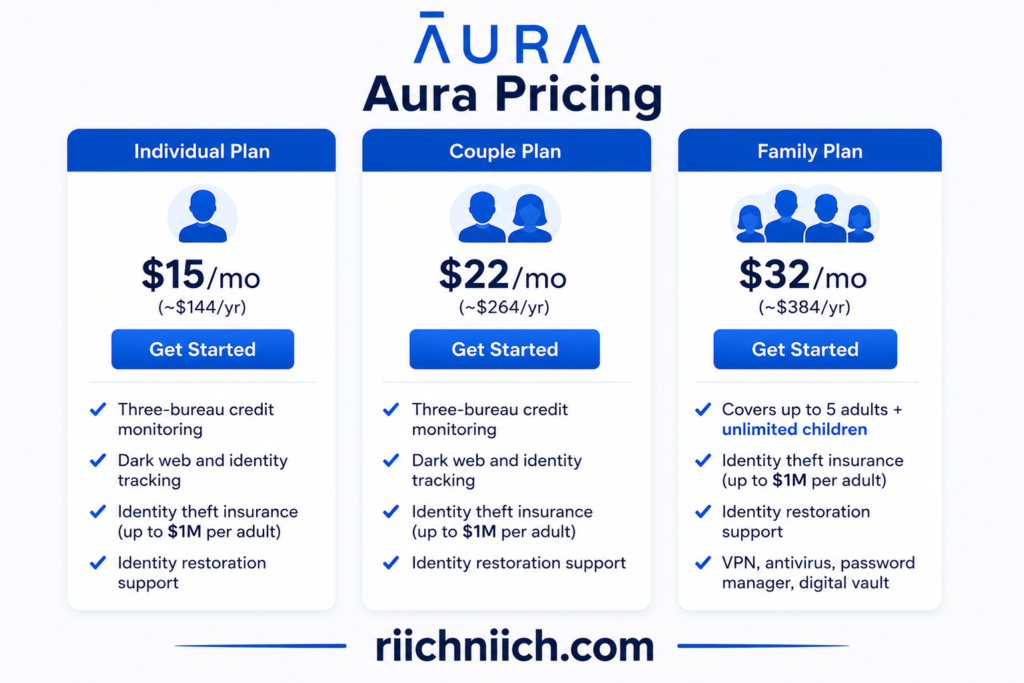
🚨 All prices in this blog and the images are subject to change so they may not be accurate when you first see them here. Click the link buttons at the bottom of this blog for accuracy.
How LifeLock’s Pricing Works
LifeLock uses a tiered pricing structure where higher service levels unlock broader protection and higher insurance limits. According to current plan listings:
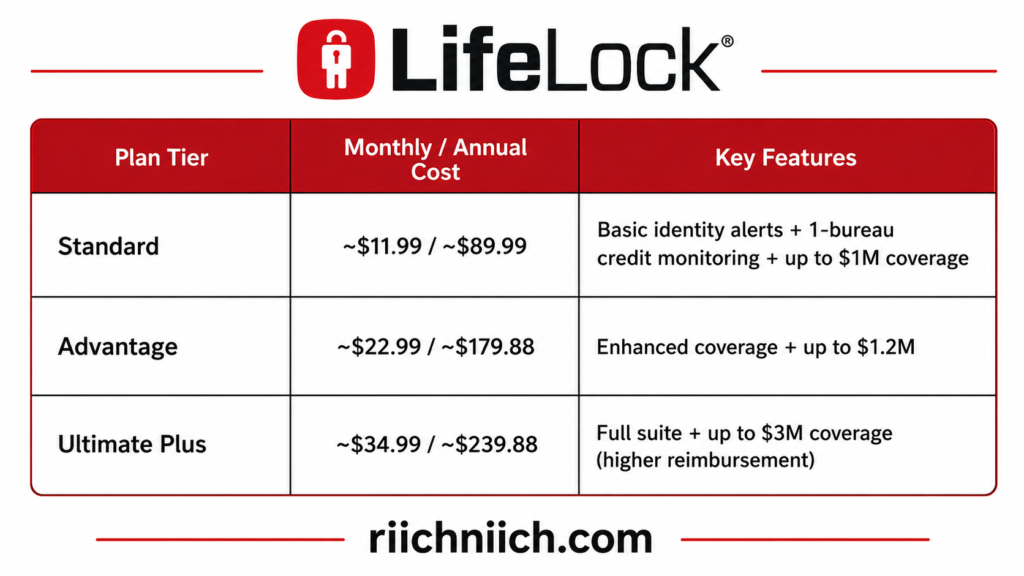
LifeLock also has pricing for couples or family coverage — for example, family plans with 2 adults + up to 5 kids priced somewhere around ~$35.99/mo on Standard up to ~$79.99/mo on Ultimate Plus.
Some LifeLock offerings also include very basic dark web monitoring for as low as $4.99/month, though that plan doesn’t include credit monitoring or full identity protection.
Pricing Comparison: Aura vs LifeLock
Here’s how the two services compare at a glance:
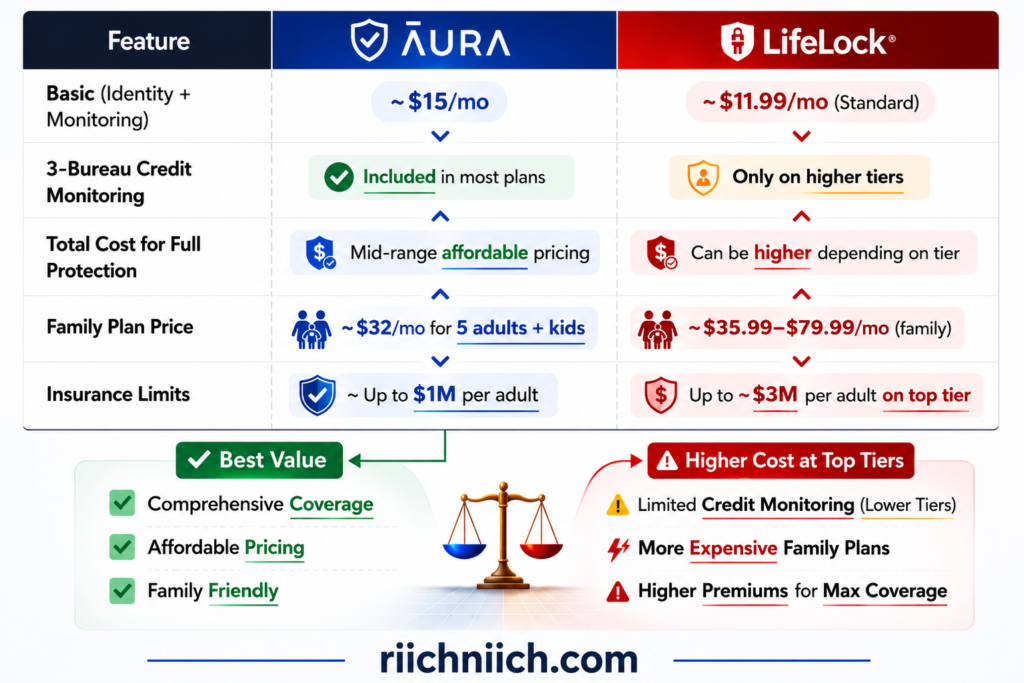
⚠ Buyers should also note that promo pricing often applies for the first year only, and renewal rates may be higher — especially with LifeLock. It’s common for introductory pricing to increase in year two, so always check the renewal cost before committing.
What the Pricing Really Means for Buyers
Here are a few key buyer-intent takeaways:
✔ Predictability vs Tiered Upsells: Aura’s pricing is more predictable and includes comprehensive features across tiers. LifeLock requires upgrades to unlock the most robust coverage, which can significantly increase cost.
✔ Value Per Feature: For buyers who want all core protections included without upsells, Aura tends to deliver more features at a mid-range price.
✔ Premium Coverage: If maximum reimbursement limits and premium perks matter most — and price is less of a concern — LifeLock’s top tier can offer higher totals of identity theft insurance and specialized alerts.
When you’re budgeting for identity protection, always compare total yearly costs and what’s included — not just the headline monthly prices. In the next sections, we’ll go deeper into usability and support — another big part of the customer experience with Aura vs LifeLock.
Ease of Use & Mobile App Experience
When choosing between Aura vs LifeLock, ease of use and mobile app experience are important — especially for buyers who want a solution that’s simple to manage daily.
After all, identity protection only works if you actually use it. A clear interface, intuitive dashboards, and fast navigation matter just as much as monitoring and insurance.
Why User Experience Matters
Identity protection tools can be complex — they monitor dozens of data points, alert you to threats, and help you resolve fraud.
That’s why buyer-focused reviewers and tech analysts often emphasize usability alongside technical capabilities. According to PCMag, a strong interface is key to quickly interpreting alerts and acting on them.
The goal is clarity, not complication.
Aura: Clean Dashboard & Modern App
Many buyers choose Aura because of its streamlined interface and ease of navigation across devices.
Key usability highlights:
✔ Unified dashboard: Credit monitoring, identity alerts, dark web scanning, and device security tools are all accessible in one place.
✔ Mobile-first design: The Aura app prioritizes simplicity while still displaying alerts, recommendations, and status at a glance.
✔ Clear action steps: When an alert appears, the app guides you through what it means and recommended next steps.
Users often report that the Aura mobile experience is less cluttered and more intuitive than some older platforms that feel text-heavy or confusing.
LifeLock: Functional with a Learning Curve
LifeLock’s app — often accessed through the Norton 360 app ecosystem — is functional and feature-rich, but it can feel more complex for first-time users.
LifeLock app experience:
✔ Integrated with Norton 360: Alerts and monitoring tie into antivirus, VPN, and device protection dashboards.
✔ Detailed alerts: If you want lots of data for each alert, LifeLock provides it.
✔ Multi-tool interface: Because it combines many products under one app, some buyers find the navigation less focused.
For buyers already using Norton 360 for antivirus and VPN services, LifeLock’s app feels more like a consolidated hub. But if you want a laser-focused identity protection experience, some reviewers note that LifeLock can feel like “a lot happening at once.”
Mobile Alerts & Real-Time Notifications
Both Aura and LifeLock emphasize mobile alerts, but how those alerts are presented matters:
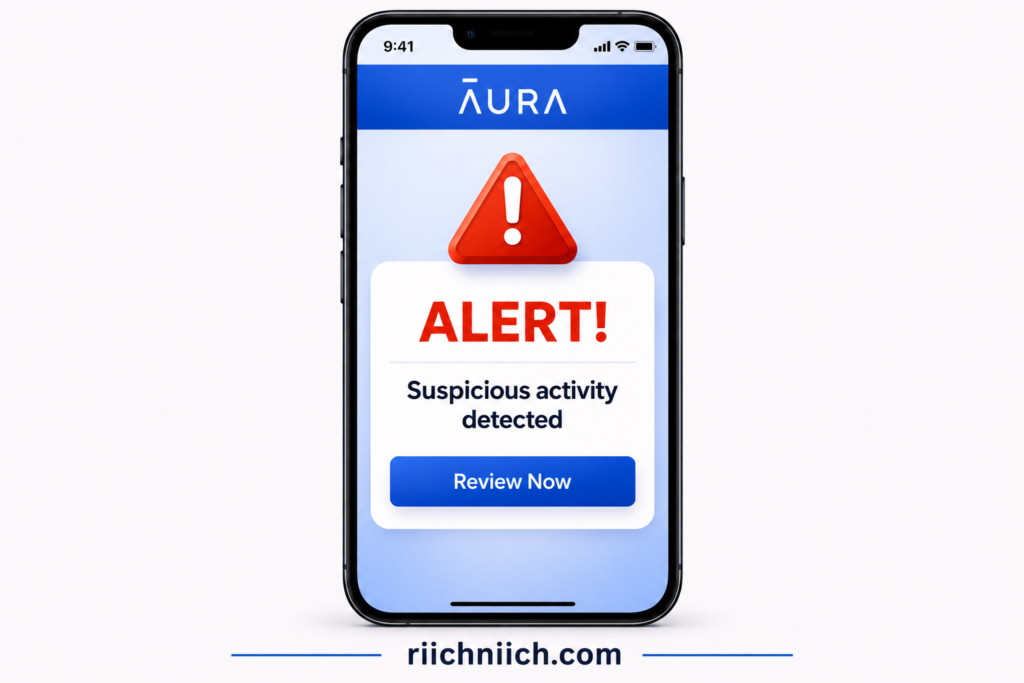
- Aura tends to show concise alerts with action prompts that help buyers take the next step (freeze a card, update a password, etc.).
- LifeLock may include more detailed data in alerts, which some users appreciate, but it can feel overwhelming if you’re not security-savvy.
For buyers who just want clear steps when something matters, Aura’s alert formatting is often easier to digest on the go.
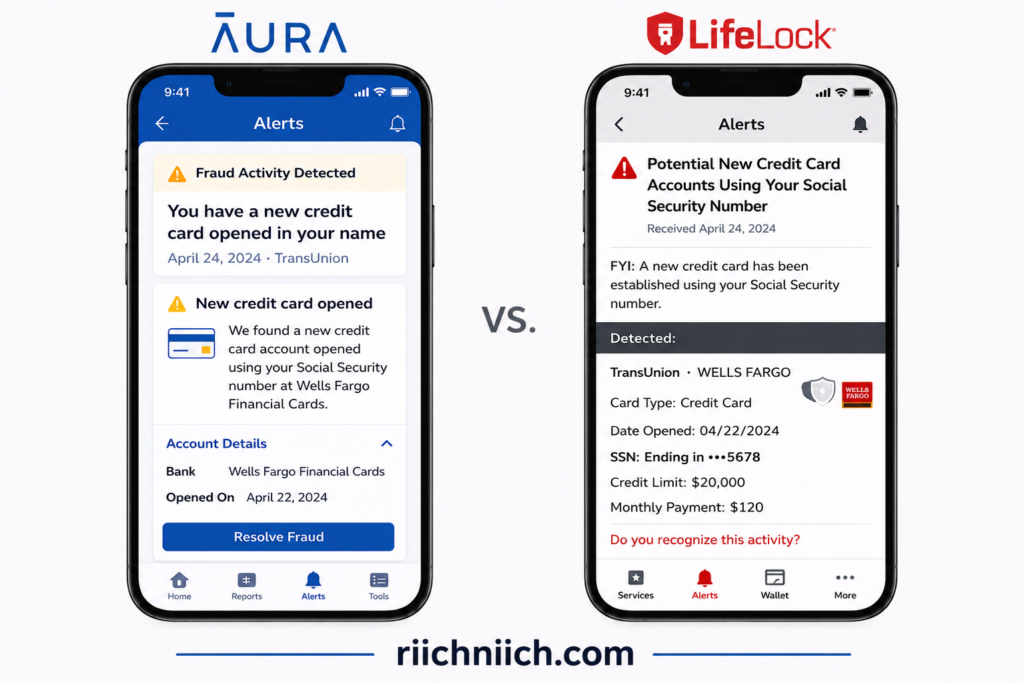
Which Is Better for Most Buyers?
Here’s a quick buyer-intent summary:
✔ Best for simplicity & clarity: Aura — if you want an intuitive dashboard and fast, actionable mobile alerts without digging through menus.
✔ Best for detailed info & tool integration: LifeLock — if you appreciate in-depth alert detail and already use other Norton tools.
Both platforms are strong from a usability standpoint, but the learning curve and interface focus differ — so your preference depends on how much detail you want vs how quickly you want to act.
Next up, we’ll compare customer support and identity restoration services, another key factor that influences satisfaction after a fraud event.
Customer Support & Identity Restoration Services
When choosing between Aura vs LifeLock, customer support and identity restoration services are more than just perks — they’re essential components for buyers who want real help when identity theft actually happens.
Alerts and monitoring are proactive. But support and restoration are reactive services that help you clean up fraud, disputes, lost money, and legal headaches. That’s where real value is often realized.
Let’s see how Aura and LifeLock stack up.
Aura: Dedicated Support & Restoration
Aura provides identity restoration specialists who assist when your personal information is misused — including documented fraudulent activity on credit reports, bank accounts, or government IDs.
Key support features:
- U.S.-based support team for identity restoration
- Clear guidance on next steps after a match or alert
- Help with disputes, account freezes, and police reports
- Restoration tracking through Aura’s dashboard
- Support via phone, email, and in-app help
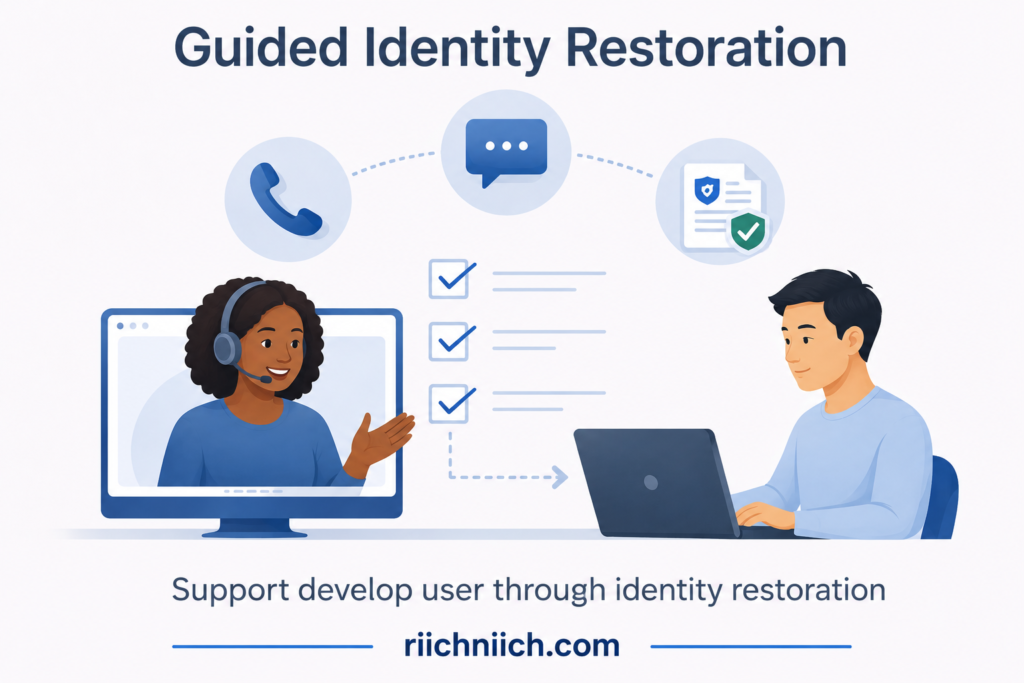
Aura’s model is built to be support-forward, meaning that if you’re overwhelmed by alerts or aren’t sure what to do next, you’ll get hands-on help to fix the issue instead of just a notification.
Independent reviewers often point out that true assistance, not just automated alerts, separates quality identity protection from the rest.
LifeLock: Expert Restoration + Support Network
LifeLock also provides identity restoration services backed by trained specialists. Because LifeLock is part of the Norton family, its support often extends into:
- Tiered support depending on plan level
- Dedicated restoration experts
- Help with disputes, fraud letters, and credit bureau contact
- Some plans include higher levels of stolen funds reimbursement support
- Phone and online chat support
LifeLock’s identity support tends to be comprehensive, especially on higher tier plans — but buyers should note that restoration responsiveness and level of support may vary depending on plan tier and current support demand.
Consumer feedback platforms note that prompt access to human specialists — rather than automated email chains — is a big factor in satisfaction with identity protection services:
What Restoration Support Actually Does
Identity restoration specialists help with:
🔹 Notifying credit bureaus about fraud
🔹 Filing fraud reports with police or FTC
🔹 Coordinating with banks and creditors
🔹 Replacing stolen IDs and documents
🔹 Assisting with legal letters and documentation
Think of them as your identity safety net team when something goes wrong.
The FTC describes this as a critical service because identity theft often involves multiple institutions — credit card companies, government agencies, banks, and reporting services — all of which can be complex to navigate alone.
Buyer Takeaways: Who Wins Support & Restoration?
Here’s how Aura vs LifeLock compare from a buyer perspective:
✔ Aura: Highly rated for clarity, step-by-step guidance, and support ease. Great if you want guided help with every step from alert to resolution.
✔ LifeLock: Solid, experienced restoration teams — especially on higher tiers. Best for buyers who value deep, plan-tier-driven support options (even if that means paying more).
Both services provide access to human specialists — which is essential — but the structure and responsiveness can vary. For many buyers, having consistent, guided support (not just alerts) is the feature they notice most when fraud actually happens.
In the next sections, we’ll break down the pros and cons of each provider so you can quickly weigh the differences before making your final decision in the Aura vs LifeLock comparison.
Pros and Cons of Aura
When you’re evaluating Aura vs LifeLock, understanding the strengths and weaknesses of Aura helps you decide whether it fits your needs — especially if you’re ready to make a purchase.
Here’s a clear, buyer-focused breakdown that highlights what Aura does well and where it may fall short.
✅ Pros of Aura
1. Comprehensive 3-Bureau Credit Monitoring Included
Most Aura plans include full credit monitoring across all three major credit bureaus (Equifax, Experian, TransUnion). This means you’re watching a complete picture of your credit activity without having to upgrade.
Many competitors only offer one-bureau monitoring at entry levels.
2. Wide Dark Web & Identity Tracking
Aura’s dark web scanning extends to multiple personal identifiers, such as emails, Social Security numbers, and bank account numbers. Early detection can help prevent fraud before it hits your finances — which aligns with what cyber-security experts recommend for proactive identity defense.
3. Strong Family Coverage Options
Aura allows protection for multiple adults (up to five) and often comes with unlimited child monitoring on family plans. That makes it a popular choice for households seeking broad coverage without paying per adult.
For a deeper look at protecting children and multi-member households, see our guide on the Best Identity Theft Protection for Families
4. Straightforward Pricing Structure
Aura’s pricing is easier to compare because core protections are included at lower tiers, and you won’t need to upgrade just to get essential coverage like full credit monitoring or identity tracking.
5. User-Friendly Interface & Alerts
Aura’s dashboard (desktop and mobile) is designed for easy navigation, so alerts and recommended actions are simple to understand even if you’re not security-savvy.
6. Useful Bonus Digital Security Tools
Some Aura plans include extras like VPN, antivirus, password manager, and data breach risk reports — offering more than just identity monitoring.
⚠ Cons of Aura
1. Insurance Limits Vary by Plan
While many plans include identity theft insurance up to $1 million per adult, the way coverage is structured and limits applied can vary. Buyers with unique risk profiles should carefully read policy terms.
2. Fewer Long-Term Brand Recognition & Legacy Users
Compared to LifeLock (a brand many consumers recognize from long-running national advertising), Aura is relatively newer — which may make some buyers less familiar with it at first glance.
3. Restoration Support May Vary by Issue Type
While Aura’s identity restoration team assists with most fraud scenarios, some buyers prefer the highest tier support programs that LifeLock occasionally emphasizes in its top plans. It’s important to verify what support scope your specific plan includes.
4. Not All Protection Tools Are on Every Tier
Some bonus features (like VPN or advanced device tools) are only available on certain plans, so if you want everything Aura offers, you’ll want to compare tiers carefully.
Quick Buyer Summary
Here’s what most buyers notice when comparing Aura vs LifeLock:
✔ Best if you want:
- Easy-to-understand plans
- Full credit monitoring included early
- Strong family coverage
- Proactive identity tracking
⚠ Consider alternatives if you want:
- Heavy brand legacy trust
- Maximum stolen fund reimbursement on higher tiers
- A bundled antivirus + identity package under one legacy brand ecosystem
Aura is especially compelling for buyers seeking broad coverage at a mid-range price with strong family protection and simple, actionable alert navigation.
In the next section, we’ll do the same breakdown for LifeLock so you can compare both sides before making your final choice.
Pros and Cons of LifeLock
When evaluating Aura vs LifeLock, it’s important to look at the strengths and weaknesses of LifeLock from a buyer’s perspective. This helps you decide whether its features, pricing, and services align with your protection needs.
✅ Pros of LifeLock
1. Strong Brand Recognition and Trust
LifeLock is one of the most recognizable names in identity theft protection, partly because it’s been in the market longer than many competitors. Many buyers feel more confident choosing a well-known brand when protecting their personal and financial information.
2. Integration With Norton 360 Security Tools
LifeLock plans are often bundled with Norton 360 tools, which include antivirus protection, VPN, and device security. This is valuable if you want an all-in-one digital security suite, not just identity monitoring.
3. High Reimbursement Limits on Top Tiers
Higher-tier LifeLock plans often include larger stolen funds reimbursement limits, which means if fraud results in direct financial losses, you could be eligible for greater financial support than what’s offered on basic plans. This can be an important differentiator for buyers willing to pay more for maximum coverage.
4. U.S.-Based Identity Restoration Specialists
LifeLock provides access to restoration experts based in the U.S. who can guide you through the process of resolving identity theft, contacting creditors, disputing fraudulent accounts, and restoring your credit.
5. Detailed Fraud Alerts and Reporting
LifeLock’s system provides comprehensive alert details, which can be useful for buyers who want a more granular view of what’s happening when an alert is triggered.
⚠ Cons of LifeLock
1. 3-Bureau Credit Monitoring Only on Higher Tiers
Many LifeLock plans start with single-bureau credit monitoring (usually one of the three major credit bureaus). Full 3-bureau credit monitoring — which offers broader visibility of your credit — often requires upgrading to the more expensive tiers.
2. Complex Tiered Pricing Can Be Expensive
LifeLock’s pricing structure can be confusing, and the tier you need for full protection (including 3-bureau monitoring and higher reimbursement limits) is often at a significantly higher price point than the base plan. Renewal rates can also be higher than the initial promotional pricing.
3. Family Plans May Be More Limited per Adult
While LifeLock offers family coverage, pricing increases per additional adult and can become costly for larger households compared to competitors like Aura, which often bundle more adults in a single family plan.
4. App Navigation Can Be Busy for Some Users
Because LifeLock often integrates identity protection with Norton’s broader security tools, some buyers find the app experience less focused solely on identity alerts, especially if they prefer a streamlined, identity-only interface.
5. Some Buyers Report Variable Customer Support Experiences
While LifeLock offers restoration support, user reviews suggest that satisfaction can vary depending on plan tier and current support load — meaning some customers experienced delays in reaching live specialists during peak demand periods.
Quick Buyer Summary
Here’s how buyers typically weigh LifeLock in an identity protection comparison:
✔ Best for buyers who want:
- A long-standing brand name
- Integration with antivirus & digital security tools
- Higher reimbursement limits available at premium levels
⚠ Less ideal for buyers who want:
- Simple pricing with minimal upsells
- 3-bureau monitoring included at lower price points
- A straightforward, identity-focused interface without extra cyber-security tools
In the next sections, we’ll help you decide who should choose Aura and who should choose LifeLock — so you can make your buying decision with confidence.
Who Should Choose Aura?
After comparing Aura vs LifeLock across features, pricing, monitoring, and support, many buyers naturally ask:
“Is Aura the better choice for me?”
👉 Here’s a clear, buyer-intent breakdown of who benefits most from choosing Aura in 2026.
🛡️ 1. You Want Comprehensive Protection Included Early
If you want full identity protection without upgrading repeatedly, Aura is a strong choice.
Most Aura plans include:
- 3-bureau credit monitoring
- Dark web and identity tracking
- Identity theft insurance
- Identity restoration support
Without needing to purchase the highest tier just to get core protections.
This makes Aura especially appealing for buyers who want full coverage for the price they expect.
👨👩👧👦 2. You’re Protecting a Family (Especially Multiple Adults)
Aura’s family plans are built with households in mind:
- Coverage for up to five adults
- Monitoring for children’s Social Security numbers
- Centralized dashboard to manage all accounts
This can deliver better per-member value compared with providers that charge per adult or cap protections.
According to identity protection research, child identity theft is a growing concern — often going undetected longer than adult fraud — so broad family coverage is valuable.
📲 3. You Value a Simple, Easy-to-Use Experience
Many buyers — especially non-technical users — choose Aura because:
- Dashboards are clean and intuitive
- Alerts come with clear actionable guidance
- The mobile app is easy to navigate
If you want a protection tool that doesn’t require a manual to use, Aura’s design is a major advantage.
💼 4. You Want Predictable, Transparent Pricing
Aura’s pricing structure tends to be easier to understand than heavily tiered competitors. You generally know what you’re getting without hidden upsells.
The Consumer Financial Protection Bureau warns that complex pricing can hide necessary features in higher tiers — forcing upgrades later.
Aura keeps core protections accessible without needing premium-only upgrades, making it a clear choice for budget-minded buyers who don’t want surprises.
📊 5. You Want Solid Protection Without Bundling Other Security Tools
Some identity protection companies bundle antivirus, VPN, and other digital security tools as part of their highest tiers.
While bundled tools can be nice, they can also increase cost and clutter your dashboard.
If your priority is identity protection first — rather than a full cyber-security suite — Aura gives you focused tools without forcing unnecessary add-ons.
🎯 Summary: Aura Is Ideally Suited For…
You should seriously consider Aura if you are:
✔ A buyer who wants strong identity protection without complicated tier upsells
✔ A family-focused shopper wanting coverage for multiple adults and kids
✔ Someone who values a simple, clear, easy-to-navigate app and alerts
✔ A price-conscious buyer who wants predictable value
✔ A shopper who wants identity tools first — not bundled security extras
Aura’s approach to identity protection emphasizes clarity, completeness, and usability — which makes it a compelling choice for many buyers in the 2026 identity-protection market.
In the next section, we’ll help you evaluate who should choose LifeLock so you can compare both outcomes before deciding.
Who Should Choose LifeLock?
After analyzing Aura vs LifeLock across features, pricing, monitoring, and support, many buyers ask:
“Is LifeLock the better choice for me?”
Here’s a clear, buyer-intent breakdown of the types of users who benefit most from choosing LifeLock in 2026.
🛡️ 1. You Prefer a Trusted, Long-Standing Brand
LifeLock is one of the most recognized names in identity theft protection — with years of presence in the U.S. market. For buyers who prioritize brand familiarity and established reputation, LifeLock often feels like a safer choice.
Brand trust matters in “big decision” purchases; according to consumer research, well-known brands can influence buyer confidence for services tied to financial and personal security. (Source: Nielsen Consumer Trust study)
🔐 2. You Want Identity Protection Plus Full Cyber-security Tools
LifeLock is tightly integrated with Norton 360 products — so if you want identity protection bundled with antivirus, VPN, and device security, LifeLock can deliver a more complete digital security suite under one subscription.
This is especially valuable if you already use Norton products, or if protecting your device ecosystem is as important as monitoring your identity.
💰 3. You Want Higher Reimbursement Limits on Premium Plans
LifeLock’s top-tier plans often include higher stolen funds reimbursement limits along with substantial identity theft insurance. If you’re risk-averse and want the peace of mind that comes with higher financial protection in case of loss, these premium benefits matter.
Be sure to read the specific insurance and reimbursement terms for the plan you choose — limits and coverage vary by level.
👨👩👧👦 4. You Want a Strong “All-in-One” Security Dashboard
LifeLock’s mobile app and dashboard are part of a broader Norton ecosystem, which can be helpful if you want:
✔ Identity alerts
✔ Credit monitoring
✔ Device protection
✔ VPN
✔ Antivirus
All accessible in one place.
This is less streamlined than some identity-only tools, but it’s appealing to buyers who value consolidated protection.
📈 5. You’re Willing to Pay a Bit More for Tiered Features
LifeLock uses a tiered pricing model where advanced protections — like 3-bureau credit monitoring and higher-limit reimbursements — are only included on higher price tiers.
That can feel expensive compared to simpler offerings, but buyers who want the highest level of protection available often find the premium plans worth it.
🧭 Quick Summary: Who Should Choose LifeLock
Choose LifeLock if you are:
✔ A buyer who values brand legacy and market recognition
✔ Someone who wants identity protection bundled with cyber-security tools
✔ A user interested in higher reimbursement limits at the top tier
✔ Someone who prefers a consolidated security dashboard
✔ A buyer willing to invest more for tiered advanced protections
Final Thought
While both Aura and LifeLock deliver strong identity protection, LifeLock stands out for shoppers who want deep integration with cyber-security services and higher-end coverage options — even if that means paying more for premium tiers.
If your priority is holistic digital security plus identity protection — LifeLock is a compelling contender in the Aura vs LifeLock matchup.
👉 Another alternative to consider is IdentityIQ, especially for users looking for a lower-cost identity monitoring solution.
Choose Aura if you:
✔ Want an all-in-one solution
✔ Prefer simple pricing
✔ Want strong protection without upgrades
Choose LifeLock if you:
✔ Want higher insurance coverage
✔ Prefer a well-known brand (Norton)
✔ Don’t mind paying more for premium features
In the next section, we’ll help you decide once and for all with the Final Verdict: Aura or LifeLock in 2026?
Another option to consider is Coveron, especially for users looking for a modern identity protection service with strong privacy integration.
Final Verdict: Aura vs LifeLock — Which Should You Choose?
Both Aura and LifeLock offer strong identity theft protection.
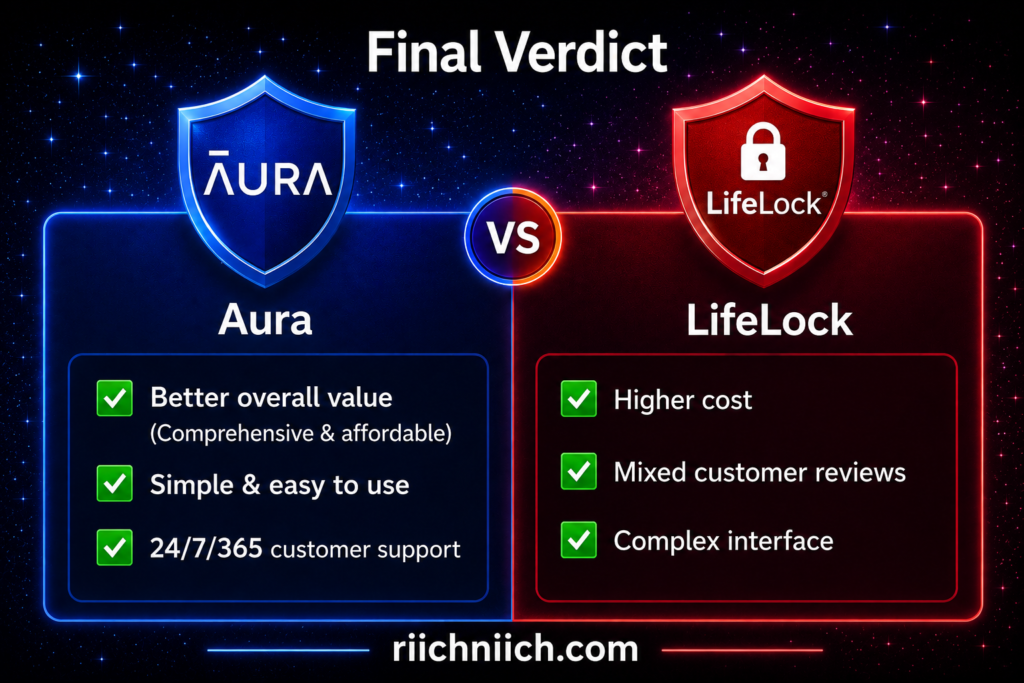
However, for most people, Aura is the better choice.
It delivers comprehensive protection, faster alerts, and better value — all without complicated pricing tiers.
If you want the simplest and most complete solution, Aura is the clear winner.
📊 Which Provider Delivers Better Overall Value?
Both Aura and LifeLock offer legitimate, effective identity protection — but they appeal to slightly different types of buyers.
Aura stands out when your priority is:
- Comprehensive coverage included early — Aura’s plans typically include 3-bureau credit monitoring and identity tracking without forcing you to upgrade repeatedly.
- Family-centric protection — with plans that cover multiple adults and children easily.
- Simplicity and clarity — an intuitive app, clear alerts, and predictable pricing.
These strengths often give Aura an edge in overall value per dollar for many buyers.
LifeLock is compelling when your priority is:
- Brand trust and integration with cyber-security tools — LifeLock works smoothly with Norton 360 antivirus, VPN, and device protection.
- Higher tier reimbursement limits — top plans can offer premium stolen funds reimbursement.
- Detailed alerting and bundled security ecosystem — if you want one platform for both identity and device protection.
🏆 Buyer-Intent Summary
Here’s how we’d distill the choice for real shoppers in 2026:
🟢 Choose Aura if you want:
✔ Broad credit monitoring included at lower tiers
✔ Easy-to-use interface and actionable alerts
✔ Strong value for family protection
✔ Core identity tools without upselling additional services
Aura delivers depth and clarity, especially for households and value–focused buyers. If you want a deeper breakdown of features, pricing tiers, and real-world performance, read our full ‘Is Aura Worth It?‘ review.
🔵 Choose LifeLock if you want:
✔ Identity protection bundled with Norton security tools
✔ Premium reimbursement limits at higher plan tiers
✔ A brand with long-standing market recognition
✔ Detailed, comprehensive alert data
LifeLock is ideal for buyers who want more than identity protection — they want it woven into a larger digital security suite.
🧠 Quick Reality Check
Identity theft protection isn’t “one size fits all.” The best choice depends on:
- How many people you’re protecting
- Whether you want bundled cyber-security tools
- How much you’re willing to pay for top-tier reimbursement limits
- If you prefer simple pricing or deep feature options
Both Aura and LifeLock are solid providers. But for many buyers — particularly families and those prioritizing affordability and clarity — 👉 Aura often delivers the best balance of protection and price in 2026.
According to recent identity fraud trend reports, proactive monitoring and early alerts are critical — so choosing a plan you’ll actually keep active matters more than picking the “most expensive” option.
🏁 Our Bottom Line
Aura — Best overall choice for broad coverage, family value, and straightforward identity protection.
LifeLock — Best for buyers who want identity tools plus integrated cyber-security and high-end protections.
Whichever you choose, ensure the plan you select matches your monitoring needs and budget — and pay close attention to renewal pricing before you commit.
Pingback: LifeLock vs Identity Guard: Which Identity Protection Service Is Better in 2026? - Riich Niich
Pingback: Best Identity Theft Protection Services for 2026 - Riich Niich
Pingback: How Identity Theft Happens (Most People Don’t Know This) - Riich Niich
Pingback: 13 Warning Signs Someone Stole Your Identity (And What To Do Immediately) - Riich Niich
Pingback: What To Do Immediately If Your Identity Is Stolen (Step-by-Step Guide) - Riich Niich
Pingback: Credit Freeze vs Credit Lock — What’s Safer? - Riich Niich
Pingback: Aura vs Experian IdentityWorks: Which Identity Protection Service Is Better in 2026? - Riich Niich
Pingback: NordVPN vs Surfshark: Which VPN Is Better in 2026? - Riich Niich
Pingback: Aura vs Identity Guard: Which Identity Theft Protection Is Better in 2026? - Riich Niich
Pingback: Is Aura Better Than Free Credit Monitoring? - Riich Niich
Pingback: How Hackers Get Your Personal Data (And How to Stop Them) - Riich Niich
Pingback: Why Insider Threats Are More Dangerous Than Hackers (Real Risks Explained) - Riich Niich
Pingback: How to Protect Yourself from Identity Theft (Step-by-Step Guide) - Riich Niich
Pingback: Coveron vs Aura - Riich Niich