


What to do immediately if your identity is stolen is a question many people ask after discovering suspicious activity on their credit report, bank account, or financial statements. Identity theft can happen quickly and the damage can escalate if the problem is not addressed right away. Criminals may use stolen personal information to open credit accounts, make purchases, or even commit tax and employment fraud.
The good news is that there are clear steps you can take to stop the fraud and begin restoring your identity. In this guide, you will learn what to do immediately if your identity is stolen, including how to secure your financial accounts, report the crime, monitor your credit, and protect yourself from future identity theft. Acting quickly can significantly reduce financial damage and help you regain control of your personal information.
🚨 Immediate Action: What To Do Right Now
If you believe your identity has been stolen, take action immediately:
- Contact your bank and credit card companies
- Place a fraud alert or credit freeze
- Report identity theft at IdentityTheft.gov
- Review your credit reports for suspicious activity
Acting quickly can help limit financial damage and prevent further fraud.
Table of Contents
How to Confirm That Your Identity Has Been Stolen
Before taking action, the first step in understanding what to do immediately if your identity is stolen is confirming that identity theft has actually occurred. Many fraud cases start with subtle warning signs that are easy to overlook. Recognizing these indicators early can help you stop criminals before they cause significant financial damage. Many victims first notice suspicious activity through warning signs such as unfamiliar accounts or unexpected charges. You can learn more in our guide 13 warning signs someone stole your identity.
Identity theft typically happens when someone gains access to personal information such as your Social Security number, bank account details, or credit card numbers. Criminals may then open new credit accounts, make purchases, or attempt to access existing financial accounts in your name.
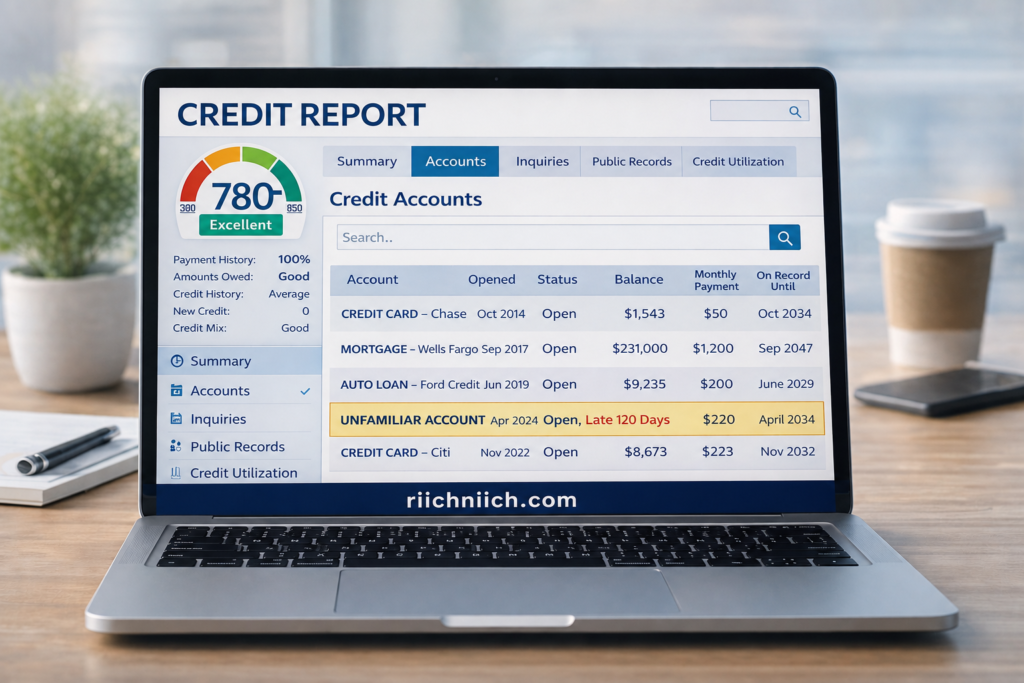
Review Your Credit Reports Carefully
One of the fastest ways to confirm identity theft is by reviewing your credit reports from the three major credit bureaus:
- Equifax
- Experian
- TransUnion
Look for warning signs such as:
- Credit accounts you do not recognize
- Hard inquiries from lenders you never contacted
- Incorrect personal information or addresses
- Unexpected balances on accounts you never opened
Consumers in the United States can obtain free credit reports through AnnualCreditReport.com, the federally authorized site that provides reports from all three credit bureaus.
Check Your Financial Statements for Unauthorized Transactions
Another critical step in confirming identity theft is reviewing recent transactions on your bank and credit card statements. Criminals often begin with small charges to test whether an account is actively monitored.
Pay close attention to:
- Small purchases from unfamiliar merchants
- Online transactions you do not recognize
- ATM withdrawals from unknown locations
- Repeated charges that appear suspicious
If you notice any unauthorized activity, contact your bank immediately to freeze or secure the account.
Watch for Unexpected Bills or Debt Collection Notices
Sometimes identity theft is discovered when victims receive bills for accounts they never opened. Criminals may use stolen identities to obtain loans, credit cards, or utility services.
Warning signs include:
- Collection calls for unfamiliar debts
- Medical bills for services you did not receive
- Utility bills from locations where you never lived
- Credit card statements addressed to you for unknown accounts
If you receive any of these notices, it is important to act quickly because they may indicate fraudulent accounts opened in your name.
Pay Attention to Security Alerts From Online Accounts
Many companies now send alerts when suspicious login activity occurs. If you receive notifications about login attempts, password resets, or new devices accessing your accounts, take them seriously.
These alerts may indicate that someone has gained access to your personal information and is attempting to take control of your accounts.
Common alerts include:
- Password reset requests you did not initiate
- Login attempts from unfamiliar locations
- Two-factor authentication codes you did not request
- Notifications of new devices connected to your accounts
If you receive these alerts, immediately change your passwords and enable additional security measures such as two-factor authentication.
Why Early Detection Matters
Confirming identity theft quickly is essential because fraud can escalate rapidly. Criminals may open multiple accounts, apply for loans, or attempt tax fraud using your Social Security number.
👉 This is why many victims choose to use identity monitoring services such as Aura or LifeLock. These services continuously monitor credit activity, financial transactions, and dark web marketplaces to detect stolen personal information early.
Early detection allows victims to respond faster and limit financial damage, which is why understanding what to do immediately if your identity is stolen begins with identifying the warning signs as soon as possible.
Freeze Your Credit Immediately to Stop New Fraud
If you are researching what to do immediately if your identity is stolen, one of the most important steps you can take is placing a credit freeze on your credit reports. A credit freeze prevents lenders from accessing your credit file, which makes it extremely difficult for criminals to open new accounts in your name.
Identity thieves often attempt to apply for credit cards, personal loans, or financing using stolen personal information. Freezing your credit stops these applications before they are approved.
What Is a Credit Freeze?
A credit freeze (also called a security freeze) restricts access to your credit report. Since lenders typically review your credit report before approving new credit, freezing your credit prevents fraudulent accounts from being opened.
According to the Federal Trade Commission (FTC), placing a credit freeze is free and does not affect your credit score. You can also temporarily lift or remove the freeze whenever you need to apply for legitimate credit.
Where to Freeze Your Credit
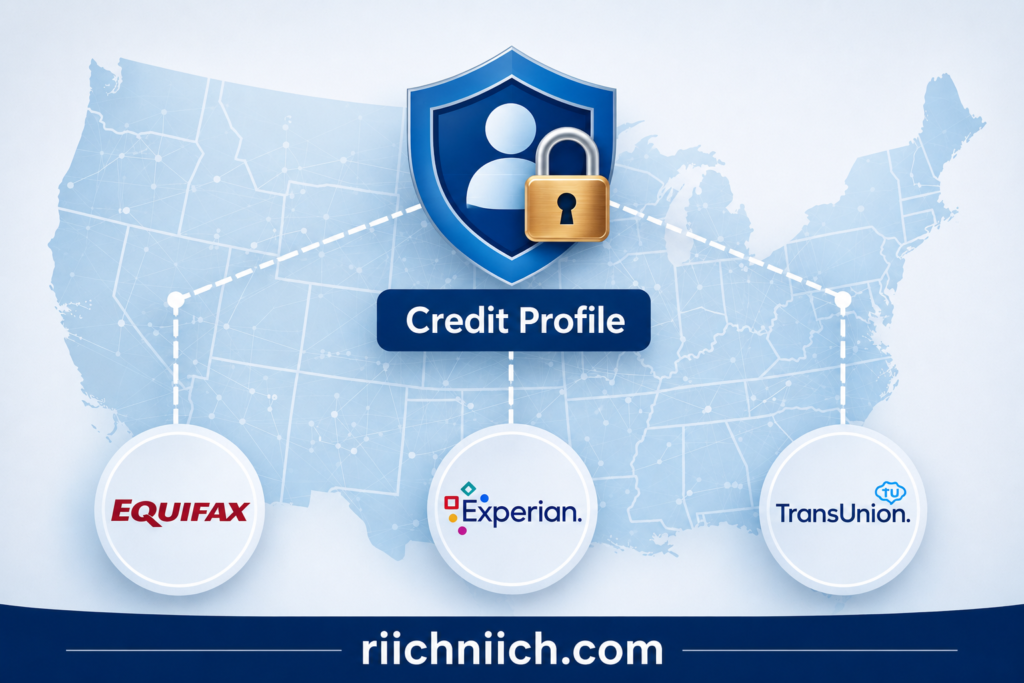
To fully protect yourself, you must place a freeze with each of the three major credit bureaus:
- Equifax
- Experian
- TransUnion
Each bureau allows you to freeze your credit online in just a few minutes.
Official credit freeze pages:
- Equifax: https://www.equifax.com/personal/credit-report-services/credit-freeze/
- Experian: https://www.experian.com/freeze/center.html
- TransUnion: https://www.transunion.com/credit-freeze
Freezing your credit with all three bureaus ensures that lenders cannot approve fraudulent credit applications.
How a Credit Freeze Protects You
When a credit freeze is active, lenders cannot access your credit report unless you temporarily lift the freeze. Because identity thieves cannot bypass this restriction easily, most fraudulent credit applications will be denied.
This step is essential when learning what to do immediately if your identity is stolen, because criminals often move quickly after obtaining personal information.
A credit freeze helps prevent:
- Fraudulent credit card applications
- Personal loans opened in your name
- Auto loans or financing fraud
- Utility accounts created using stolen identity information
Without access to your credit file, many forms of financial fraud are effectively blocked.
Credit Freeze vs Fraud Alert
Some victims also place a fraud alert on their credit file. A fraud alert notifies lenders that you may be a victim of identity theft and encourages them to verify your identity before approving credit.
However, a fraud alert does not block access to your credit report, which means some lenders may still approve applications.
A credit freeze is considered the stronger protection because it fully restricts access to your credit report.
For detailed guidance, the Federal Trade Commission provides a step-by-step identity theft recovery plan at: https://www.identitytheft.gov
Why Many Victims Use Identity Monitoring After a Credit Freeze
While a credit freeze stops new credit accounts from being opened, it does not monitor other types of fraud such as:
- bank account takeovers
- dark web exposure of personal information
- Social Security number misuse
- tax refund fraud
Because of this, many victims combine a credit freeze with identity protection services such as Aura or LifeLock. These services monitor credit activity, data breaches, and suspicious financial behavior to alert users quickly.
Using monitoring tools alongside a credit freeze provides stronger protection when deciding what to do immediately if your identity is stolen, especially during the critical first weeks after a breach.
The faster you act, the more damage you can prevent.
Report Identity Theft to the Federal Trade Commission
Another critical step in understanding what to do immediately if your identity is stolen is reporting the crime to the Federal Trade Commission. The FTC is the primary government agency in the United States that helps victims recover from identity theft and provides official documentation that can be used to dispute fraudulent accounts.
Filing an identity theft report creates a formal record of the crime and helps protect you from being held responsible for fraudulent debts.
File an Identity Theft Report at IdentityTheft.gov
The fastest way to report identity theft is through the FTC’s official recovery website:
This government site guides victims through a step-by-step recovery process. After answering a few questions about the type of fraud you experienced, the system generates a personalized recovery plan.
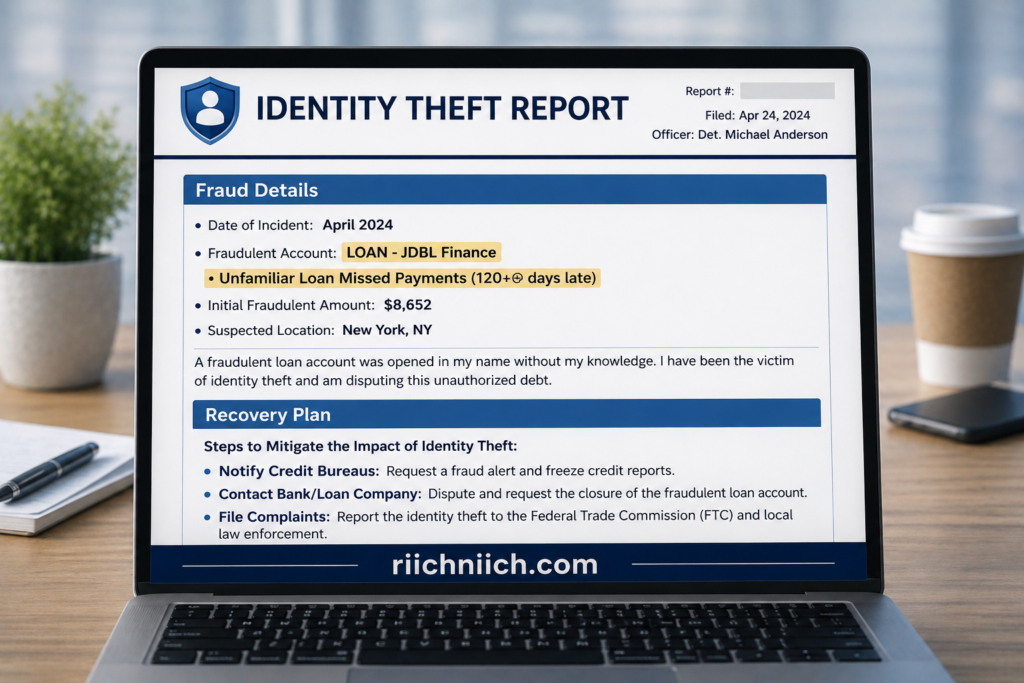
You will also receive an Identity Theft Report, which is a legal document that helps you dispute fraudulent accounts with lenders and credit bureaus.
Why the FTC Identity Theft Report Is Important
When learning what to do immediately if your identity is stolen, many victims do not realize that official documentation can significantly speed up the recovery process.
Your FTC Identity Theft Report allows you to:
- Dispute fraudulent credit accounts
- Remove incorrect information from credit reports
- Provide proof of identity theft to banks and lenders
- Support fraud investigations
Credit bureaus and financial institutions often require this report before removing fraudulent accounts from your credit history.
Information You May Need When Filing the Report
To complete your identity theft report, you may be asked to provide details such as:
- Your full name and contact information
- The type of identity theft you experienced
- Accounts or financial transactions affected
- Dates when suspicious activity occurred
- Any supporting documentation from banks or lenders
Providing accurate information helps investigators understand how your identity was misused and improves your chances of resolving the issue quickly.
Follow the FTC Recovery Plan
After submitting your report, the FTC will provide a personalized recovery plan outlining the next steps you should take. These may include contacting lenders, disputing fraudulent accounts, and monitoring your credit reports for additional suspicious activity.
The recovery plan is designed to help victims move quickly, which is essential when determining what to do immediately if your identity is stolen.
Why Many Victims Use Identity Protection Services During Recovery
Recovering from identity theft can take weeks or even months depending on how your personal information was used. During this time, criminals may continue attempting additional fraud.
👉 For this reason, many victims turn to identity monitoring services such as Aura or LifeLock. These services help detect suspicious activity quickly by monitoring credit reports, financial accounts, and dark web marketplaces where stolen personal data is often sold.
Using monitoring services alongside the FTC recovery process can provide an extra layer of protection while your identity is being restored.
Contact Your Banks and Credit Card Companies Right Away
Another critical step in understanding what to do immediately if your identity is stolen is contacting your banks and credit card companies as soon as possible. Financial institutions can quickly freeze accounts, reverse fraudulent charges, and prevent additional unauthorized transactions.
Identity thieves often move quickly once they gain access to financial information. Acting fast can significantly reduce financial losses and stop criminals before they cause further damage.
Report Suspicious Transactions Immediately
If you notice unfamiliar charges or withdrawals, contact your bank or credit card provider right away. Most financial institutions have dedicated fraud departments that can investigate suspicious activity and secure your accounts.
When speaking with your bank, be prepared to provide details such as:
- The date and amount of unauthorized transactions
- The accounts affected
- Any suspicious notifications you may have received
- Whether your debit or credit card was lost or stolen
According to the Federal Deposit Insurance Corporation, reporting fraud quickly helps limit your liability for unauthorized transactions.
Request an Immediate Account Freeze or Card Replacement
Once fraud is reported, your bank may take several protective actions to secure your accounts. These often include:
- Freezing the affected account
- Issuing new debit or credit cards
- Resetting online banking credentials
- Blocking future transactions from suspicious merchants
These measures are essential when deciding what to do immediately if your identity is stolen, because they prevent criminals from continuing to use your financial accounts.
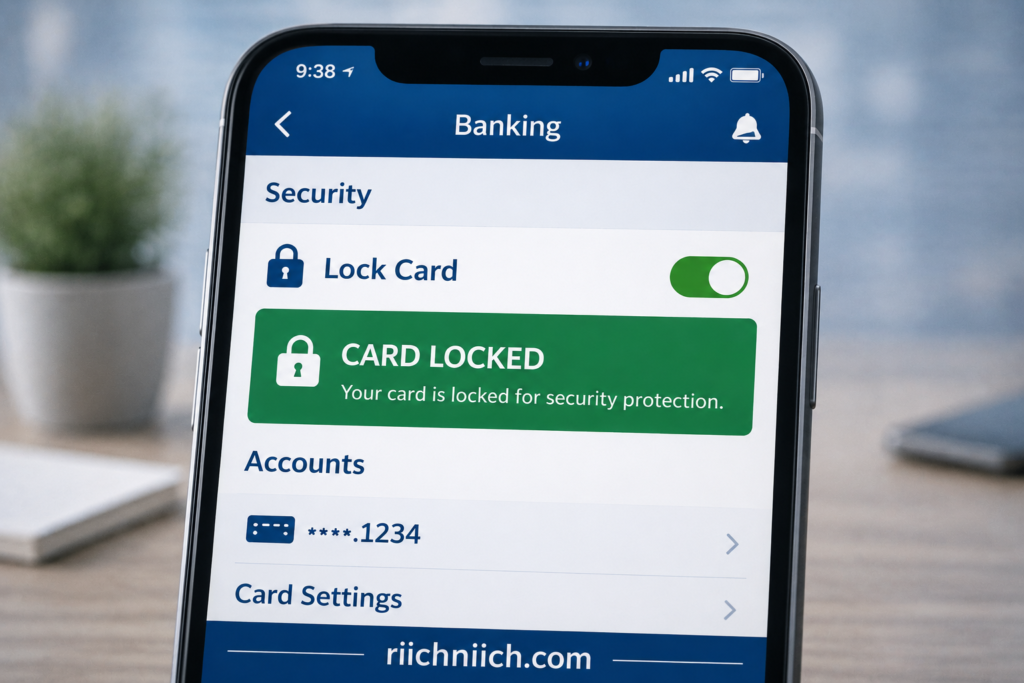
Most banks now allow customers to temporarily lock their cards through mobile banking apps as an additional security feature.
Dispute Fraudulent Charges
Consumers are often protected from unauthorized charges under federal law. The Consumer Financial Protection Bureau explains that credit card holders typically have strong protections against fraud when transactions are reported quickly.
You may need to complete a fraud dispute form or provide documentation showing that the charges were unauthorized. After reviewing your claim, the bank may remove the fraudulent charges and reimburse any lost funds.
For more information about consumer protections, visit:
https://www.consumerfinance.gov
Secure Your Online Banking Credentials
If your financial accounts were accessed during the identity theft incident, update your login credentials immediately. This includes:
- Changing your online banking passwords
- Enabling two-factor authentication (2FA)
- Reviewing connected devices or authorized users
- Removing any unfamiliar payment methods
These steps help prevent criminals from regaining access to your accounts after the initial fraud attempt.
Why Financial Monitoring Helps After Identity Theft
Even after securing your bank accounts, identity thieves may attempt additional fraud using stolen personal information. Criminals sometimes target multiple financial institutions or attempt to open new accounts over time.
👉 This is why many victims choose to use identity monitoring services such as Aura or LifeLock. These platforms monitor credit activity, financial transactions, and data breach databases to detect suspicious activity early.
Using monitoring services alongside the steps above can provide stronger protection when determining what to do immediately if your identity is stolen, especially during the recovery period after fraud occurs.
File a Police Report if Financial Fraud Has Occurred
Another important step in understanding what to do immediately if your identity is stolen is filing a police report when financial fraud has occurred. While not every identity theft case requires law enforcement involvement, a police report can strengthen your case when disputing fraudulent accounts or recovering financial losses.
Many banks, credit card companies, and lenders request official documentation before removing fraudulent debts or closing accounts opened in your name.
When You Should File a Police Report
You should consider filing a police report if identity theft has resulted in serious financial fraud, such as:
- New credit accounts opened in your name
- Loans or credit cards approved without your permission
- Bank accounts being accessed or drained
- Tax fraud involving your Social Security number
- Debt collection notices for accounts you never opened
Reporting these incidents to local law enforcement creates an official record of the crime and may help investigators track criminal activity.
What Information to Bring When Filing the Report
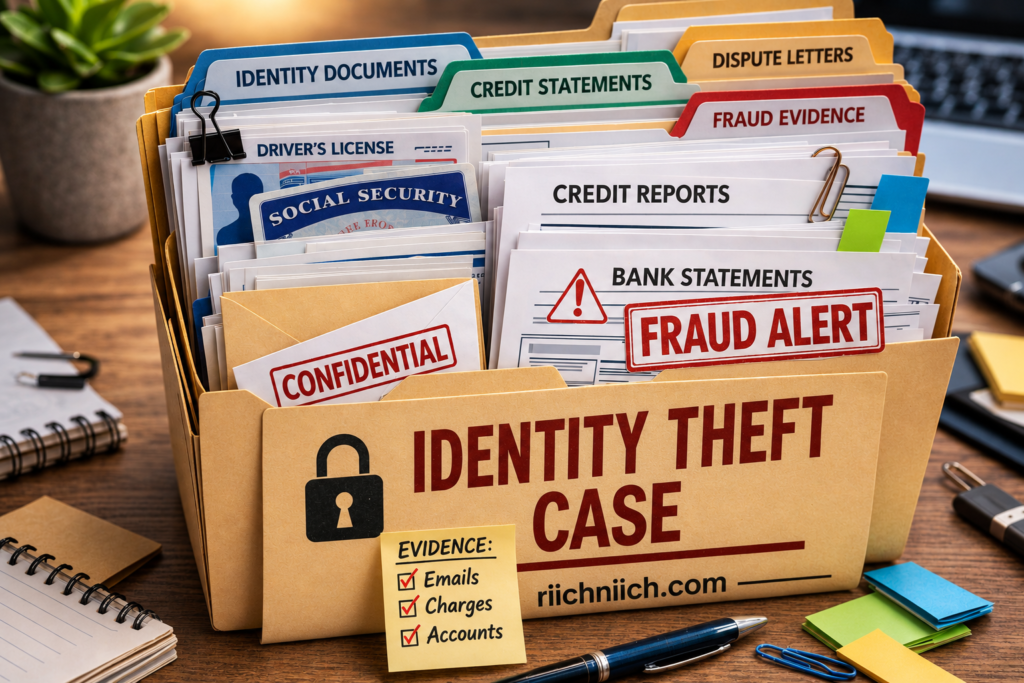
When filing a police report for identity theft, it is helpful to bring supporting documentation that proves fraud has occurred. This information helps officers document the case accurately.
You may need:
- Government-issued identification
- Copies of fraudulent credit card statements or bank transactions
- Letters from debt collectors or lenders
- A copy of your identity theft report filed with the Federal Trade Commission
- Proof of your address and contact information
Providing detailed evidence improves the chances that financial institutions will accept the police report as proof of identity theft.
How a Police Report Helps Resolve Identity Theft
A police report can strengthen your ability to dispute fraudulent accounts and prevent creditors from holding you responsible for debts created by criminals.
This documentation may help you:
- Remove fraudulent accounts from your credit report
- Prove identity theft when disputing debts
- Support investigations into financial fraud
- Protect yourself from liability for unauthorized transactions
In some cases, law enforcement may also coordinate with federal agencies if identity theft is connected to larger fraud schemes.
File a Report With Local Law Enforcement
To file a report, contact your local police department or visit a nearby police station. Some departments also allow online reporting for identity theft cases.
For additional guidance on identity theft reporting and recovery, the Federal Trade Commission provides detailed instructions and resources at: https://www.identitytheft.gov
This site offers recovery plans and documentation that can support your police report.
Why Ongoing Monitoring Is Important After Identity Theft
Even after filing a police report, identity thieves may continue attempting fraud using stolen personal information. Criminals often reuse stolen data months or even years later.
👉 For this reason, many victims use identity monitoring services such as Aura or LifeLock. These services monitor credit activity, data breaches, and suspicious financial transactions to alert users when new risks appear.
Using monitoring tools alongside the steps above can provide stronger protection when determining what to do immediately if your identity is stolen, especially during the recovery process after financial fraud has occurred.
The faster you act, the more damage you can prevent.
Place a Fraud Alert on Your Credit Reports
Another important step in understanding what to do immediately if your identity is stolen is placing a fraud alert on your credit reports. A fraud alert tells lenders that you may be a victim of identity theft and asks them to verify your identity before approving new credit applications.
This extra verification step helps prevent criminals from opening new credit accounts using your personal information.
What Is a Fraud Alert?
A fraud alert is a free security feature added to your credit report. When lenders check your credit, they will see a notice instructing them to take additional steps to confirm your identity before issuing credit.
According to the Federal Trade Commission, fraud alerts are designed to reduce the risk of criminals opening new accounts in your name after identity theft occurs.
There are two main types of fraud alerts:
Initial Fraud Alert
- Lasts for one year
- Designed for consumers who suspect identity theft
- Requires lenders to verify your identity before extending credit
Extended Fraud Alert
- Lasts for seven years
- Available for confirmed identity theft victims who file an identity theft report
Both options provide an additional layer of protection while you work through the identity theft recovery process.
How to Place a Fraud Alert
You only need to contact one of the three major credit bureaus to place a fraud alert. That bureau is required to notify the other two on your behalf.
The three credit bureaus are:
- Equifax
- Experian
- TransUnion
Fraud alerts can usually be placed online in just a few minutes.
Once the alert is active, lenders will see the warning whenever your credit report is accessed.
Fraud Alert vs Credit Freeze
When deciding what to do immediately if your identity is stolen, many victims wonder whether they should use a fraud alert or a credit freeze.
A fraud alert warns lenders to verify your identity before approving credit, but your credit report remains accessible.
A credit freeze, on the other hand, completely restricts access to your credit file unless you temporarily lift the freeze.
Both tools can help protect against identity theft, but a credit freeze is generally considered stronger protection. Some consumers choose to use both for additional security.
Why Fraud Alerts Help Prevent Additional Identity Theft
After identity theft occurs, criminals often attempt multiple fraud schemes using stolen personal data. Fraud alerts make it harder for them to succeed because lenders are instructed to verify the applicant’s identity before approving new credit.
This extra verification step can prevent:
- fraudulent credit card approvals
- personal loans opened under your name
- financing accounts created using stolen Social Security numbers
Placing a fraud alert is an important step when determining what to do immediately if your identity is stolen, especially during the early stages of recovery.
Why Many Victims Add Identity Monitoring for Extra Protection
While fraud alerts protect against new credit fraud, they do not monitor other identity theft risks such as data breaches, dark web exposure, or account takeovers.
👉 For this reason, many consumers also use identity monitoring services such as Aura or LifeLock. These platforms continuously scan credit activity, financial transactions, and online databases for signs that personal information is being misused.
Combining monitoring services with a fraud alert provides stronger protection while recovering from identity theft and helps detect future threats quickly.
Monitor Your Credit Reports for Suspicious Activity
A critical step in learning what to do immediately if your identity is stolen is regularly monitoring your credit reports for suspicious activity. Even after taking protective actions like freezing your credit or placing a fraud alert, criminals may still attempt to misuse your personal information.
Identity thieves often try multiple types of fraud over time. Monitoring your credit reports helps you detect these attempts early before they cause long-term financial damage.
Check Your Credit Reports Regularly
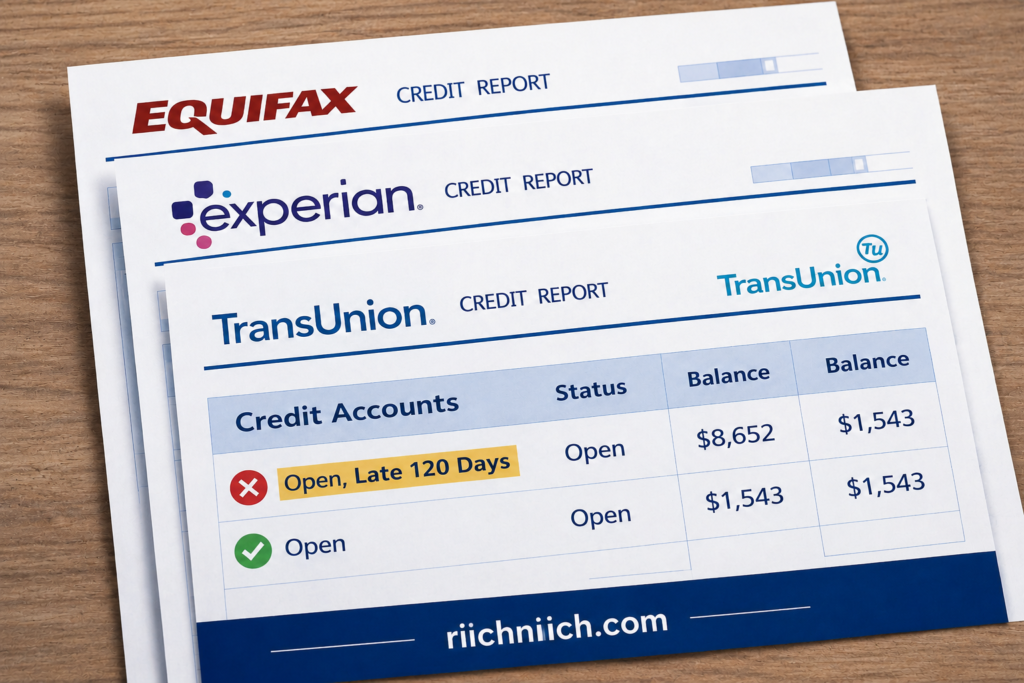
Your credit report contains detailed information about credit accounts, loan activity, payment history, and inquiries made by lenders. Reviewing this information regularly helps you identify activity that does not belong to you.
Look for warning signs such as:
- Credit accounts you did not open
- Hard credit inquiries from unfamiliar lenders
- Incorrect personal information or addresses
- Sudden increases in credit balances
- Loans or credit cards that appear without your authorization
Consumers in the United States can obtain free credit reports through AnnualCreditReport.com, the government-authorized site that provides reports from all three credit bureaus.
Review Reports From All Three Credit Bureaus
To fully protect yourself when determining what to do immediately if your identity is stolen, review reports from all three credit bureaus:
- Equifax
- Experian
- TransUnion
Different lenders report to different bureaus, which means fraudulent accounts may appear on one report but not the others.
By checking all three reports, you gain a complete picture of your credit activity and can identify potential identity theft more quickly.
Watch for New Credit Inquiries
One of the earliest signs of identity theft is an unfamiliar credit inquiry. When someone applies for credit using your personal information, the lender typically performs a hard inquiry on your credit file.
If you see a lender listed that you never contacted, it could indicate that someone attempted to open an account in your name.
If this occurs, contact the lender immediately and dispute the inquiry with the credit bureau reporting it.
Dispute Fraudulent Accounts Immediately
If you discover fraudulent accounts or inaccurate information on your credit report, you have the right to dispute it. Credit bureaus are required to investigate disputes and remove incorrect information when fraud is confirmed.
The Consumer Financial Protection Bureau provides guidance on how to dispute credit report errors and identity theft accounts.
For additional help, visit:
https://www.consumerfinance.gov
Disputing fraudulent accounts quickly can help restore your credit and prevent additional financial harm.
Why Many Victims Use Credit Monitoring Services
Manually checking credit reports is important, but it may not always detect fraud immediately. Identity thieves can act quickly, and waiting months between credit checks may allow fraud to go unnoticed.
👉 This is why many consumers use identity monitoring services such as Aura or LifeLock. These services continuously monitor credit reports and notify users when suspicious activity appears.
Common monitoring features include:
- alerts for new credit inquiries
- notifications when new accounts appear
- dark web monitoring for exposed personal information
- identity restoration support if fraud occurs
These tools can provide ongoing protection while you recover from identity theft and help detect future fraud attempts.
How Identity Theft Protection Services Help After Your Identity Is Stolen
When researching what to do immediately if your identity is stolen, many victims focus on emergency steps like freezing credit or filing fraud reports. While these actions are critical, they do not actively monitor your identity for ongoing threats. Identity thieves often continue attempting fraud weeks or even months after the initial incident.
This is where identity theft protection services can provide additional security. These platforms monitor multiple sources of personal data and alert users when suspicious activity is detected.
Continuous Credit Monitoring
Identity protection services monitor your credit reports across the major bureaus and send alerts when changes occur. This allows victims to respond quickly if criminals attempt to open new accounts or apply for loans.
Monitoring systems typically alert users when:
- New credit accounts are opened
- Credit inquiries appear on your report
- Personal information is changed on a credit file
- Unusual credit activity is detected
These alerts help consumers react quickly when determining what to do immediately if your identity is stolen, reducing the time criminals have to cause financial damage.
Dark Web Monitoring for Stolen Personal Information
Identity thieves often sell stolen personal data on underground marketplaces known as the dark web. This data may include Social Security numbers, passwords, banking details, and other sensitive information.
Many identity protection services scan dark web marketplaces to detect when your personal information appears in breach databases.
If exposed information is discovered, users receive alerts so they can take immediate action such as changing passwords or securing accounts.

Financial Account Monitoring
Some identity protection platforms also monitor financial accounts for suspicious transactions. This type of monitoring can detect unusual activity across banking, credit cards, and other financial services.
Alerts may be triggered by:
- unusual spending patterns
- large transfers or withdrawals
- transactions in unfamiliar locations
- suspicious merchant activity
These alerts help identify fraud early, especially after identity theft has already occurred.
Identity Theft Recovery Assistance
Recovering from identity theft can be complicated and time-consuming. Many identity protection services include access to recovery specialists who assist victims during the restoration process.
Recovery teams may help with:
- contacting creditors and financial institutions
- disputing fraudulent accounts
- restoring credit reports
- filing identity theft documentation
These services can reduce stress for victims who may otherwise spend months navigating the recovery process on their own.
Identity Theft Insurance Coverage
Some identity protection services also provide insurance coverage designed to help offset financial losses related to identity theft.
Coverage may include reimbursement for:
- legal fees
- lost wages during identity recovery
- expenses related to restoring credit
- stolen funds depending on the policy
While insurance does not prevent identity theft, it can provide financial protection during the recovery process.
Popular Identity Theft Protection Services
Several well-known services offer identity monitoring and recovery assistance for consumers concerned about identity theft. Examples include:
- Aura
- LifeLock
- Identity Guard
- IdentityIQ
These services combine monitoring technology with fraud recovery support to help users respond quickly to threats.
For additional information on protecting yourself after identity theft, the Federal Trade Commission provides consumer guidance and recovery resources at:
Why These Steps Alone May Not Be Enough
Even after you fix the immediate problem, identity theft can continue in the background.
Stolen personal information may still be circulating, and new fraud attempts can happen weeks or months later.
This is why ongoing monitoring and protection matter — not just one-time fixes.
How Identity Theft Protection Helps After an Attack
Identity theft protection services monitor your credit, accounts, and personal data continuously.
This allows you to:
✔ Detect new fraud attempts quickly
✔ Receive real-time alerts
✔ Get help recovering your identity
✔ Reduce the risk of future attacks
👉 See how identity protection works here
Best Identity Theft Protection Services for Fraud Victims
After taking emergency steps like freezing your credit and reporting fraud, many victims begin researching what to do immediately if your identity is stolen to prevent additional damage. Identity theft protection services can provide continuous monitoring, fraud alerts, and recovery assistance while your identity is being restored.
These services monitor credit activity, financial transactions, and dark web marketplaces where stolen personal data is often sold. When suspicious activity is detected, users receive alerts so they can take action quickly.
Below are some of the most well-known identity protection services used by consumers recovering from identity theft.
Aura — Best All-Around Protection
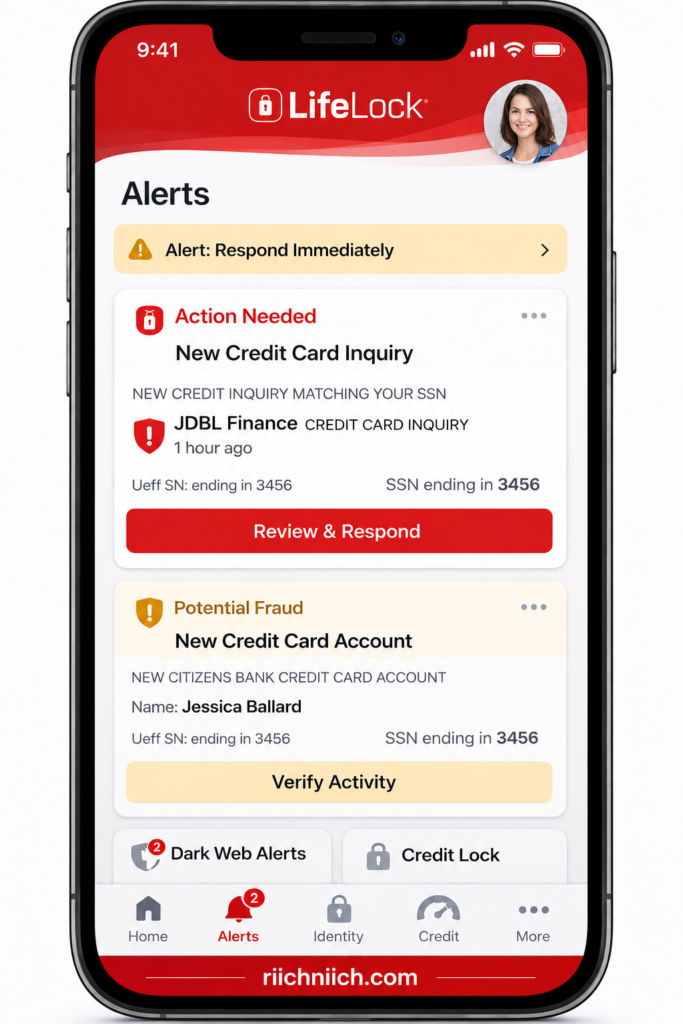
Aura is widely recognized as one of the most comprehensive identity theft protection platforms available. Security experts often rank it highly because it combines identity monitoring, credit protection, and digital security tools in one platform.
Key features typically include:
- three-bureau credit monitoring
- dark web monitoring
- identity theft insurance coverage
- antivirus, VPN, and password manager tools
- 24/7 fraud resolution specialists
Some plans also include family protection features such as child identity monitoring and parental controls. If you’re considering this platform, read our detailed review answering, ‘Is Aura worth It?‘ for identity protection.
These tools can be helpful for victims learning what to do immediately if your identity is stolen, because they provide real-time alerts if criminals attempt to reuse stolen information.
Many people choose all-in-one protection like Aura to monitor their identity and respond faster to new threats.
👉 Check Aura pricing and protection details here
LifeLock — Popular Identity Monitoring Service
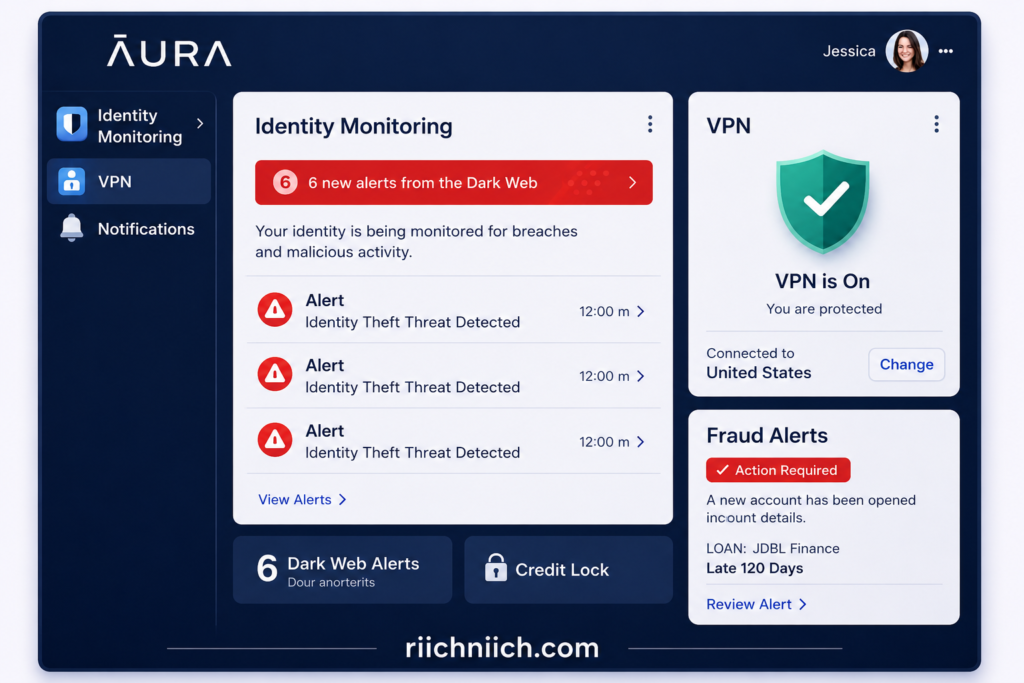
LifeLock is another widely used identity protection service that focuses heavily on fraud detection and identity recovery support. Many plans include identity theft insurance and credit monitoring to help detect suspicious activity early.
Common features include:
- alerts for credit inquiries and new accounts
- social media and financial account monitoring
- identity restoration specialists
- insurance coverage for identity theft losses
LifeLock also integrates digital security tools through Norton cyber-security products in some plans.
These services can help fraud victims monitor their identity continuously while they work through the recovery process.
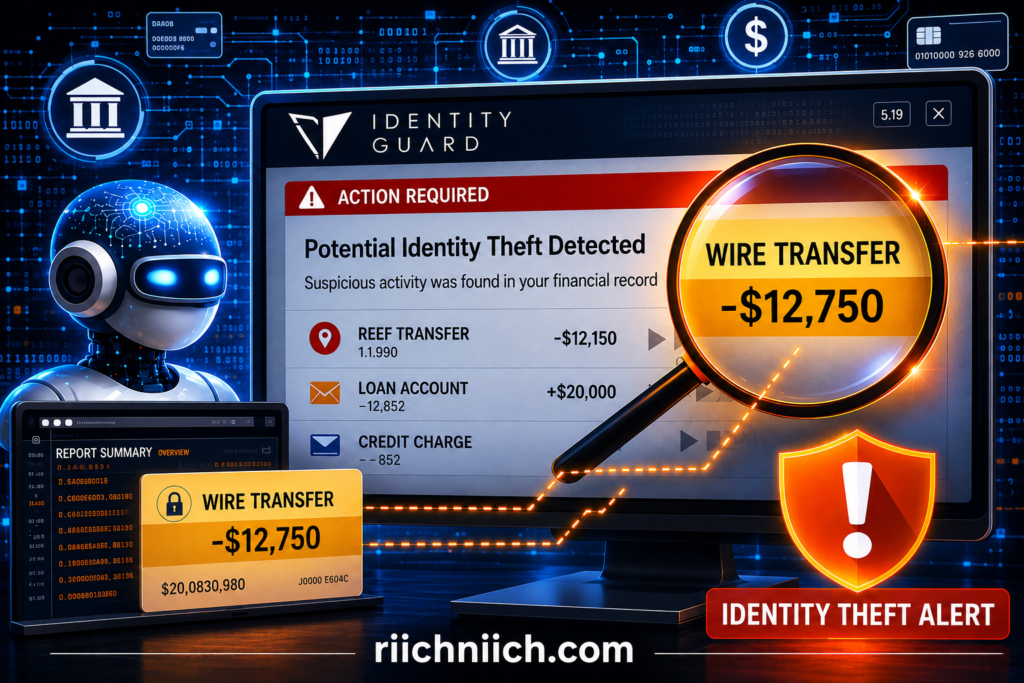
Identity Guard — Strong Fraud Detection Technology
Identity Guard is known for its advanced fraud detection technology and identity monitoring tools. Some plans use artificial intelligence to analyze patterns in financial data and identify suspicious activity.
Typical features include:
- credit monitoring alerts
- risk score tracking for identity threats
- dark web monitoring
- identity theft recovery support
These tools help detect fraud quickly, which is critical when determining what to do immediately if your identity is stolen.
👉 Check Identity Guard pricing and protection details here
If you’re comparing monitoring platforms, see our full breakdown of the best identity theft protection services available today.
How to Choose the Right Identity Protection Service
Not all identity theft protection services offer the same features. When choosing a service after identity theft, consider looking for:
- three-bureau credit monitoring
- dark web monitoring for stolen data
- identity recovery specialists
- identity theft insurance coverage
- real-time fraud alerts
Many services also include additional cyber-security tools such as antivirus software, VPNs, and password managers to help prevent future attacks.
Why Identity Protection Services Are Helpful After Identity Theft
Recovering from identity theft can take weeks or even months depending on the type of fraud involved. Criminals may continue attempting to use stolen information during this time.
Identity theft protection services provide ongoing monitoring so victims can quickly detect and respond to new threats. They also offer professional recovery assistance that can help restore credit reports and resolve fraudulent accounts.
Using these tools alongside the steps outlined above can provide stronger protection while recovering from identity theft and deciding what to do immediately if your identity is stolen.
How Long It Takes to Recover From Identity Theft
One of the most common questions victims ask after learning what to do immediately if your identity is stolen is how long the recovery process will take. Unfortunately, identity theft recovery timelines can vary significantly depending on the type of fraud and how quickly the victim takes action.
Some cases can be resolved within a few weeks, while more complex identity theft situations may take several months or even longer to fully resolve.
Typical Identity Theft Recovery Timeline
The recovery timeline often depends on how the stolen information was used. Below are general timeframes victims may experience:
Minor financial fraud (credit card misuse)
Often resolved within a few days to several weeks once the fraudulent charges are reported to your bank.
New credit accounts opened in your name
These cases may take one to three months to fully resolve while disputes are investigated and accounts are removed from credit reports.
Loan or tax identity theft
Fraud involving tax returns or government benefits can take several months or longer, especially when federal agencies must investigate the case.
According to the Federal Trade Commission, victims may spend significant time repairing credit reports, disputing fraudulent accounts, and securing financial records.
Factors That Affect Recovery Time
Several factors influence how long it takes to restore your identity and financial records.
Speed of detection
The faster fraud is discovered, the easier it is to limit damage.
Type of identity theft
Financial fraud is often easier to resolve than tax identity theft or Social Security fraud.
Number of fraudulent accounts
If multiple lenders are involved, disputes may take longer.
Response from financial institutions
Banks and credit bureaus must investigate disputes before removing fraudulent activity from credit reports.
Taking action quickly after discovering fraud is one of the most important steps when determining what to do immediately if your identity is stolen.
Monitoring Your Credit During Recovery
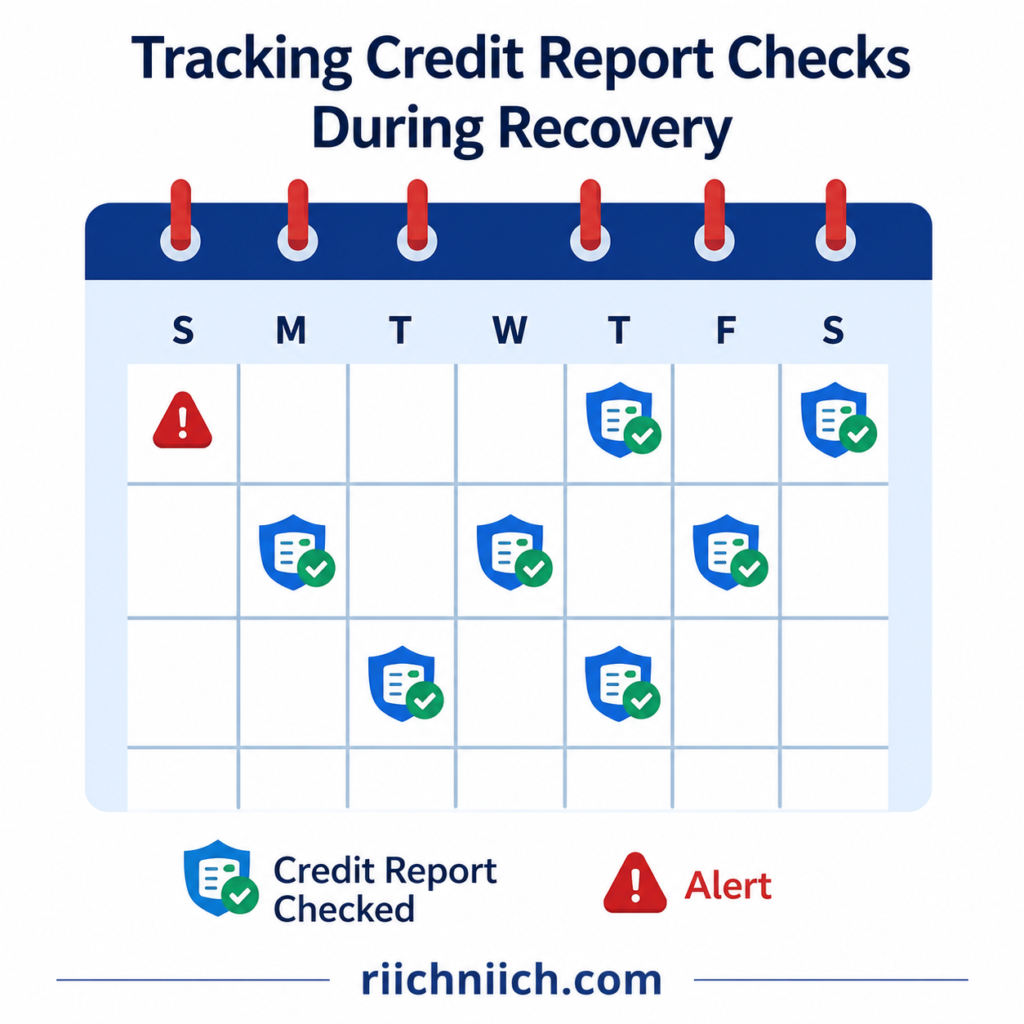
Even after fraudulent accounts are removed, victims should continue monitoring their credit reports for additional suspicious activity. Criminals sometimes attempt new fraud months after the initial incident.
Consumers can monitor their credit reports through:
- Equifax
- Experian
- TransUnion
Free credit reports are available through AnnualCreditReport.com.
Regular monitoring helps ensure that fraudulent accounts are removed and that new identity theft attempts are detected early.
How Identity Protection Services Can Speed Up Recovery
Identity theft recovery often involves contacting multiple organizations, disputing accounts, and monitoring credit activity. Many victims choose to use identity protection services that provide professional assistance during the recovery process.
Platforms such as Aura and LifeLock offer identity restoration specialists who help victims resolve fraud cases and monitor for additional threats.
You can also compare top services in our detailed guide Aura vs LifeLock, which breaks down features, pricing, and protection levels.
These services can simplify the recovery process by helping victims manage disputes, monitor credit activity, and respond quickly if criminals attempt additional fraud.
Why Acting Quickly Reduces Recovery Time
The most important factor affecting identity theft recovery is how quickly the victim responds. Reporting fraud immediately, freezing credit, and contacting financial institutions can prevent criminals from opening additional accounts.
Understanding what to do immediately if your identity is stolen helps victims limit financial damage and begin restoring their credit as quickly as possible.
The faster you act, the more damage you can prevent.
How to Prevent Identity Theft From Happening Again
After resolving fraud, many victims start thinking about long-term protection. Once you understand what to do immediately if your identity is stolen, the next step is making sure it does not happen again. Criminals often keep stolen data for months or years and may attempt additional fraud later. Understanding how identity theft happens can help you recognize common attack methods used by cyber-criminals and protect your personal information more effectively.
Taking proactive security measures can significantly reduce the risk of future identity theft.
Strengthen Your Password Security
Weak or reused passwords are one of the most common ways criminals gain access to personal accounts. If hackers obtain login credentials through data breaches or phishing scams, they can access banking accounts, credit cards, and personal information.
👉 After securing your accounts, tools like NordPass can help you create and manage strong, unique passwords, while NordVPN protects your personal data by encrypting your internet connection during recovery and beyond.
To improve your password security:
- Use strong passwords with a mix of letters, numbers, and symbols
- Avoid using the same password across multiple accounts
- Change passwords immediately after any data breach
- Use a password manager to generate and store secure credentials
For guidance on password security, the National Institute of Standards and Technology provides recommendations for creating strong authentication systems.
Enable Two-Factor Authentication (2FA)
Two-factor authentication adds an extra layer of protection to online accounts. In addition to entering a password, users must verify their identity with a secondary code sent to a trusted device.
This additional step helps prevent unauthorized access even if criminals obtain your login credentials.
Enable two-factor authentication for important accounts such as:
- online banking
- credit card portals
- email accounts
- investment platforms
- password managers
Security experts widely recommend two-factor authentication as one of the most effective defenses against account takeovers.
Protect Your Personal Information Online
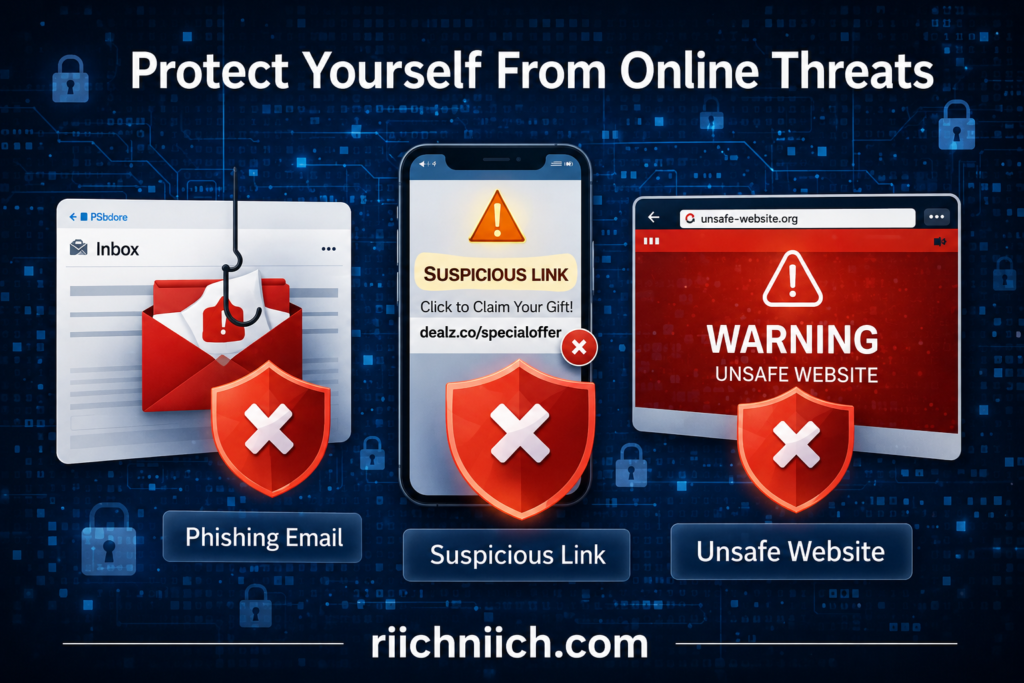
Many identity theft incidents begin with exposed personal information. Data breaches, phishing emails, and unsecured websites can all leak sensitive data.
To reduce risk:
- Avoid sharing Social Security numbers unless absolutely necessary
- Be cautious when clicking links in emails or text messages
- Verify websites before entering personal information
- Avoid using public Wi-Fi networks for financial transactions
The Cyber-security and Infrastructure Security Agency provides guidance on protecting personal data and preventing cyber-crime.
Learn more at:
https://www.cisa.gov
Use Identity Theft Protection Services
Many consumers choose to use identity monitoring services after experiencing fraud. These services provide ongoing monitoring that helps detect identity theft early.
👉 Platforms such as Aura and LifeLock monitor credit activity, financial transactions, and dark web marketplaces where stolen personal information may appear.
These services typically provide:
- alerts for new credit inquiries
- monitoring of stolen data on breach databases
- identity theft recovery support
- financial protection coverage
Monitoring services can help individuals respond quickly to suspicious activity, which is especially valuable after learning what to do immediately if your identity is stolen.
Check Your Financial Accounts Frequently
Regularly reviewing bank and credit card statements helps detect fraud before it escalates. Many banks also offer real-time alerts that notify customers of unusual transactions.
Consider enabling alerts for:
- large purchases
- international transactions
- online purchases
- account login attempts
These notifications allow you to react quickly if unauthorized activity appears.
Stay Alert for Future Identity Theft Attempts
Even after recovering from identity theft, criminals may attempt to reuse stolen information in the future. Staying vigilant and maintaining strong security habits can help protect your identity long term.
Understanding what to do immediately if your identity is stolen is only the first step. Preventative security measures and ongoing monitoring are essential for protecting your financial identity moving forward.

Frequently Asked Questions About What To Do Immediately If Your Identity Is Stolen
Many victims feel overwhelmed when they first discover identity theft. Below are answers to some of the most common questions people ask when researching what to do immediately if your identity is stolen.
What Is the First Thing You Should Do if Your Identity Is Stolen?
The first step is to secure your financial accounts and prevent additional fraud. This usually includes:
- contacting your bank and credit card providers
- freezing your credit with the credit bureaus
- reporting the identity theft to the Federal Trade Commission
Filing a report at https://www.identitytheft.gov creates an official identity theft record and provides a recovery plan to guide you through the process.
Taking these steps quickly can stop criminals before they open new accounts or create additional financial damage.
Can Someone Steal Your Identity Without Using Your Credit?
Yes. Identity theft does not always involve credit cards or loans. Criminals may misuse personal information in several other ways, including:
- tax refund fraud
- medical identity theft
- bank account takeovers
- employment fraud using your Social Security number
Because of this, identity theft victims should monitor both credit reports and financial accounts even after taking initial recovery steps.
Does Freezing Your Credit Stop Identity Theft Completely?
A credit freeze is one of the strongest defenses against new credit fraud, but it does not stop all forms of identity theft.
For example, a credit freeze cannot prevent:
- bank account fraud
- debit card theft
- phishing attacks
- stolen passwords being used online
This is why many security experts recommend combining a credit freeze with identity monitoring services that alert users when suspicious activity occurs.
Will Identity Theft Ruin Your Credit Score?
Identity theft can damage your credit score if fraudulent accounts remain on your credit report. However, victims have the right to dispute fraudulent accounts and remove them once identity theft is confirmed.
Credit bureaus such as:
- Equifax
- Experian
- TransUnion
must investigate disputes and remove fraudulent accounts when proper documentation is provided.
The Consumer Financial Protection Bureau provides detailed instructions for disputing identity theft accounts at:
https://www.consumerfinance.gov
Do Identity Theft Protection Services Actually Help?
Identity theft protection services can help detect suspicious activity early and assist victims during the recovery process.
Services such as:
- Aura
- LifeLock
- Identity Guard
- IdentityIQ
monitor credit reports, data breaches, and financial transactions to identify potential identity theft risks.
Many platforms also provide identity restoration specialists who assist victims with dispute letters, fraud reports, and credit recovery.
These tools can be especially helpful for consumers researching what to do immediately if your identity is stolen, because they provide ongoing monitoring and professional support during the recovery process.
How Can You Tell if Someone Is Using Your Identity?
Common warning signs include:
- unfamiliar accounts on your credit report
- unexpected debt collection calls
- suspicious bank or credit card transactions
- login alerts for accounts you did not access
- mail about financial accounts you never opened
If you notice these signs, it is important to take action quickly and follow the steps outlined earlier in this guide.
Where Can You Get Help After Identity Theft?
Victims of identity theft can receive assistance from government agencies and consumer protection organizations.
The Federal Trade Commission offers free recovery resources at:
This site provides identity theft recovery plans, official reports, and step-by-step guidance to help victims restore their identity and protect themselves from future fraud.
Understanding what to do immediately if your identity is stolen can help you respond quickly, minimize financial damage, and regain control of your personal information.
Stay Protected After Identity Theft
Fixing identity theft is only the first step.
The next step is making sure it doesn’t happen again.
Pingback: Best Password Managers (2026 Guide): Protect Your Accounts From Hackers - Riich Niich
Pingback: Credit Freeze vs Credit Lock — What’s Safer? - Riich Niich
Pingback: How Hackers Get Your Personal Data (And How to Stop Them) - Riich Niich
Pingback: NordProtect Review (Is Really It Worth It in 2026?) - Riich Niich
Pingback: Public WiFi Dangers (And How To Stay Safe) - Riich Niich
Pingback: Cybersecurity Tips Everyone Should Know (2026 Guide) - Riich Niich
Pingback: 13 Warning Signs Someone Stole Your Identity (And What To Do Immediately) - Riich Niich
Pingback: How to Remove Your Personal Information from the Internet (2026 Guide) - Riich Niich
Pingback: How to Stay Safe on Social Media in 2026 (Avoid These Costly Mistakes) - Riich Niich
Pingback: Is Online Banking Safe in 2026? (Risks + How to Protect Your Money) - Riich Niich
Pingback: Is Surfshark Worth It? Full Review, Pros, Cons & Real Value - Riich Niich
Pingback: Incogni vs DeleteMe: Which Data Removal Service Is Better? - Riich Niich
Pingback: How to Protect Yourself from Identity Theft (Step-by-Step Guide) - Riich Niich
Pingback: Why Insider Threats Are More Dangerous Than Hackers (Real Risks Explained) - Riich Niich
Pingback: NordVPN vs Surfshark: Which VPN Is Better in 2026? - Riich Niich
Pingback: Is Incogni Worth It in 2026? (Full Review + Results) - Riich Niich
Pingback: How to Stop Spam Calls and Scam Messages (Complete Guide) - Riich Niich
Pingback: What Happens After a Data Breach? - Riich Niich
Pingback: How To Check Your Credit Report For Signs Of Identity Theft - Riich Niich
Pingback: How to Freeze Your Credit at All Three Credit Bureaus - Riich Niich
Pingback: How to Recover From Identity Theft - Riich Niich