
Is identity theft protection worth it, or is it just another monthly subscription you don’t really need? With data breaches, online scams, and identity theft cases continuing to rise, more consumers are asking whether identity monitoring services are actually worth the cost. While free security tools can help protect your information, the best identity theft protection services offer additional features such as credit monitoring, dark web monitoring, fraud alerts, identity theft insurance, and recovery assistance. In this guide, we’ll break down exactly what identity theft protection covers, who benefits the most, how it compares to free alternatives, and whether investing in an identity protection plan makes sense for your situation in 2026.
For a deeper breakdown of top providers, features, pricing, and comparisons, see our complete guide to the Best Identity Theft Protection Services.
Table of Contents
🔥 The Short Answer: Is Identity Theft Protection Worth It?
Yes, for many people, identity theft protection is worth it, especially if you want early warning signs of fraud, credit monitoring, dark web monitoring, identity recovery assistance, and protection after a data breach.
While no service can completely prevent identity theft, the best identity theft protection services can help you detect suspicious activity faster and reduce the financial and emotional stress that often comes with recovering a stolen identity.
According to the Federal Trade Commission (FTC), identity theft remains one of the most commonly reported forms of fraud in the United States. Criminals can use stolen personal information to open credit accounts, file fraudulent tax returns, access financial accounts, or commit other forms of fraud in your name.
For people who have already experienced a data breach, have sensitive personal information exposed online, or simply want an extra layer of protection, identity monitoring services can provide valuable peace of mind. Features such as credit monitoring, dark web monitoring, fraud alerts, and identity theft insurance can help you respond quickly if your information is compromised.
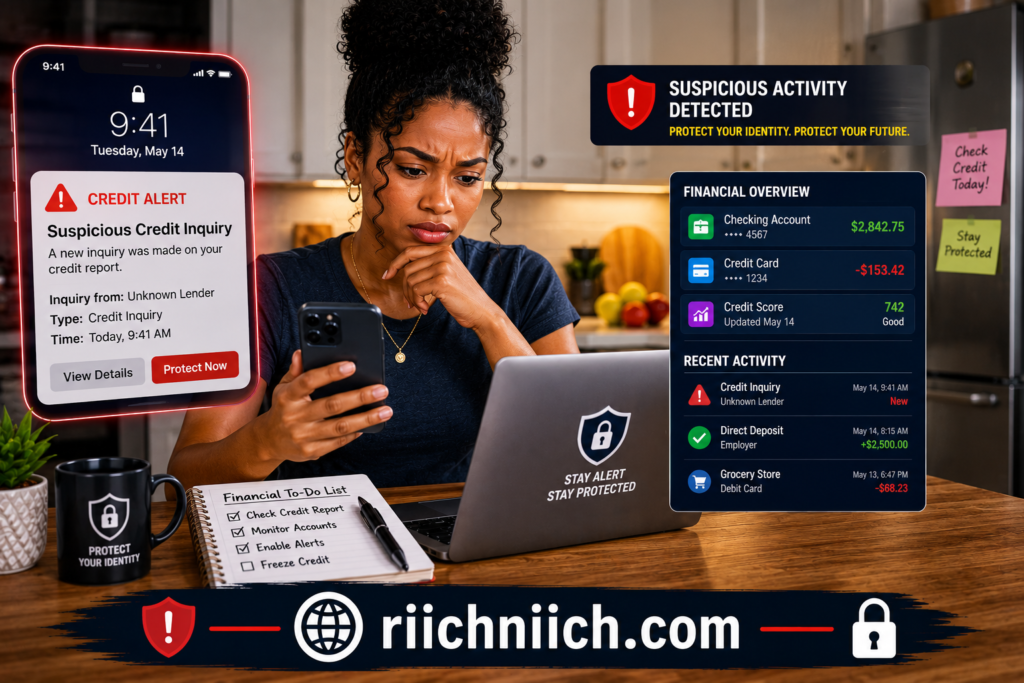
So, is identity theft protection worth it for the average person? In many cases, yes. The cost of identity theft can extend far beyond financial losses. Victims often spend months disputing fraudulent charges, replacing compromised accounts, repairing credit reports, and recovering stolen identities.
Some people may be comfortable monitoring their own credit reports, placing credit freezes, and checking their accounts regularly. However, others prefer the convenience of having a professional identity protection service continuously monitor multiple data sources and alert them to potential threats automatically.
Identity protection plans can be particularly valuable for:
- Individuals affected by recent data breaches
- Frequent online shoppers
- People with multiple financial accounts
- Families seeking protection for children and adults
- Seniors who may be targeted by scams
- Anyone with personal information exposed on data broker websites
In these situations, identity monitoring services provide an additional layer of protection that free credit monitoring tools often cannot match.
Ultimately, is identity theft protection worth it depends on your personal risk level and how much time you want to spend managing your own security. If your personal information is already circulating online, if you’ve been impacted by a data breach, or if you simply want faster fraud detection and recovery support, identity theft protection can be a worthwhile investment.
Before choosing a provider, compare monitoring features, identity theft insurance coverage, recovery assistance, dark web monitoring capabilities, and family protection options. The best identity theft protection services combine these features into a single platform that helps you stay ahead of potential threats.
What Is Identity Theft Protection?
Identity theft protection is a service designed to help monitor your personal information, detect signs of fraud, and assist with recovery if your identity is stolen. While these services cannot prevent every type of identity theft, they can provide early alerts that help you take action before serious damage occurs.
When people ask, is identity theft protection worth it, they are often wondering whether these services provide enough value to justify the monthly cost. The answer depends on your personal risk level, but understanding what identity theft protection actually does is the first step in making an informed decision.
Most identity theft protection services combine several security features into a single platform. These may include:
- Credit monitoring
- Dark web monitoring
- Social Security number monitoring
- Financial account monitoring
- Data breach alerts
- Fraud notifications
- Identity theft insurance
- Dedicated identity recovery specialists
Instead of manually checking multiple accounts and reports yourself, identity monitoring services continuously watch for suspicious activity and send alerts when potential threats are detected.
For example, if your Social Security number appears on the dark web after a data breach, a quality identity protection plan may notify you quickly so you can secure your accounts before criminals attempt to misuse your information.
Many people mistakenly believe that free credit monitoring provides the same protection as a paid identity theft protection service. While free monitoring can be helpful, it often focuses only on changes to your credit file. Comprehensive identity theft protection services typically monitor additional areas that criminals may target, including personal information exposed online, data broker databases, and dark web marketplaces.
This broader coverage is one reason why many consumers ask, is identity theft protection worth it, especially after experiencing a data breach or identity fraud incident.
Another important feature is identity recovery assistance. If identity theft occurs, many providers offer access to specialists who help you dispute fraudulent accounts, restore your credit, file reports, and navigate the recovery process. This support can save victims significant time and frustration during a stressful situation.
According to the National Institute of Standards and Technology (NIST) Cybersecurity Resources, proactive monitoring and rapid response are critical components of reducing the impact of identity-related fraud. Identity protection services are designed to provide both.
If your personal information has been exposed in previous breaches, if you frequently shop online, or if you manage multiple financial accounts, you may benefit from having continuous monitoring in place. This is particularly true for families and seniors, who are often targeted by identity thieves and online scams.
Understanding how identity theft protection works will make it easier to determine later in this guide whether is identity theft protection worth it for your specific situation and which identity monitoring service offers the best value for your needs.
To better understand why identity monitoring services exist, learn the common methods criminals use in our guide on How Identity Theft Happens.
How Identity Theft Protection Services Work
To answer the question, is identity theft protection worth it, it helps to understand exactly how these services work behind the scenes. Most identity theft protection services operate by continuously monitoring various sources for signs that your personal information may be exposed, misused, or involved in fraudulent activity.
Instead of waiting until a thief opens a credit card or drains a financial account, identity monitoring services are designed to alert you as early as possible so you can respond quickly.
Most identity theft protection providers follow a similar process:
1. Monitoring Your Personal Information
After signing up, you’ll typically provide information such as your:
- Full name
- Social Security number
- Email addresses
- Phone numbers
- Home address
- Financial account details (optional depending on the service)
The identity protection service then monitors databases, credit activity, breach reports, and other sources for signs that this information is being used improperly.
2. Scanning for Data Breaches and Dark Web Exposure
One of the most valuable features offered by many identity monitoring services is dark web monitoring. Cybercriminals often sell stolen personal information on underground marketplaces after a company suffers a data breach.
If your email address, password, Social Security number, or other sensitive information appears in these locations, the service can alert you so you can update passwords, secure accounts, and take preventive action.
For individuals who have experienced previous breaches, this feature alone is often a major reason they ask, is identity theft protection worth it?
3. Monitoring Credit Activity
Many identity theft protection services monitor your credit reports for suspicious changes, including:
- New credit card applications
- New loans
- Hard credit inquiries
- Address changes
- New account openings
These alerts can help you identify fraud before significant damage is done to your credit profile.
For example, if someone attempts to open a credit card using your identity, you may receive an alert within a short period of time instead of discovering the fraud months later.
4. Sending Real-Time Alerts
When suspicious activity is detected, the service typically sends notifications through:
- Mobile apps
- Email alerts
- Text messages
- Online dashboards
These real-time alerts allow you to investigate potential fraud quickly and reduce the likelihood of further damage.
5. Providing Identity Recovery Assistance
If identity theft occurs despite monitoring efforts, many providers offer access to identity recovery specialists. These experts help guide you through the recovery process, which may include:
- Filing fraud reports
- Contacting creditors
- Disputing fraudulent accounts
- Restoring your credit profile
- Replacing compromised documents
This recovery support can be especially valuable because identity theft recovery often involves extensive paperwork and communication with multiple organizations.
6. Offering Identity Theft Insurance
Many leading identity theft protection services also include identity theft insurance coverage. While policies vary, coverage may help reimburse certain expenses related to identity recovery, including legal fees, lost wages, and administrative costs.
Insurance does not prevent fraud, but it can help reduce the financial burden associated with recovering from an identity theft incident.
According to the Cybersecurity and Infrastructure Security Agency (CISA) Identity Theft Resources, quickly detecting and responding to unauthorized activity is one of the most effective ways to limit the impact of identity theft.
When all of these features work together—credit monitoring, dark web monitoring, fraud alerts, identity recovery assistance, and insurance coverage—they create a comprehensive security system designed to help protect your personal information. For many consumers, especially those affected by data breaches or concerned about online privacy, these benefits are a major reason to consider, is identity theft protection worth it and why identity protection plans continue to grow in popularity.
What Identity Theft Protection Actually Covers
One of the biggest factors in deciding, is identity theft protection worth it is understanding exactly what you’re paying for. Many people assume these services only monitor credit reports, but the best identity theft protection services often provide much broader coverage.
While features vary by provider, most identity protection plans include a combination of monitoring, alerts, recovery assistance, and insurance designed to help you detect and respond to fraud faster.
Here are the main areas that identity theft protection services typically cover.
Credit Monitoring
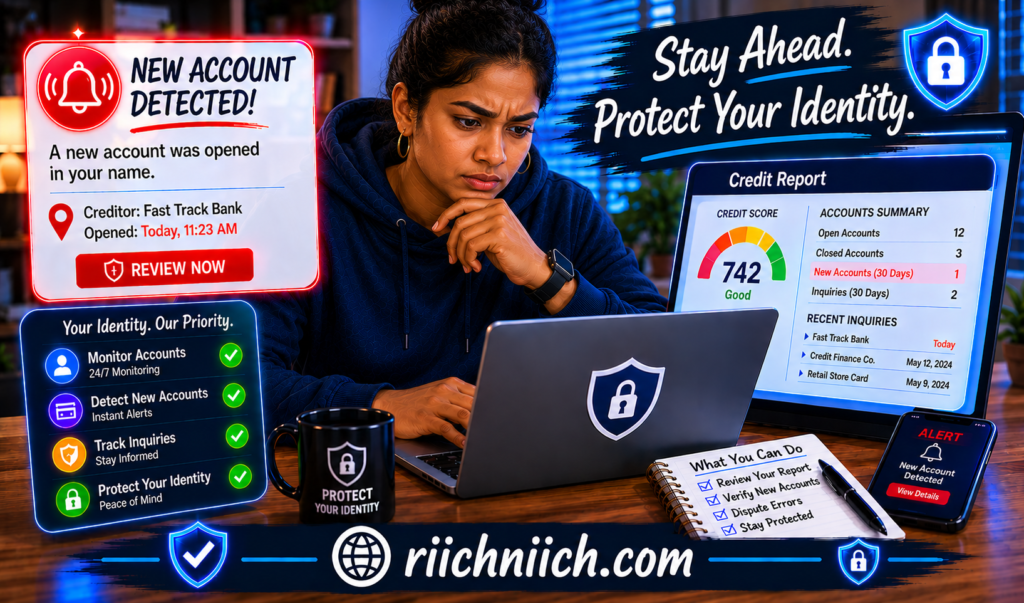
Credit monitoring is one of the most common features included with identity theft protection services. The service tracks changes to your credit profile and alerts you when potentially suspicious activity occurs.
Examples may include:
- New credit card applications
- New loans opened in your name
- Hard credit inquiries
- Address changes
- New accounts appearing on your credit report
Early detection is critical because identity thieves often attempt to open new accounts before victims realize their information has been stolen.
Dark Web Monitoring
When personal information is exposed during a data breach, it may eventually appear on dark web marketplaces where cybercriminals buy and sell stolen data.
Dark web monitoring services scan known underground sources for information linked to your identity, including:
- Email addresses
- Passwords
- Social Security numbers
- Phone numbers
- Financial account information
If your information is discovered, you’ll typically receive an alert so you can secure your accounts before criminals misuse the data.
For many people who have experienced previous breaches, this feature alone helps answer the question, is identity theft protection worth it?
Personal Information Monitoring
Many identity monitoring services also track personal information outside of traditional credit reports.
This may include monitoring for:
- Social Security number misuse
- Address changes
- Court records
- Criminal records linked to your identity
- Public records activity
The goal is to identify unusual activity that may indicate someone is using your identity fraudulently.
Financial Account Monitoring
Some providers offer monitoring for linked financial accounts, helping detect suspicious transactions or unauthorized activity.
Depending on the service, monitoring may include:
- Bank accounts
- Credit cards
- Investment accounts
- Retirement accounts
This additional visibility can help users identify potential fraud before substantial financial losses occur.
Data Breach Notifications
Large data breaches occur regularly, exposing millions of consumer records each year. Identity theft protection services often notify members when their information may have been involved in a newly reported breach.
These alerts allow users to:
- Change passwords quickly
- Enable multi-factor authentication
- Monitor affected accounts
- Take preventive security measures
According to the Identity Theft Resource Center (ITRC), data breaches continue to be one of the leading sources of identity theft and fraud risk.
Identity Theft Insurance
Many identity protection plans include identity theft insurance coverage. While policies vary, coverage may help reimburse eligible expenses associated with recovering from identity theft.
Potential covered expenses may include:
- Legal fees
- Lost wages
- Document replacement costs
- Professional recovery services
Insurance is not a substitute for prevention, but it can help reduce the financial impact of a serious identity theft incident.
Identity Recovery Assistance
One of the most overlooked benefits of identity theft protection services is access to dedicated recovery specialists.
If identity theft occurs, these experts can help:
- File fraud reports
- Contact creditors
- Dispute fraudulent accounts
- Restore damaged credit
- Create a recovery plan
For many victims, professional recovery assistance can save countless hours and reduce the stress of navigating the recovery process alone.
When evaluating is identity theft protection worth it, it’s important to look beyond a single feature. The real value often comes from combining credit monitoring, dark web monitoring, data breach alerts, identity theft insurance, and recovery assistance into one comprehensive service.
The best identity theft protection services provide multiple layers of protection that work together to help detect fraud early and simplify recovery if your personal information is ever compromised.
What Identity Theft Protection Does Not Cover
While identity theft protection services offer valuable monitoring and recovery tools, it’s important to understand their limitations. Many consumers sign up believing these services can completely prevent identity theft, but that is not how they work.
Understanding what identity theft protection does not cover can help you make a more informed decision when evaluating is identity theft protection worth it for your situation.
It Cannot Prevent Identity Theft Entirely
The biggest misconception about identity protection plans is that they stop identity theft from happening.
In reality, no identity theft protection service can guarantee that criminals will never gain access to your personal information. Data breaches, phishing attacks, malware infections, and stolen passwords can still expose sensitive information.
Identity theft protection services are designed to detect suspicious activity and alert you quickly—not eliminate all risk.
Think of these services as an alarm system for your identity rather than an impenetrable shield.
It Cannot Remove Information Already Exposed Online
If your personal information is already available on data broker websites, people-search sites, or other public sources, most identity monitoring services will not automatically remove it.
Some specialized privacy services focus on data removal, but traditional identity theft protection providers typically concentrate on monitoring and alerts rather than removing personal information from the internet.
This distinction is important because exposed information can increase your risk of identity theft, spam calls, phishing attacks, and other privacy threats.
It Cannot Stop You From Falling for Scams
Identity theft protection services cannot prevent human error.
For example, if you:
- Click a phishing link
- Provide information to a scammer
- Download malicious software
- Share passwords with criminals
The service may eventually detect suspicious activity, but it cannot stop the initial mistake from occurring.
Good cybersecurity habits remain an essential part of protecting your identity.
According to the National Cybersecurity Alliance, phishing attacks and social engineering scams remain among the most common ways criminals obtain personal information.
It Cannot Guarantee Financial Loss Protection
Many identity theft protection services advertise identity theft insurance, but coverage limits and terms vary significantly.
Insurance may help reimburse certain eligible expenses related to identity recovery, but it does not automatically cover every financial loss.
Policy exclusions, coverage limits, and reimbursement requirements can differ between providers. Always review the terms carefully before purchasing a plan.
This is one reason why consumers researching, is identity theft protection worth it compares insurance benefits rather than assuming all providers offer identical coverage.
It May Not Detect Every Type of Fraud Immediately
Identity monitoring services are effective, but they are not perfect.
Some forms of identity theft may not generate immediate alerts, including:
- Tax identity theft
- Medical identity theft
- Synthetic identity fraud
- Certain account takeover attacks
Detection speed can vary depending on the provider, the type of fraud, and the monitoring systems being used.
While early alerts are valuable, users should still review financial statements, credit reports, and account activity regularly.
It Does Not Replace Credit Freezes and Security Best Practices
Even the best identity theft protection services should be viewed as one layer of a larger security strategy.
Additional protections may include:
- Credit freezes
- Strong passwords
- Multi-factor authentication
- Password managers
- Secure Wi-Fi usage
- Regular account monitoring
Many cybersecurity experts recommend combining identity monitoring services with these practices for stronger protection.
It Cannot Undo the Stress of Identity Theft
While identity recovery assistance can make the recovery process easier, no service can completely eliminate the inconvenience and stress caused by identity theft.
Victims may still need to:
- Contact financial institutions
- Replace documents
- Verify accounts
- Respond to fraud investigations
- Monitor their credit reports
Recovery support can significantly reduce the burden, but some effort will still be required on your part.
Understanding these limitations does not mean identity protection plans lack value. In fact, knowing exactly what they do and do not cover can help you determine is identity theft protection worth it for your specific needs. The best identity theft protection services provide monitoring, alerts, recovery assistance, and insurance support—but they work best when combined with smart security habits and proactive identity protection measures.
Free Credit Monitoring vs Identity Theft Protection
One of the most common questions people ask when researching identity security is whether free credit monitoring is enough or if a paid identity protection service is a better choice. Understanding the differences can help you answer, is identity theft protection worth it for your specific situation.
At first glance, both services appear similar because they monitor for signs of fraud. However, the level of protection they provide can be very different.
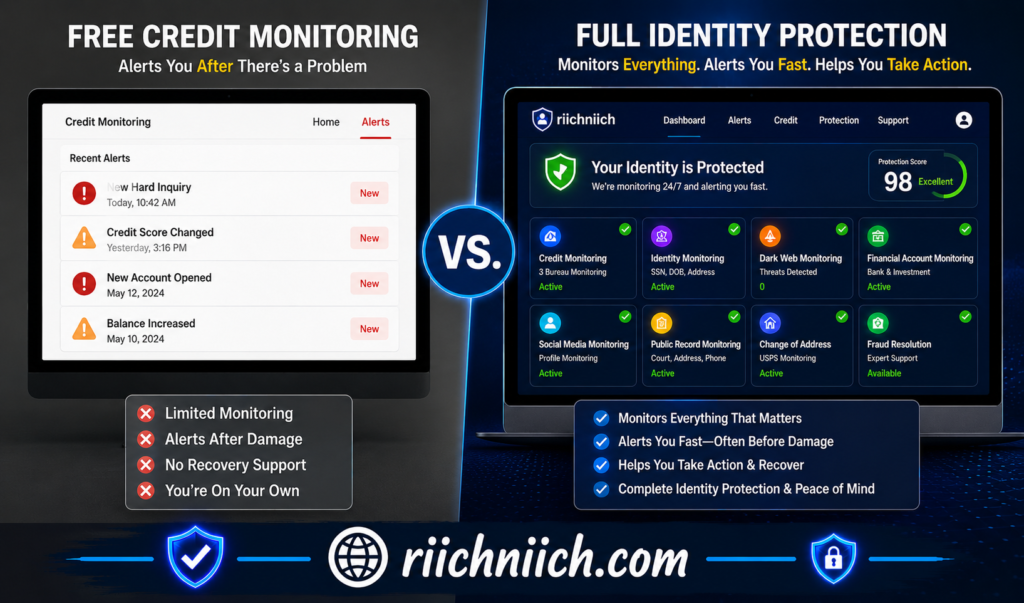
What Free Credit Monitoring Includes
Free credit monitoring services generally focus on changes to your credit report. They may notify you when:
- A new account is opened in your name
- A hard credit inquiry appears
- Your credit score changes significantly
- Certain information on your credit report is updated
These alerts can be useful because they help you spot potential fraud involving credit accounts.
Many banks, credit card companies, and financial institutions now offer some form of free credit monitoring as a customer benefit.
The Limitations of Free Credit Monitoring
While free credit monitoring can help detect some forms of fraud, it typically has limitations.
Most free services do not include:
- Dark web monitoring
- Social Security number monitoring
- Data breach alerts
- Identity theft insurance
- Identity recovery assistance
- Financial account monitoring
- Personal information monitoring
In other words, free monitoring often focuses primarily on your credit file rather than your overall identity.
This means criminals could potentially misuse your personal information in ways that do not immediately appear on a credit report.
What Identity Theft Protection Includes
Identity theft protection services generally offer broader coverage designed to monitor multiple areas where identity theft can occur.
Depending on the provider, identity protection plans may include:
- Credit monitoring
- Dark web monitoring
- Data breach notifications
- Financial account monitoring
- Social Security number monitoring
- Identity theft insurance
- Identity recovery specialists
- Fraud alerts across multiple data sources
Because these services monitor more than just credit activity, they can often detect problems earlier than free credit monitoring alone.
This broader protection is one reason many consumers conclude is identity theft protection worth it, especially if their personal information has already been exposed online.
Which Option Is Better?
The answer depends on your risk level.
Free credit monitoring may be sufficient if:
- You regularly check your financial accounts
- You review your credit reports frequently
- You have not been affected by major data breaches
- You are comfortable handling fraud detection yourself
Identity theft protection may be a better choice if:
- Your personal information has been exposed in breaches
- You want dark web monitoring
- You prefer automated fraud detection
- You want identity recovery assistance
- You have multiple financial accounts to monitor
- You want protection for your family members
For individuals in higher-risk situations, the additional monitoring features can provide greater peace of mind and faster fraud detection.
The Cost Comparison
Free credit monitoring is attractive because it costs nothing. However, if identity theft occurs, the time and effort required to recover your identity can be significant.
If you’re considering additional ways to protect your credit profile, read our guide on Credit Freeze vs Credit Lock to understand which option offers stronger protection against fraudulent account openings.
Identity protection plans typically charge a monthly fee, but many consumers view the cost as worthwhile because of the additional monitoring, alerts, insurance coverage, and recovery support.
According to the Consumer Financial Protection Bureau (CFPB) Identity Theft Resources, early detection remains one of the most important factors in minimizing the impact of identity theft.
The Bottom Line
When comparing free credit monitoring versus identity theft protection, the key difference is scope. Free services primarily monitor your credit report, while identity theft protection services monitor multiple aspects of your identity and often provide recovery assistance if fraud occurs.
If your goal is simply to watch for new credit activity, free credit monitoring may be enough. However, if you want broader protection against modern identity theft threats, many people decide is identity theft protection worth it because it provides additional monitoring, faster alerts, and support when problems arise.
Who Should Consider Identity Theft Protection?
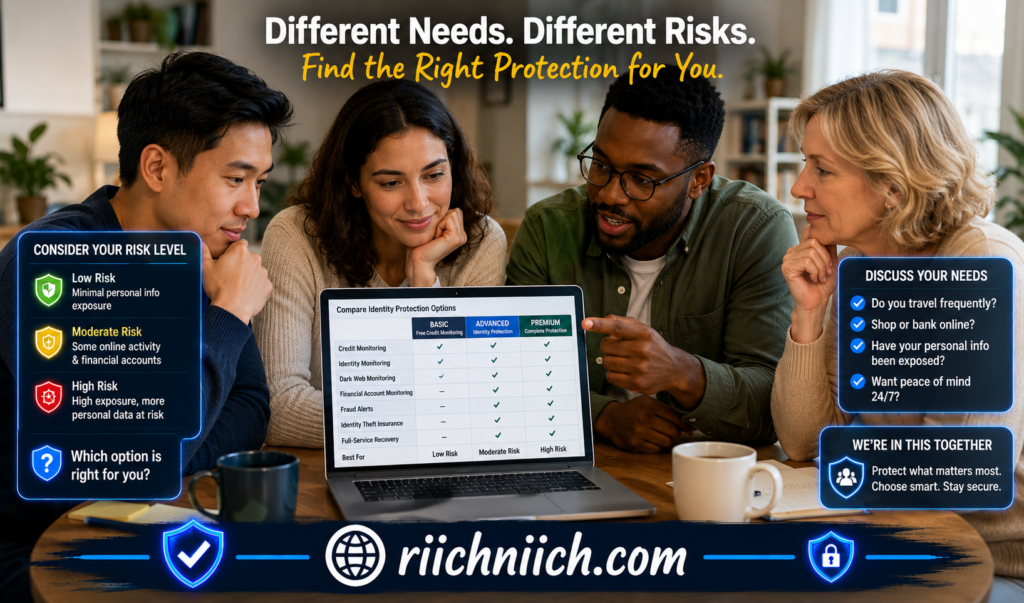
Not everyone needs the same level of identity security, but certain groups face a much higher risk of identity theft than others. If you’re trying to answer the question, is identity theft protection worth it, the answer often depends on your personal circumstances, online activity, and exposure to fraud risks.
While anyone can become a victim of identity theft, some individuals may benefit more from identity monitoring services and identity protection plans than others.
People Affected by Data Breaches
If you’ve ever received a notice stating that your personal information was exposed in a data breach, you may be at increased risk for identity theft.
Breached information can include:
- Email addresses
- Passwords
- Social Security numbers
- Financial account details
- Home addresses
- Phone numbers
Criminals often store stolen information for months or even years before attempting to use it. This is one reason many breach victims decide is identity theft protection worth it, especially when ongoing monitoring and dark web alerts are included.
Frequent Online Shoppers
Online shopping has become a normal part of everyday life, but every online transaction creates another opportunity for personal information to be exposed.
People who frequently:
- Shop online
- Save payment information on websites
- Use multiple online accounts
- Subscribe to digital services
may have a larger digital footprint than the average consumer.
The more places your information exists online, the greater the potential exposure if one of those businesses experiences a breach or security incident.
Families With Children
Many parents don’t realize that children can become identity theft victims as well.
Because a child’s credit history is often unused for years, criminals may exploit stolen information without detection. In some cases, the fraud isn’t discovered until the child applies for a loan, credit card, or student aid later in life.
Many identity theft protection services offer family plans that monitor both adults and children, making them an attractive option for households looking to protect multiple family members.
For families concerned about long-term identity security, identity theft protection is worth it because it extends monitoring beyond a single individual.
Seniors
Older adults are frequently targeted by fraud schemes, phishing attacks, and financial scams.
Scammers often focus on seniors because they may:
- Have established credit histories
- Maintain retirement accounts
- Possess significant financial assets
- Be less familiar with evolving online threats
Identity monitoring services can help provide an extra layer of security by detecting suspicious activity and alerting seniors before fraud escalates.
People With Multiple Financial Accounts
The more financial accounts you manage, the more difficult it becomes to monitor everything manually.
This includes:
- Checking accounts
- Savings accounts
- Credit cards
- Investment accounts
- Retirement funds
- Mortgage accounts
Identity protection plans can help centralize monitoring and provide alerts when unusual activity is detected.
For busy professionals and individuals with complex financial lives, the convenience alone may justify the cost.
Victims of Previous Identity Theft
If you’ve already experienced identity theft, you understand how time-consuming and stressful recovery can be.
Past victims are often more likely to invest in identity protection services because they have firsthand experience with:
- Fraudulent account openings
- Credit report damage
- Financial losses
- Recovery paperwork
- Disputing fraudulent activity
Many people who have been a victim of identity theft ask themselves, is identity theft protection worth it because it helps reduce the likelihood of future incidents going unnoticed.
Individuals With Personal Information Exposed Online
Personal information can appear online through:
- Data broker websites
- People-search sites
- Public records
- Social media profiles
- Previous data breaches
The more exposed your information becomes, the more opportunities criminals have to exploit it.
Identity monitoring services can help identify when exposed information is being misused and provide alerts that allow you to act quickly.
According to the U.S. Department of Justice Identity Theft and Fraud Resources, criminals use a wide variety of stolen personal information to commit financial fraud, open accounts, and impersonate victims.
Who May Not Need Identity Theft Protection?
Some individuals may be comfortable managing their own security through:
- Regular credit report reviews
- Credit freezes
- Strong password management
- Multi-factor authentication
- Manual account monitoring
If you’re highly proactive and have limited exposure to identity theft risks, free monitoring tools may provide sufficient protection.
However, for people who have experienced data breaches, manage multiple accounts, have families to protect, or simply want automated monitoring and recovery assistance must ask is identity theft protection worth it because it provides a broader safety net against today’s increasingly sophisticated identity theft threats.
Signs You May Need Identity Theft Protection Right Now
Many people don’t think about identity theft protection until after their personal information has already been compromised. However, there are often warning signs that indicate your risk level is increasing. If any of the situations below sound familiar, consider is identity theft protection worth it because it can help detect fraud early and provide support if your identity is targeted.
The sooner you recognize these risk factors, the better your chances of preventing serious financial and personal damage.
You’ve Been Notified of a Data Breach
If you’ve received an email, letter, or account notification stating that your information was involved in a data breach, you should take the warning seriously.
Even if no fraud has occurred yet, exposed information may include:
- Email addresses
- Passwords
- Social Security numbers
- Financial account details
- Personal contact information
Criminals often keep stolen data for future use, which means identity theft can occur months or even years after a breach.
This is one of the strongest indicators for the question, is identity theft protection worth it, particularly if the service includes dark web monitoring and breach alerts.
You Notice Unfamiliar Charges or Account Activity
If you’re already seeing suspicious account activity, review these warning signs in our guide on How to Know If Someone Stole Your Identity.
Examples include:
- Small unexplained charges
- New subscriptions you didn’t authorize
- Password reset emails you didn’t request
- Login alerts from unfamiliar devices
- Changes to account settings
Identity monitoring services can help identify suspicious activity quickly and alert you before larger problems develop.
Your Personal Information Is Easily Found Online
Have you ever searched for your name online?
Many people are surprised by how much personal information appears on people-search websites and data broker platforms.
Information often available online includes:
- Full names
- Addresses
- Phone numbers
- Family members
- Property records
- Age and birth information
The more personal information that is publicly available, the easier it may be for criminals to impersonate you or answer security verification questions.
You’ve Experienced Identity Theft Before
Past victims of identity theft remain attractive targets because criminals may already possess some of their personal information.
If you’ve previously dealt with:
- Fraudulent credit accounts
- Tax identity theft
- Account takeovers
- Unauthorized loans
- Credit report errors caused by fraud
then you must ask yourself, is identity theft protection worth it because ongoing monitoring can help detect future attempts before they escalate.
You Rarely Check Your Credit Reports
Many consumers only review their credit reports when applying for a loan, mortgage, or credit card.
Unfortunately, waiting that long may allow fraudulent accounts to remain unnoticed for months.
If you don’t regularly monitor:
- Credit reports
- Credit scores
- Financial statements
- Account activity
an identity protection service can help fill that gap by providing automatic alerts and monitoring.
You Manage Multiple Financial Accounts
The more accounts you have, the harder they become to track manually.
This includes:
- Bank accounts
- Credit cards
- Retirement accounts
- Investment accounts
- Online payment services
People with larger financial footprints often benefit from automated monitoring because suspicious activity can otherwise be easy to overlook.
You Frequently Shop, Bank, or Work Online
Modern life involves sharing personal information across countless websites and applications.
If you regularly:
- Shop online
- Use digital banking
- Store payment methods online
- Work remotely
- Use multiple online accounts
your exposure to cyber threats increases significantly.
According to the Federal Bureau of Investigation Internet Crime Complaint Center (IC3), online fraud and cybercrime complaints continue to affect millions of consumers each year, often involving stolen personal information.
You’re Concerned About Protecting Your Family
Identity theft doesn’t only affect adults.
Children can become victims of identity theft, and the fraud may remain hidden for years because children typically do not monitor credit reports.
Family identity protection plans often provide monitoring for:
- Parents
- Children
- Shared household information
For households seeking broader protection, ask yourself, is identity theft protection worth it because it helps monitor multiple family members under one service.
You Want Faster Fraud Detection and Recovery Support
Some people simply want peace of mind.
If the thought of monitoring credit reports, tracking data breaches, and responding to fraud on your own feels overwhelming, identity protection plans can provide valuable support.
The best identity theft protection services not only monitor for threats but also provide recovery assistance if fraud occurs. Having experts available to help restore your identity can save time, reduce stress, and simplify a complicated recovery process.

If several of these warning signs apply to you, consider asking, is identity theft protection worth it because it provides proactive monitoring, fraud alerts, identity recovery assistance, and additional security measures that can help reduce the impact of identity theft before it becomes a major problem.
The Real Cost of Identity Theft
When asking is identity theft protection worth it, many people focus on the monthly subscription cost. However, a better question may be: What could identity theft cost you if it happens?
The reality is that identity theft can impact much more than your bank account. Victims often face financial losses, damaged credit, lost time, emotional stress, and months of recovery efforts. Understanding these potential consequences can help put the cost of identity protection plans into perspective.
Financial Losses Can Add Up Quickly
One of the most obvious consequences of identity theft is financial loss.
Criminals may use stolen information to:
- Open new credit cards
- Take out loans
- Make unauthorized purchases
- Access bank accounts
- File fraudulent tax returns
While many financial institutions offer fraud protections, victims often spend significant time resolving disputes and proving transactions were unauthorized.
Even when direct losses are eventually reimbursed, the disruption can be substantial.
Damage to Your Credit Can Last for Years
Identity thieves frequently use stolen information to open accounts in a victim’s name.
When fraudulent accounts go unpaid, they can negatively affect:
- Credit scores
- Loan approvals
- Mortgage applications
- Credit card eligibility
- Insurance rates
Repairing damaged credit may require months of communication with creditors, credit bureaus, and collection agencies.
This long-term impact is one reason many consumers think about is identity theft protection worth it, especially when credit monitoring and fraud alerts are included.
Identity Theft Often Costs Time
Many victims underestimate how much time identity recovery requires.
Depending on the severity of the fraud, you may need to:
- Contact banks
- Dispute charges
- File police reports
- Notify credit bureaus
- Freeze credit files
- Replace identification documents
- Monitor accounts for ongoing fraud
What initially appears to be a small issue can quickly become a lengthy administrative process.
The Emotional Stress Is Often Overlooked
Financial losses are only part of the problem.
Victims frequently experience:
- Anxiety
- Frustration
- Loss of trust
- Sleep disruption
- Ongoing concern about future fraud
Many people describe the recovery process as overwhelming because they never know whether additional fraudulent activity will appear later.
Identity monitoring services can help reduce some of this uncertainty by providing continuous alerts and ongoing account monitoring.
Tax Identity Theft Can Create Serious Problems
Tax-related identity theft occurs when someone uses your Social Security number to file a fraudulent tax return or claim a refund.
Victims may discover the fraud when:
- Their tax return is rejected
- The IRS reports duplicate filings
- Unexpected tax notices arrive
Resolving tax identity theft can involve extensive paperwork and communication with government agencies.
Medical Identity Theft Can Be Difficult to Detect
Medical identity theft occurs when someone uses your personal information to obtain healthcare services, prescriptions, or medical benefits.
Potential consequences include:
- Incorrect medical records
- Insurance complications
- Billing disputes
- Healthcare benefit issues
Because medical fraud often goes unnoticed for long periods, it can be particularly difficult to resolve.
Business and Professional Consequences
Identity theft can also affect employment and professional opportunities.
For example, criminals may use stolen information to:
- Apply for jobs
- Open business accounts
- Commit fraud under another person’s name
In severe cases, victims may need to correct inaccurate records that affect background checks or financial screenings.
According to the Bureau of Justice Statistics Identity Theft Reports, identity theft continues to affect millions of Americans and can create both financial and non-financial burdens that extend well beyond the initial incident.
Comparing the Cost of Prevention vs Recovery
When evaluating, is identity theft protection worth it, many consumers compare the monthly cost of identity monitoring services to the potential cost of recovering from identity theft.
While no service can guarantee complete protection, many identity protection plans offer:
- Credit monitoring
- Dark web monitoring
- Data breach alerts
- Identity theft insurance
- Recovery assistance
These features can help identify fraud earlier and reduce the amount of time, money, and stress required to recover.
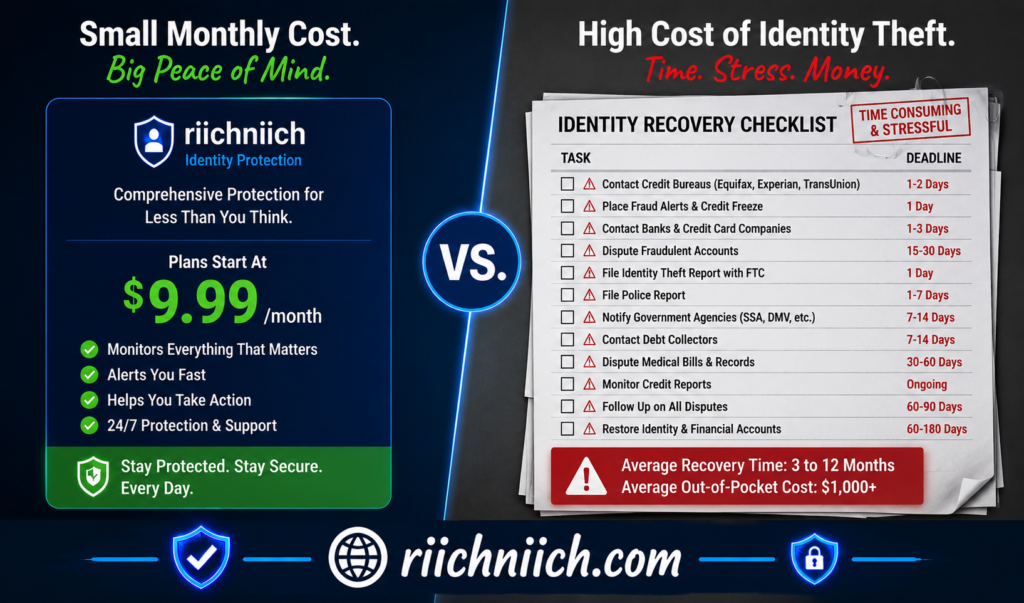
Ultimately, the real cost of identity theft extends far beyond stolen money. Between damaged credit, lost time, emotional stress, and recovery efforts, the impact can be significant. For individuals with higher exposure to online risks, previous data breaches, or multiple financial accounts, ask yourself, is identity theft protection worth it because it helps reduce the likelihood that identity theft will go undetected until the damage becomes much more costly to fix.
Is Identity Theft Protection Worth It After a Data Breach?
If you’ve recently received a notification that your personal information was exposed in a data breach, you’re probably asking, is identity theft protection worth it now more than ever. In many cases, the answer is yes.
Not sure what happens after your information is exposed? Our complete guide on What Happens After a Data Breach? explains the risks and steps you should take immediately.
A data breach does not automatically mean your identity will be stolen. However, it does increase the risk that your personal information could eventually be used for fraud, account takeovers, phishing attacks, or identity theft. This is why many cybersecurity experts recommend increased monitoring after a breach occurs.
Why Data Breaches Increase Identity Theft Risk
When companies experience a security incident, criminals may gain access to sensitive information such as:
- Full names
- Email addresses
- Passwords
- Phone numbers
- Social Security numbers
- Dates of birth
- Financial account details
The type of information exposed determines how useful it may be to criminals. Even seemingly harmless information can be combined with other leaked data to create a detailed profile of a victim.
This growing collection of exposed information is one reason many consumers ask, is identity theft protection worth it after a breach.
Identity Theft Often Happens Months After a Breach
One common misconception is that fraud occurs immediately after a breach.
In reality, stolen information is often bought, sold, and traded multiple times before criminals attempt to use it. Some victims may not experience fraudulent activity until months or even years after the original breach.
Because of this delayed risk, ongoing identity monitoring services can provide value long after the initial breach notification is received.
How Identity Theft Protection Can Help After a Breach
The best identity theft protection services can provide several important layers of protection after your information has been exposed.
These may include:
- Credit monitoring
- Dark web monitoring
- Data breach alerts
- Fraud notifications
- Identity theft insurance
- Identity recovery assistance
Instead of manually checking multiple accounts every day, identity protection plans continuously monitor for signs that your information may be misused.
For individuals whose Social Security numbers, passwords, or financial information were exposed, these monitoring tools can help identify suspicious activity earlier.
Dark Web Monitoring Becomes More Valuable
After a breach, one of the most useful features is dark web monitoring.
Cybercriminals frequently sell stolen data on underground marketplaces. Dark web monitoring services scan these sources for information linked to your identity and notify you if your information is discovered.
This early warning can give you time to:
- Change passwords
- Secure financial accounts
- Enable multi-factor authentication
- Monitor affected services more closely
For breach victims, this feature alone often supports the question, is identity theft protection worth it?
Free Monitoring vs Paid Identity Protection
Many companies offer free credit monitoring after a breach, which can be helpful. However, these services often focus only on credit-related activity.
Comprehensive identity protection services may provide broader monitoring that includes:
- Personal information monitoring
- Dark web exposure monitoring
- Financial account monitoring
- Recovery assistance
- Insurance coverage
If highly sensitive information was exposed, many consumers prefer a more complete identity monitoring service rather than relying solely on free credit monitoring.
Additional Steps You Should Take After a Data Breach
Even if you sign up for identity theft protection, there are additional steps you should consider:
- Change affected passwords immediately
- Use unique passwords for every account
- Enable multi-factor authentication
- Monitor financial statements regularly
- Review credit reports for unusual activity
- Consider placing a fraud alert or credit freeze
Identity theft protection works best when combined with good security habits.
According to the Cybersecurity & Infrastructure Security Agency (CISA) Data Breach Guidance, individuals affected by breaches should monitor accounts closely and take proactive measures to protect their personal information.
The Bottom Line
If your information has been exposed in a data breach, your risk level has likely increased, even if you have not noticed any fraudulent activity yet. Because identity theft often occurs long after the original breach, many consumers should ask, is identity theft protection worth it as an added layer of security.
With features such as credit monitoring, dark web monitoring, fraud alerts, identity theft insurance, and recovery assistance, identity protection plans can help detect threats earlier and reduce the impact if criminals eventually attempt to misuse your personal information.
Is Identity Theft Protection Worth It for Families?
For many households, they should ask, is identity theft protection worth it because it provides monitoring and security for multiple family members under a single plan. While most people think about protecting their own identity, families often have several individuals whose personal information could be targeted, including spouses and children.
For a detailed comparison of family-friendly plans, visit our guide to the Best Identity Theft Protection for Families.
As more family activities move online—from banking and shopping to social media and education—the amount of personal information shared across the internet continues to grow. This increased exposure creates more opportunities for identity theft and fraud.
Families Have More Information at Risk
A typical family may have multiple forms of sensitive information that could be exposed, including:
- Social Security numbers
- Bank account information
- Credit card details
- Email addresses
- Home addresses
- Insurance records
- Children’s personal information
Because identity thieves only need one weak point to gain access to valuable information, protecting the entire household becomes increasingly important.
For larger households, many consumers ask, is identity theft protection worth it because family plans can monitor multiple individuals at the same time.

Children’s Identities Are Often Overlooked
One of the biggest reasons families consider identity protection plans is child identity theft.
Many parents don’t realize that a child’s Social Security number can be attractive to criminals because it often has no existing credit history. Fraud may go undetected for years until the child applies for:
- Student loans
- Credit cards
- Auto loans
- Housing applications
Since children rarely check credit reports, fraudulent activity can remain hidden for a long time.
Many identity monitoring services now include child identity monitoring, helping parents detect potential misuse of a child’s personal information much earlier.
Families Face More Online Risks
Modern families use dozens of online accounts and connected devices every day.
Examples include:
- Online banking
- Shopping websites
- Streaming services
- School portals
- Social media platforms
- Mobile payment apps
Every account creates another opportunity for personal information to be exposed through data breaches, phishing attacks, or cybercrime.
The more connected a household becomes, the more valuable identity monitoring services can be.
Family Plans Can Simplify Protection
Instead of purchasing separate plans for each family member, many identity theft protection services offer family packages that include:
- Adult identity monitoring
- Child identity monitoring
- Credit monitoring
- Dark web monitoring
- Data breach alerts
- Identity recovery assistance
Managing protection through a single dashboard can make it easier to monitor threats across the entire household.
Recovery Support Can Be Especially Valuable
If identity theft affects a family member, recovery can become complicated quickly.
Parents may need to:
- Contact financial institutions
- Dispute fraudulent accounts
- Monitor credit reports
- Replace compromised information
- Resolve issues affecting children
Many identity protection plans provide dedicated recovery specialists who help guide families through these processes.
For busy parents, this support can be one of the most valuable benefits of an identity monitoring service.
Data Breaches Can Affect Entire Households
When a major company experiences a data breach, multiple members of the same household may be affected simultaneously.
For example, a breach involving:
- Healthcare providers
- Schools
- Retailers
- Financial institutions
could expose information belonging to both adults and children.
According to the National Center for Missing & Exploited Children CyberTipline Resources, children face growing online risks as digital services become increasingly integrated into daily life.
This growing exposure is one reason many parents decide is identity theft protection worth it for their entire family.
The Bottom Line
If you’re responsible for protecting more than just your own personal information, many families should ask, is identity theft protection worth it because it offers broader monitoring, child identity protection, fraud alerts, and recovery assistance under one plan.
While no identity protection service can eliminate all risk, family identity protection plans can help detect threats earlier and provide peace of mind knowing that both adults and children are being monitored for signs of fraud and identity theft.
Is Identity Theft Protection Worth It for Seniors?
For many older adults, they should ask themselves, is identity theft protection worth it because seniors are frequently targeted by scammers, fraudsters, and identity thieves. While anyone can become a victim of identity theft, criminals often focus on seniors because they may have established credit histories, retirement savings, home ownership, and long-standing financial accounts.
If you’re specifically researching protection options for older adults, see our recommendations for the Best Identity Theft Protection for Seniors.
As more financial activities move online, many seniors are looking for ways to protect their personal information and reduce their exposure to fraud. Identity monitoring services can provide an additional layer of security that helps detect suspicious activity before significant damage occurs.
Seniors Are Common Targets for Fraud
Identity thieves often target older adults through:
- Phishing emails
- Phone scams
- Tech support scams
- Medicare fraud
- Social Security scams
- Financial account takeovers
These attacks are designed to trick victims into sharing personal information or granting access to financial accounts.
Once criminals obtain sensitive information, they may attempt to open credit accounts, access bank funds, or commit other forms of identity fraud.
For seniors concerned about these risks, the question, is identity theft protection worth it can provide the possibility of ongoing monitoring and fraud alerts.
Retirement Accounts Deserve Extra Protection
Many seniors have spent decades building retirement savings and investment portfolios.
These assets may include:
- 401(k) accounts
- IRAs
- Pension benefits
- Investment accounts
- Savings accounts
Criminals know that retirement accounts can contain substantial funds, making them attractive targets.
Identity protection plans that include financial account monitoring can help alert users to unusual activity that might otherwise go unnoticed.
Medical Identity Theft Is a Growing Concern
Medical identity theft is particularly relevant for older adults who frequently interact with healthcare providers and insurance systems.
Criminals may use stolen information to:
- Obtain medical treatment
- Fill prescriptions
- Submit fraudulent insurance claims
- Access healthcare benefits
Medical identity theft can create billing disputes and potentially affect medical records.
Identity monitoring services that track personal information and account activity can help identify suspicious behavior earlier.
Social Security Fraud Can Be Devastating
Social Security numbers remain one of the most valuable pieces of personal information for identity thieves.
Criminals may attempt to use stolen Social Security numbers to:
- Open financial accounts
- Apply for credit
- Commit tax fraud
- Impersonate victims
Because many seniors rely on Social Security benefits, protecting this information is especially important.
Seniors May Prefer Automated Monitoring
Not everyone wants to spend time constantly checking credit reports, financial statements, and data breach notifications.
Identity theft protection services automate much of this work by providing:
- Credit monitoring
- Dark web monitoring
- Fraud alerts
- Data breach notifications
- Identity recovery assistance
For seniors who want greater peace of mind, automated monitoring can simplify identity protection without requiring constant attention.
Recovery Support Can Be Extremely Valuable
Recovering from identity theft often involves:
- Contacting financial institutions
- Filing fraud reports
- Correcting credit records
- Replacing compromised information
- Monitoring accounts for future activity
This process can be frustrating and time-consuming.
Many identity protection plans provide dedicated recovery specialists who help victims navigate the recovery process step by step. This support is often one of the most valuable benefits for older adults.
Family Members Often Benefit Too
Many seniors also help manage finances for spouses or other family members.
Some identity theft protection services offer family plans that extend monitoring beyond a single person, providing additional protection for household members.
This broader coverage can make identity protection plans more cost-effective for families who want to secure multiple individuals under one account.
According to the National Council on Aging Fraud Prevention Resources, older adults continue to face a wide variety of financial scams and fraud attempts, making proactive monitoring increasingly important.
The Bottom Line
Is identity theft protection worth it is a good question to consider for many adults because it provides continuous monitoring, fraud alerts, dark web monitoring, identity recovery assistance, and protection for sensitive personal information.
While no identity protection service can eliminate all risk, seniors often benefit from the added visibility and support these services provide. If you have retirement accounts, use online banking, receive Social Security benefits, or simply want help detecting fraud earlier, identity monitoring services can be a valuable investment in your overall financial security.
Is Identity Theft Protection Worth It Compared to Free Security Tools?
One of the biggest questions consumers ask before purchasing an identity monitoring service is, “Is identity theft protection worth it?” when so many free security tools are available.
After all, you can access free credit reports, enable multi-factor authentication, use strong passwords, and monitor your financial accounts without paying for a subscription. So why would anyone need a paid identity protection plan?
The answer comes down to convenience, coverage, and the level of monitoring you want. While free tools can provide a solid foundation, they often require significant effort and may not offer the same breadth of protection as dedicated identity theft protection services.
You can also see a direct comparison in our article Is Aura Better Than Free Credit Monitoring?
What Free Security Tools Can Do
There are several excellent free security measures that everyone should use regardless of whether they purchase identity theft protection.
These include:
- Strong unique passwords
- Password managers with free plans
- Multi-factor authentication (MFA)
- Credit freezes
- Fraud alerts
- Free annual credit reports
- Security alerts from banks and credit card providers
These tools can significantly reduce your risk of becoming a victim of fraud.
For individuals who are highly proactive, free security tools may provide an adequate level of protection.
The Challenge With Free Security Tools
The biggest drawback of free tools is that you are responsible for managing everything yourself.
That means:
- Monitoring multiple accounts
- Checking credit reports regularly
- Tracking breach notifications
- Watching for suspicious activity
- Responding quickly to alerts
Many people start with good intentions but eventually stop checking accounts as frequently as they should.
The reality is that security often fails because of inconsistency, not because the tools themselves are ineffective.
What Paid Identity Theft Protection Adds
Identity theft protection services are designed to bring multiple security functions together into one system.
Depending on the provider, identity protection plans may include:
- Credit monitoring
- Dark web monitoring
- Data breach alerts
- Social Security number monitoring
- Identity theft insurance
- Identity recovery assistance
- Financial account monitoring
Instead of manually tracking all of these areas yourself, the service continuously monitors them and alerts you when potential threats are detected.
For many consumers, this convenience is a major reason why they ask, is identity theft protection worth it.
Free Tools Rarely Include Recovery Assistance
One major difference between free security tools and identity theft protection services is recovery support.
If identity theft occurs, free tools generally do not provide assistance with:
- Fraud disputes
- Credit restoration
- Creditor communications
- Identity recovery planning
- Document replacement guidance
Many identity monitoring services include dedicated recovery specialists who help victims navigate the process.
This support can save substantial time and frustration during a stressful situation.
Dark Web Monitoring Is Often Missing
Many free security tools focus on account security but do not actively monitor underground marketplaces where stolen information may appear.
Dark web monitoring services scan known sources for:
- Email addresses
- Passwords
- Social Security numbers
- Phone numbers
- Personal information linked to your identity
If your information is discovered, you receive an alert so you can take action quickly.
For people concerned about data breaches and online privacy, this feature alone may justify a paid identity protection plan.
When Free Security Tools May Be Enough
Free tools may be sufficient if:
- You regularly review credit reports
- You monitor financial accounts closely
- You use strong passwords and MFA
- You have not experienced major data breaches
- You are comfortable managing security yourself
In these situations, you may not need the additional features offered by paid identity theft protection services.
When Identity Theft Protection Makes More Sense
Many consumers decide is identity theft protection worth it if they:
- Have been affected by a data breach
- Manage multiple financial accounts
- Want automated monitoring
- Need family protection features
- Want identity theft insurance
- Prefer professional recovery assistance
The more personal information you have exposed online, the greater the potential value of continuous monitoring.
According to the National Institute on Aging Online Security Resources, maintaining multiple layers of protection is one of the most effective ways to reduce identity theft and fraud risks.
The Bottom Line
Free security tools are an important part of protecting your identity, and everyone should take advantage of them. However, free tools often require ongoing effort and may not provide comprehensive monitoring or recovery support.
Individuals should ask, is identity theft protection worth it if they want automated alerts, dark web monitoring, identity theft insurance, and professional assistance if fraud occurs because it offers a more complete security solution than most free tools alone.
Pros and Cons of Identity Theft Protection Services
If you’re still asking, is identity theft protection worth it, it helps to look at both the advantages and limitations of these services. Identity theft protection plans can provide valuable monitoring and recovery assistance, but they are not a perfect solution for every consumer.
Understanding the pros and cons will help you determine whether a paid identity monitoring service fits your needs and budget.
Pros of Identity Theft Protection Services
Early Fraud Detection
One of the biggest benefits of identity theft protection services is early detection.
Many identity monitoring services continuously watch for signs of:
- New credit applications
- Unauthorized account activity
- Dark web exposure
- Data breach involvement
- Social Security number misuse
The earlier fraud is detected, the easier it is to limit potential damage.
For many consumers, this early warning capability is a key reason to ask, is identity theft protection worth it?
Comprehensive Monitoring
Unlike basic credit monitoring, many identity protection plans monitor multiple aspects of your identity.
Coverage may include:
- Credit reports
- Dark web marketplaces
- Personal information databases
- Financial accounts
- Public records
- Data breach notifications
This broader protection helps identify threats that traditional credit monitoring may miss.
Identity Recovery Assistance
Recovering from identity theft can be complicated and time-consuming.
Many providers offer dedicated recovery specialists who help users:
- File fraud reports
- Contact creditors
- Dispute fraudulent accounts
- Restore damaged credit
- Navigate the recovery process
This support can save victims significant time and reduce stress during a difficult situation.
Identity Theft Insurance
Many identity theft protection services include identity theft insurance coverage.
Depending on the provider, coverage may help reimburse eligible expenses related to:
- Legal fees
- Lost wages
- Administrative costs
- Recovery expenses
While insurance does not prevent identity theft, it can help reduce the financial burden associated with recovery.
Convenience and Automation
One major reason consumers ask, is identity theft protection worth it when considering convenience.
Rather than manually checking multiple reports and accounts, identity monitoring services provide centralized monitoring and alerts through a single dashboard.
For busy individuals and families, this can simplify identity security considerably.
Cons of Identity Theft Protection Services
They Cannot Prevent Identity Theft Completely
Perhaps the most important limitation is that identity theft protection services cannot stop all identity theft from occurring.
Even the best identity theft protection services cannot prevent:
- Data breaches
- Phishing attacks
- Password theft
- Human error
- Social engineering scams
These services focus on detection and response rather than guaranteed prevention.
Monthly Subscription Costs
Most identity protection plans require ongoing monthly or annual fees.
While the cost may be reasonable for many users, some consumers prefer to rely on free security tools and manual monitoring.
Whether the cost is justified often depends on your personal risk level and desired level of protection.
Coverage Varies by Provider
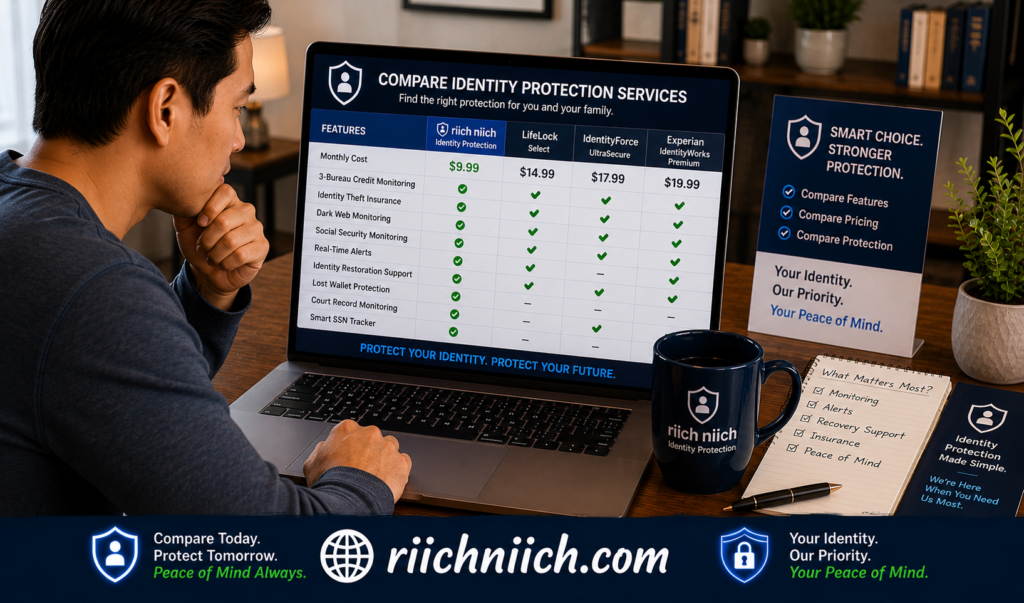
Not all identity theft protection services offer the same features.
Some plans may include:
- Three-bureau credit monitoring
while others provide only:
- One-bureau monitoring
Insurance limits, family coverage, and monitoring capabilities can also differ significantly.
This makes comparing providers an important part of the buying process.
Some Alerts May Require Action From You
Receiving an alert does not automatically solve the problem.
Users may still need to:
- Verify suspicious activity
- Contact financial institutions
- Change passwords
- Freeze credit reports
- Respond to fraud notifications
Identity monitoring services can alert you to potential issues, but they cannot handle every situation automatically.
Free Security Tools Can Cover Some Risks
Many consumers already use free security measures such as:
- Multi-factor authentication
- Password managers
- Credit freezes
- Bank security alerts
- Free credit monitoring
For highly proactive individuals, these tools may provide adequate protection without paying for a subscription.
Weighing the Benefits Against the Drawbacks
When evaluating is identity theft protection worth it, the decision often comes down to convenience, risk tolerance, and the value you place on professional monitoring.
If you’ve experienced a data breach, manage multiple financial accounts, want dark web monitoring, or prefer professional recovery assistance, the benefits may easily outweigh the costs.
According to the Federal Deposit Insurance Corporation (FDIC) Consumer Fraud Resources, proactive monitoring and rapid response remain important components of protecting yourself from financial fraud and identity theft.
The Bottom Line
The best identity theft protection services offer meaningful benefits, including fraud detection, dark web monitoring, identity theft insurance, and recovery assistance. At the same time, they are not a substitute for good security habits and cannot eliminate all risks.
For many people—especially those affected by data breaches, families, seniors, and individuals with significant online exposure—consider asking, is identity theft protection is worth it because the added monitoring, convenience, and recovery support provide valuable peace of mind.
Best Identity Theft Protection Services in 2026
If you’re asking, is identity theft protection worth it and your answer is “Yes!”, the next step is choosing the right provider. While many services offer similar features, the best identity theft protection services stand out by combining comprehensive monitoring, fast alerts, recovery assistance, and identity theft insurance into a single platform.
The ideal choice depends on your budget, family size, risk level, and the type of protection you’re looking for. Below are some of the most popular identity theft protection services available in 2026.
1. Aura – Best Overall Identity Theft Protection
Aura consistently ranks among the most comprehensive identity protection plans available.
Key features include:
- Three-bureau credit monitoring
- Dark web monitoring
- Identity theft insurance
- Financial account monitoring
- Fraud alerts
- Family protection plans
- Identity recovery assistance
Aura also bundles additional cybersecurity tools such as antivirus protection, VPN services, and password management, making it an attractive all-in-one security solution.
For consumers asking, is identity theft protection worth it, Aura often provides one of the strongest combinations of protection and convenience.
👉 For most consumers seeking a balance of protection, monitoring, and ease of use, Aura remains our top overall recommendation for identity theft protection in 2026.
2. Identity Guard – Strong AI-Powered Monitoring
Identity Guard is known for using advanced monitoring technology to help identify suspicious activity.
Popular features include:
- Credit monitoring
- Dark web monitoring
- High-risk transaction alerts
- Data breach notifications
- Identity theft insurance
- Dedicated recovery support
Identity Guard offers plans for both individuals and families, making it a popular option for households seeking broader protection.
👉 For consumers looking for AI-powered identity monitoring, fraud alerts, and family protection features, Identity Guard remains one of the most trusted identity theft protection services available today.
3. LifeLock – Established Industry Leader
LifeLock remains one of the most recognizable names in identity theft protection.
Its services typically include:
- Identity monitoring
- Credit monitoring
- Dark web monitoring
- Identity theft insurance
- Norton cybersecurity integration
LifeLock appeals to consumers who prefer a well-known brand with extensive monitoring capabilities.
4. Experian IdentityWorks – Best for Credit Monitoring
Experian IdentityWorks is a strong choice for individuals who place a high priority on credit-related protection.
Features may include:
- Credit monitoring
- Credit score tracking
- Identity monitoring
- Dark web surveillance
- Fraud resolution support
Because Experian is one of the major credit bureaus, its monitoring tools are often especially useful for consumers focused on protecting their credit profiles.
Trying to choose between monitoring-focused and all-in-one protection? Compare the differences in our guide to Aura vs Experian IdentityWorks.
5. IdentityIQ – Budget-Friendly Monitoring
IdentityIQ is often selected by consumers seeking affordable identity monitoring services.
Common features include:
- Credit monitoring
- Credit reports
- Fraud alerts
- Identity theft insurance
- Credit score tracking
While feature sets vary by plan, IdentityIQ can be an attractive option for users looking for basic identity protection at a lower monthly cost.
What Features Should You Prioritize?
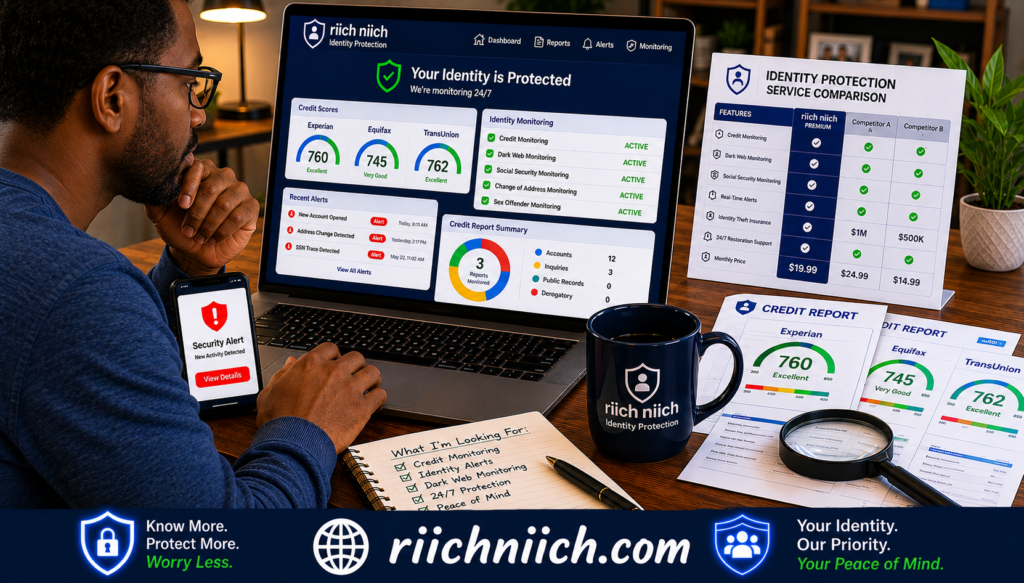
When comparing identity protection plans, look for:
- Credit monitoring
- Dark web monitoring
- Data breach alerts
- Identity theft insurance
- Recovery assistance
- Family protection options
- Financial account monitoring
Not every provider includes the same features, so comparing plans carefully can help you find the best value.
Which Service Is Best for Most People?
For most consumers, Aura provides one of the strongest overall packages because it combines identity theft protection with additional cybersecurity tools.
However:
- Families may prefer providers with strong child monitoring features.
- Seniors may prioritize recovery assistance and fraud alerts.
- Budget-conscious users may prefer lower-cost monitoring plans.
- Credit-focused users may favor providers with extensive credit monitoring capabilities.
This is why there is no single best identity monitoring service for everyone.
How to Compare Providers
Before choosing a service, consider:
- Number of credit bureaus monitored
- Insurance coverage limits
- Family plan availability
- Recovery support quality
- Additional security features
- Pricing structure
According to the Better Business Bureau Scam Prevention Resources, consumers should carefully evaluate security services and compare features before making a purchasing decision.
The Bottom Line
If you’re wondering, is identity theft protection worth it, choosing the right provider can make a significant difference. The best identity theft protection services in 2026 offer more than simple credit monitoring—they provide dark web monitoring, fraud alerts, identity recovery assistance, and insurance coverage designed to help you respond quickly if your personal information is compromised.
Why Aura Is One of the Most Popular Identity Theft Protection Services
If you’ve been researching, is identity theft protection worth it, you’ve probably come across Aura. Over the past several years, Aura has become one of the most widely recommended identity theft protection services because it combines identity monitoring, fraud protection, and cybersecurity tools into a single platform.
Want a full breakdown of pricing, features, and performance? Read our complete Aura Review: Is Aura Worth It?
While many providers focus primarily on credit monitoring, Aura offers a broader approach designed to help protect users from a wide range of identity theft and online security threats.
Comprehensive Identity Monitoring
One reason Aura has gained popularity is its extensive monitoring capabilities.
Depending on the plan, Aura may include:
- Three-bureau credit monitoring
- Dark web monitoring
- Social Security number monitoring
- Financial account monitoring
- Data breach alerts
- Fraud notifications
Instead of monitoring only one aspect of your identity, Aura tracks multiple areas where criminals commonly target personal information.
For consumers comparing identity monitoring services, this broader coverage is often a major reason they consider is identity theft protection worth it.
Fast Fraud Alerts
Speed matters when dealing with identity theft.
The faster suspicious activity is detected, the easier it becomes to minimize damage and secure affected accounts.
Aura is known for providing real-time alerts that notify users about potential issues such as:
- Credit inquiries
- New account openings
- Personal information exposure
- Suspicious financial activity
These alerts help users respond quickly before fraud becomes a larger problem.
Identity Theft Insurance Coverage
Many consumers choose Aura because of its identity theft insurance benefits.
Identity theft insurance may help cover certain expenses associated with identity recovery, such as:
- Legal fees
- Lost wages
- Administrative costs
- Recovery-related expenses
While insurance should never be the sole reason to choose a service, it can provide additional peace of mind for individuals concerned about identity theft.
Dedicated Identity Recovery Assistance
One of the most valuable features offered by Aura is access to identity recovery specialists.
If identity theft occurs, recovery experts can help users:
- Report fraud
- Contact creditors
- Restore credit records
- Resolve account issues
- Navigate the recovery process
This support can significantly reduce the stress and confusion that often accompanies identity theft.
Additional Cybersecurity Tools
Unlike some identity protection plans that focus solely on monitoring, Aura includes several cybersecurity features designed to strengthen overall online security.
Depending on your subscription, these may include:
- VPN protection
- Password manager tools
- Antivirus protection
- Safe browsing features
This all-in-one approach appeals to users who want both identity protection and cybersecurity tools under a single subscription.
For many households, this added value reinforces is identity theft protection worth it, especially when compared to purchasing multiple separate services.
Strong Family Protection Options
Families often need protection for more than one person.
Aura offers family plans that may include monitoring for:
- Adults
- Children
- Shared household information
Child identity theft is an often-overlooked threat, and family monitoring can help parents detect issues before they become long-term problems.
User-Friendly Experience
Another reason Aura remains popular is its simple and intuitive interface.
Many users appreciate having:
- One dashboard
- Centralized alerts
- Easy-to-understand reports
- Mobile app access
This simplicity makes identity monitoring more accessible, even for individuals who are not particularly tech-savvy.
How Aura Compares to Basic Credit Monitoring
Many consumers start with free credit monitoring and eventually realize they want broader protection.
While free services often focus on credit activity, Aura combines:
- Credit monitoring
- Dark web monitoring
- Identity monitoring
- Recovery assistance
- Cybersecurity tools
This wider range of protection is one reason Aura consistently appears among the top-rated identity theft protection services.
According to the Federal Communications Commission (FCC) Cybersecurity Resources, proactive monitoring and strong account security remain essential for reducing identity theft risks and protecting personal information online.
The Bottom Line
For individuals evaluating is identity theft protection worth it, Aura stands out because it combines identity monitoring, fraud alerts, identity theft insurance, recovery assistance, and cybersecurity tools into a single platform.
While no identity protection service can completely prevent identity theft, Aura’s comprehensive approach helps users detect threats earlier and respond more effectively if their personal information is compromised. This combination of convenience, monitoring, and support is a major reason why Aura continues to be one of the most popular identity theft protection services available today.
How to Choose the Right Identity Theft Protection Service
If you are deciding “Yes!” to, is identity theft protection worth it, the next challenge is choosing the right provider. With so many identity monitoring services available, comparing plans can quickly become overwhelming.
The good news is that most of the best identity theft protection services share a few core features. By focusing on the areas that matter most, you can find a service that fits your needs, budget, and risk level.
Look for Comprehensive Monitoring
The first thing to evaluate is the type of monitoring included.
A quality identity protection plan should ideally offer:
- Credit monitoring
- Dark web monitoring
- Data breach alerts
- Social Security number monitoring
- Financial account monitoring
- Personal information monitoring
The broader the monitoring coverage, the more opportunities you have to detect fraud before it causes significant damage.
Check How Many Credit Bureaus Are Monitored
Not all credit monitoring services are the same.
Some providers monitor only one credit bureau, while others monitor all three major bureaus:
- Experian
- Equifax
- TransUnion
Three-bureau monitoring generally provides more complete visibility into potential credit-related fraud.
For consumers who are thinking about is identity theft protection worth it, this is often one of the most important features to compare.
Evaluate Dark Web Monitoring Capabilities
Dark web monitoring has become increasingly valuable because personal information exposed in data breaches often appears on underground marketplaces.
Look for services that monitor:
- Email addresses
- Passwords
- Social Security numbers
- Phone numbers
- Financial information
Receiving early alerts about exposed information can give you time to secure your accounts before criminals misuse the data.
Review Identity Theft Insurance Coverage
Many identity theft protection services include identity theft insurance, but coverage limits can vary significantly.
When comparing plans, consider:
- Coverage limits
- Eligible expenses
- Lost wage reimbursement
- Legal expense reimbursement
- Recovery-related costs
Insurance should not be the only factor in your decision, but it can provide additional protection if identity theft occurs.
Compare Recovery Assistance
One of the most valuable features of identity monitoring services is identity recovery support.
If fraud happens, recovery specialists can help you:
- File reports
- Contact creditors
- Dispute fraudulent accounts
- Restore credit records
- Navigate the recovery process
The quality of recovery assistance often separates premium identity protection plans from basic monitoring services.
Consider Family Protection Features
If you have children or multiple household members, family protection plans may offer better value than purchasing separate subscriptions.
Some providers offer:
- Child identity monitoring
- Multiple adult profiles
- Family-wide alerts
- Shared security dashboards
For households concerned about protecting several people, is identity theft protection worth it for family coverage is a great question to ask for peace of mind.
Look for Additional Security Tools
Some providers go beyond identity monitoring and include cybersecurity features such as:
- VPN services
- Password managers
- Antivirus software
- Safe browsing tools
These additional features can help strengthen your overall online security and reduce your need for separate subscriptions.
Compare Pricing Carefully
The cheapest plan is not always the best value.
When comparing identity protection plans, ask yourself:
- What monitoring features are included?
- How much insurance coverage is offered?
- Is family protection available?
- Are cybersecurity tools included?
- What level of recovery assistance is provided?
A slightly higher-priced service may offer significantly more protection and support.
Read Independent Reviews and Reputation Scores
Before choosing a provider, spend time reviewing customer feedback and independent evaluations.
Look for information about:
- Alert accuracy
- Customer service quality
- Recovery assistance effectiveness
- Ease of use
- Overall satisfaction
According to the Consumer Reports Online Security Guidance, consumers should compare security services carefully and focus on features that align with their individual risks and needs.
Match the Service to Your Risk Level
The best identity theft protection service for you depends largely on your circumstances.
If you’re deciding between two leading providers, check out our detailed comparison of Aura vs Identity Guard.
You may benefit from a more comprehensive plan if you:
- Have experienced a data breach
- Manage multiple financial accounts
- Have significant online exposure
- Want family protection
- Prefer automated monitoring
- Want professional recovery assistance
The higher your risk level, the more imperative it is to ask yourself is identity theft protection worth it as a proactive security investment.
The Bottom Line
Choosing the right identity protection plan is about balancing monitoring, recovery support, insurance coverage, and overall value. The best identity theft protection services provide comprehensive monitoring, fast fraud alerts, dark web monitoring, and identity recovery assistance that help protect you before small problems become major issues.
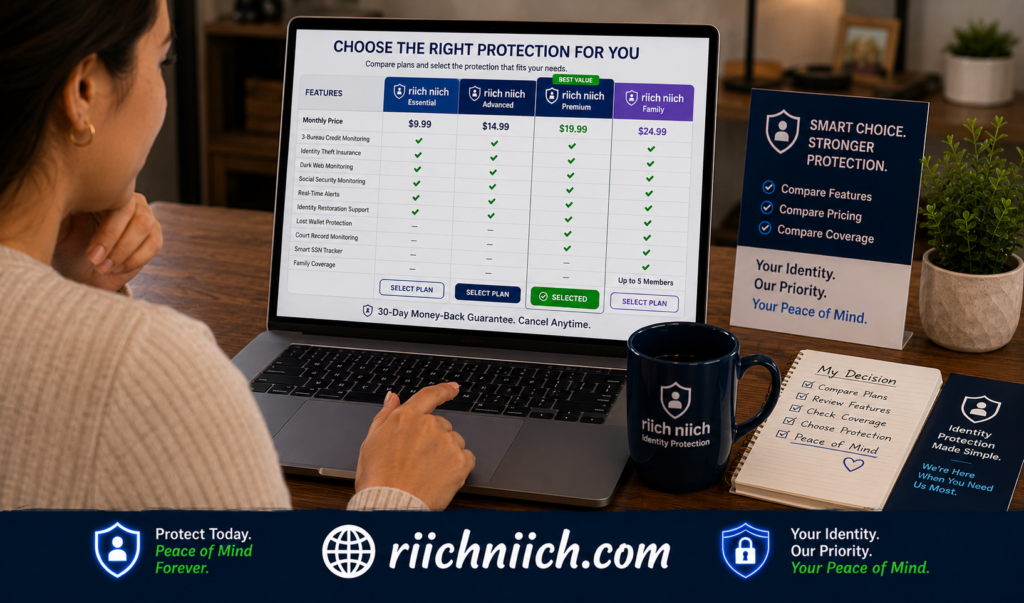
Frequently Asked Questions About Identity Theft Protection
Is Identity Theft Protection Worth It?
Many people need to decide is identity theft protection worth it because it provides ongoing monitoring, fraud alerts, dark web monitoring, identity theft insurance, and recovery assistance. While no service can completely prevent identity theft, the best identity theft protection services can help detect suspicious activity early and simplify the recovery process if fraud occurs.
Individuals who have experienced data breaches, manage multiple financial accounts, or want automated monitoring often find the additional protection worthwhile.
Can Identity Theft Protection Prevent Identity Theft?
No. Identity theft protection services cannot guarantee that identity theft will never happen.
Instead, identity monitoring services are designed to:
- Detect suspicious activity
- Alert you to potential threats
- Help you respond quickly
- Assist with recovery if fraud occurs
Think of identity protection plans as an early warning system rather than a complete prevention tool.
What Is the Difference Between Credit Monitoring and Identity Theft Protection?
Credit monitoring focuses primarily on changes to your credit reports, such as:
- New credit inquiries
- New account openings
- Credit score changes
Identity theft protection services often provide broader coverage that may include:
- Dark web monitoring
- Data breach alerts
- Social Security number monitoring
- Identity theft insurance
- Recovery assistance
This expanded coverage is one reason many consumers decide is identity theft protection worth it compared to basic credit monitoring alone.
Is Free Credit Monitoring Enough?
For some people, free credit monitoring may provide adequate protection.
However, free services often do not include:
- Dark web monitoring
- Identity recovery assistance
- Identity theft insurance
- Personal information monitoring
If you want broader protection and faster fraud detection, a paid identity protection service may offer greater value.
What Happens If My Identity Is Stolen?
If identity theft occurs, most identity protection plans provide access to recovery specialists who can help you:
- Report fraud
- Contact creditors
- Dispute fraudulent accounts
- Restore your credit
- Navigate the recovery process
If you suspect fraud has already occurred, follow the steps outlined in our guide on What To Do Immediately If Your Identity Is Stolen.
Many providers also include identity theft insurance that may reimburse eligible recovery-related expenses.
Is Identity Theft Protection Worth It After a Data Breach?
In many cases, yes. After a data breach, your personal information may be exposed to cybercriminals and could remain vulnerable for months or years.
Because identity theft often occurs long after the original breach, many consumers should consider is identity theft protection worth it because it provides ongoing monitoring and alerts for potential misuse of their information.
Which Identity Theft Protection Service Is Best?
The best identity theft protection service depends on your needs.
Popular options include:
- Aura
- Identity Guard
- LifeLock
- Experian IdentityWorks
- IdentityIQ
When comparing identity monitoring services, consider factors such as monitoring coverage, insurance limits, family protection options, recovery assistance, and pricing.
Do Families Need Identity Theft Protection?
Many families choose identity protection plans because they provide monitoring for multiple household members, including children.
Family plans may help monitor:
- Adult identities
- Child identities
- Shared household information
- Credit activity
- Personal information exposure
For households managing multiple online accounts and financial profiles, ask yourself, is identity theft protection worth it, because it offers broader protection across the entire family.
Is Identity Theft Protection Worth It for Seniors?
Many seniors find identity theft protection valuable because they are frequent targets of scams, phishing attacks, and financial fraud.
Identity monitoring services can help protect:
- Retirement accounts
- Social Security information
- Financial accounts
- Personal information
Automated monitoring and recovery assistance can be especially useful for older adults who want additional security and peace of mind.
How Much Does Identity Theft Protection Cost?
Pricing varies by provider and plan.
Basic plans may start at a relatively low monthly cost, while premium plans often include:
- Three-bureau credit monitoring
- Family protection
- Dark web monitoring
- Cybersecurity tools
- Higher insurance limits
When evaluating costs, it’s important to compare features rather than focusing solely on price.
Is Identity Theft Insurance Included?
Many identity theft protection services include identity theft insurance, but coverage limits and benefits vary by provider.
Insurance may help cover:
- Legal expenses
- Lost wages
- Recovery costs
- Administrative fees
Always review policy details to understand exactly what is covered.
Can Children Become Victims of Identity Theft?
Yes. Child identity theft is a growing problem because children’s Social Security numbers can be used for years without detection.
Many family identity protection plans offer child monitoring services that help parents identify suspicious activity early.
According to the Federal Trade Commission Consumer Advice on Identity Theft, monitoring personal information and responding quickly to signs of fraud are important steps in reducing the impact of identity theft.
The Bottom Line
For most consumers, the answer to is identity theft protection worth it depends on their risk level, online exposure, and desire for automated monitoring. While free security tools provide a strong foundation, identity theft protection services offer additional monitoring, fraud detection, recovery assistance, and insurance coverage that can provide valuable peace of mind.
Conclusion: Is Identity Theft Protection Worth It?
So, is identity theft protection worth it?
For many people, the answer is yes.
While identity theft protection services cannot completely prevent identity theft, they can provide valuable tools that help detect fraud earlier, reduce recovery time, and offer support when problems arise. Features such as credit monitoring, dark web monitoring, data breach alerts, identity theft insurance, and recovery assistance can make a significant difference if your personal information is ever compromised.
The reality is that identity theft has become increasingly common in today’s digital world. Data breaches, phishing attacks, account takeovers, and online scams expose personal information every day. Even consumers who follow good cybersecurity practices may find their information caught up in a breach beyond their control.
This is why many consumers decide is identity theft protection worth it, particularly if they:
- Have been affected by a data breach
- Frequently shop or bank online
- Manage multiple financial accounts
- Want family protection
- Are concerned about dark web exposure
- Prefer automated monitoring and alerts
- Want professional identity recovery assistance
That said, identity theft protection is not necessary for everyone. Some people are comfortable managing their own security through free credit monitoring, credit freezes, strong passwords, multi-factor authentication, and regular account reviews.
If you’re highly proactive and consistently monitor your financial activity, free tools may provide enough protection for your needs.
However, for those seeking broader monitoring, faster fraud detection, and dedicated recovery support, identity protection plans often provide value that goes well beyond basic credit monitoring.
When choosing a provider, focus on features that matter most, including:
- Three-bureau credit monitoring
- Dark web monitoring
- Identity theft insurance
- Recovery assistance
- Family protection options
- Financial account monitoring
Among the leading identity monitoring services available today, Aura continues to stand out because it combines identity theft protection, fraud monitoring, and cybersecurity tools into one platform. For many consumers looking for an all-in-one solution, it remains one of the strongest options available.
Ultimately, is identity theft protection worth it depends on your personal risk level and how much peace of mind you want. If your information has already been exposed online, if you’ve experienced a data breach, or if you simply want an extra layer of protection against modern identity theft threats, a quality identity protection service can be a worthwhile investment.
According to the Identity Theft Resource Center Consumer Resources, early detection and quick response remain some of the most effective ways to reduce the long-term impact of identity theft. Having the right monitoring tools in place can help you identify problems sooner and respond before minor issues become major financial headaches.
If you’re ready to protect your personal information, monitor for fraud, and gain access to identity recovery support, investing in a trusted identity theft protection service may be one of the smartest security decisions you make this year.