

What happens after a data breach can be far more serious than most people realize. Stolen personal information can quickly spread across dark web marketplaces, scam networks, and identity theft operations, putting your accounts, finances, and privacy at risk. In this guide, you’ll learn how hackers use leaked data, the warning signs your information was exposed, and the best ways to protect yourself from identity theft, financial fraud, and future cyber threats after a data breach.
Table of Contents
What Happens After a Data Breach?
When people ask what happens after a data breach, they are often shocked to learn that the damage usually starts long before they notice anything is wrong. Stolen personal information can spread across hacker forums, dark web marketplaces, scam networks, and data broker databases within days or even hours. That exposure can lead to identity theft, phishing attacks, financial fraud, hacked accounts, and long-term privacy risks.
Understanding what happens after a data breach is important because cybercriminals rarely stop after stealing data. They often use leaked information repeatedly for scams, account takeovers, and identity theft attempts. The faster you respond, the better chance you have of protecting your personal information and reducing future risks.
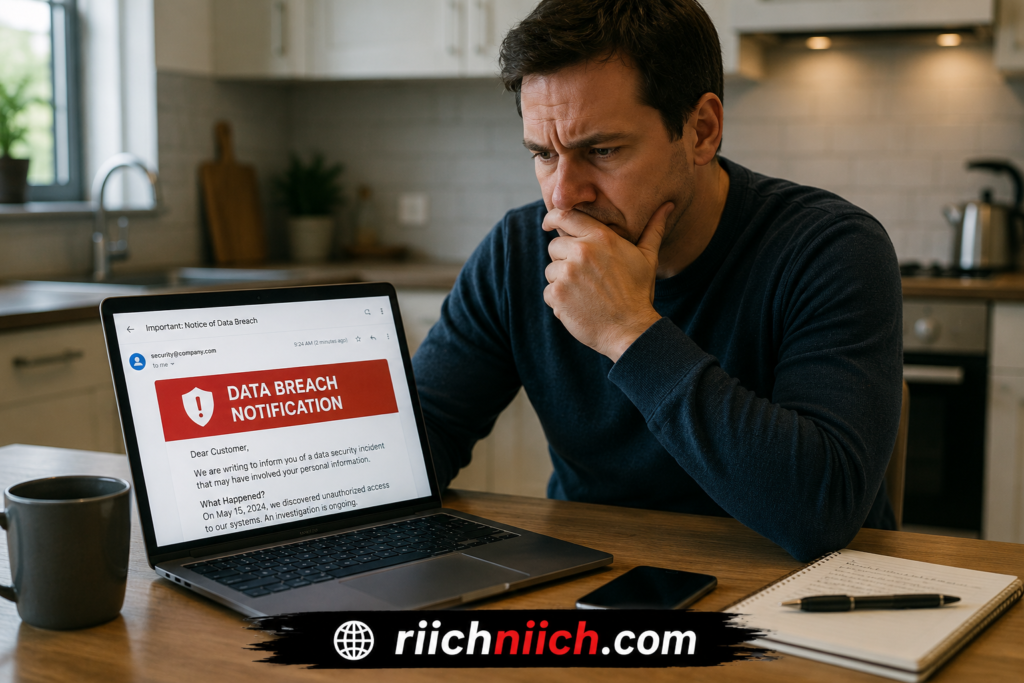
According to the Federal Trade Commission (FTC) Identity Theft Resources, stolen personal information is commonly used for fraudulent purchases, fake account creation, tax fraud, and phishing scams. Many victims do not realize their information was compromised until months later.
Data breaches have become extremely common because companies store massive amounts of sensitive information online. Even large organizations with strong cybersecurity systems can experience breaches caused by hackers, insider threats, ransomware attacks, or exposed databases.
After a breach, criminals often sort stolen information into categories such as:
- Email addresses
- Passwords
- Phone numbers
- Social Security numbers
- Credit card details
- Banking information
- Home addresses
- Medical records
- Login credentials
That information may then be sold, traded, or reused across multiple cybercrime operations.
The Cybersecurity & Infrastructure Security Agency (CISA) Data Breach Guidance explains that exposed login credentials are especially dangerous because hackers often attempt “credential stuffing” attacks. This means they use stolen passwords to try logging into banking accounts, email accounts, shopping websites, and social media platforms.
One of the biggest risks after a breach is identity theft. Criminals may use stolen information to:
- Open fraudulent credit accounts
- Apply for loans
- File fake tax returns
- Commit insurance fraud
- Access financial accounts
- Impersonate victims online
Many people underestimate how long these problems can continue. Some stolen information remains active on dark web marketplaces for years.
According to the Identity Theft Resource Center (ITRC), data breaches frequently lead to phishing attacks where scammers pretend to be legitimate companies. Hackers may already know your email address, phone number, or partial account details, making fake messages appear more convincing.
This is why many victims suddenly experience:
- Increased spam emails
- Scam phone calls
- Fake banking alerts
- Password reset attempts
- Unrecognized login notifications
If you notice these warning signs after a breach, it may indicate your information is actively being targeted by cybercriminals.
Another major concern is dark web exposure. Stolen data is often uploaded to hidden online marketplaces where criminals buy and sell personal information in bulk. Some databases contain millions of leaked records from multiple breaches combined together.
The National Institute of Standards and Technology (NIST) Cybersecurity Tips recommends monitoring accounts closely after a breach and changing passwords immediately, especially if the same password was reused across multiple websites.
Strong password habits are critical because reused passwords can allow hackers to access multiple accounts from a single breach. Many cybersecurity experts recommend using password managers to create unique passwords for every account.
In addition to financial risks, data breaches can also expose private conversations, medical information, work documents, and personal photos. Some victims experience emotional stress, damaged credit scores, and long-term recovery challenges after their information is leaked online.
If your information was exposed, taking immediate action can help reduce damage. Important steps include:
- Changing passwords
- Enabling multi-factor authentication
- Monitoring bank accounts
- Freezing your credit
- Watching for phishing scams
- Checking dark web monitoring alerts
- Removing exposed information from broker websites
Many people also use identity protection services and data removal tools after breaches to help monitor suspicious activity and reduce online exposure.
The U.S. Department of Justice Identity Theft Resources explains that early detection is one of the most effective ways to minimize identity theft damage after a breach.
Data removal services can also help reduce future risks by removing personal information from people-search websites and data broker databases. This makes it harder for scammers and cybercriminals to collect additional information about you online.
The reality is that what happens after a data breach depends heavily on how quickly you respond. Some people experience only minor spam increases, while others face serious financial fraud or identity theft attempts.
Protecting yourself after a breach often requires a combination of:
- Strong passwords
- Identity monitoring
- Privacy protection
- Credit monitoring
- Data removal services
- Secure browsing habits
- Multi-factor authentication
These layers of protection help reduce the chances of hackers successfully exploiting leaked information in the future.
For many people, the biggest mistake is assuming nothing will happen after receiving a breach notification. Cybercriminals often wait weeks or months before using stolen data, making it important to stay alert long after the original breach occurs.
Understanding what happens after a data breach can help you take faster action, protect your accounts, and reduce long-term risks before cybercriminals have an opportunity to exploit your personal information further.
How Data Breaches Expose Your Personal Information
Understanding what happens after a data breach starts with understanding how your personal information becomes exposed in the first place. Many people assume hackers only target passwords or credit card numbers, but modern data breaches often expose much more sensitive information than people realize.
When companies collect customer information, they often store large amounts of personal data in online databases, cloud systems, payment processors, employee networks, and third-party applications. If hackers gain access to those systems, they can steal thousands — or even millions — of records at once.
According to the IBM Cost of a Data Breach Report, personal information exposed during breaches can include:
- Full names
- Email addresses
- Passwords
- Phone numbers
- Home addresses
- Banking information
- Credit card numbers
- Social Security numbers
- Medical records
- Login credentials
This stolen information becomes valuable to cybercriminals because it can be used for identity theft, phishing scams, financial fraud, and account takeovers.
One of the biggest reasons data breaches are so dangerous is that many people reuse passwords across multiple websites. If hackers steal login credentials from one platform, they often try using those same credentials on banking apps, email accounts, shopping websites, and social media platforms.
This process is commonly known as credential stuffing.
The Microsoft Security Insider Guide explains that hackers frequently automate these attacks using software tools that test stolen usernames and passwords across thousands of websites in minutes.
Data breaches can happen in several different ways, including:
- Phishing attacks
- Weak passwords
- Malware infections
- Insider threats
- Exposed cloud storage
- Unsecured databases
- Ransomware attacks
- Third-party vendor breaches
Sometimes companies do not even realize they were breached until months later. During that time, hackers may already be collecting and selling customer information online.
Another major problem is that stolen information rarely stays in one place. Many people do not realize how quickly companies, apps, and online services spread personal information online. Learn more in our guide on How Your Personal Data Ends Up Online. After a breach, personal data is often shared across cybercriminal forums and dark web marketplaces where other hackers can purchase or trade the information.
The Experian Data Breach Resource Center notes that exposed information can continue circulating online for years after the original breach occurs. Even old breaches can still create identity theft risks long after the company publicly reports the incident.
This is one reason why people suddenly experience:
- Scam calls
- Spam emails
- Fake banking alerts
- Suspicious password reset requests
- Fraudulent account activity
Many victims do not immediately connect these warning signs to an earlier data breach.
In some cases, hackers combine stolen information from multiple breaches together to create highly detailed profiles on individuals. This can make phishing scams much more convincing because scammers may already know your name, address, phone number, workplace, or past account information.
The Federal Communications Commission (FCC) Cybersecurity Tips recommends monitoring your accounts closely after breaches because exposed personal data can be used for social engineering attacks designed to trick victims into revealing even more information.
Another serious concern is financial fraud. If banking information or payment card data is exposed, criminals may attempt unauthorized purchases, withdrawals, or fake account applications. Some cybercriminals also use stolen personal information to apply for loans or credit cards in someone else’s name.
This is why many experts recommend:
- Monitoring credit reports
- Setting fraud alerts
- Freezing your credit
- Using identity monitoring services
- Enabling multi-factor authentication
These steps can help reduce the chances of criminals successfully using your stolen information.
Data breaches can also expose information that people normally consider private, including medical records, private conversations, tax information, and personal documents. In some cases, hackers may even attempt blackmail or extortion using sensitive data.
The Privacy Rights Clearinghouse Data Breach Information explains that consumers should take data breach notifications seriously, even if the exposed information seems minor at first. Small pieces of information can often be combined together for identity theft and fraud attempts.
For example, an exposed email address combined with a leaked password may allow hackers to:
- Access cloud storage
- Reset passwords on other accounts
- Steal saved payment methods
- Access private documents
- Take over social media accounts
This creates a chain reaction where one breach can quickly spread into multiple security problems.
Many people also underestimate how public data broker websites contribute to exposure risks after breaches. Once your information is leaked online, scammers and cybercriminals may use data broker sites to collect even more details about you, including relatives, addresses, phone numbers, and property records.
This is one reason why some people use data removal services after breaches to reduce how much personal information remains publicly accessible online.
The reality is that what happens after a data breach often depends on how much information was exposed and how quickly you take action. Hackers move fast after breaches, and stolen data can spread rapidly across criminal networks.
Protecting yourself after a breach may include:
- Changing passwords immediately
- Using unique passwords for every account
- Enabling multi-factor authentication
- Monitoring financial activity
- Watching for phishing scams
- Removing exposed personal information online
- Using identity theft monitoring services
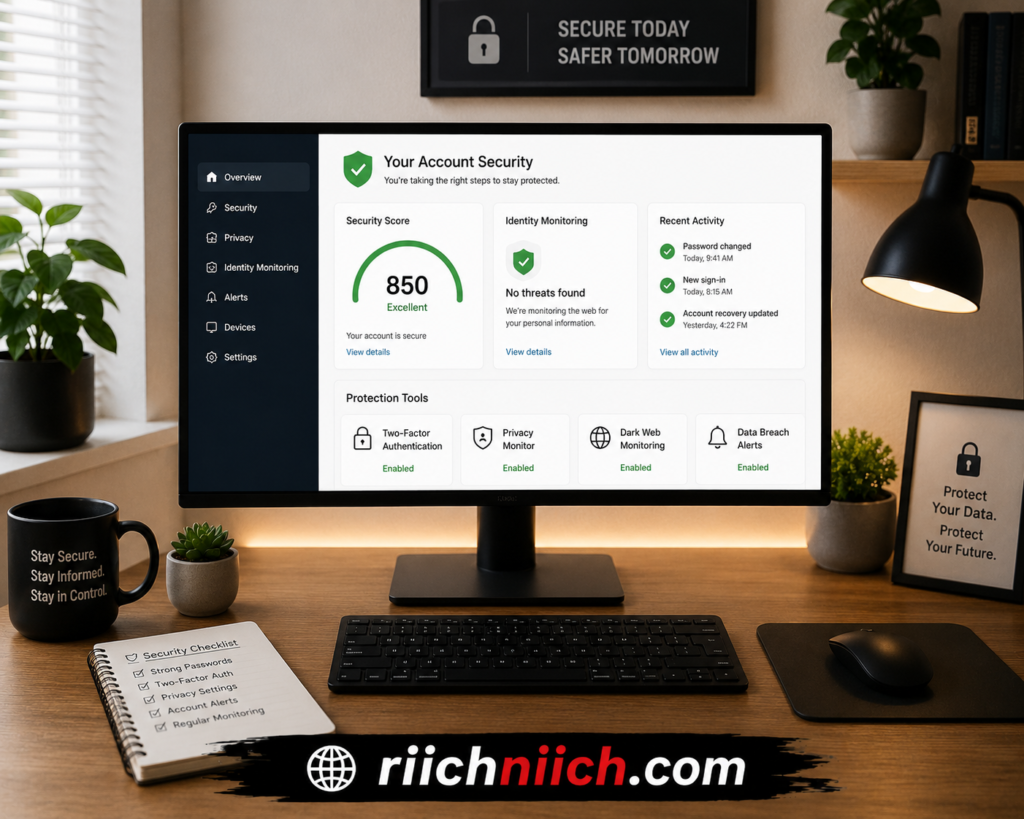
Understanding how data breaches expose personal information can help you recognize risks earlier and take steps to protect your identity, accounts, and financial security before cybercriminals cause even more damage.
What Information Hackers Steal During a Data Breach
To fully understand what happens after a data breach, it is important to understand exactly what hackers are trying to steal. Many people assume cybercriminals only want credit card numbers, but modern data breaches often expose large amounts of personal information that can be used for identity theft, scams, account takeovers, and financial fraud.
Hackers target valuable personal data because it can be sold, reused, or combined with other leaked information to create detailed profiles on victims. Even information that seems harmless on its own can become dangerous when combined with data from other breaches.
According to the IdentityTheft.gov Data Breach Guidance, some of the most commonly stolen types of information include:
- Full names
- Email addresses
- Passwords
- Phone numbers
- Home addresses
- Social Security numbers
- Credit card details
- Banking information
- Medical records
- Driver’s license numbers
This information can be used for everything from phishing scams to opening fraudulent accounts.
One of the most valuable pieces of stolen data is login credentials. If hackers gain access to usernames and passwords, they often try using those credentials across multiple websites and apps. This is especially dangerous when people reuse passwords on different accounts.
A single leaked password could potentially expose:
- Email accounts
- Banking apps
- Shopping websites
- Cloud storage
- Social media accounts
- Streaming services
The Google Safety Center Password Security Tips explains that reused passwords significantly increase the risk of account takeovers after breaches because hackers automate login attempts across popular websites.
Email addresses are another major target during data breaches. Want to understand how cybercriminals collect email addresses in the first place? Read our guide on How Hackers Get Your Email Address. Once hackers obtain email addresses, they may use them for:
- Phishing emails
- Spam campaigns
- Fake password reset messages
- Malware distribution
- Scam promotions
In many cases, scammers already know partial account information, making fake messages appear more legitimate and convincing.
Hackers also heavily target financial information. If payment details are exposed during a breach, criminals may attempt unauthorized purchases, fraudulent withdrawals, or fake loan applications.
Financial information commonly stolen during breaches includes:
- Debit card numbers
- Credit card numbers
- Bank account details
- Billing addresses
- Payment history
The Consumer Financial Protection Bureau (CFPB) Identity Theft Resources recommends monitoring bank statements and credit reports carefully after a breach because fraudulent activity may not appear immediately.
Social Security numbers are considered one of the most dangerous forms of stolen data because they can be used for identity theft and fraud. Criminals may use stolen Social Security numbers to:
- Open credit accounts
- Apply for loans
- File fake tax returns
- Access government benefits
- Create fake identities
Unlike passwords, Social Security numbers are difficult to replace, which makes breaches involving this information especially serious.
Medical records are also becoming a growing target for hackers. Healthcare breaches often expose highly sensitive information such as:
- Insurance details
- Medical histories
- Prescription information
- Patient records
- Personal identification details
Some cybercriminals sell medical records on dark web marketplaces because they can be used for insurance fraud or identity theft.
The U.S. Department of Health & Human Services Breach Information explains that healthcare-related breaches have increased significantly in recent years due to the high value of medical data.
Another commonly overlooked target is personal documents and private communications. Some breaches expose:
- Tax documents
- Work files
- Private messages
- Photos
- Contracts
- Stored cloud files
Hackers may use this information for blackmail, extortion, or social engineering attacks.
Cybercriminals also collect information from multiple breaches and combine it together into larger profiles. For example, one breach may expose your email address while another reveals your phone number and home address. Combined together, that information creates a much bigger privacy risk.
This is one reason why data broker websites and people-search platforms can increase risks after breaches. Once criminals know basic details about you, they may search for additional information online to make scams more convincing.
The Mozilla Privacy Not Included Guide highlights how personal information collected online can spread across multiple companies and databases, making it difficult to fully remove once exposed.
Another growing concern is stolen authentication data, including:
- Security questions
- Recovery email addresses
- Backup phone numbers
- Authentication tokens
Hackers can use this information to bypass account recovery systems and lock victims out of their own accounts.
Because of these risks, cybersecurity experts strongly recommend taking immediate action after a breach by:
- Changing passwords
- Enabling multi-factor authentication
- Monitoring account activity
- Watching for phishing scams
- Freezing credit if necessary
- Removing exposed personal information online
Many people also use identity monitoring services and privacy tools after breaches to reduce long-term exposure risks.
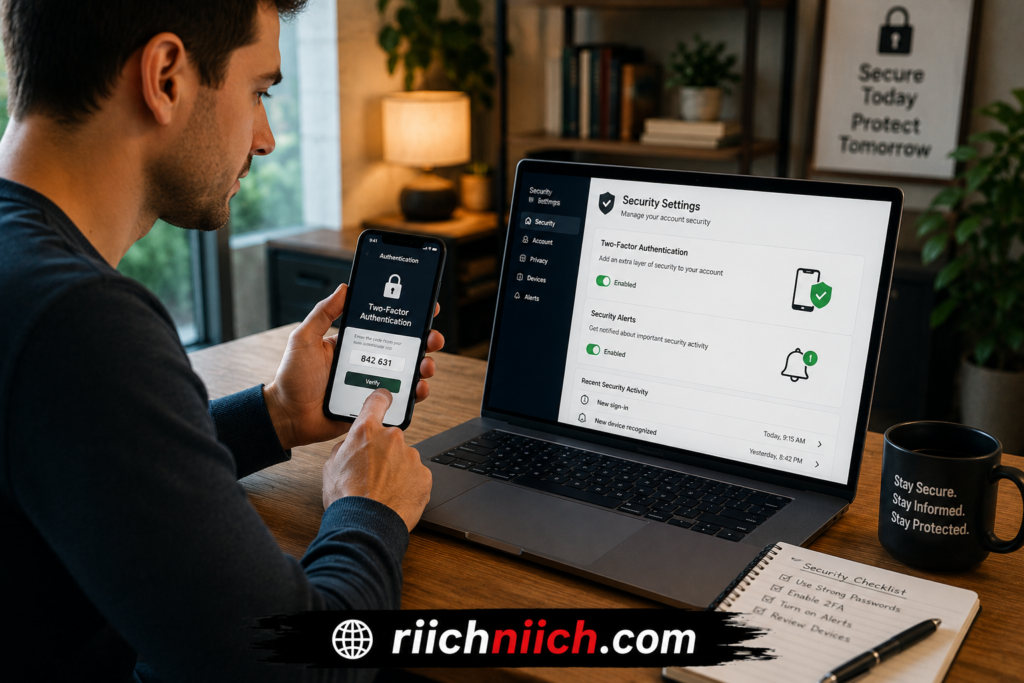
The reality is that what happens after a data breach often depends on the type of information hackers manage to steal. The more detailed the exposed data is, the easier it becomes for criminals to commit fraud, impersonate victims, or launch targeted scams.
Understanding what information hackers steal during data breaches can help you recognize risks earlier and take stronger steps to protect your accounts, finances, and personal identity before cybercriminals can cause even more damage.
What Criminals Do With Stolen Personal Data
To understand what happens after a data breach, it is important to understand what criminals actually do with stolen personal information. Most hackers are not stealing data simply to look at it. Personal data has become extremely valuable because it can be sold, traded, reused, and exploited in many different ways.
Once cybercriminals gain access to stolen information, they often move quickly to profit from it before victims realize their accounts or identities have been compromised.
According to the Federal Bureau of Investigation (FBI) Internet Crime Complaint Center, stolen personal information is commonly used for:
- Identity theft
- Financial fraud
- Phishing scams
- Account takeovers
- Fake loan applications
- Tax fraud
- Insurance fraud
- Social engineering attacks
Many victims never realize how much damage stolen data can cause until fraudulent activity begins appearing on their accounts or credit reports.
One of the most common things criminals do after a data breach is sell stolen information online. Cybercriminal marketplaces on the dark web often contain massive databases filled with leaked:
- Email addresses
- Passwords
- Phone numbers
- Credit card details
- Social Security numbers
- Banking credentials
The more complete the information is, the more valuable it becomes to other criminals.
The Europol Cybercrime Centre explains that cybercriminal groups frequently exchange stolen information through underground marketplaces, making data breaches a long-term risk even years after the original incident.
Another major threat is account takeovers. If criminals obtain usernames and passwords, they often attempt to log into:
- Email accounts
- Banking apps
- Shopping websites
- Social media platforms
- Cloud storage services
This becomes especially dangerous when people reuse passwords across multiple accounts.
Once criminals gain access to an email account, they may reset passwords on other connected accounts, giving them even broader access to sensitive information and financial services.
Criminals also use stolen personal information for phishing attacks. Because they may already know your name, email address, or phone number, scammers can create highly convincing fake messages pretending to come from:
- Banks
- Credit card companies
- Government agencies
- Delivery services
- Employers
- Social media platforms
These scams are designed to trick victims into revealing even more information or downloading malicious software.
The Anti-Phishing Working Group (APWG) Cybersecurity Resources warns that phishing attacks often increase significantly after major data breaches because criminals already possess verified contact information from victims.
Identity theft is another major risk after a breach. Criminals may use stolen information to:
- Open new credit accounts
- Apply for loans
- File fraudulent tax returns
- Rent apartments
- Access medical services
- Commit employment fraud
Some identity theft victims spend months or even years trying to repair damaged credit and financial records. If you believe someone is already using your information fraudulently, follow our step-by-step guide on What To Do Immediately If Your Identity Is Stolen.
Financial fraud is also extremely common. Criminals may attempt unauthorized:
- Purchases
- Bank transfers
- Cash withdrawals
- Wire transfers
- Payment app transactions
Even small pieces of stolen information can sometimes be enough to bypass weak account security systems.
The Federal Deposit Insurance Corporation (FDIC) Consumer Protection Resources recommends monitoring financial statements carefully after a breach because suspicious activity may not appear immediately.
Some criminals also use stolen information for social engineering attacks. This means manipulating victims into voluntarily sharing additional sensitive information.
For example, scammers may pretend to be:
- Technical support agents
- Bank fraud departments
- Employers
- Customer service representatives
- Government officials
Because they already know some personal details, their scams often appear more legitimate and trustworthy.
Another growing problem is credential stuffing. After breaches expose usernames and passwords, criminals use automated tools to test those credentials across multiple websites.
If successful, hackers may gain access to:
- Streaming accounts
- Shopping accounts
- Travel rewards programs
- Business accounts
- Healthcare portals
This is why cybersecurity experts strongly recommend using unique passwords for every account.
Some cybercriminals even use stolen personal information to build fake online identities. These identities may then be used for:
- Financial scams
- Money laundering
- Fake social media profiles
- Fraudulent purchases
- Criminal activity
Victims often do not realize their identity was used until legal or financial problems appear later.
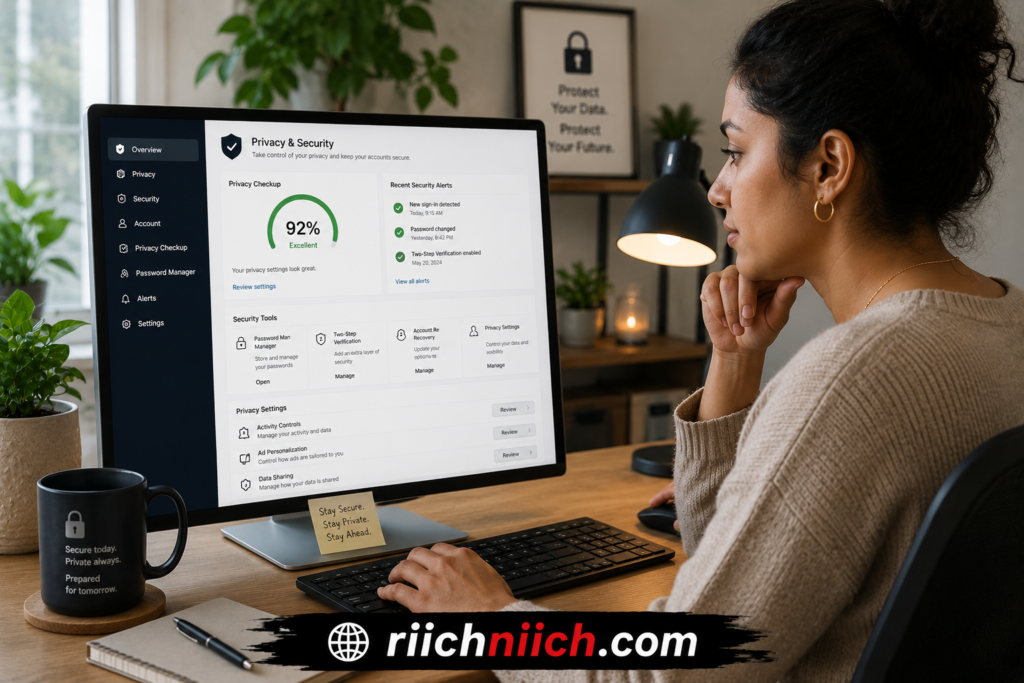
The Cybercrime Support Network Resources explains that criminals frequently target individuals who fail to respond quickly after a data breach notification. Delayed action gives hackers more time to exploit stolen information before accounts are secured.
Because of these risks, many people use additional protection tools after a breach, including:
- Identity monitoring services
- Credit monitoring
- Password managers
- VPN services
- Data removal services
- Multi-factor authentication
These tools help reduce the chances of criminals successfully using stolen personal information.
The reality is that what happens after a data breach often depends on how valuable your exposed information is to cybercriminals and how quickly protective actions are taken. Stolen personal data can continue circulating online for years, creating ongoing risks long after the original breach occurs.
Understanding what criminals do with stolen personal data can help you recognize warning signs earlier, secure your accounts faster, and reduce the chances of identity theft, financial fraud, and long-term privacy damage.
How Stolen Data Ends Up on the Dark Web
One of the most alarming parts of what happens after a data breach is discovering that stolen personal information often ends up on the dark web. Many people hear the term “dark web” but do not fully understand how it works or why cybercriminals use it to trade stolen data.
After hackers steal personal information from a company, website, or online service, they often upload that data to hidden online marketplaces where other criminals can buy, sell, or trade it anonymously.
According to the Kaspersky Dark Web Monitoring Guide, the dark web is a hidden section of the internet that requires specialized software to access. Criminal marketplaces on the dark web frequently contain stolen:
- Email addresses
- Passwords
- Credit card numbers
- Banking credentials
- Social Security numbers
- Medical records
- Phone numbers
- Login credentials
Cybercriminals profit by selling this information to scammers, identity thieves, and fraud groups.
One reason stolen data spreads so quickly is because hackers rarely keep it for themselves. Instead, they often package large databases of stolen information and sell them in bulk to other criminals.
For example, after a major breach, hackers may sell:
- Millions of email addresses
- Password databases
- Payment card information
- Customer account records
- Employee login credentials
The Norton Dark Web Safety Guide explains that stolen data is often categorized based on value. Financial information and Social Security numbers are usually more expensive because they can be used directly for fraud and identity theft.
Hackers also combine stolen information from multiple breaches together. This creates larger profiles containing:
- Full names
- Addresses
- Phone numbers
- Email accounts
- Password histories
- Banking information
- Employment details
The more complete the profile is, the more dangerous it becomes for victims.
Another major problem is that dark web data can remain online for years. Even if a company fixes a breach quickly, the stolen information may continue circulating among criminals long after the original attack occurred.
Many criminals use stolen data for credential stuffing attacks. This means they take leaked usernames and passwords and test them across multiple websites to see if victims reused the same login information elsewhere.
If successful, hackers may gain access to:
- Email accounts
- Online banking
- Shopping accounts
- Social media platforms
- Cloud storage
- Streaming services
This is why reused passwords are considered extremely risky after a breach.
The Cybersecurity & Infrastructure Security Agency (CISA) Password Security Tips recommends using unique passwords and multi-factor authentication to reduce the chances of criminals exploiting leaked credentials.
Some dark web marketplaces also sell “fullz,” which are complete identity packages containing detailed personal information about victims. These packages may include:
- Social Security numbers
- Birthdates
- Addresses
- Driver’s license numbers
- Banking details
- Medical records
Criminals use these identity packages for fraud, fake account creation, and financial scams.
Another reason dark web exposure is dangerous is because scammers can use leaked information to create highly convincing phishing attacks. If criminals already know your name, email address, or account details, fake messages become much harder to recognize.
Victims may suddenly receive:
- Fake banking alerts
- Password reset emails
- Scam text messages
- Fraudulent phone calls
- Fake package delivery notifications
These scams are often designed to steal even more personal information or install malware on devices.
The Trend Micro Dark Web Information Guide explains that many cybercriminal operations work together by sharing stolen information across multiple fraud networks.
In some cases, hackers publicly leak stolen data for attention or revenge. Massive breaches involving millions of users are sometimes released for free online, allowing almost anyone to download the stolen information.
This creates long-term privacy risks because personal data may continue spreading even after victims change passwords or close affected accounts.
Many people first discover their information was exposed through dark web monitoring alerts. If you want to see whether your own information has already appeared in breach databases, read our guide on How To Check If Your Information Is on the Dark Web. Identity monitoring services often scan breach databases and dark web marketplaces for leaked personal information connected to:
- Email addresses
- Passwords
- Phone numbers
- Credit card numbers
- Social Security numbers
These alerts can help people respond faster before criminals fully exploit stolen data.
The Have I Been Pwned Breach Checker allows users to check whether their email addresses have appeared in known data breaches. This can help identify potential exposure risks after a breach occurs.
Protecting yourself after dark web exposure often includes:
- Changing passwords immediately
- Using a password manager
- Enabling multi-factor authentication
- Monitoring financial accounts
- Watching for phishing scams
- Freezing credit if necessary
- Removing exposed personal information online
Many people also use data removal services to reduce how much personal information remains publicly accessible through people-search sites and data broker databases.
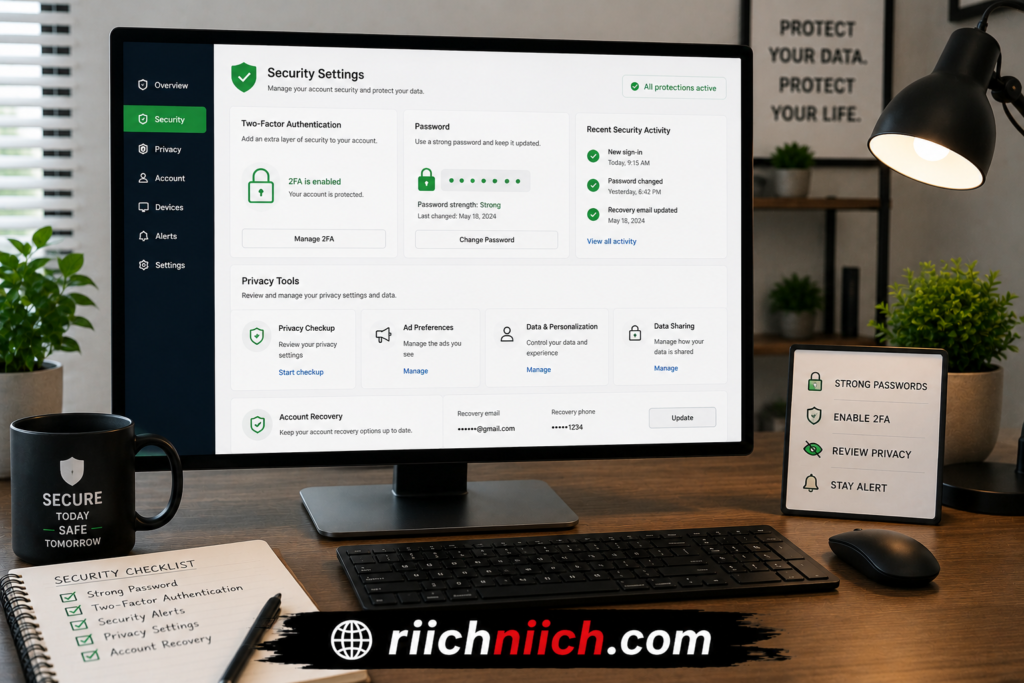
The reality is that what happens after a data breach does not end when hackers steal information. In many cases, the stolen data continues circulating across dark web marketplaces for years, creating ongoing risks for identity theft, scams, and financial fraud.
Understanding how stolen data ends up on the dark web can help you recognize the seriousness of data breaches and take faster action to protect your accounts, finances, and personal identity before criminals have additional opportunities to exploit your information.
Warning Signs Your Information Was Exposed in a Data Breach
One of the biggest problems with what happens after a data breach is that many people do not realize their information was exposed until long after criminals begin using it. In many cases, the warning signs start small and are easy to ignore at first.
Hackers often test stolen information gradually before attempting larger scams, account takeovers, or financial fraud. Recognizing these early warning signs can help you secure your accounts faster and reduce long-term damage.
According to the Federal Trade Commission (FTC) Consumer Alerts, one of the most common warning signs after a data breach is unusual account activity. This may include:
- Password reset emails you did not request
- Login alerts from unknown devices
- Security notifications from websites
- Locked accounts
- Unauthorized purchases
- New account registrations
Even a single suspicious notification can indicate that criminals are testing stolen credentials.
Another major warning sign is a sudden increase in phishing emails and scam messages. Once hackers obtain your contact information, they often use it to target you with fake:
- Banking alerts
- Package delivery notices
- Tax notifications
- Technical support scams
- Password recovery emails
These messages are designed to steal even more personal information or trick victims into clicking malicious links.
The Better Business Bureau Scam Prevention Center explains that scammers frequently personalize phishing attacks using information exposed during data breaches, making fake messages appear much more convincing.
Another common sign is increased spam phone calls and robocalls. If your phone number was exposed in a breach, scammers may add it to large spam databases used by fraud operations.
You may suddenly receive:
- Fake bank calls
- IRS scams
- Insurance scams
- Debt collection scams
- Technical support calls
- “Suspicious activity” phone alerts
Criminals often use fear and urgency to pressure victims into revealing sensitive information.
Financial warning signs are especially important to watch for after a breach. Criminals may attempt small test transactions before making larger fraudulent purchases.
Watch carefully for:
- Unknown charges
- Missing funds
- Declined payments
- New credit inquiries
- Fraud alerts from banks
- Unexpected account verification requests
The Equifax Identity Theft Protection Tips recommends checking your credit reports regularly after breaches because identity theft activity may appear before victims notice financial losses.
Another serious warning sign is discovering that your passwords no longer work. If hackers gain access to an account, they may change passwords, recovery email addresses, or security settings to lock you out completely.
This often happens with:
- Email accounts
- Social media accounts
- Banking apps
- Shopping websites
- Cloud storage accounts
Because email accounts are connected to many other services, losing access to your email can quickly create additional security problems.
The National Cybersecurity Alliance Online Safety Resources explains that account takeovers are one of the most common consequences of exposed login credentials after data breaches.
Some victims also notice suspicious activity involving their personal identity. Warning signs of identity theft may include:
- Bills for accounts you never opened
- Debt collection calls
- Medical charges you do not recognize
- Tax return problems
- Denied loan applications
- Missing mail
These signs may indicate criminals are using stolen information to impersonate you financially or legally. Some identity theft warning signs are easy to miss until major financial damage happens. Read our full guide on 13 Warning Signs Someone Stole Your Identity.
Dark web monitoring alerts are another important indicator. Some identity monitoring services notify users if their:
- Email address
- Password
- Phone number
- Social Security number
- Banking information
appears in known data breach databases or dark web marketplaces.
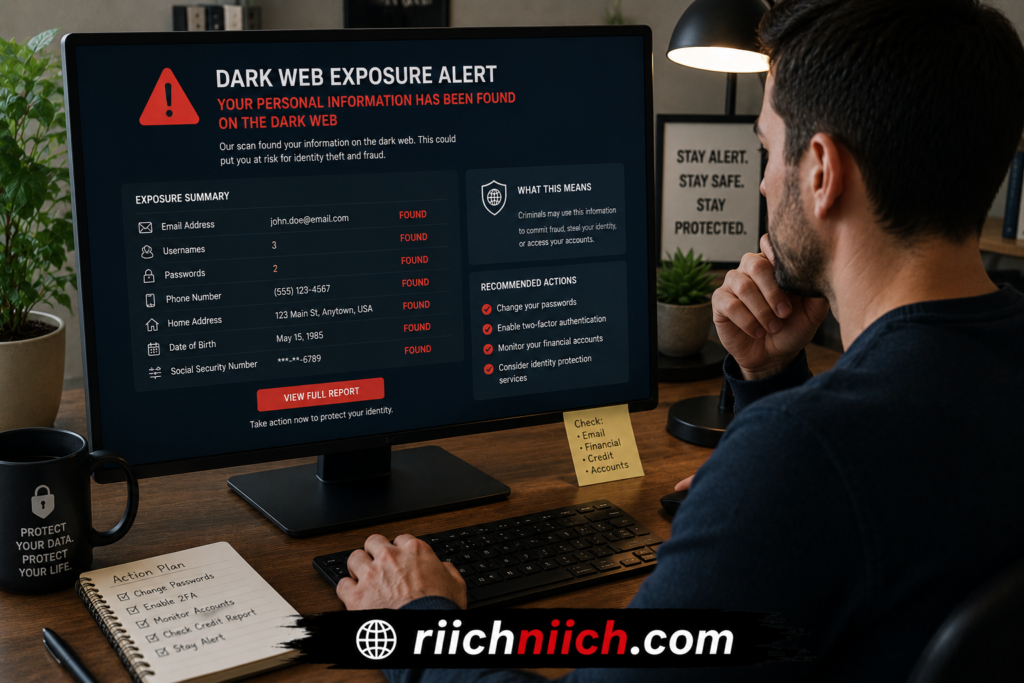
The Identity Management Institute Identity Theft Warning Signs notes that early detection is critical because many cybercriminals wait weeks or months before fully exploiting stolen information.
Another subtle warning sign is targeted scam attempts using personal details about your life. For example, scammers may already know:
- Your name
- Address
- Employer
- Family members
- Recent purchases
- Banking institution
This information can make fake calls and emails appear legitimate, increasing the chances of victims falling for scams.
Many people underestimate how quickly exposed data can spread after a breach. Information stolen from one company may eventually appear across multiple criminal networks, increasing risks over time.
Because of this, cybersecurity experts recommend taking action even if you have not yet noticed suspicious activity.
Important protective steps include:
- Changing passwords immediately
- Using unique passwords
- Enabling multi-factor authentication
- Monitoring financial statements
- Checking credit reports
- Watching for phishing attempts
- Using identity monitoring services
The reality is that what happens after a data breach often begins quietly. Many victims miss the early warning signs because criminals intentionally avoid drawing attention while they test stolen information.
Understanding the warning signs your information was exposed in a data breach can help you react faster, secure your accounts, and reduce the chances of identity theft, financial fraud, and long-term privacy damage.
Can a Data Breach Lead to Identity Theft?
Yes, one of the biggest risks related to what happens after a data breach is identity theft. When hackers steal personal information during a breach, they often use that information to impersonate victims financially, medically, or even legally.
Many people assume identity theft only happens after someone steals a Social Security number, but criminals can often begin identity fraud using much smaller pieces of information combined together from multiple breaches.
According to the Identity Theft Resource Center (ITRC) Identity Theft Education, identity theft can happen when criminals gain access to personal information such as:
- Full names
- Email addresses
- Passwords
- Phone numbers
- Home addresses
- Banking information
- Social Security numbers
- Driver’s license details
Once this information is exposed, cybercriminals may attempt to create fake accounts, access financial services, or impersonate victims online.
One reason data breaches are so dangerous is that hackers often combine stolen information from multiple sources. For example, one breach may expose your email address while another reveals your phone number and financial details.
Together, that information creates a much bigger identity theft risk.
Criminals frequently use stolen information to:
- Open new credit cards
- Apply for loans
- File fake tax returns
- Access existing accounts
- Commit healthcare fraud
- Make unauthorized purchases
Some victims do not discover identity theft until they receive debt collection calls or notice damaged credit scores months later.
The Experian Identity Theft Resources explains that data breaches are one of the leading causes of modern identity theft because criminals can easily buy stolen personal information from dark web marketplaces.
Financial identity theft is one of the most common outcomes after a breach. If hackers obtain banking information or credit card details, they may attempt:
- Fraudulent purchases
- Bank transfers
- Cash withdrawals
- Loan applications
- Credit account openings
Even small fraudulent activities can create major financial stress if victims do not detect them quickly.
Another major concern is account takeover fraud. If login credentials are exposed during a breach, criminals may gain access to:
- Email accounts
- Shopping websites
- Mobile payment apps
- Social media accounts
- Cloud storage accounts
Once hackers control an email account, they can often reset passwords on connected services and expand their access even further.
The Federal Reserve Consumer Fraud Resources recommends changing passwords immediately after breaches because stolen login credentials are commonly reused in automated attacks across multiple websites.
Some identity theft cases involve medical fraud. Criminals may use stolen healthcare information to:
- Obtain medical treatment
- Purchase prescription drugs
- File insurance claims
- Access healthcare accounts
Medical identity theft can become especially difficult to resolve because incorrect medical records may create long-term complications for victims.
Tax fraud is another serious risk. Criminals sometimes use stolen Social Security numbers to file fraudulent tax returns before victims submit their real returns.
Victims may only discover the fraud after receiving IRS notifications or rejected tax filings.
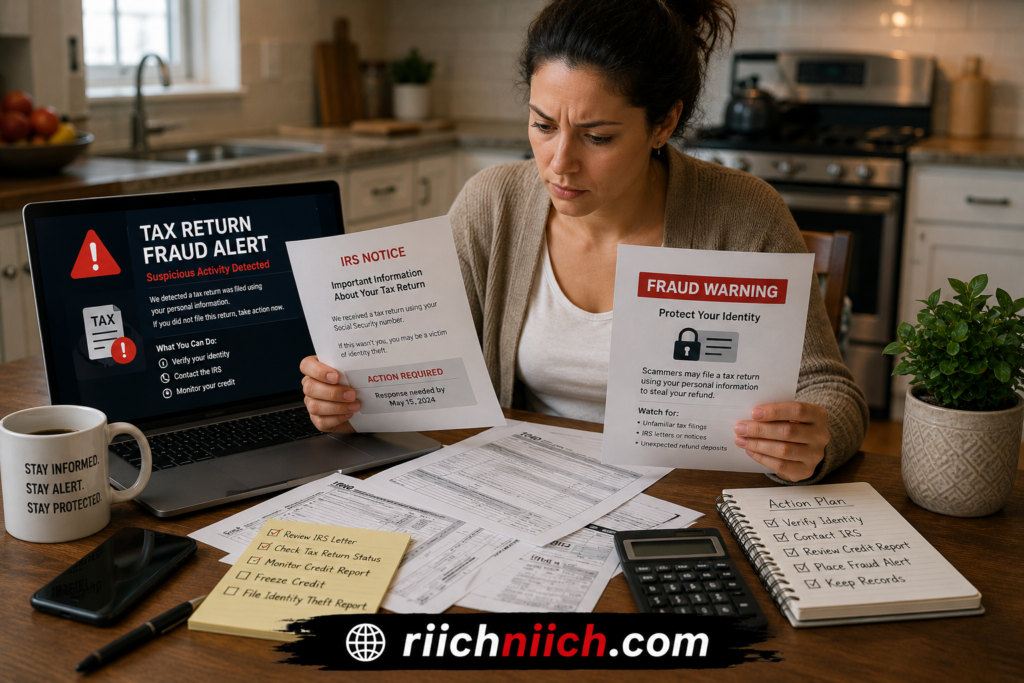
The Internal Revenue Service (IRS) Identity Protection Resources explains that stolen personal information is frequently used for tax-related fraud after major breaches.
Another growing problem is synthetic identity theft. This happens when criminals combine real and fake information together to create entirely new identities.
For example, scammers may combine:
- A real Social Security number
- A fake name
- A fake address
- A new phone number
These fake identities are often used to open accounts and commit long-term financial fraud.
Data breaches also increase phishing risks, which can lead to additional identity theft attempts. Once criminals know your contact information, they may send convincing fake emails or text messages pretending to be from:
- Banks
- Government agencies
- Retailers
- Employers
- Delivery companies
These scams are designed to trick victims into revealing even more personal information.
The Cybersecurity and Infrastructure Security Agency (CISA) Identity Theft Resources explains that phishing attacks often become more successful after data breaches because criminals already possess partial personal information about victims.
Because identity theft risks can continue for years after a breach, many cybersecurity experts recommend taking protective actions immediately, including:
- Freezing your credit
- Monitoring financial accounts
- Enabling multi-factor authentication
- Using identity monitoring services
- Checking credit reports regularly
- Changing passwords
- Watching for suspicious activity
Some people also use data removal services to reduce the amount of personal information available publicly online through people-search websites and data broker databases.
The reality is that what happens after a data breach can absolutely lead to identity theft, especially when exposed information includes financial details, login credentials, or government identification numbers.
Understanding how data breaches lead to identity theft can help you respond faster, protect your accounts, and reduce the chances of long-term financial fraud and privacy damage before cybercriminals fully exploit your personal information.
Financial Risks After a Data Breach
One of the most serious parts of what happens after a data breach is the financial damage that can follow. When hackers gain access to personal information, they often target bank accounts, credit cards, payment apps, and financial identities to steal money or commit fraud.
Even if criminals do not immediately access your financial accounts, exposed personal information can still create long-term financial risks through identity theft, fake account applications, and credit fraud.
According to the Consumer Financial Protection Bureau (CFPB) Fraud Protection Resources, financial fraud after a data breach may include:
- Unauthorized purchases
- Fraudulent bank transfers
- Fake credit applications
- Loan fraud
- Payment app scams
- Tax refund theft
- Identity theft-related debt
Some victims lose money directly, while others face damaged credit scores and long-term financial recovery challenges.
One of the most common financial risks after a breach is credit card fraud. If hackers steal payment card information, they may begin making small test purchases before attempting larger transactions.
Victims may notice:
- Unknown charges
- Duplicate purchases
- Suspicious online transactions
- Fraud alerts from banks
- Declined legitimate payments
In some cases, criminals sell stolen payment card data online to other fraud groups.
The Visa Security and Fraud Prevention Guide explains that cybercriminals often test stolen card information quickly after breaches to determine whether accounts are still active.
Another major concern is bank account fraud. If hackers gain access to banking credentials, they may attempt:
- Wire transfers
- ACH payment fraud
- Unauthorized withdrawals
- Mobile banking takeovers
- Linked payment app abuse
Because many people store banking information online, a single breach can expose multiple connected financial accounts.
Identity theft can also create severe financial problems. Criminals may use stolen personal information to:
- Open new credit cards
- Apply for loans
- Finance vehicles
- Rent apartments
- Create fake financial accounts
Victims sometimes discover the fraud only after receiving debt collection notices or credit denials.
The TransUnion Identity Theft Education Center recommends checking credit reports regularly after breaches because fraudulent accounts may appear before victims notice direct financial losses.
Some financial risks are less obvious but equally damaging. Criminals may use exposed personal information for account recovery scams by pretending to be legitimate account owners.
If hackers know enough personal details, they may convince customer service representatives to reset passwords or bypass security checks on financial accounts.
This type of fraud is sometimes called social engineering.
Another growing risk is payment app fraud involving platforms linked directly to bank accounts or debit cards. Criminals may target apps used for:
- Peer-to-peer transfers
- Mobile banking
- Online purchases
- Digital wallets
Because these transactions often happen instantly, recovering stolen funds can become difficult.
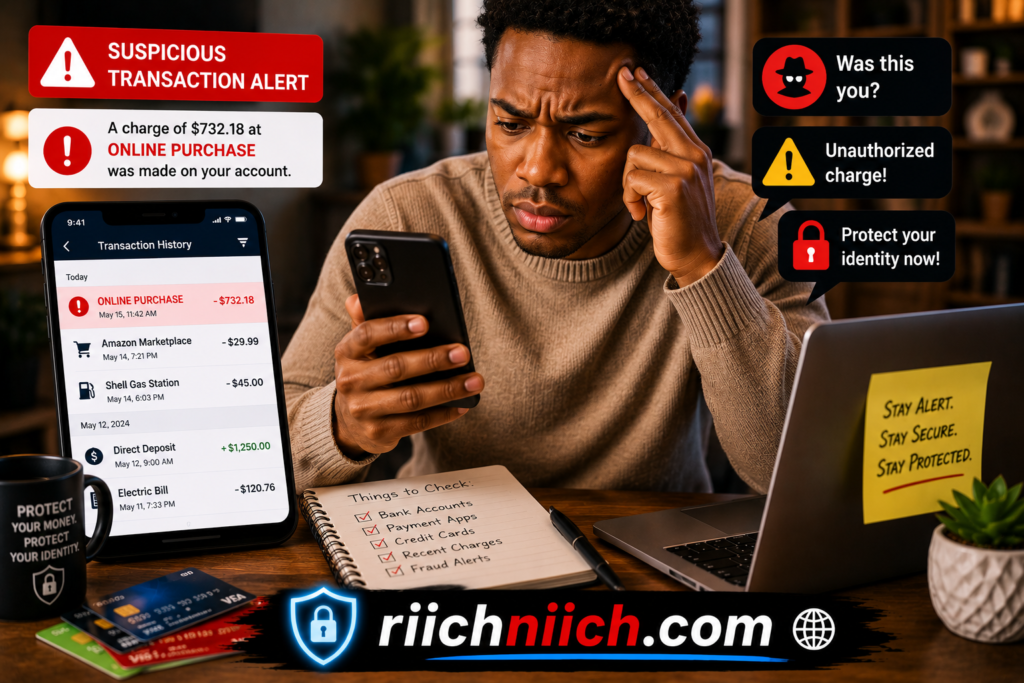
The Federal Communications Commission (FCC) Consumer Scam Guide warns that scammers frequently impersonate banks and payment companies after data breaches to trick victims into revealing login credentials or verification codes.
Data breaches can also create long-term credit risks. If criminals successfully open accounts using stolen information, victims may experience:
- Lower credit scores
- Higher interest rates
- Loan denials
- Collection accounts
- Financial disputes
Repairing financial damage caused by identity theft can sometimes take months or even years.
Tax-related fraud is another serious concern after breaches involving Social Security numbers. Criminals may attempt to file fraudulent tax returns before victims submit their real returns.
This can delay refunds and create additional identity verification problems.
The Federal Trade Commission (FTC) Credit Freeze Information recommends considering a credit freeze after major breaches to help prevent criminals from opening new accounts using stolen personal information.
Another overlooked financial risk involves subscription fraud and online shopping account abuse. If hackers access saved payment methods stored in shopping accounts, they may make purchases without directly stealing bank account credentials.
Because many accounts automatically save payment information, compromised accounts can quickly become financial targets.
This is one reason cybersecurity experts recommend:
- Removing old payment methods
- Using strong passwords
- Enabling multi-factor authentication
- Monitoring account activity
- Setting fraud alerts
These steps help reduce the chances of criminals successfully exploiting stolen information.
Many people also use identity monitoring services after a breach because these tools can help detect:
- Suspicious credit inquiries
- Dark web exposure
- Fraudulent account openings
- Identity theft activity
- Financial monitoring alerts
Early detection is often the key to minimizing financial losses after a breach.
The reality is that what happens after a data breach can create financial risks long after the original attack occurs. Stolen personal information may continue circulating online for years, giving criminals repeated opportunities to commit fraud.
Understanding the financial risks after a data breach can help you respond faster, protect your accounts, and reduce the chances of long-term financial damage before cybercriminals fully exploit your information.
What To Do Immediately After a Data Breach
Understanding what happens after a data breach is important, but knowing what to do immediately afterward can make an even bigger difference. The faster you respond after discovering your information was exposed, the better chance you have of preventing identity theft, financial fraud, and account takeovers.
Many cybercriminals move quickly after a breach, especially when stolen login credentials or financial information are involved. Taking immediate action can help limit the damage before hackers fully exploit your personal data.
According to the USA.gov Identity Theft and Data Breach Resources, one of the first things you should do after a breach is determine what information may have been exposed.
Commonly exposed information includes:
- Email addresses
- Passwords
- Credit card numbers
- Banking information
- Phone numbers
- Social Security numbers
- Home addresses
The type of information involved often determines how serious the risks are and what protective steps you should prioritize first.
The most important immediate step is changing passwords for affected accounts. If you reused the same password on multiple websites, you should also update those accounts immediately.
Strong passwords should be:
- Unique for every account
- Long and difficult to guess
- Not reused across websites
- Combined with multi-factor authentication
The National Institute of Standards and Technology (NIST) Password Security Recommendations explains that password reuse dramatically increases risks after breaches because criminals often test stolen credentials across multiple online services.
Another critical step is enabling multi-factor authentication (MFA). MFA adds an extra security layer by requiring additional verification beyond a password.
Even if hackers obtain your password, MFA can help prevent unauthorized account access.
You should prioritize MFA on:
- Email accounts
- Banking apps
- Shopping accounts
- Social media accounts
- Cloud storage services
Email security is especially important because compromised email accounts can be used to reset passwords on many connected accounts. Protecting your inbox should be one of your top priorities after a breach. Here’s our full guide on How To Protect Your Email From Hackers.
Financial monitoring should also begin immediately after a breach. Carefully review:
- Bank statements
- Credit card activity
- Payment apps
- Credit reports
- Fraud alerts
Watch for unauthorized charges, unfamiliar accounts, or suspicious login attempts.
The AnnualCreditReport Official Credit Report Site allows consumers to review their credit reports for suspicious activity and fraudulent account openings after a breach.
If highly sensitive information such as your Social Security number was exposed, you may also want to place a fraud alert or freeze your credit.
A credit freeze can help prevent criminals from opening new accounts in your name. This is one of the strongest protections against identity theft after a major breach.
Another important step is watching for phishing scams. After breaches, cybercriminals often send fake emails, text messages, or phone calls pretending to be:
- Banks
- Government agencies
- Delivery companies
- Technical support
- Credit card providers
These scams are designed to steal additional information or trick victims into downloading malware.
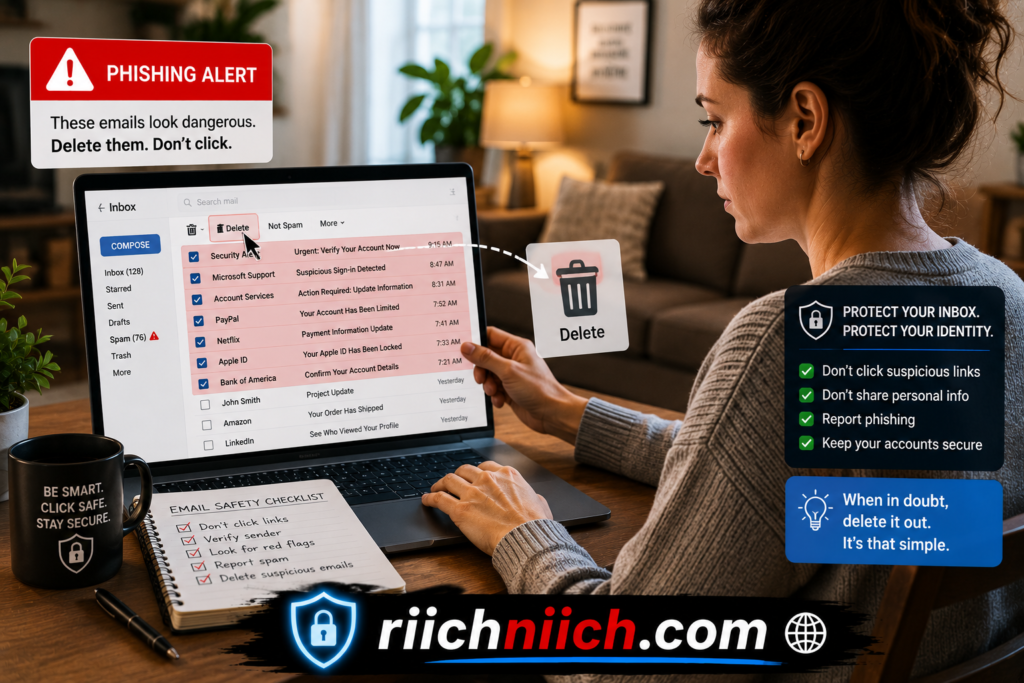
The Federal Communications Commission (FCC) Phishing and Scam Prevention Guide warns that phishing attacks often increase immediately after public breach announcements because criminals know victims are more likely to respond emotionally.
Checking whether your information appeared in known breaches is another smart step. Breach monitoring tools can help identify exposed:
- Email addresses
- Passwords
- Phone numbers
- Personal information
This can help you understand how widely your data may have spread online.
You should also review account recovery settings for important accounts. Make sure:
- Recovery email addresses are correct
- Backup phone numbers belong to you
- Security questions are updated
- Unknown devices are removed
Hackers sometimes change these settings after gaining access to accounts.
The Cybersecurity & Infrastructure Security Agency (CISA) Secure Accounts Guide recommends regularly reviewing connected devices and account recovery settings after breaches to reduce the risk of future account takeovers.
Many people also choose to use identity monitoring services after a breach. These services may help monitor:
- Credit activity
- Dark web exposure
- Identity theft risks
- Fraud alerts
- Account breaches
Early alerts can help victims respond before major financial damage occurs.
Another important step is reducing how much personal information remains publicly available online. Data broker and people-search websites often contain:
- Addresses
- Phone numbers
- Family information
- Employment details
Cybercriminals sometimes use these sites to gather additional information for scams and identity theft.
The Privacy Rights Clearinghouse Consumer Privacy Resources explains that reducing public exposure online can help lower future identity theft and phishing risks after breaches.
The reality is that what happens after a data breach often depends on how quickly victims take action. Delaying security updates gives criminals more time to exploit stolen information and expand attacks into additional accounts.
Taking immediate steps after a data breach can help protect your identity, financial accounts, online privacy, and long-term digital security before cybercriminals have the opportunity to cause even more damage.
How To Check If Your Information Was Leaked Online
One of the most important steps in understanding what happens after a data breach is learning how to check whether your personal information was leaked online. Many people never realize their data was exposed until they begin experiencing phishing scams, fraud alerts, or suspicious account activity.
The sooner you discover exposed information, the faster you can secure your accounts and reduce the risk of identity theft or financial fraud.
One of the easiest ways to check for leaked information is by using breach notification websites that scan known data breach databases. These tools can help determine whether your:
- Email address
- Passwords
- Phone number
- Personal information
appeared in publicly known breaches.
The Have I Been Pwned allows users to search their email addresses against large breach databases to see whether their information has been exposed online.
If your email appears in multiple breaches, it may indicate that hackers already have access to sensitive login information connected to your accounts.
Another important step is monitoring your email inbox for suspicious activity. Warning signs may include:
- Password reset emails you did not request
- Login notifications from unknown devices
- Security alerts from websites
- Verification codes you did not request
- Unusual spam increases
These alerts may indicate criminals are attempting to access your accounts using stolen credentials.
The Google Account Security Checkup helps users review recent security activity, connected devices, and suspicious login attempts linked to their Google accounts.
Checking your financial accounts is also critical after a potential breach. Carefully review:
- Bank statements
- Credit card transactions
- Payment app history
- Credit reports
Watch for unfamiliar charges, account openings, or fraudulent activity that could indicate identity theft.
Even small unauthorized transactions may signal that criminals are testing stolen payment information before attempting larger fraud.
Another smart step is checking your credit reports for suspicious activity. Warning signs may include:
- Unknown credit inquiries
- New accounts you did not open
- Incorrect addresses
- Collection notices
- Loan applications
The Experian Free Credit Monitoring Resources explains that monitoring your credit regularly can help detect identity theft earlier after personal information is exposed online.
Dark web monitoring tools are another useful way to check whether your information was leaked. These services scan dark web marketplaces and breach databases for exposed:
- Email addresses
- Passwords
- Social Security numbers
- Banking information
- Phone numbers
Some identity monitoring services automatically notify users when their personal information appears in known breach databases.
Another sign your information may have leaked online is an increase in targeted phishing scams. Criminals often use stolen personal data to create convincing fake messages pretending to come from:
- Banks
- Retailers
- Government agencies
- Delivery companies
- Social media platforms
These scams may contain personal details that make them appear legitimate.
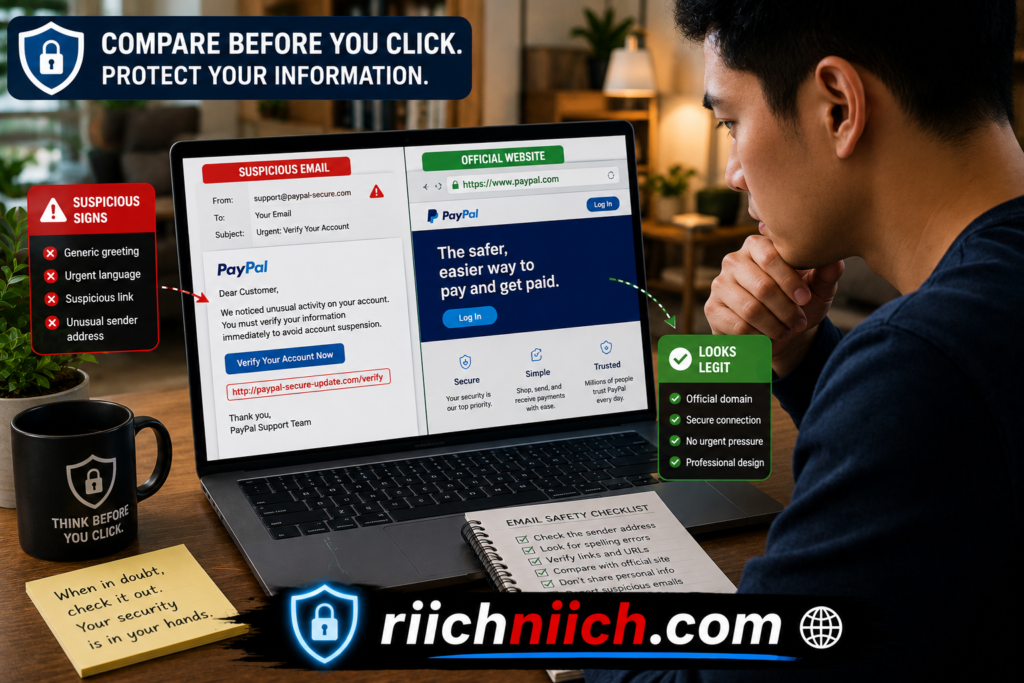
The Federal Bureau of Investigation (FBI) Cybercrime Prevention Tips warns that scammers frequently use information exposed during breaches to increase the success rate of phishing attacks.
You should also review the security settings on your important accounts. Check for:
- Unknown connected devices
- Changed recovery email addresses
- Unrecognized phone numbers
- Unauthorized security changes
- Suspicious login locations
Hackers sometimes modify these settings after gaining account access.
Searching for your own personal information online can also help identify exposure risks. Try searching for:
- Your full name
- Phone number
- Email address
- Home address
This can reveal how much information is publicly accessible through people-search websites and data broker databases.
The Mozilla Monitor Data Breach Checker allows users to check whether their email addresses were exposed in known breaches and provides guidance on protecting affected accounts.
Many cybersecurity experts also recommend using password managers after breaches because they help:
- Generate unique passwords
- Store credentials securely
- Identify reused passwords
- Reduce account takeover risks
Reused passwords remain one of the biggest security risks after data breaches.
Another important step is enabling multi-factor authentication (MFA) on critical accounts. MFA adds an extra layer of protection even if criminals already possess your password.
You should prioritize MFA on:
- Email accounts
- Banking apps
- Social media
- Shopping websites
- Cloud storage accounts
The reality is that what happens after a data breach often continues long after the original attack. Stolen information may circulate online for years, increasing the risks of scams, identity theft, and account takeovers over time.
Learning how to check if your information was leaked online can help you detect exposure earlier, secure your accounts faster, and reduce the chances of long-term financial and identity theft damage before criminals fully exploit your personal information.
How To Protect Yourself After a Data Breach
Understanding what happens after a data breach is important, but taking the right protective steps afterward is what can help prevent identity theft, financial fraud, and account takeovers. Once personal information is exposed online, cybercriminals may continue using or selling that data for months or even years.
The faster you strengthen your security after a breach, the lower your chances of becoming a victim of long-term fraud or identity theft.
According to the Cybersecurity & Infrastructure Security Agency (CISA) Data Breach Protection Tips, one of the first things you should do after a breach is change your passwords immediately.
This is especially important if:
- The exposed account used a reused password
- The account contained financial information
- The email address was compromised
- Sensitive personal information was exposed
Strong passwords should be unique for every account and difficult for hackers to guess.
Using a password manager can help create and securely store complex passwords without needing to remember them manually.
Another critical step is enabling multi-factor authentication (MFA). MFA adds an extra verification step that makes it harder for criminals to access your accounts even if they already have your password.
You should enable MFA on:
- Email accounts
- Banking apps
- Shopping websites
- Social media accounts
- Cloud storage services
The Google Online Security Guide explains that multi-factor authentication significantly reduces the risk of account takeovers after data breaches.
Monitoring your financial accounts closely is also essential after a breach. Review:
- Bank transactions
- Credit card statements
- Payment app history
- Credit reports
- Fraud alerts
Watch carefully for suspicious purchases, unauthorized withdrawals, or unfamiliar accounts.
Even small fraudulent charges may indicate that criminals are testing stolen payment information.
Another important protection step is freezing your credit if highly sensitive information was exposed. A credit freeze helps prevent criminals from opening new accounts using your personal information.
This can be especially useful if the breach involved:
- Social Security numbers
- Driver’s license information
- Financial records
- Identity documents
The Equifax Credit Freeze Information Center explains that credit freezes can help reduce identity theft risks by restricting access to your credit file.
You should also monitor your email accounts carefully after a breach. Hackers often target email accounts because they can be used to reset passwords on other connected services.
Warning signs may include:
- Password reset requests
- Login alerts
- Unknown connected devices
- Verification codes you did not request
- Security setting changes
If you notice suspicious activity, secure the account immediately and review all connected recovery settings.
Another smart step is watching for phishing scams. After breaches, criminals frequently send fake emails and text messages pretending to come from trusted companies.
These scams may attempt to steal:
- Passwords
- Banking information
- Verification codes
- Personal details
Avoid clicking suspicious links or downloading attachments from unknown senders.
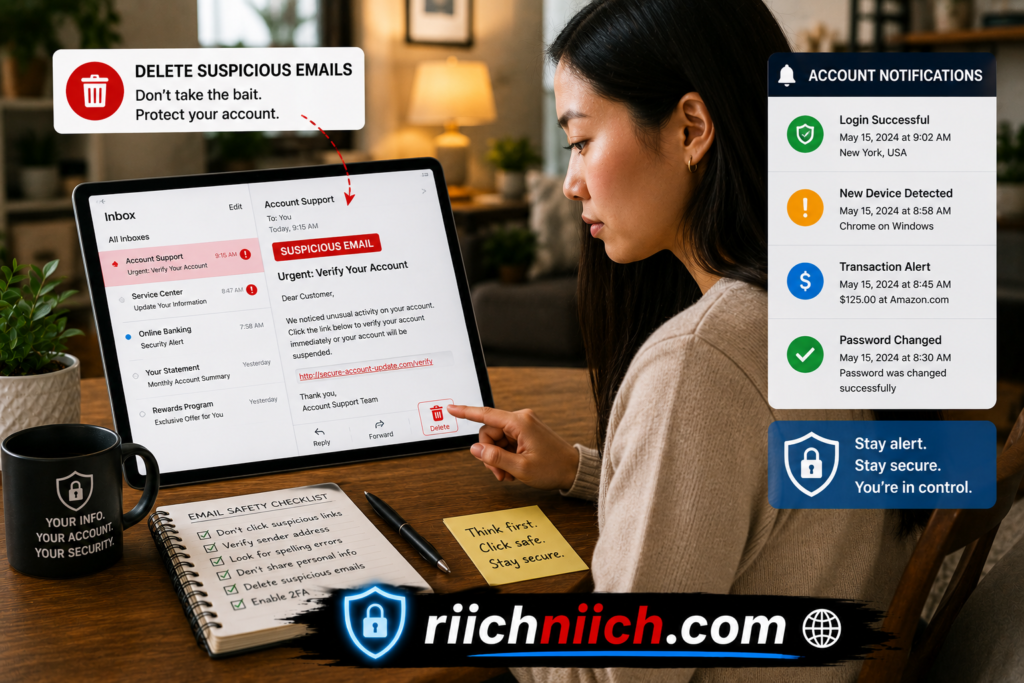
The Federal Trade Commission (FTC) Phishing Scam Advice recommends verifying suspicious messages directly through official company websites instead of clicking links inside emails or text messages.
Many people also use identity monitoring services after breaches because these services can help detect:
- Dark web exposure
- Fraudulent account openings
- Credit activity
- Identity theft risks
- Breach notifications
Early warnings can help victims take action before serious financial damage occurs.
Another important way to protect yourself is reducing how much personal information remains publicly available online. Data broker websites and people-search platforms often expose:
- Addresses
- Phone numbers
- Family members
- Employment history
- Property information
Cybercriminals sometimes use this publicly available information to create more convincing scams and identity theft attempts.
The Electronic Frontier Foundation (EFF) Privacy Self-Defense Guide recommends minimizing public personal information online to reduce social engineering and identity theft risks.
Keeping devices and software updated is another important security step after a breach. Security updates help patch vulnerabilities that hackers may try to exploit.
Make sure to regularly update:
- Web browsers
- Smartphones
- Operating systems
- Antivirus software
- Password managers
- Apps and extensions
Outdated software can make accounts and devices easier to compromise.
You should also regularly review connected devices and account activity logs. Many online services allow users to see:
- Logged-in devices
- Recent login locations
- Connected apps
- Security history
Removing unknown devices and apps can help stop unauthorized access.
The reality is that what happens after a data breach does not stop after the initial leak. Criminals may continue targeting exposed information long after the breach becomes public.
Protecting yourself after a data breach requires ongoing attention, stronger security habits, and proactive monitoring. Taking these steps early can help reduce the chances of identity theft, account takeovers, financial fraud, and long-term privacy damage before cybercriminals have more opportunities to exploit your personal information.
Should You Freeze Your Credit After a Data Breach?
One of the most common questions people ask after learning what happens after a data breach is whether they should freeze their credit. In many cases, placing a credit freeze can be one of the strongest ways to protect yourself from identity theft and fraudulent account openings after sensitive personal information is exposed online.
A credit freeze helps prevent criminals from opening new credit accounts in your name because lenders usually cannot access your credit report while the freeze is active.
According to the Federal Trade Commission (FTC) Credit Freeze Guide, a credit freeze restricts access to your credit file at the major credit bureaus unless you temporarily lift or remove the freeze yourself.
This can help block criminals from:
- Opening credit cards
- Applying for loans
- Financing vehicles
- Creating fraudulent financial accounts
A credit freeze is especially important if a data breach exposed:
- Social Security numbers
- Driver’s license information
- Financial records
- Banking information
- Tax information
These types of personal details are commonly used in identity theft and financial fraud.
Many people confuse credit freezes with fraud alerts, but they are different protections.
A fraud alert tells lenders to verify your identity before approving credit applications, while a credit freeze more aggressively restricts access to your credit report entirely.
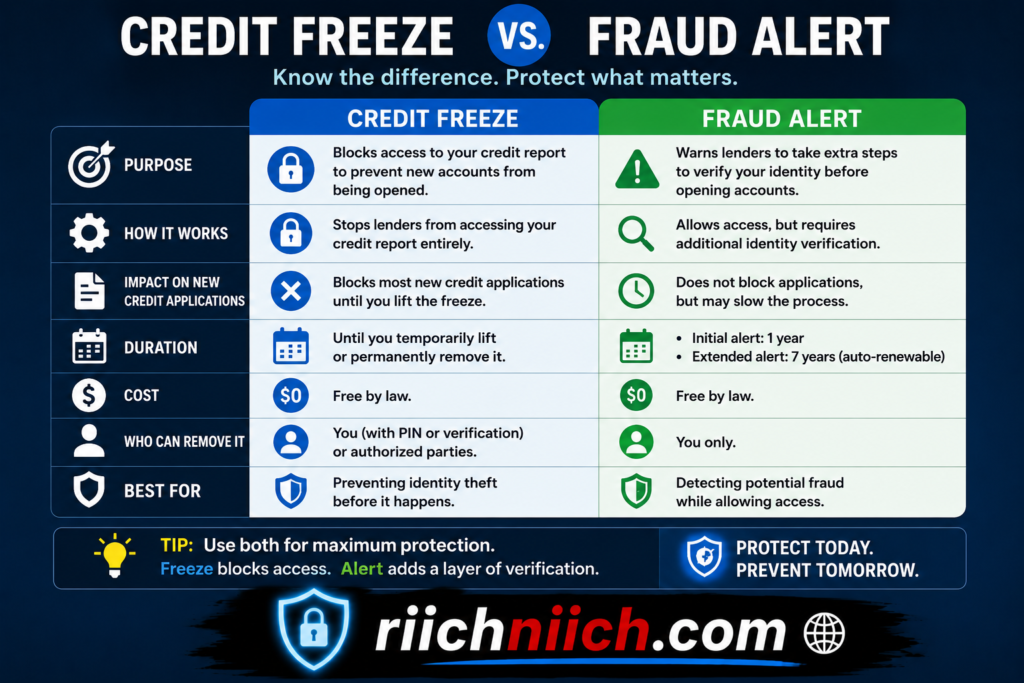
The Experian Credit Freeze Center explains that credit freezes are generally considered stronger protection because they make it significantly harder for criminals to open new accounts using stolen information.
One reason credit freezes are so valuable after breaches is because identity theft often does not happen immediately. Criminals sometimes wait months before using stolen information to apply for credit or commit fraud.
Even if you have not noticed suspicious activity yet, exposed information may still circulate across dark web marketplaces and fraud networks.
A credit freeze can help reduce long-term risks by limiting how stolen information can be used financially. Not sure whether a freeze or lock is better for your situation? Compare both options in our guide on Credit Freeze vs Credit Lock.
Another important benefit is that federal law allows consumers to freeze and unfreeze their credit for free with the three major credit bureaus:
- Experian
- Equifax
- TransUnion
You typically need to freeze your credit separately with each bureau.
The TransUnion Credit Freeze Information explains that freezing your credit does not affect your credit score and does not prevent you from using existing credit cards or bank accounts.
However, there are some situations where a credit freeze may create minor inconveniences. For example, you may need to temporarily lift the freeze if you are:
- Applying for a loan
- Opening a new credit card
- Financing a vehicle
- Renting an apartment
- Applying for certain jobs
Fortunately, temporary lifts can usually be completed online fairly quickly.
Another reason many experts recommend credit freezes after breaches is because identity theft recovery can become extremely difficult once fraudulent accounts are opened.
Victims may spend months dealing with:
- Credit disputes
- Debt collectors
- Fraud investigations
- Financial account recovery
- Credit score damage
Preventing fraudulent accounts from opening in the first place is often much easier than fixing the damage later.
The IdentityTheft.gov Recovery Resources provides step-by-step guidance for consumers dealing with identity theft, including credit freezes and fraud recovery actions.
A credit freeze becomes even more important if you notice warning signs such as:
- Unknown credit inquiries
- Fraud alerts from banks
- Debt collection calls
- Unauthorized account openings
- Suspicious loan applications
These signs may indicate criminals are already attempting to use your exposed information.
Some people choose to combine a credit freeze with additional protections such as:
- Identity monitoring services
- Dark web monitoring
- Fraud alerts
- Credit monitoring
- Multi-factor authentication
These layered protections can help improve overall financial security after a breach.
Another important factor is protecting children and family members. In some cases, criminals target children’s Social Security numbers because unused credit files may go unnoticed for years.
Parents may consider freezing a child’s credit if sensitive personal information was exposed during a breach.
The Equifax Family Identity Protection Resources explains that child identity theft can remain hidden for long periods because children typically do not monitor their credit regularly.
It is also important to remember that a credit freeze does not protect against every type of fraud. Criminals may still attempt:
- Account takeovers
- Phishing scams
- Payment card fraud
- Email hacking
- Tax fraud
This is why strong passwords, account monitoring, and multi-factor authentication remain important even after freezing your credit.
The reality is that what happens after a data breach can create long-term financial and identity theft risks, especially when highly sensitive personal information is exposed online.
For many people, freezing their credit after a data breach is a smart and proactive step that can help reduce the chances of fraudulent account openings, financial damage, and long-term identity theft problems before criminals fully exploit stolen information.
How Identity Protection Services Help After a Data Breach
After learning what happens after a data breach, many people realize that monitoring accounts manually can become overwhelming. Stolen personal information may circulate online for months or even years, making it difficult to track every potential risk on your own.
This is one reason identity protection services have become increasingly popular after major breaches. These services help monitor personal information, detect suspicious activity, and alert users before identity theft or financial fraud becomes even worse.
According to the National Cybersecurity Alliance Identity Safety Tips, identity protection services often monitor several types of personal information, including:
- Social Security numbers
- Email addresses
- Phone numbers
- Banking information
- Credit activity
- Dark web exposure
- Financial accounts
Many services continuously scan databases and online sources for signs that your information is being misused. Aura is one of the most popular tools for identity monitoring and dark web alerts. Read our full Is Aura Worth It review here.
One of the biggest benefits of identity protection services is early detection. Criminals often wait weeks or months after a breach before attempting fraud. Monitoring services can help identify suspicious activity sooner so users can respond faster.
Some services provide alerts for:
- New credit inquiries
- Fraudulent account openings
- Dark web data exposure
- Suspicious banking activity
- Address changes
- Account takeover attempts
Early warnings can help reduce the financial and emotional damage caused by identity theft. If you’re comparing monitoring tools and recovery features, see our guide to the Best Identity Theft Protection Services.
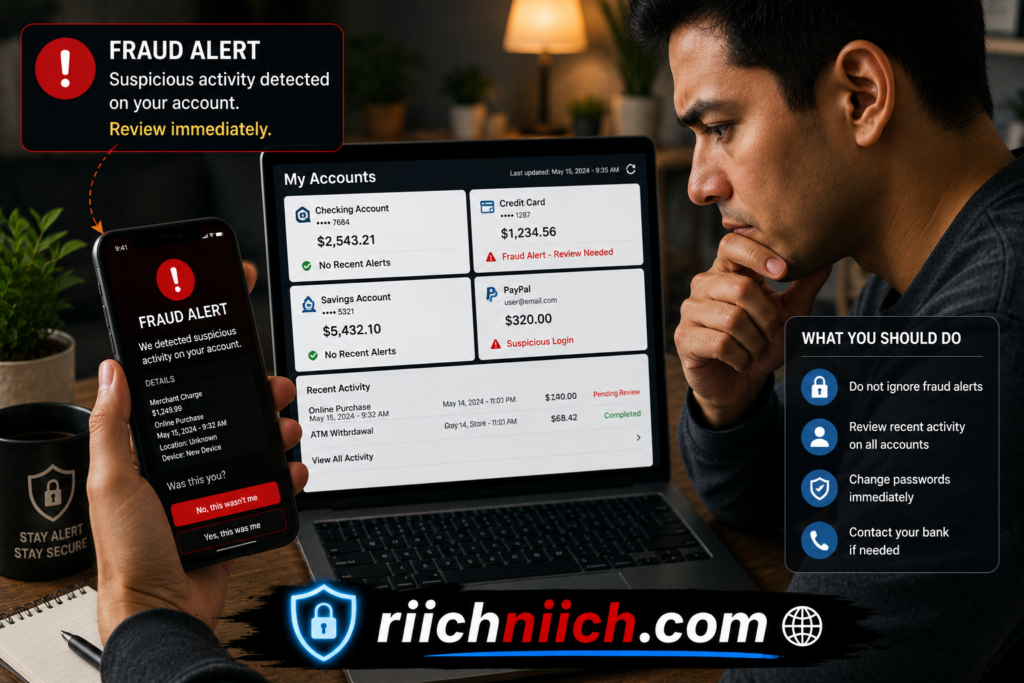
The Consumer Reports Identity Theft Protection Guide explains that identity monitoring services are especially useful after breaches involving highly sensitive information such as Social Security numbers or financial records.
Dark web monitoring is another important feature many identity protection services provide. Since stolen data is often sold through hidden online marketplaces, monitoring tools can scan breach databases and dark web forums for exposed:
- Email addresses
- Passwords
- Credit card numbers
- Social Security numbers
- Phone numbers
If your information appears in known breach databases, you may receive alerts recommending immediate action.
Another major advantage is credit monitoring. Identity protection services may track changes to your credit reports and notify you about:
- New account applications
- Hard credit inquiries
- Loan requests
- Address changes
- Collection accounts
These alerts can help identify identity theft activity before serious financial damage occurs.
The Identity Theft Resource Center Consumer Protection Guide notes that identity theft victims often discover fraudulent activity too late because they are not actively monitoring their financial and personal information after breaches.
Some identity protection services also offer recovery assistance if identity theft occurs. This may include help with:
- Credit disputes
- Fraud paperwork
- Account recovery
- Identity restoration
- Financial documentation
Recovering from identity theft can be extremely time-consuming, so having access to restoration support may reduce stress during the recovery process.
Another benefit is account monitoring across multiple platforms. Since many people use dozens of online accounts, manually monitoring every account for suspicious activity can become difficult.
Identity protection services may help monitor:
- Email accounts
- Banking apps
- Social media
- Shopping websites
- Financial accounts
This broader monitoring can help identify security problems earlier.
The Better Business Bureau Identity Theft Prevention Resources recommends using layered security protections after breaches because stolen information is often reused across multiple fraud attempts over time.
Many identity protection services also include fraud insurance or reimbursement coverage for certain identity theft-related expenses. Depending on the provider, this may help cover:
- Legal costs
- Lost wages
- Fraud recovery expenses
- Document replacement fees
While coverage details vary, these features may provide additional peace of mind after major breaches.
However, identity protection services are not a replacement for good cybersecurity habits. Even with monitoring tools, users should still:
- Change passwords regularly
- Use unique passwords
- Enable multi-factor authentication
- Monitor financial accounts
- Watch for phishing scams
- Freeze credit if necessary
Identity protection services work best when combined with strong personal security practices.
The Cybercrime Support Network Identity Protection Advice explains that proactive monitoring and early response are some of the most effective ways to reduce identity theft damage after breaches.
Another important consideration is protecting family members. Some identity protection services offer family plans that monitor:
- Children’s Social Security numbers
- Family financial activity
- Shared personal information
- Household data exposure
This can be useful because children are increasingly targeted in identity theft schemes due to unused credit histories.
The reality is that what happens after a data breach can create ongoing identity theft and fraud risks long after the original breach becomes public. Criminals may continue using exposed information for months or years across multiple scams and fraud attempts.
Identity protection services can help reduce these risks by providing monitoring, alerts, recovery assistance, and additional visibility into how your personal information may be circulating online.
Understanding how identity protection services help after a data breach can make it easier to respond quickly, protect your accounts, and reduce the chances of long-term financial fraud and identity theft before criminals fully exploit your exposed personal information.
Are Data Removal Services Worth It After a Data Breach?
After learning what happens after a data breach, many people become concerned about how much of their personal information is still publicly available online. Even after changing passwords and securing accounts, exposed data can continue spreading through people-search websites, marketing databases, and data broker platforms.
This is one reason data removal services have become increasingly popular after major breaches. These services help remove personal information from websites that collect and publish sensitive details about individuals online.
According to the Privacy Rights Clearinghouse Data Privacy Resources, data brokers collect and sell large amounts of personal information, including:
- Full names
- Phone numbers
- Home addresses
- Email addresses
- Family members
- Employment history
- Property records
- Age and demographic data
This information is often publicly searchable online, making it easier for scammers and cybercriminals to gather additional details about victims after a breach.
One of the biggest reasons people use data removal services after breaches is to reduce exposure to identity theft and phishing scams. Criminals frequently combine breached information with publicly available data from broker websites to create more convincing fraud attempts.
For example, scammers may already know:
- Your name
- Address
- Phone number
- Employer
- Family members
- Previous addresses
The more information criminals collect, the easier it becomes for them to impersonate trusted organizations or bypass account security questions.
The Electronic Privacy Information Center (EPIC) Data Broker Information explains that data broker companies often collect personal information from public records, marketing databases, online activity, and third-party sources.
Data removal services typically work by submitting opt-out and removal requests to data broker websites on behalf of users. Some services continuously monitor sites and repeat removal requests if personal information reappears later.
This can help reduce how much information remains publicly accessible online over time.
Another major benefit is reducing targeted scam risks. After a data breach, criminals often search for additional personal information to make phishing emails, phone scams, and identity theft attempts appear more legitimate.
Publicly available information may be used to:
- Pretend to be banks
- Impersonate employers
- Fake customer service calls
- Create convincing phishing emails
- Answer account recovery questions
Reducing publicly available data can make these attacks harder for criminals to carry out successfully. Want to compare the top privacy removal tools available today? See our guide to the Best Data Removal Services.
The Mozilla Privacy Guide notes that personal information can spread across hundreds of websites, making manual removals extremely time-consuming for many people.
Data removal services may also help reduce spam and robocalls. If your phone number appears on broker websites, scammers may add it to large spam databases used for:
- Scam calls
- Robocalls
- Phishing texts
- Marketing spam
Removing phone numbers from broker databases can sometimes help reduce unwanted contact over time.
Another important benefit is privacy protection for family members. Some data broker websites publicly display information connected to:
- Relatives
- Household members
- Past addresses
- Family relationships
Reducing publicly visible information may help lower risks for the entire household after a breach.
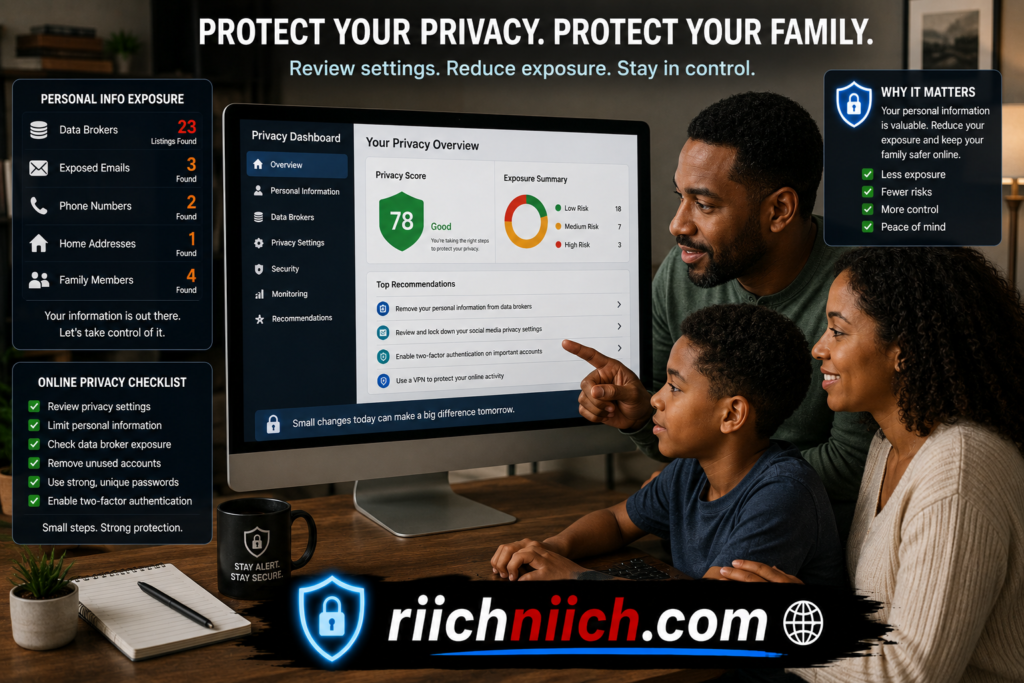
The Consumer Reports Online Privacy Protection Tips explains that removing information from data broker websites can help reduce online exposure, although complete removal from the internet is rarely possible.
However, it is important to understand that data removal services are not a complete solution to identity theft or cybersecurity risks. They do not:
- Stop all scams
- Prevent every phishing attack
- Replace strong passwords
- Eliminate dark web exposure
- Secure compromised accounts
Instead, they work best as part of a broader privacy and identity protection strategy.
Many people combine data removal services with:
- Identity monitoring
- Credit monitoring
- Password managers
- Multi-factor authentication
- VPN services
- Dark web monitoring
Layering these protections together can help reduce overall risks after a breach.
Another factor to consider is time. Manually opting out of dozens or hundreds of data broker websites can become overwhelming for many users. Data removal services automate much of this process, saving significant time and effort.
The National Cybersecurity Alliance Privacy Protection Resources recommends reducing publicly available personal information online as part of a long-term cybersecurity and identity theft prevention strategy.
Some people wonder whether free manual removals are enough. While manual opt-outs are possible, information often reappears on data broker websites over time due to continuous data collection and sharing between companies.
Many paid services continuously monitor and repeat removal requests automatically, which may provide more consistent long-term privacy protection. Trying to decide between the two biggest data removal tools? Read our full Incogni vs DeleteMe comparison.
The reality is that what happens after a data breach often extends far beyond the original stolen data. Criminals frequently use publicly available information from data broker websites to strengthen scams, identity theft attempts, and social engineering attacks.
Data removal services can help reduce these risks by limiting how much personal information remains publicly accessible online after a breach.
Understanding whether data removal services are worth it after a data breach depends on your privacy concerns, exposure level, and willingness to manage removals manually. For many people, reducing public exposure online becomes an important additional layer of protection against long-term identity theft and fraud risks.
Best Tools To Protect Yourself From Future Data Breaches
After understanding what happens after a data breach, many people realize that prevention is just as important as recovery. While no tool can guarantee complete protection, using the right cybersecurity and privacy tools can significantly reduce the chances of identity theft, account takeovers, financial fraud, and long-term data exposure.
Cybercriminals constantly search for weak passwords, exposed personal information, outdated software, and unsecured internet connections. The right combination of security tools can help close many of those gaps before hackers have the opportunity to exploit them.
According to the Cybersecurity & Infrastructure Security Agency (CISA) Personal Security Guide, layered security is one of the best ways to protect yourself online. Instead of relying on a single tool, experts recommend combining multiple protections together.
One of the most important tools after a data breach is a password manager. Password managers help users:
If you want stronger account security after a breach, check out our picks for the Best Password Managers.
- Create strong passwords
- Store credentials securely
- Avoid password reuse
- Generate unique logins for every account
Since credential stuffing attacks are common after breaches, using unique passwords can greatly reduce the risk of hackers accessing multiple accounts.
Password managers are especially useful for protecting:
- Email accounts
- Banking apps
- Shopping websites
- Social media accounts
- Cloud storage
The National Institute of Standards and Technology (NIST) Password Best Practices recommends using long, unique passwords combined with multi-factor authentication for stronger account security.
Another essential tool is multi-factor authentication (MFA). MFA adds an extra verification layer that helps prevent unauthorized access even if hackers already have your password.
MFA often uses:
- Authentication apps
- Security keys
- Text message codes
- Biometric verification
Enabling MFA on important accounts is one of the simplest and most effective ways to reduce account takeover risks after a breach.
VPN services are also valuable for protecting personal information online.
👉 Surfshark helps protect your internet traffic, online privacy, and personal data with encrypted VPN security across multiple devices.
VPNs encrypt internet traffic and help reduce exposure when using:
- Public WiFi
- Hotel networks
- Airport internet
- Coffee shop WiFi
Without encryption, hackers on unsecured networks may intercept sensitive information such as passwords, banking logins, and browsing activity.
👉 Protect your internet connection on public WiFi and encrypt your online activity with NordVPN here.
The Federal Communications Commission (FCC) Public WiFi Safety Tips explains that encrypted internet connections can help reduce risks when accessing personal accounts on public networks.
Identity protection services are another important tool after a breach. These services may monitor:
- Credit activity
- Dark web exposure
- Identity theft risks
- Fraudulent account openings
- Financial alerts
Many services provide early warnings if your information appears in known breach databases or suspicious activity is detected.
This can help victims respond faster before financial damage becomes more serious.
👉 Aura can help monitor your identity, credit activity, and dark web exposure before stolen information leads to serious fraud.
Data removal services also help reduce long-term exposure after breaches. These services work to remove personal information from:
- Data broker websites
- People-search platforms
- Public databases
Reducing publicly available information online can make phishing attacks and identity theft attempts more difficult for criminals.
The Electronic Frontier Foundation (EFF) Surveillance Self-Defense Guide recommends minimizing publicly accessible personal information online as part of a broader privacy protection strategy.
Antivirus and security software remain important tools as well. Modern cybersecurity software may help detect:
- Malware
- Spyware
- Ransomware
- Suspicious downloads
- Malicious websites
While antivirus software alone cannot stop every cyberattack, it adds another important security layer against common online threats.
Keeping devices updated is equally important. Software updates often patch security vulnerabilities that hackers actively target.
Make sure to regularly update:
- Smartphones
- Operating systems
- Web browsers
- Security software
- Apps and extensions
Outdated devices and software can become easy entry points for cybercriminals.
The Microsoft Online Safety Tips explains that many successful cyberattacks exploit outdated software vulnerabilities that could have been prevented through regular updates.
Dark web monitoring tools are another useful protection layer. These services scan breach databases and hidden online marketplaces for leaked:
- Email addresses
- Passwords
- Phone numbers
- Financial information
Receiving alerts early may help you secure accounts before criminals attempt identity theft or fraud.
Credit monitoring tools can also help detect:
- New account applications
- Hard credit inquiries
- Fraud alerts
- Suspicious financial activity
This can be especially important after breaches involving Social Security numbers or financial records.
Another overlooked but valuable tool is browser privacy protection. Privacy-focused browsers and tracker blockers can help reduce online tracking and data collection from advertisers and third-party websites.
Reducing data collection may help limit how much personal information eventually spreads across marketing databases and broker platforms.
The Mozilla Privacy and Security Tips explains that limiting online tracking can help reduce long-term exposure of personal information online.
The reality is that what happens after a data breach often creates ongoing risks long after the original attack occurs. Stolen personal information may continue circulating online for years, increasing the chances of scams, account takeovers, and identity theft over time.
Using the best tools to protect yourself from future data breaches can help strengthen your online security, reduce public exposure, and improve your ability to detect threats early before cybercriminals can cause serious financial or identity-related damage.
Final Verdict: What Happens After a Data Breach?
Understanding what happens after a data breach is no longer optional in today’s digital world. Data breaches can expose personal information to cybercriminals within minutes, and the effects may continue for months or even years after the original attack occurs.
Once sensitive information is leaked online, criminals may use it for:
- Identity theft
- Financial fraud
- Phishing scams
- Account takeovers
- Credit fraud
- Dark web sales
- Social engineering attacks
Many victims do not realize their information was exposed until suspicious activity begins appearing across their accounts or credit reports.
According to the Federal Trade Commission (FTC) Identity Theft Recovery Resources, fast action after a breach can significantly reduce long-term damage caused by stolen personal information.
The reality is that cybercriminals rarely stop after a single attack. Stolen information is often shared across dark web marketplaces, fraud networks, and scam operations where it may continue circulating long after the breach becomes public.
👉 Coveron helps monitor for dark web exposure, identity theft risks, and suspicious activity after data breaches so you can react faster before serious fraud happens.
This is why protecting yourself after a breach requires more than simply changing one password.
Strong post-breach protection often includes:
- Unique passwords
- Multi-factor authentication
- Credit monitoring
- Identity protection services
- Dark web monitoring
- Privacy protection
- Data removal services
- Secure browsing habits
Layering these protections together can help reduce the chances of identity theft and future fraud attempts.
The Cybersecurity & Infrastructure Security Agency (CISA) Online Safety Resources recommends taking proactive cybersecurity steps because criminals frequently target individuals long after breach notifications are sent out.
One of the biggest mistakes people make after a breach is assuming their information is no longer at risk once they update a password. In reality, leaked personal data may continue circulating online for years.
That exposed information can be reused for:
- Phishing scams
- Fake loan applications
- Fraudulent account openings
- Spam attacks
- Account recovery scams
- Identity theft attempts
This is why ongoing monitoring and stronger security habits are so important.
Another important lesson is that publicly available personal information can increase risks after a breach. Data broker websites and people-search platforms may expose:
- Phone numbers
- Addresses
- Family members
- Employment information
- Property records
👉 Incogni can automatically remove your exposed personal information from many data broker websites to help reduce spam, scams, and identity theft risks
Criminals often combine breached data with publicly available information to create more convincing scams and identity theft attempts.
The Electronic Privacy Information Center (EPIC) Consumer Privacy Resources explains that reducing public exposure online can help lower the risk of social engineering and identity theft after personal information is leaked.
Identity protection services and data removal tools can provide additional support by helping monitor suspicious activity and reduce online exposure over time.
Many people also benefit from:
- Credit freezes
- Fraud alerts
- Password managers
- VPN services
- Security monitoring tools
These protections help reduce opportunities for criminals to exploit leaked information.
The most important thing to remember is that what happens after a data breach often depends on how quickly you respond and how seriously you take the risks. Fast action can help protect your identity, financial accounts, and personal privacy before cybercriminals have additional opportunities to exploit exposed data.
The National Cybersecurity Alliance Online Security Guide explains that proactive cybersecurity habits are one of the best defenses against long-term identity theft and online fraud risks.
Data breaches have become extremely common, but becoming a victim of long-term fraud is not guaranteed. By securing your accounts, monitoring your information, reducing public exposure, and using the right cybersecurity tools, you can significantly reduce the risks associated with exposed personal data.
Understanding what happens after a data breach gives you the knowledge needed to take action early, strengthen your digital security, and better protect your identity, finances, and privacy from future cyber threats.
Pingback: How to Know If Someone Stole Your Identity - Riich Niich
Pingback: What Personal Information Do Hackers Want Most? - Riich Niich
Pingback: What To Do After A Data Breach - Riich Niich
Pingback: Why Am I Getting So Many Spam Emails? - Riich Niich
Pingback: How To Stop Identity Theft Before It Happens - Riich Niich
Pingback: How to Secure Your Online Accounts After a Data Breach - Riich Niich
Pingback: What Is Dark Web Monitoring and Is It Worth It? - Riich Niich