

How to tell if someone opened an account in your name is one of the most important questions to answer if you suspect identity theft. Criminals can use stolen personal information to open credit cards, loans, bank accounts, and other financial accounts without your knowledge, potentially damaging your credit score and financial future before you even realize something is wrong.
In this guide, you’ll learn the most common warning signs of new account fraud, how to check your credit reports for unauthorized accounts, what to do if you discover identity theft, and the best ways to protect yourself from future fraud. By acting quickly and using the right tools, you can reduce the impact of identity theft and better safeguard your personal and financial information.
If you’re unsure whether identity theft has already occurred, read our guide on How to Know If Someone Stole Your Identity to learn the warning signs you shouldn’t ignore.
Table of Contents
Common Signs Someone Opened an Account in Your Name
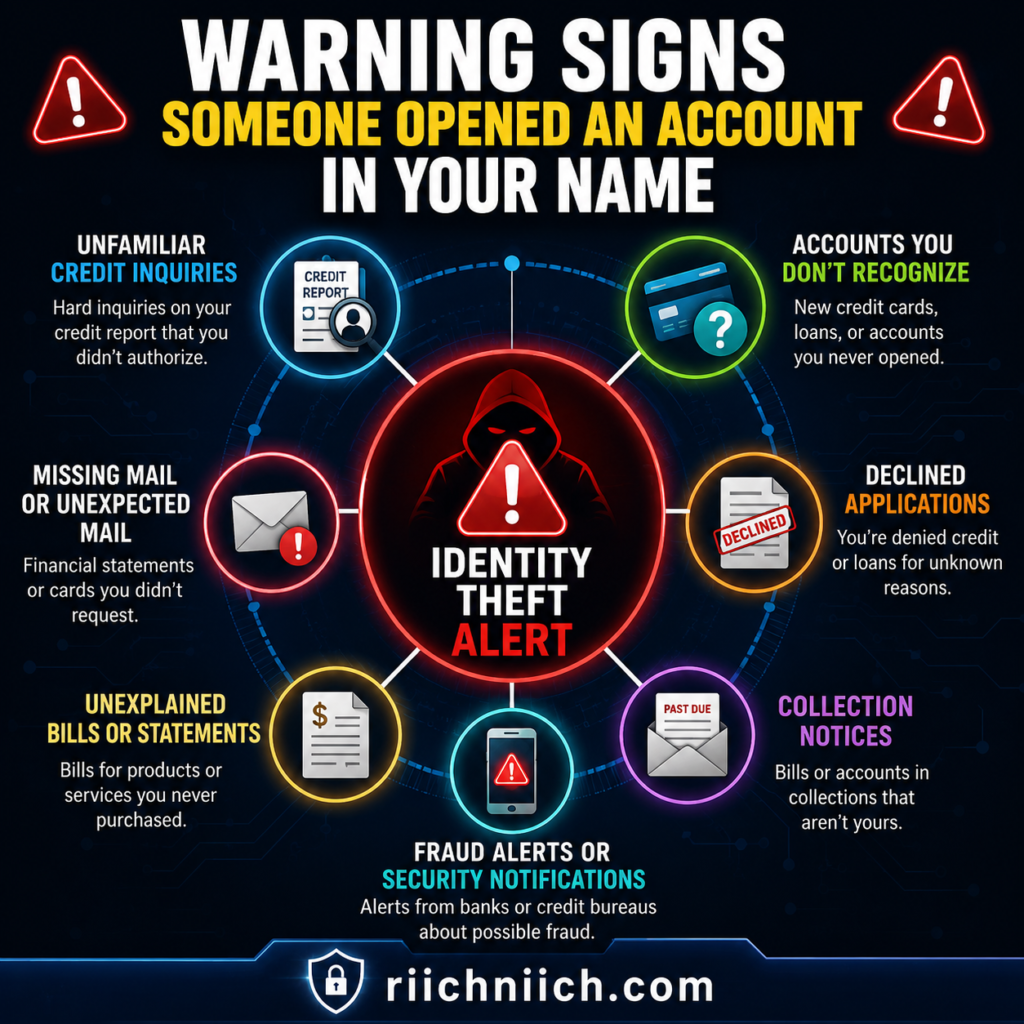
If you’re wondering how to tell if someone opened an account in your name, the warning signs often appear long before you receive confirmation from a bank or lender. Identity thieves frequently use stolen personal information to apply for credit cards, loans, checking accounts, or financing, leaving victims unaware until the damage has already been done.
Learning how to tell if someone opened an account in your name as early as possible can help you stop additional fraud, dispute unauthorized accounts, and protect both your credit score and your financial future. The sooner you recognize the warning signs, the easier it is to limit the damage.
Unexpected Credit Inquiries
One of the earliest clues when learning how to tell if someone opened an account in your name is finding hard credit inquiries you don’t recognize on your credit report. Whenever someone applies for credit, the lender typically performs a hard inquiry.
Watch for inquiries from:
- Banks you’ve never contacted
- Credit card companies you didn’t apply to
- Auto lenders
- Personal loan providers
- Retail financing companies
Even one unfamiliar inquiry deserves immediate attention because it could mean someone is attempting to open an account using your identity.
New Accounts You Never Opened
Perhaps the clearest sign of identity theft is discovering an unfamiliar account listed on your credit report.
These unauthorized accounts may include:
- Credit cards
- Personal loans
- Auto loans
- Buy Now, Pay Later accounts
- Store financing
- Lines of credit
If you notice an account you never opened, act immediately. The sooner you report it, the easier it usually is to limit financial damage.
Finding unfamiliar accounts is one of the strongest ways on how to tell if someone opened an account in your name and should never be ignored.
Bills or Statements From Companies You Don’t Recognize
Receiving statements for unfamiliar accounts is another major warning sign.
Examples include:
- Credit card bills
- Loan payment notices
- Welcome letters from financial institutions
- Debit cards arriving in the mail
- Online banking enrollment confirmations
If you’re trying to figure out how to tell if someone opened an account in your name, unexpected financial mail is often one of the first signs that criminals have successfully used your personal information.
Debt Collection Calls for Accounts That Aren’t Yours
Many victims first discover identity theft after debt collectors begin contacting them.
Collection agencies may call about:
- Missed credit card payments
- Unpaid personal loans
- Defaulted financing agreements
- Outstanding bank account fees
If collectors mention accounts you’ve never heard of, request written validation of the debt and begin investigating immediately.
Your Credit Score Suddenly Drops
A sudden decrease in your credit score without an obvious reason can be another red flag.
Common causes include:
- New accounts lowering your average account age
- High balances on fraudulent credit cards
- Missed payments on accounts opened by criminals
- Multiple hard credit inquiries
Monitoring your credit score regularly makes it much easier on how to tell if someone opened an account in your name before additional fraudulent accounts appear.
A sudden credit score drop is only one warning sign. Learn about the other signs in our guide on 13 Warning Signs Someone Stole Your Identity.
You’re Denied Credit Unexpectedly
If you’ve always qualified for loans or credit cards but suddenly receive a denial, it’s worth investigating.
Lenders may reject applications because:
- Fraudulent accounts increased your debt.
- Someone opened multiple lines of credit in your name.
- Your credit utilization has become unusually high.
- Your credit report contains inaccurate information.
Unexpected denials often lead people to discover identity theft they never knew existed.
You Receive Fraud Alerts From Your Bank
Many financial institutions automatically detect unusual account activity.
You might receive notifications about:
- Applications you didn’t submit
- New account openings
- Password changes
- Suspicious login attempts
- Unusual transactions
If you’re concerned about how to tell if someone opened an account in your name, never ignore fraud alerts from your bank. Contact the financial institution using its official website or the phone number listed on your existing account statements to verify the activity.
Government or Tax Notices You Didn’t Expect
Identity thieves sometimes misuse stolen identities beyond traditional banking.
Unexpected notices may involve:
- Tax documents for unknown income
- IRS letters about unfamiliar accounts
- Government benefit applications
- Employment records that aren’t yours
If government correspondence doesn’t match your financial history, investigate immediately because it could indicate broader identity theft.
Friends or Family Mention Strange Financial Activity
Occasionally, someone close to you notices suspicious activity before you do.
For example:
- A family member receives mail addressed to you about a financial account.
- Someone tells you they’ve received scam messages pretending to be you.
- A joint account holder notices unfamiliar activity.
Although these situations are less common, they can provide an early warning that your identity has been compromised.
Multiple Warning Signs Usually Mean Faster Action Is Needed
One unusual event doesn’t always mean someone has stolen your identity. However, several warning signs appearing together—such as unfamiliar credit inquiries, unexpected bills, collection notices, and a declining credit score—significantly increase the likelihood of new account fraud.
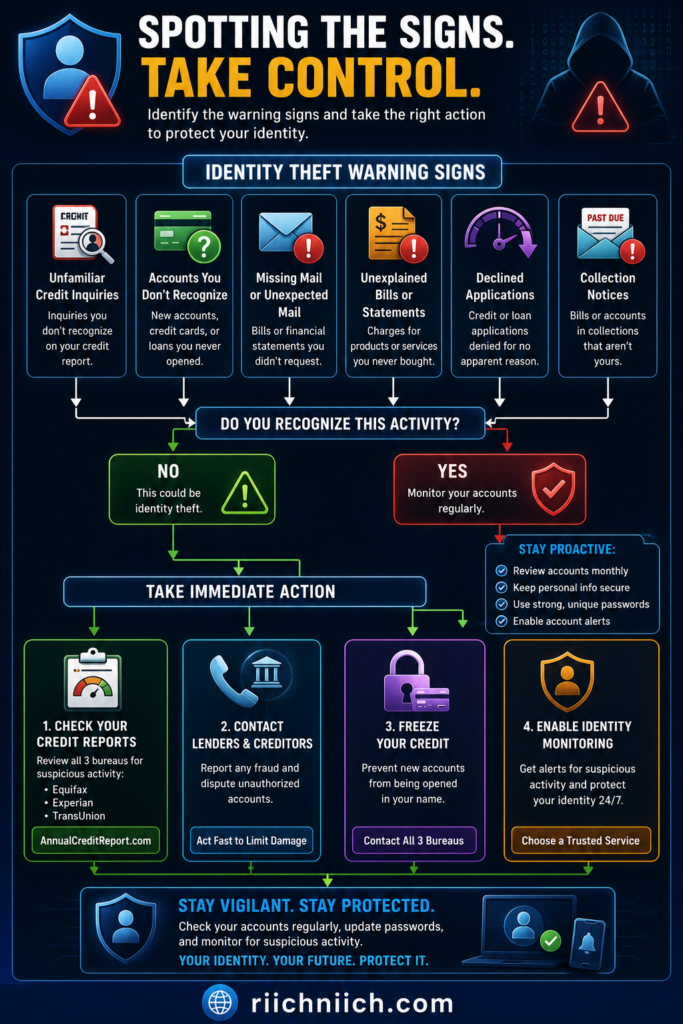
If you’re seeing multiple red flags while trying to determine how to tell if someone opened an account in your name, don’t wait for additional damage. Review your credit reports, contact the affected financial institutions, place a fraud alert or credit freeze if appropriate, and consider using a reputable identity theft protection service that provides continuous credit monitoring, identity monitoring, and fraud alerts. These tools can help figuring out how to tell if someone opened an account in your name much sooner and may prevent additional fraudulent accounts from being opened.
Helpful External Resources:
- Federal Trade Commission (FTC): Identity theft recovery guidance and fraud reporting.
- AnnualCreditReport.com: Access your free credit reports from all three nationwide credit bureaus.
- Consumer Financial Protection Bureau (CFPB): Information about credit reports, consumer rights, and disputing inaccurate financial information.
How to Check If Someone Opened an Account in Your Name
If you suspect identity theft, knowing how to tell if someone opened an account in your name starts with checking the places where fraudulent activity is most likely to appear. Identity thieves often leave behind clues, such as unauthorized credit inquiries, unfamiliar financial accounts, or unexpected account notifications.
The following steps can help you confirm whether someone has used your personal information to open a new account and allow you to respond before the damage becomes more serious.
Review Your Credit Reports Carefully
The first and most important step in learning how to tell if someone opened an account in your name is reviewing your credit reports from all three nationwide credit bureaus.
Look for:
- Credit cards you never applied for
- Personal loans you don’t recognize
- Auto loans you didn’t authorize
- Store financing accounts
- Buy Now, Pay Later accounts
- Unfamiliar hard credit inquiries
Pay close attention to the account opening dates. Even recently opened accounts with a zero balance may indicate identity theft.
Not sure what to look for on your credit report? Our guide on How to Check Your Credit Report for Signs of Identity Theft walks you through exactly what to review.
Check Your Bank and Credit Card Accounts
Review every financial account you currently own.
Look for:
- Small test transactions
- New linked accounts
- Unauthorized transfers
- Changes to your contact information
- Unknown authorized users
Identity thieves sometimes test stolen information before attempting larger fraudulent transactions.
Monitor Your Credit Score for Unexpected Changes
Although your credit score alone cannot confirm identity theft, a sudden drop can indicate that someone has opened new accounts or accumulated debt in your name.
A lower score may result from:
- New credit accounts
- High balances
- Missed payments
- Multiple hard inquiries
Regular credit monitoring helps you identify suspicious activity much sooner.
Look for Unfamiliar Account Notifications
Many banks and financial institutions send welcome emails or letters when a new account is opened.
Watch for:
- Account approval emails
- Debit or credit cards arriving unexpectedly
- Online banking activation notices
- Loan approval letters
- Verification codes you didn’t request
If you receive any of these communications unexpectedly, contact the company immediately using its official website or customer service number.
Check Your Mail for Unexpected Financial Documents
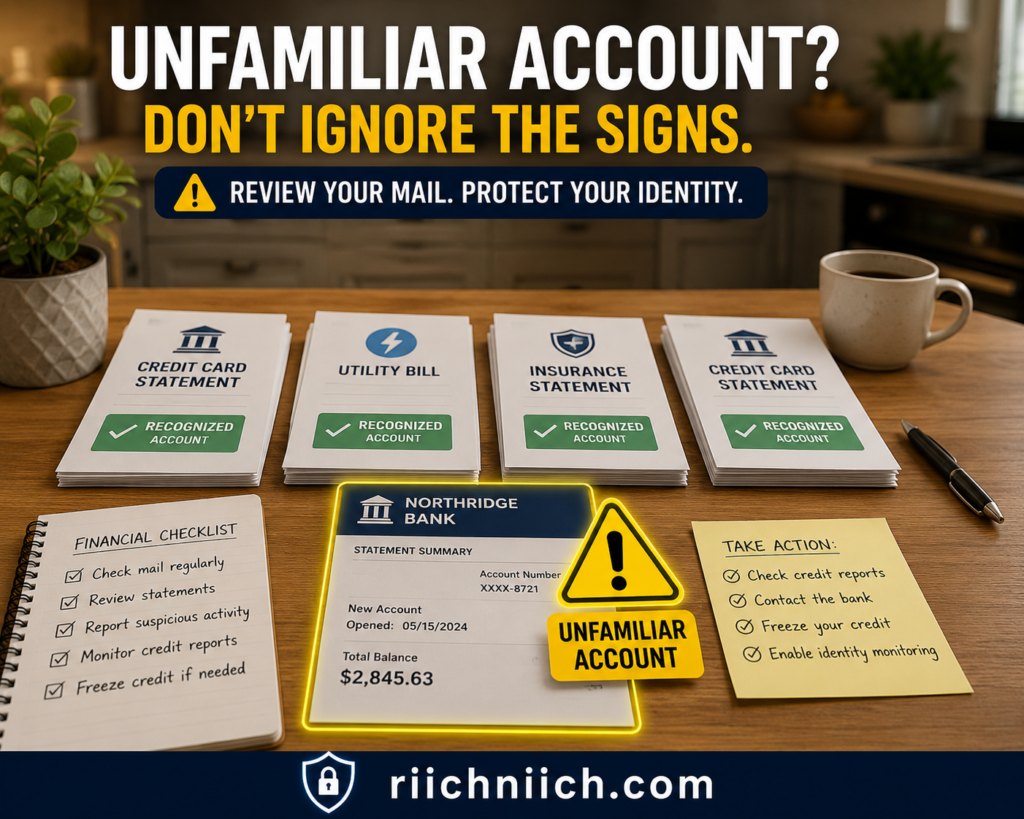
Physical mail still provides valuable clues when determining how to tell if someone opened an account in your name.
Pay attention to:
- Monthly statements
- Tax forms
- Collection notices
- Loan payment reminders
- Insurance documents tied to unfamiliar accounts
Even unopened envelopes from unknown financial institutions should be investigated.
Review Your Online Banking Alerts
Most banks allow you to receive real-time notifications about account activity.
Enable alerts for:
- New account creation
- Password changes
- Login attempts
- Wire transfers
- Debit card transactions
- Changes to your personal information
These notifications can help you detect fraudulent activity before significant financial losses occur.
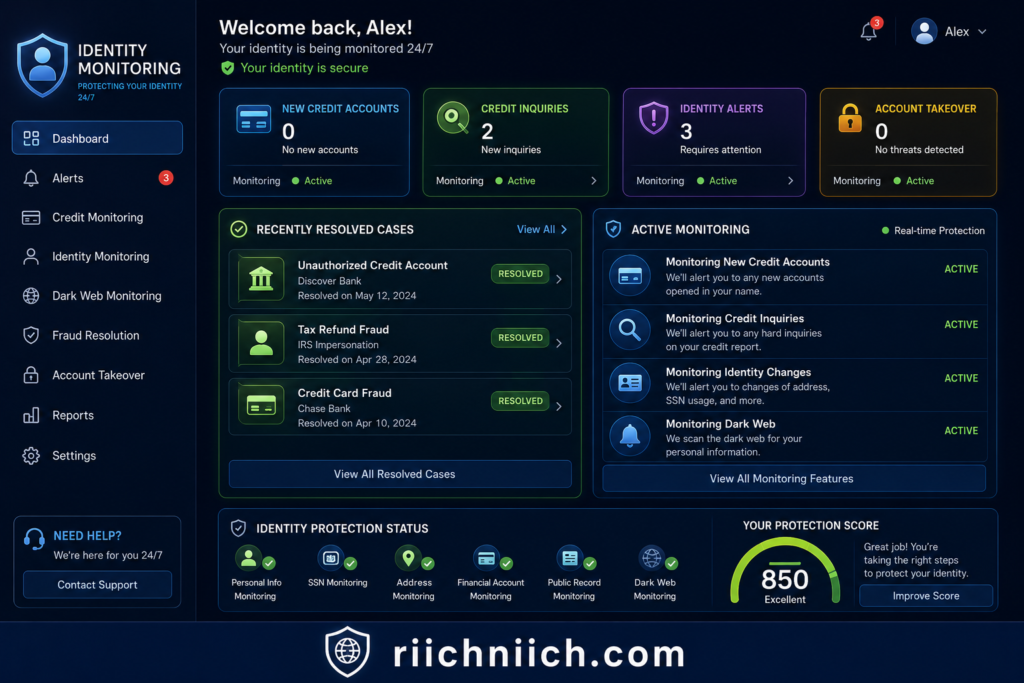
Use an Identity Monitoring Service
One of the easiest ways on how to tell if someone opened an account in your name is by using an identity theft protection service that continuously monitors your personal information.
Many services monitor for:
- New credit accounts
- Credit inquiries
- Social Security number misuse
- Dark web exposure
- Address changes
- Identity theft alerts
Instead of manually checking multiple financial accounts, an identity monitoring service can notify you quickly when suspicious activity is detected. This can significantly reduce the time between fraud occurring and your response.
👉 If you want automatic alerts instead of checking everything manually, we recommend trying Aura Identity Theft Protection, which continuously monitors your credit, identity, and the dark web to help detect suspicious activity before it becomes a bigger problem.
Contact Financial Institutions Directly
If you discover an unfamiliar account, contact the financial institution immediately.
Be prepared to:
- Verify your identity
- Report the account as fraudulent
- Request the account be frozen or closed
- Ask for documentation related to the application
- Request written confirmation of your fraud report
Acting quickly often prevents additional fraudulent activity.
Continue Monitoring Even After Resolving the Fraud
Unfortunately, identity thieves sometimes attempt to use stolen information more than once.
Even after resolving a fraudulent account, continue monitoring:
- Credit reports
- Credit scores
- Financial statements
- Identity monitoring alerts
- Bank notifications
Staying proactive is one of the best long-term strategies for how to tell if someone opened an account in your name before significant financial damage occurs.
What to Do Immediately If Someone Opened an Account in Your Name
Once you’ve confirmed how to tell if someone opened an account in your name, acting quickly is the best way to limit financial damage and prevent additional fraud. Identity thieves often open multiple accounts within a short period, so every hour counts.
Follow these steps as soon as you discover an unauthorized account.
Contact the Financial Institution Immediately
Call the bank, credit card company, or lender that issued the fraudulent account.
Explain that:
- You did not open the account.
- Your identity has likely been stolen.
- You want the account frozen or closed immediately.
- You need written confirmation of your fraud report.
Ask the company to investigate the application and provide copies of any documents used to open the account. This information may be helpful if you need to dispute fraudulent charges later.
Place a Fraud Alert or Freeze Your Credit
One of the fastest ways to stop additional accounts from being opened is by protecting your credit file.
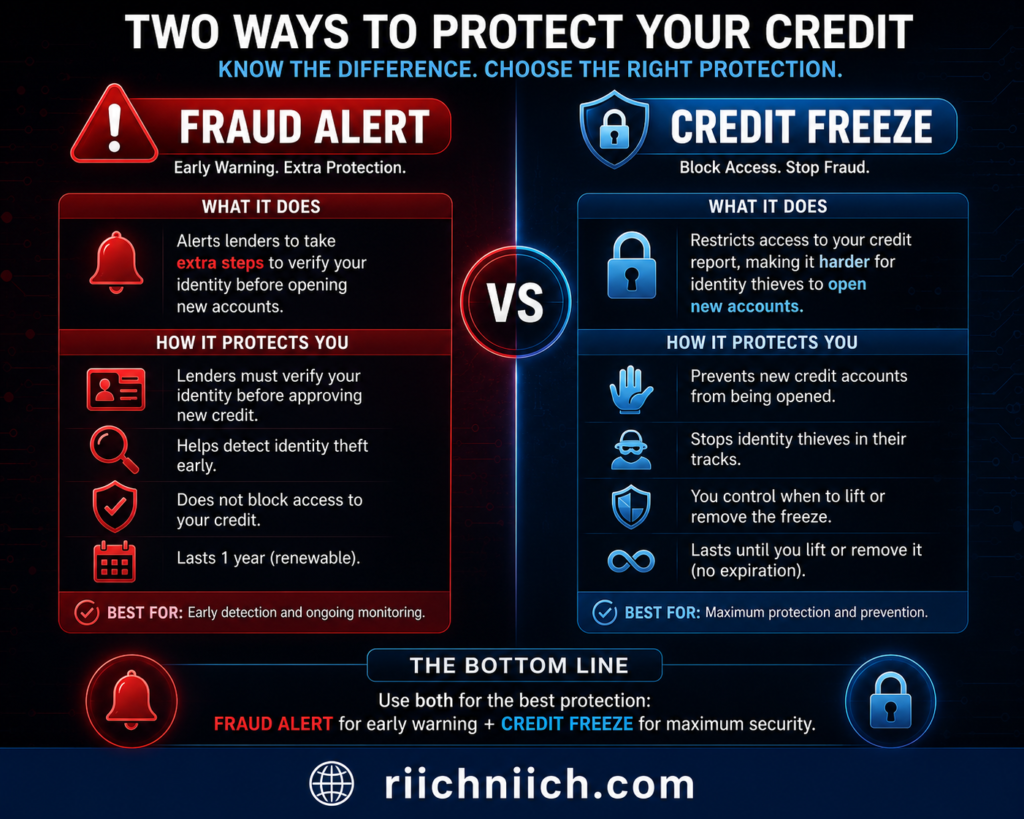
You have two primary options:
- Fraud Alert: Warns lenders to verify your identity before approving new credit.
- Credit Freeze: Restricts access to your credit report, making it much harder for criminals to open new accounts.
If you’re serious about preventing additional fraud, a credit freeze generally offers stronger protection.
If you’re deciding which option is right for you, compare the differences in our guide to Credit Freeze vs Credit Lock.
Review All Three Credit Reports
Even if you’ve already discovered one fraudulent account, don’t assume it’s the only one.
Carefully review your credit reports for:
- Additional unfamiliar accounts
- Unauthorized hard inquiries
- Incorrect personal information
- Unknown addresses
- New lenders you’ve never contacted
This step helps ensure you’ve identified every account affected by the identity theft.
Report the Identity Theft
If you’ve determined how to tell if someone opened an account in your name, reporting the fraud creates an official record that can help you dispute unauthorized accounts.
File a report through the Federal Trade Commission (FTC) and keep copies of all documentation, reference numbers, and correspondence. If requested by a financial institution or required under your local laws, you may also choose to file a police report.
Having organized records can make resolving identity theft much easier.
Change Passwords for Financial Accounts
Identity thieves may have access to more than your credit information.
Immediately update passwords for:
- Online banking
- Credit card accounts
- Investment accounts
- Email accounts
- Password manager
- Mobile banking apps
Use strong, unique passwords for every account and enable multi-factor authentication whenever possible.
Monitor Your Financial Accounts Daily
After discovering fraud, monitor your accounts more frequently than usual.
Watch for:
- Unauthorized transactions
- New account notifications
- Password reset emails
- Unexpected verification codes
- Changes to your account profile
Daily monitoring allows you to respond before fraudulent activity grows into a larger problem.
Dispute Fraudulent Information on Your Credit Reports
If fraudulent accounts appear on your credit reports, contact the appropriate credit bureau to begin the dispute process.
Provide supporting documentation such as:
- Your identity theft report
- Account closure confirmation
- Fraud investigation letters
- Copies of government-issued identification
Removing fraudulent accounts from your credit reports is essential for restoring your credit history.
Consider Identity Theft Protection
After learning how to tell if someone opened an account in your name, many people realize how difficult it can be to monitor everything on their own.
A quality identity theft protection service can help by providing:
- Continuous credit monitoring
- Identity monitoring
- Dark web monitoring
- Fraud alerts
- Social Security number monitoring
- Identity restoration assistance
While no service can prevent every type of identity theft, receiving early alerts may help you respond much faster if criminals attempt to misuse your personal information again.
Continue Monitoring Your Identity Long-Term
Identity thieves sometimes wait weeks or even months before attempting another fraudulent application.
Even after resolving the original issue, continue to:
- Review your credit reports regularly.
- Check your credit score.
- Monitor financial statements.
- Watch for unfamiliar credit inquiries.
- Keep your credit freeze or fraud alert active if appropriate.
Maintaining long-term vigilance is one of the most effective ways to protect yourself after discovering how to tell if someone opened an account in your name. Ongoing monitoring can help you detect future attempts before they become costly identity theft problems.
After securing your accounts, follow our complete guide on What to Do Immediately If Your Identity Is Stolen to make sure you don’t miss any important recovery steps.
How to Report a Fraudulent Account Opened in Your Name
After discovering how to tell if someone opened an account in your name, your next priority is reporting the fraudulent account as quickly as possible. Prompt reporting increases the chances of closing the account, removing it from your credit reports, and preventing additional identity theft.
The following steps will help you report the fraud and begin restoring your financial security.
Contact the Financial Institution That Opened the Account
Your first step should be contacting the bank, lender, or credit card company where the fraudulent account was opened.
Tell the representative that:
- You did not authorize the account.
- The account was opened using your personal information.
- You believe you are the victim of identity theft.
- You want the account frozen or closed immediately.
Request written confirmation that you’ve reported the fraud and ask for copies of any documents associated with the account application. These records may help support your dispute later.
Report the Identity Theft to the Federal Trade Commission
If you’ve confirmed how to tell if someone opened an account in your name, filing an identity theft report with the Federal Trade Commission (FTC) creates an official record of the fraud.
Your FTC Identity Theft Report can help you:
- Prove you’re the victim of identity theft.
- Support disputes with financial institutions.
- Assist when correcting your credit reports.
- Document your recovery efforts.
Save copies of all reports, confirmation numbers, and correspondence for your records.
Dispute the Fraudulent Account With the Credit Bureaus
If the unauthorized account appears on your credit reports, contact the nationwide credit bureaus to dispute the inaccurate information.
Include supporting documents such as:
- Your FTC Identity Theft Report
- Government-issued identification
- Proof of address
- Written confirmation from the financial institution
- A copy of the fraudulent account information
Providing complete documentation can help speed up the investigation and removal process.
Keep Detailed Records of Every Conversation
Identity theft cases often involve multiple phone calls and written communications.
Create a file containing:
- Dates of every phone call
- Representative names
- Case or reference numbers
- Copies of letters and emails
- Investigation updates
Organized records make it much easier to follow up if additional issues arise.
Monitor Your Credit Reports for Updates
Reporting the fraud doesn’t always remove the account immediately.
Continue reviewing your credit reports to verify that:
- The fraudulent account has been removed.
- Incorrect balances have been corrected.
- Unauthorized inquiries have been addressed.
- No additional fraudulent accounts appear.
Monitoring your credit regularly helps ensure the reporting process has been completed successfully.
Watch for Additional Fraud
Unfortunately, criminals who steal personal information often attempt to open multiple accounts.
Even after resolving one fraudulent account, continue watching for:
- New credit inquiries
- Unexpected loan applications
- Collection notices
- Account approval emails
- Changes to your credit score
Knowing how to tell if someone opened an account in your name means staying alert for future attempts as well.
Consider Professional Identity Theft Monitoring
Reporting fraud is only one part of recovering from identity theft. Ongoing monitoring can help you detect future problems much sooner.
Many identity theft protection services provide:
- Continuous credit monitoring
- Identity monitoring
- Dark web monitoring
- Social Security number monitoring
- Near real-time fraud alerts
- Identity restoration assistance
These services cannot stop every type of fraud, but they can provide early warnings if someone attempts to misuse your personal information again, helping you respond before additional accounts are opened.
Follow Up Until the Fraud Is Fully Resolved
Don’t assume the problem is over simply because you’ve reported it.
Continue following up until:
- The fraudulent account is officially closed.
- Your credit reports have been corrected.
- Collection efforts have stopped.
- You receive written confirmation from the financial institution.
- No new fraudulent activity appears.
If you’re learning how to tell if someone opened an account in your name, remember that persistence is an important part of the recovery process. Staying proactive helps protect your credit, your finances, and your identity over the long term.
How to Prevent Someone from Opening Another Account in Your Name
Once you’ve learned how to tell if someone opened an account in your name, the next step is making sure it doesn’t happen again. Identity thieves often keep stolen personal information for months or even years, meaning they may attempt to open additional accounts long after the first fraud has been resolved.
Fortunately, there are several effective ways to reduce your risk and protect your personal information moving forward.
Freeze Your Credit
One of the most effective ways to stop new account fraud is placing a credit freeze with each nationwide credit bureau.
A credit freeze helps prevent criminals from opening new credit accounts because most lenders cannot access your credit report without your permission.
A credit freeze can help protect against:
- Credit card fraud
- Personal loan fraud
- Auto loan fraud
- Retail financing fraud
- Other forms of new account fraud
If you’ve already discovered how to tell if someone opened an account in your name, a credit freeze is often one of the strongest protections available.
Enable Fraud Alerts
A fraud alert tells lenders to verify your identity before approving new credit applications.
While a fraud alert doesn’t block access to your credit report like a credit freeze does, it adds another layer of protection that may stop fraudulent applications before they’re approved.
Many people choose to combine fraud alerts with regular credit monitoring for even greater security.
Monitor Your Credit Regularly
Checking your credit reports and credit score regularly allows you to identify suspicious activity before it becomes a larger problem.
Watch for:
- Unfamiliar credit inquiries
- New financial accounts
- Incorrect personal information
- Unexpected address changes
- Unknown lenders
The sooner you detect unusual activity, the easier it is to respond.
Protect Your Personal Information
Identity thieves often rely on information gathered from data breaches, phishing scams, stolen mail, or public records.
Reduce your risk by:
- Shredding sensitive financial documents.
- Avoiding suspicious email links.
- Limiting the personal information you share online.
- Using secure websites when submitting financial information.
- Storing important documents in a secure location.
Protecting your personal information makes it much harder for criminals to commit new account fraud.
Understanding how criminals steal sensitive information can help you avoid becoming a victim. Learn more in How Hackers Get Your Personal Data.
Use Strong Passwords and Multi-Factor Authentication
Many identity theft cases begin with compromised online accounts.
Strengthen your security by:
- Using a unique password for every account.
- Creating long, complex passwords.
- Enabling multi-factor authentication whenever available.
- Using a trusted password manager.
- Changing passwords immediately if a data breach occurs.
These simple habits significantly reduce the chances of criminals gaining access to your financial accounts.
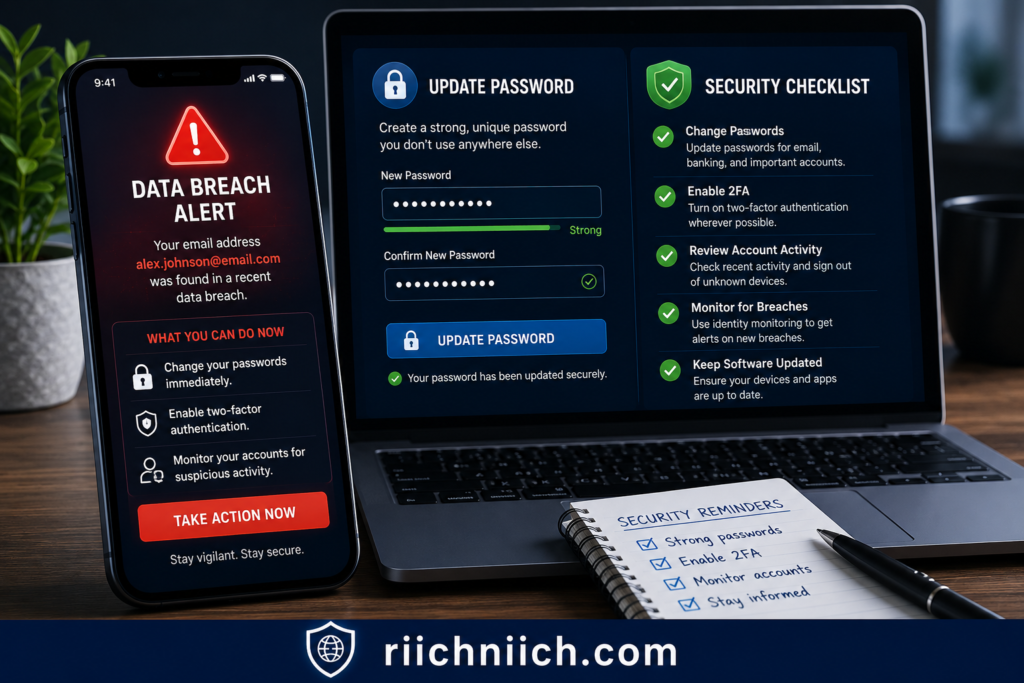
Watch for Data Breach Notifications
Companies occasionally notify customers when personal information has been exposed during a data breach.
If you receive one of these notifications:
- Change affected passwords immediately.
- Monitor your financial accounts closely.
- Review your credit reports.
- Consider freezing your credit if sensitive information was exposed.
Responding quickly after a breach can prevent additional identity theft.
If your information has already been exposed, our guide on What Happens After a Data Breach explains what to expect and the steps you should take next.
Use Identity Theft Protection
One of the easiest ways to continue protecting yourself after learning how to tell if someone opened an account in your name is by using an identity theft protection service.
Many services provide:
- Continuous credit monitoring
- Identity monitoring
- Dark web monitoring
- Social Security number monitoring
- Fraud alerts
- Identity restoration support
While no service can eliminate every risk, receiving early alerts can help you act before criminals successfully open another fraudulent account.
👉 For ongoing peace of mind, Aura Identity Theft Protection continuously monitors your identity, credit, Social Security number, and dark web exposure so you can respond quickly if someone attempts to open another account in your name.
Stay Consistent With Your Security Routine
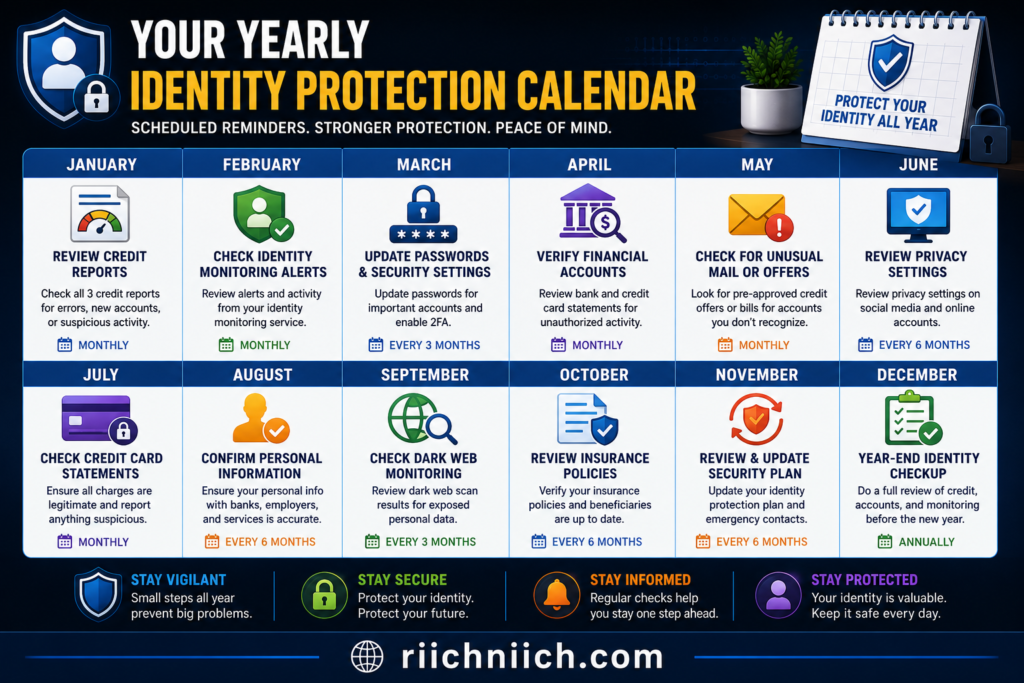
Preventing identity theft isn’t a one-time task. Building a simple monthly security routine can help you catch suspicious activity early.
Each month, consider taking a few minutes to:
- Review your credit reports.
- Check your credit score.
- Verify your financial account activity.
- Update important passwords when necessary.
- Review identity monitoring alerts.
Making these habits part of your regular routine is one of the best long-term strategies after discovering how to tell if someone opened an account in your name. Consistent monitoring greatly improves your chances of detecting fraudulent activity before it causes serious financial damage.
Helpful External Resources:
- Cybersecurity and Infrastructure Security Agency (CISA): Find practical cybersecurity tips for protecting your online accounts and sensitive personal information.
When You Should Consider Identity Theft Protection
If you’ve already learned how to tell if someone opened an account in your name, you may be wondering whether an identity theft protection service is worth the investment. While some people are comfortable monitoring their credit reports manually, others prefer continuous monitoring and early fraud alerts that can help detect suspicious activity sooner.
If your personal information has already been exposed—or you simply want greater peace of mind—identity theft protection can provide an additional layer of security.
You’ve Already Experienced Identity Theft
If someone has successfully opened an account using your personal information, there is a higher chance your stolen data could be used again.
Identity thieves often keep stolen information for future use, especially if it includes:
- Your Social Security number
- Date of birth
- Driver’s license number
- Financial account information
- Email address and passwords
After discovering how to tell if someone opened an account in your name, continuous monitoring can help alert you if criminals attempt to open additional accounts or misuse your identity again.
Your Personal Information Was Exposed in a Data Breach
Data breaches have exposed billions of personal records over the past several years.
If a company notifies you that your sensitive information has been compromised, it’s wise to increase your level of protection.
Identity theft protection services may monitor for:
- New credit accounts
- Unauthorized credit inquiries
- Dark web exposure
- Changes involving your Social Security number
- Suspicious identity activity
Receiving early alerts allows you to respond more quickly if your information is used fraudulently.
You Don’t Have Time to Monitor Everything Yourself
Manually checking your credit reports, financial accounts, and personal information can be time-consuming.
Many people prefer identity theft protection because it automatically monitors multiple areas and sends alerts when suspicious activity occurs.
Instead of checking everything yourself, these services can notify you when they detect:
- New account applications
- Credit inquiries
- Identity-related alerts
- Changes to your credit profile
- Personal information found on the dark web
Automation can help reduce the chance of missing important warning signs.
You Want Earlier Fraud Detection
The sooner you detect identity theft, the easier it usually is to stop additional damage.
Many identity theft protection services provide alerts shortly after suspicious activity is detected, allowing you to:
- Contact lenders immediately.
- Freeze your credit.
- Report fraudulent accounts.
- Prevent additional financial losses.
Earlier detection can significantly reduce the amount of time criminals have to misuse your identity.
You Want Help Recovering From Identity Theft
Recovering from identity theft often involves:
- Contacting financial institutions
- Disputing fraudulent accounts
- Correcting credit reports
- Filing identity theft reports
- Keeping detailed documentation
Many identity theft protection providers offer identity restoration assistance to help guide you through the recovery process if fraud occurs.
Having professional support can save time and reduce stress during a difficult situation.
You Want Ongoing Peace of Mind
Even if you’ve never experienced identity theft, ongoing monitoring can provide reassurance that someone is watching for suspicious activity.
Many identity theft protection services include:
- Credit monitoring
- Identity monitoring
- Dark web monitoring
- Fraud alerts
- Lost wallet assistance
- Identity restoration support
While these services cannot prevent every type of identity theft, they can help you respond much faster if criminals attempt to misuse your personal information.
Is Identity Theft Protection Worth It?
After learning how to tell if someone opened an account in your name, many people realize that manual monitoring alone may not always detect fraud quickly enough.
If you have a history of identity theft, your personal information has been exposed in a data breach, or you simply want continuous monitoring and faster fraud alerts, an identity theft protection service may be a worthwhile investment. The best services combine credit monitoring, identity monitoring, dark web monitoring, fraud alerts, and identity restoration assistance into one solution, helping you detect suspicious activity earlier and reduce the risk of long-term financial damage.
If you’re ready to compare your options, see our roundup of the Best Identity Theft Protection Services to find the solution that best fits your needs.
Frequently Asked Questions About How to Tell If Someone Opened an Account in Your Name
Below are answers to some of the most common questions people ask when trying to determine how to tell if someone opened an account in your name.
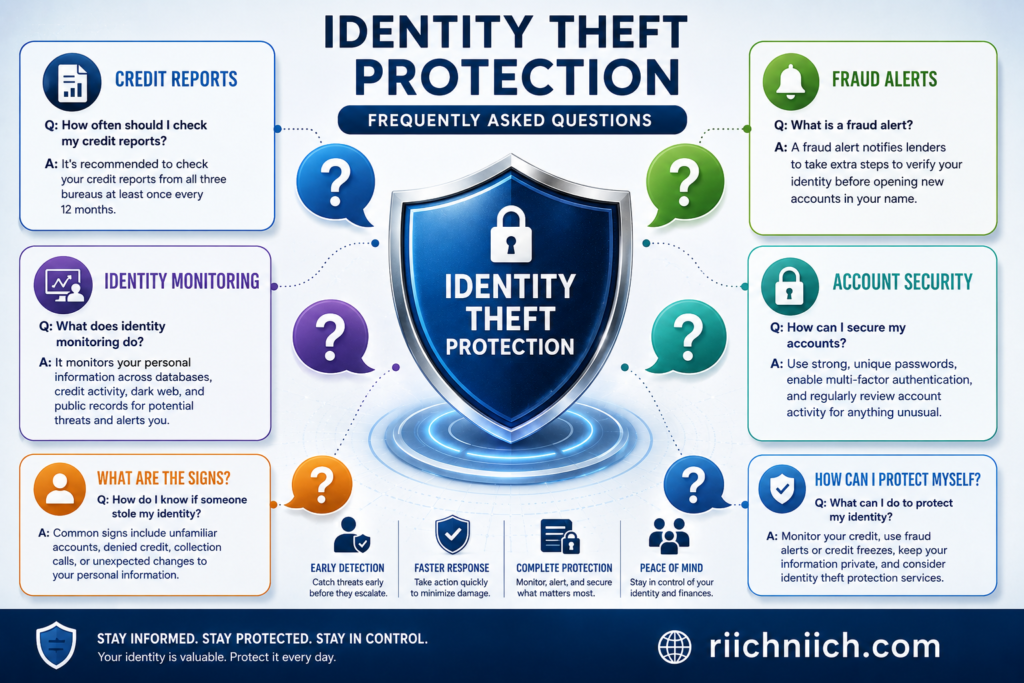
How can I tell if someone opened an account in my name?
The most reliable way to determine is to review your credit reports, monitor your financial accounts, and watch for unfamiliar credit inquiries, new accounts, unexpected bills, collection notices, or fraud alerts from your bank. Identity monitoring services can also notify you when suspicious activity is detected.
Will a fraudulent account appear on my credit report?
In many cases, yes. Credit cards, personal loans, auto loans, and other forms of credit often appear on your credit reports shortly after they’re opened. However, some fraudulent bank accounts or certain financial products may not be reported to the credit bureaus, so it’s important to monitor your bank accounts and financial statements as well.
What should I do first if I find an account I didn’t open?
If you’ve confirmed how to tell if someone opened an account in your name, contact the financial institution immediately and report the account as fraudulent. Then review your credit reports, place a fraud alert or credit freeze if appropriate, report the identity theft to the Federal Trade Commission (FTC), and continue monitoring your credit for additional suspicious activity.
Can someone open an account using only my Social Security number?
A Social Security number alone may not always be enough, but when combined with other stolen personal information—such as your name, date of birth, or address—it can be used to apply for credit, loans, or other financial accounts. This is why protecting your personal information and monitoring your identity are so important.
How often should I check my credit reports?
Reviewing your credit reports several times each year is a smart habit, and you should check them immediately if you notice suspicious financial activity. People at higher risk of identity theft may benefit from more frequent reviews along with continuous credit monitoring.
Does a credit freeze stop identity theft?
A credit freeze is one of the strongest tools for preventing criminals from opening new credit accounts because it restricts access to your credit reports. However, it does not stop every type of identity theft. Criminals may still attempt account takeover, tax fraud, or other forms of identity misuse, so ongoing monitoring remains important.
Is identity theft protection worth it?
For many people, yes. If you’ve already experienced identity theft, your personal information has been exposed in a data breach, or you want earlier fraud detection, an identity theft protection service can provide continuous credit monitoring, identity monitoring, dark web monitoring, fraud alerts, and identity restoration assistance. These features can help you discover suspicious activity much sooner than manual monitoring alone.
Can I recover after someone opens an account in my name?
Yes. While recovering from identity theft can take time, most victims can restore their financial records by reporting the fraud promptly, disputing fraudulent accounts, correcting their credit reports, and continuing to monitor their identity. Acting quickly greatly improves the chances of limiting financial damage.
Conclusion: How to Tell If Someone Opened an Account in Your Name
Knowing how to tell if someone opened an account in your name can make the difference between stopping identity theft early and dealing with months of financial and credit problems. The warning signs—such as unfamiliar credit inquiries, unauthorized accounts, collection notices, unexpected financial mail, or a sudden drop in your credit score—should never be ignored.
If you discover suspicious activity, act immediately by contacting the financial institution, reviewing your credit reports, reporting the fraud, and placing a fraud alert or credit freeze if appropriate. The faster you respond, the better your chances of minimizing financial damage and preventing additional fraudulent accounts from being opened.
While it’s possible to monitor your credit and financial accounts on your own, many people choose an identity theft protection service for continuous monitoring and earlier fraud detection. Services that provide credit monitoring, identity monitoring, dark web monitoring, fraud alerts, and identity restoration assistance can help you identify suspicious activity sooner and simplify the recovery process if identity theft occurs.
For even more ways to reduce your risk, explore our complete guide on How to Protect Yourself from Identity Theft and build a stronger long-term defense against identity thieves.
If you’ve been researching how to tell if someone opened an account in your name, now is also a good time to evaluate whether your current level of protection is enough. If your personal information has been exposed in a data breach, you’ve experienced identity theft before, or you simply want greater peace of mind, investing in a reputable identity theft protection service may be one of the smartest decisions you can make for your long-term financial security.
Taking proactive steps today can help protect your credit, your finances, and your personal information tomorrow.



Pingback: Credit Monitoring vs Identity Theft Protection: What’s the Difference, and Which Do You Need? - Riich Niich