

How to know if someone stole your identity is a question many people don’t ask until something goes wrong. Unexpected charges, strange login alerts, debt collection calls, and unfamiliar accounts can all be warning signs that a criminal is using your personal information. The good news is that identity theft often leaves clues before serious damage occurs.
In this guide, you’ll learn the most common signs of identity theft, how to check if your identity has been compromised, what to do immediately if you suspect fraud, and the best tools to help protect your personal information in the future. Whether you’re dealing with suspicious activity now or simply want to stay ahead of cybercriminals, this guide will help you recognize identity theft warning signs early and take action before the situation gets worse.
Table of Contents
🔥 Quick Answer: Common Signs Your Identity May Be Stolen
If you are wondering how to know if someone stole your identity, there are several warning signs you should never ignore. Identity theft often starts quietly, and many people do not realize their personal information has been compromised until serious financial damage has already happened.
Some of the most common signs of identity theft include:
- Unrecognized charges on your bank or credit card statements
- Suspicious login alerts from your online accounts
- Debt collectors calling about accounts you never opened
- Missing mail or bills
- A sudden drop in your credit score
- New loans or credit cards appearing in your name
- Tax return rejections due to duplicate filings
- Notifications that your personal information was found on the dark web
Cybercriminals can use stolen personal data to open accounts, apply for loans, steal tax refunds, or commit fraud using your identity. According to the Federal Trade Commission (FTC), identity theft reports continue to rise every year, especially after major data breaches and online scams.
One of the biggest problems with identity theft is that victims often discover it too late. In many cases, hackers buy and sell stolen information through data broker websites, phishing attacks, malware infections, and dark web marketplaces. The longer identity theft goes unnoticed, the more difficult it can become to recover your accounts and repair financial damage. Want to know immediately if someone is using your identity? Aura monitors credit activity, dark web exposure, and suspicious account activity and can alert you before fraud causes serious damage.
If you notice suspicious activity, it is important to act quickly by monitoring your credit reports, securing your accounts, and considering identity monitoring tools that can alert you to fraud early. Services like identity theft protection and dark web monitoring can help detect suspicious activity before it becomes a larger problem.
You can learn more about identity theft warning signs from the Federal Trade Commission (FTC) here.
You can also review fraud prevention guidance from the Consumer Financial Protection Bureau here.
Why Identity Theft Is Becoming More Common
Understanding how to know if someone stole your identity starts with understanding why identity theft has become so common in the first place. Today, more personal information is stored online than ever before, which gives cybercriminals more opportunities to steal sensitive data and commit fraud.
Every time you create an online account, shop online, use social media, sign up for services, or connect to public WiFi, pieces of your personal information can be exposed. Data brokers, advertisers, hackers, and scammers constantly collect and share personal data across the internet.
Large-scale data breaches have also made identity theft warning signs more common. When companies experience security breaches, stolen information such as email addresses, passwords, phone numbers, Social Security numbers, and banking details can end up on dark web marketplaces where criminals buy and sell personal data.
Another reason identity theft is increasing is because scammers are using more advanced phishing attacks and social engineering tactics. Many of these attacks follow predictable patterns. Learn more about the most common methods criminals use in our guide on How Identity Theft Happens. Fraudsters create fake emails, banking alerts, delivery notifications, and login pages designed to trick people into revealing passwords and financial information.
Many people also unknowingly expose personal details publicly through social media, online forms, people-search websites, and unsecured online accounts. This makes it easier for criminals to answer security questions, impersonate victims, and open fraudulent accounts.
In some cases, identity theft symptoms may not appear for months. Criminals often wait before using stolen data, making it harder for victims to connect suspicious activity to the original breach or scam.
Because identity theft can happen silently, many people now use identity monitoring services, dark web monitoring tools, VPNs, password managers, and credit monitoring to help reduce their risk. These tools can alert users to suspicious activity earlier and help protect sensitive information from being exposed online.
The Cybersecurity & Infrastructure Security Agency (CISA) provides additional guidance on protecting personal information online.
You can also learn more about data breaches and identity theft risks from the Identity Theft Resource Center.
Unexpected Charges or Transactions on Your Accounts
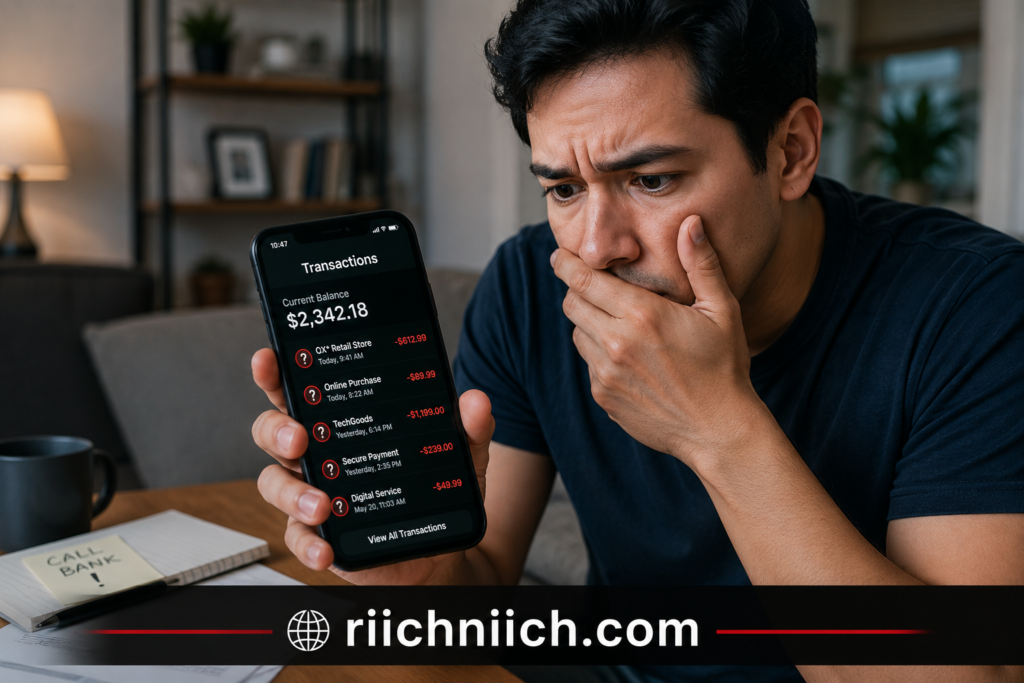
One of the biggest warning signs when learning how to know if someone stole your identity is discovering charges or transactions you do not recognize. Many identity theft victims first notice fraud after spotting strange purchases, bank withdrawals, or payment activity on their financial accounts.
These suspicious transactions may appear small at first. Criminals often test stolen debit cards or credit cards with low-cost purchases before attempting larger fraudulent transactions. Even a small charge you do not recognize could be an early sign of identity theft.
Common examples include:
- Purchases from unfamiliar stores or websites
- Duplicate charges
- Cash withdrawals you did not make
- Subscription payments you never signed up for
- Online shopping orders sent to unknown addresses
- Transfers from your banking apps or payment accounts
If you notice any unusual activity, contact your bank or credit card company immediately. Acting quickly can help prevent additional fraud and limit financial damage.
Another important identity theft symptom is receiving fraud alerts from your bank about attempted purchases or login attempts. Financial institutions often monitor accounts for unusual spending behavior, but criminals can sometimes bypass these protections if stolen information is already exposed online.
In many cases, stolen banking information comes from phishing scams, public WiFi attacks, malware infections, data breaches, or compromised online accounts. This is why monitoring your financial activity regularly is one of the simplest ways to detect identity theft early.
Many people also use identity monitoring services to track suspicious account activity in real time. These tools can help notify you about fraudulent transactions, dark web exposure, credit inquiries, and other identity theft warning signs before the damage becomes worse.
Strange Login Alerts and Security Notifications
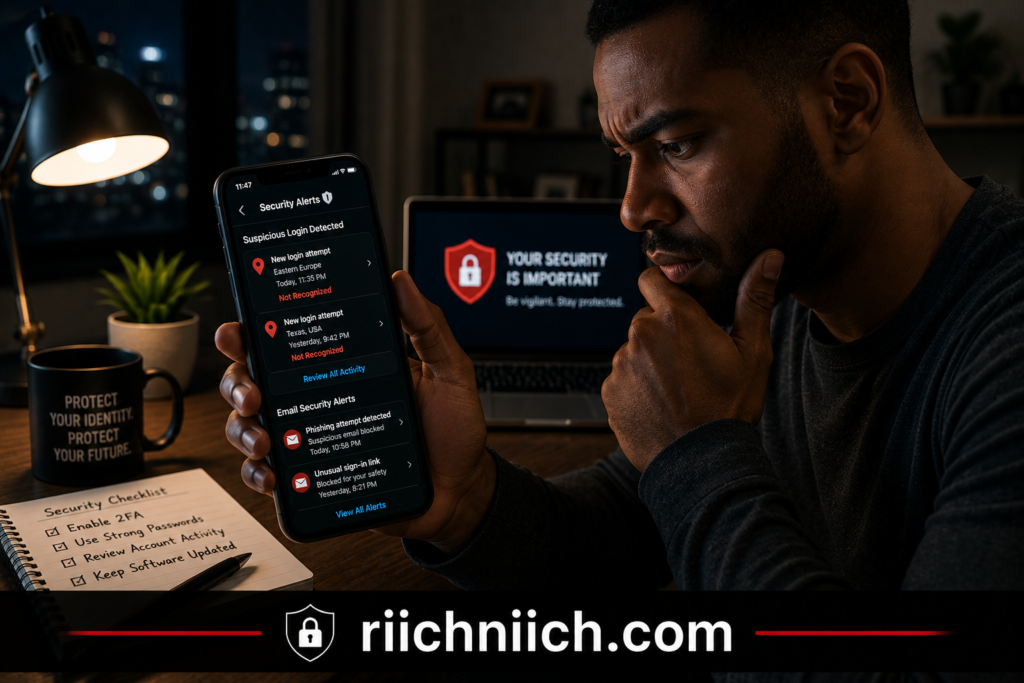
Another major warning sign when learning how to know if someone stole your identity is receiving unusual login alerts or unexpected security notifications from your online accounts. These alerts often appear before financial fraud becomes visible, making them one of the earliest identity theft warning signs many people experience.
You should pay close attention to notifications such as:
- Password reset emails you did not request
- Login attempts from unknown devices or locations
- Multi-factor authentication codes you did not initiate
- Security alerts about suspicious activity
- Emails confirming account changes you never made
- Locked accounts due to repeated login attempts
These alerts may indicate that cybercriminals already have access to your email address, passwords, or other personal information. In many cases, hackers use stolen credentials from previous data breaches to attempt logins across multiple websites and apps.
One compromised account can quickly lead to larger identity theft problems. For example, if hackers gain access to your email account, they may be able to reset passwords for banking apps, shopping websites, social media accounts, and even identity protection services linked to that email address.
This type of account takeover fraud has become increasingly common because many people reuse the same passwords across multiple websites. Once criminals obtain leaked login credentials from a breach, automated tools can test those passwords across thousands of accounts within minutes.
If you receive suspicious login alerts, change your passwords immediately and enable multi-factor authentication on all important accounts. Using a password manager can also help create stronger and more secure passwords that are harder for hackers to crack.
Many identity monitoring services now include dark web monitoring and account breach alerts that notify users when their email addresses or passwords appear in leaked databases online. These tools can help detect suspicious activity before criminals fully compromise your accounts.
Google provides account security recommendations here.
Bills, Collections, or Accounts You Do Not Recognize
Receiving bills, debt collection notices, or account statements for accounts you never opened is another serious warning sign when learning how to know if someone stole your identity. This type of fraud often means criminals have already used your personal information to apply for loans, credit cards, medical services, or other financial accounts.
Many identity theft victims first discover suspicious activity after getting:
- Collection calls for debts they do not recognize
- Credit card statements from unknown lenders
- Medical bills for treatments they never received
- Loan approvals they never requested
- Utility account notices in their name
- Mail about accounts opened at unfamiliar companies
These are strong identity theft warning signs that should never be ignored. In many cases, criminals use stolen Social Security numbers, addresses, phone numbers, and personal details to create fraudulent accounts before victims realize anything is wrong.
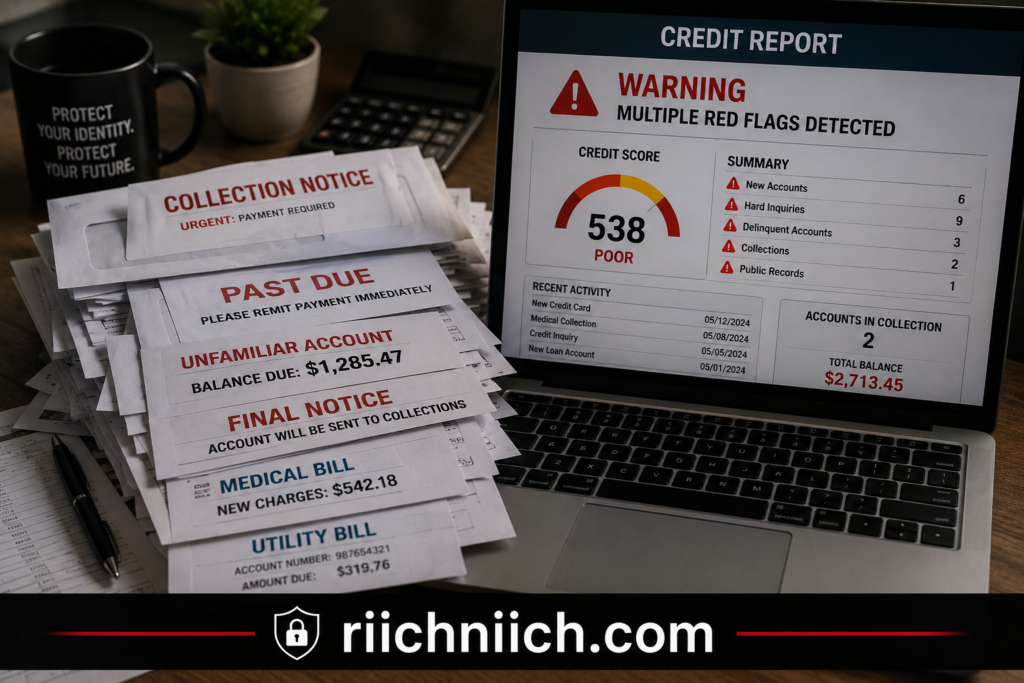
One reason this type of identity fraud is dangerous is because it can seriously damage your credit score over time. Missed payments, collections, and fraudulent loans may stay on your credit report for years if they are not disputed quickly.
If you notice unfamiliar accounts or debt collection activity, review your credit reports immediately for suspicious accounts, inquiries, or balances. This can help you identify how much of your personal information may have been compromised.
Identity thieves often obtain this information through data breaches, phishing scams, stolen mail, public records, and data broker websites that expose sensitive personal details online.
To reduce the risk of further fraud, many people place fraud alerts or credit freezes on their credit files after discovering suspicious activity. Identity monitoring services can also help notify you about new account openings, credit inquiries, and other signs of identity theft before the damage becomes worse.
The three major credit bureaus allow consumers to request free credit reports and monitor suspicious activity:
Your Credit Score Suddenly Drops
A sudden drop in your credit score can be one of the clearest warning signs when learning how to know if someone stole your identity. While credit scores naturally change over time, a major or unexpected decrease may indicate that fraudulent activity is happening behind the scenes.
Identity thieves often open new credit accounts, max out credit cards, miss payments, or apply for loans using stolen personal information. These activities can quickly damage your credit history and lower your score before you even realize your identity has been compromised.
Common identity theft symptoms connected to credit score drops include:
- New credit inquiries you do not recognize
- Credit cards opened in your name
- Missed payments for accounts you never created
- Increased credit utilization
- Collection accounts appearing unexpectedly
- Loan applications you never submitted
Many people only discover identity theft after being denied for a loan, mortgage, apartment, or credit card because their credit score unexpectedly changed. IdentityIQ can help you monitor your credit reports and detect suspicious activity early before identity thieves cause even more damage to your financial profile. This is why monitoring your credit reports regularly is one of the most important ways to detect suspicious activity early.
Criminals may use stolen personal data from phishing scams, dark web leaks, data breaches, or people-search websites to apply for financial accounts under your identity. In some cases, fraudsters may even combine stolen information from multiple sources to make fake applications appear legitimate.
If your credit score suddenly drops, review your credit reports carefully for unauthorized accounts or suspicious activity. You should also consider placing a fraud alert or credit freeze with the major credit bureaus to help prevent additional fraudulent accounts from being opened.
Identity monitoring services can also help track changes to your credit profile in real time and alert you to suspicious activity faster. Many identity theft protection tools include credit monitoring, dark web monitoring, and fraud alerts designed to help users catch identity theft earlier.
You can check your free credit reports through AnnualCreditReport here.
FICO also provides information about factors that can impact your credit score.
You Stop Receiving Important Mail
Another overlooked warning sign when learning how to know if someone stole your identity is suddenly stopping receiving important mail. While it may seem harmless at first, missing bills, bank statements, tax documents, or account notices can sometimes indicate that criminals have changed your mailing address or intercepted sensitive information.
Identity thieves may redirect your mail to hide fraudulent activity and prevent you from noticing unauthorized accounts or suspicious transactions. This tactic gives criminals more time to use stolen personal information before victims realize something is wrong.
Common examples include:
- Missing credit card statements
- Bank statements no longer arriving
- Missing medical bills or insurance documents
- Tax forms that never show up
- Utility bills disappearing unexpectedly
- Notifications about address changes you did not request
In some identity theft cases, criminals submit fraudulent address changes through postal services, financial institutions, or online accounts connected to your identity. Once your address is changed, sensitive financial documents may be sent directly to the fraudster instead of your home.
Missing mail can also make it harder to detect other identity theft warning signs such as unauthorized purchases, loan applications, or collection notices. This is why unexpected mail disruptions should never be ignored.
If you stop receiving important mail, review your financial accounts immediately and verify that your mailing address has not been changed without your permission. You should also monitor your credit reports for unfamiliar accounts or suspicious activity connected to your identity.
Many identity protection services now include account monitoring and fraud alerts that can help detect suspicious changes to your personal information earlier. Combining credit monitoring with secure online account protection can significantly reduce the risk of long-term identity theft damage.
The United States Postal Inspection Service provides information about mail theft and fraud here.
You can also learn more about protecting your identity from the Social Security Administration here.
Your Tax Return Gets Rejected
A rejected tax return can be another serious warning sign when learning how to know if someone stole your identity. In many identity theft cases, criminals use stolen Social Security numbers and personal information to file fraudulent tax returns before the real taxpayer has a chance to submit theirs.
Many victims first discover tax-related identity theft after receiving a notice that their tax return was rejected because a return has already been filed under their name or Social Security number.
Common tax identity theft warning signs include:
- Your electronically filed tax return gets rejected unexpectedly
- The IRS notifies you about suspicious tax activity
- You receive tax transcripts you did not request
- Records show wages from employers you never worked for
- You receive IRS notices for unknown tax accounts
- Unexpected tax refunds appear connected to your identity
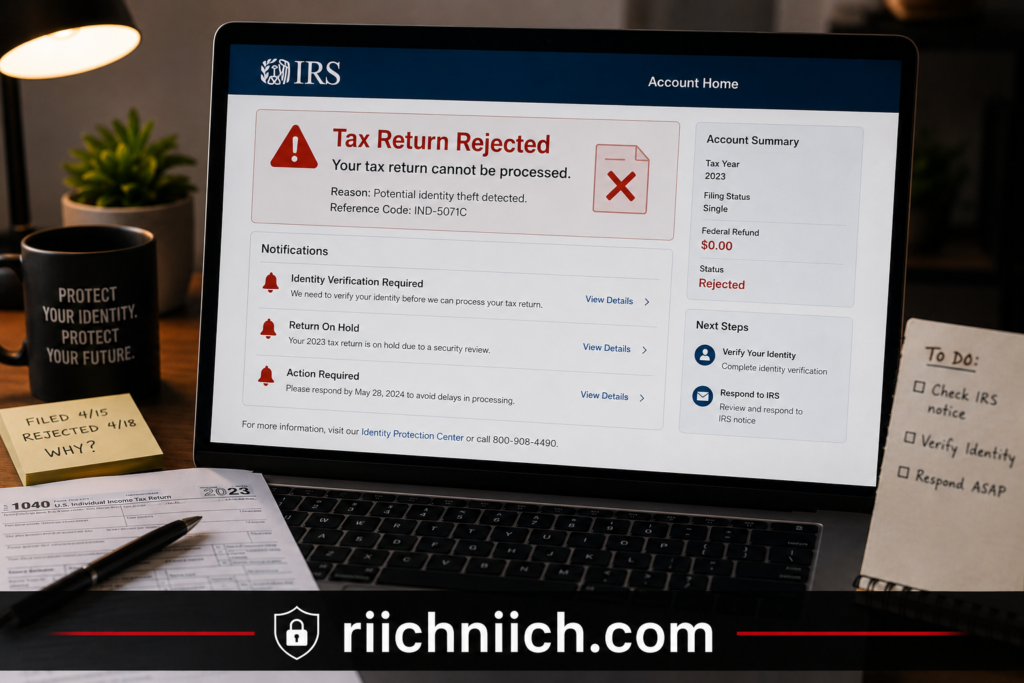
Tax identity theft can be especially dangerous because it often involves highly sensitive personal information, including Social Security numbers, addresses, birth dates, and financial records. Criminals commonly obtain this data through phishing scams, data breaches, stolen documents, malware infections, or exposed personal information online.
Once scammers file a fake tax return, recovering your identity and correcting IRS records can become a long and stressful process. This is why unusual tax notices should never be ignored.
If your tax return is rejected unexpectedly, contact the IRS immediately and review your financial accounts for other signs of identity theft. You should also monitor your credit reports and consider placing a fraud alert on your credit file to help reduce the risk of additional fraudulent activity.
Many identity theft protection services now include dark web monitoring and Social Security number alerts designed to help users detect tax fraud and identity misuse earlier.
The IRS provides guidance on tax-related identity theft here.
Debt Collectors Start Calling You
Receiving calls from debt collectors about accounts you do not recognize is another major warning sign when learning how to know if someone stole your identity. If collection agencies contact you about unpaid debts that are unfamiliar, it could mean criminals have opened fraudulent accounts using your personal information.
Many identity theft victims are shocked to discover debts tied to:
- Credit cards they never opened
- Personal loans they never applied for
- Medical bills from unknown providers
- Utility accounts created fraudulently
- Buy-now-pay-later services they never used
- Cell phone contracts opened in their name
These suspicious debts often appear after identity thieves use stolen information to make purchases or open financial accounts without the victim’s knowledge.
One of the biggest problems with identity theft-related debt is that victims may not realize fraudulent accounts exist until collection agencies become involved. By that point, missed payments and unpaid balances may already be damaging the victim’s credit score.
Debt collectors contacting you unexpectedly is often a sign that your Social Security number, address, phone number, or financial information has already been exposed through phishing scams, data breaches, stolen mail, or online data broker sites.
If you receive suspicious collection calls, request written verification of the debt immediately and review your credit reports for unauthorized accounts. You should also dispute fraudulent accounts with the credit bureaus and consider placing a fraud alert or credit freeze on your credit file.
Many identity monitoring and credit monitoring services can help detect fraudulent accounts earlier by sending alerts about new credit activity, collection notices, or unusual financial behavior connected to your identity.
Your Personal Information Appears on the Dark Web
One of the strongest warning signs when learning how to know if someone stole your identity is discovering that your personal information has appeared on the dark web. The dark web is a hidden part of the internet where cybercriminals often buy, sell, and trade stolen personal data from hacks, phishing attacks, malware infections, and large data breaches.
Information commonly found on dark web marketplaces includes:
- Email addresses
- Passwords
- Social Security numbers
- Credit card information
- Banking details
- Phone numbers
- Home addresses
- Login credentials
Once this information is exposed online, criminals may use it to commit identity theft, financial fraud, account takeovers, or phishing scams targeting additional personal information.
Many people do not realize their data has been leaked until they start receiving suspicious login notifications, fraud alerts, or unauthorized account activity. You can proactively investigate potential exposure by following our guide on How to Check If Your Information Is on the Dark Web. In some cases, criminals may hold stolen information for months before using it, making dark web exposure difficult to detect without monitoring tools.
Data breaches from major companies are one of the biggest reasons personal information ends up online. If your information was exposed in a breach, here’s exactly What Happens After a Data Breach and what steps you should take next. Even if you practice good cybersecurity habits, your information can still be exposed if a company storing your data suffers a breach.
If your information appears on the dark web, change your passwords immediately and enable multi-factor authentication on important accounts. You should also monitor your credit reports and financial accounts closely for suspicious activity connected to your identity.
Many identity theft protection services now include dark web monitoring that scans databases and alerts users when their personal information appears in leaked data collections online. These tools can help detect identity theft warning signs earlier before criminals fully misuse your information.
Suspicious Activity on Your Social Media or Email Accounts
Another warning sign when learning how to know if someone stole your identity is noticing unusual activity on your social media or email accounts. In many identity theft cases, hackers first target email addresses and social media profiles because they contain personal information connected to other online accounts.
Some common identity theft warning signs include:
- Password reset emails you did not request
- Messages or posts you never sent
- Login alerts from unfamiliar devices or locations
- Friends receiving spam messages from your account
- Security settings being changed unexpectedly
- Unknown devices connected to your accounts
- Locked accounts or failed login attempts
These suspicious activities may indicate that criminals already have access to your passwords or personal information. Once hackers gain access to an email account, they may try to reset passwords for banking apps, shopping accounts, or other services connected to your identity. Securing your inbox is critical. Learn more in our guide on How to Protect Your Email From Hackers.
Many cybercriminals obtain login credentials through phishing scams, malware, weak passwords, or data breaches where email addresses and passwords become exposed online. You may be surprised by how easily your email can be exposed. Learn more in How Hackers Get Your Email Address. This is why compromised email accounts are often one of the first signs of identity theft.
Social media accounts can also expose valuable personal details such as birthdays, phone numbers, family information, and locations. Criminals may use this information for impersonation scams, fraud attempts, or account recovery attacks.
If you notice unusual activity, change your passwords immediately and enable multi-factor authentication on all important accounts. You should also review connected devices, remove unknown logins, and monitor your financial accounts for additional signs of identity theft.
Many identity monitoring services now include dark web monitoring and account breach alerts that notify users when login credentials appear in leaked databases online. These tools can help detect compromised accounts earlier and reduce the risk of further fraud.
Warning Signs Someone Opened Accounts in Your Name
One of the clearest signs when learning how to know if someone stole your identity is discovering that new accounts have been opened in your name without your permission. Identity thieves frequently use stolen personal information to apply for credit cards, loans, utility services, or financing accounts while pretending to be the victim.
Many people do not realize fraudulent accounts exist until they begin receiving bills, loan approvals, debt collection notices, or credit monitoring alerts connected to unfamiliar companies.
Common warning signs of fraudulent accounts include:
- Credit cards you never applied for
- Loan approvals from unfamiliar lenders
- Utility accounts opened in your name
- New hard inquiries on your credit report
- Buy-now-pay-later accounts you do not recognize
- Verification emails for accounts you never created
- Unexpected mail from financial institutions
These identity theft symptoms often appear after criminals gain access to personal information such as your Social Security number, address, phone number, or date of birth.
Fraudulent accounts can seriously damage your credit score and financial reputation if they are not detected quickly. Identity thieves may max out credit cards, miss payments, or abandon unpaid accounts that eventually get sent to collections.
In many cases, criminals obtain personal information through phishing scams, public data leaks, dark web marketplaces, stolen mail, or data broker websites that expose sensitive details online.
If you suspect someone opened accounts in your name, review your credit reports immediately and dispute any unauthorized activity with the credit bureaus. You should also consider placing a fraud alert or credit freeze on your credit file to help prevent additional accounts from being opened fraudulently.
Many identity theft protection services now include real-time credit monitoring and new account alerts that notify users whenever suspicious activity appears connected to their identity. These tools can help detect fraud earlier and reduce long-term financial damage.
How to Check If Someone Stole Your Identity
If you are worried about fraud or suspicious activity, knowing how to know if someone stole your identity starts with checking your financial accounts, credit reports, online accounts, and personal information for unusual activity. The earlier you detect identity theft, the easier it is to limit financial damage and recover compromised accounts.
One of the first things you should do is review your credit reports from the major credit bureaus. Look carefully for:
- Accounts you do not recognize
- Hard inquiries you did not authorize
- Incorrect personal information
- Collection accounts
- Unexpected balances or loans
These are some of the most common identity theft warning signs connected to fraudulent activity.
You should also check your bank accounts and credit card statements for unauthorized charges, unusual withdrawals, or transactions from unfamiliar locations. Even small charges may indicate that criminals are testing stolen payment information before attempting larger fraud.
Another important step is reviewing your email accounts and online profiles for suspicious login activity. Look for password reset requests, unfamiliar devices, security alerts, or account changes you did not make.
Checking whether your personal information has appeared in known data breaches or dark web leaks can also help identify potential identity theft risks. Many people discover compromised passwords or exposed email addresses long before criminals fully misuse their information.
You should also monitor your mailbox for missing statements, unfamiliar bills, loan approvals, or collection notices. These can be signs that someone opened accounts in your name or redirected your mail.
Many identity theft protection services now combine:
- credit monitoring
- dark web monitoring
- fraud alerts
- account breach notifications
- Social Security number monitoring
These tools can help detect identity theft symptoms earlier and provide alerts before financial damage becomes severe.
What to Do Immediately If You Suspect Identity Theft
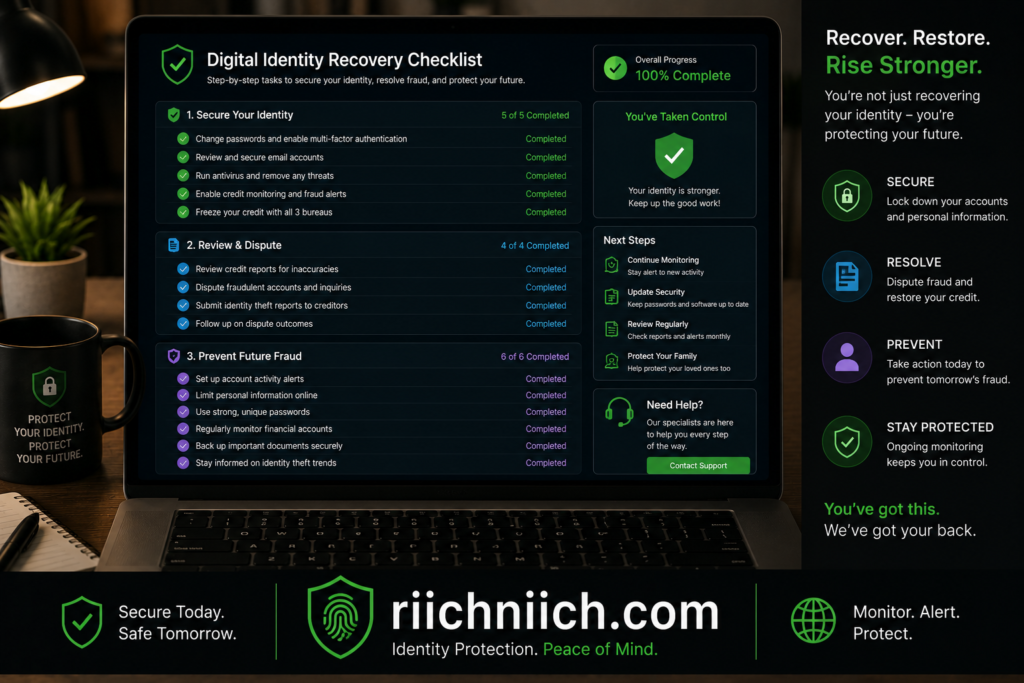
If you notice warning signs and believe your personal information may be compromised, taking fast action is critical when learning how to know if someone stole your identity. The sooner you respond to suspicious activity, the better your chances of limiting financial damage and preventing additional fraud. If you’ve already confirmed identity theft, follow our detailed recovery checklist in What To Do Immediately If Your Identity Is Stolen.
The first step is securing your most important accounts immediately. Change passwords for:
- email accounts
- banking apps
- credit card accounts
- shopping websites
- social media accounts
- password managers
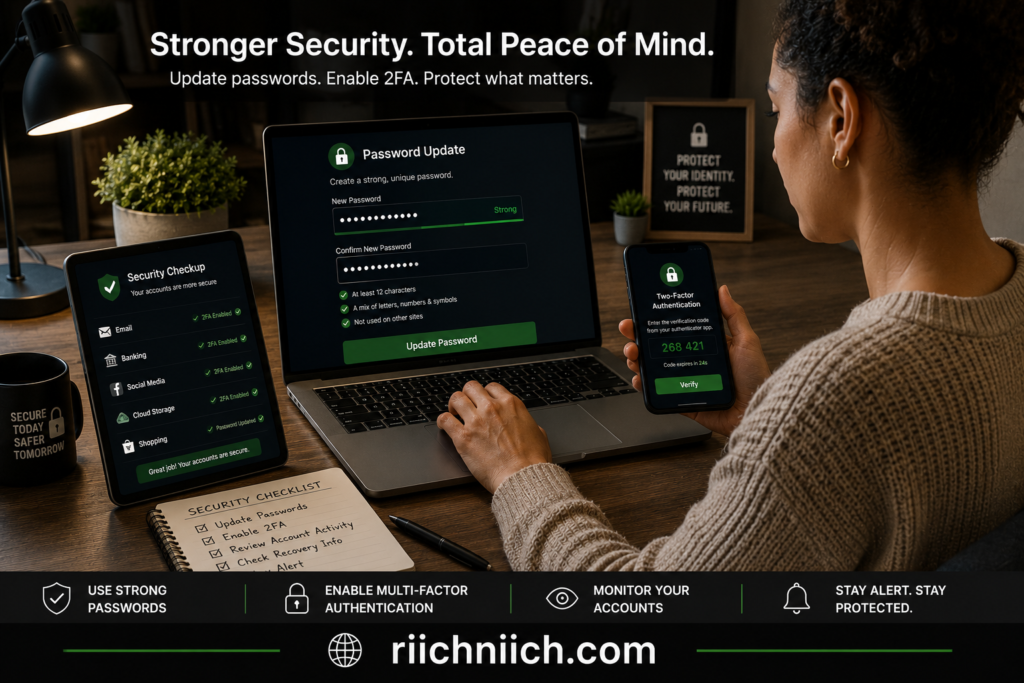
Use strong, unique passwords and enable multi-factor authentication wherever possible.
Next, contact your bank or credit card companies if you notice suspicious transactions or unauthorized account activity. Many financial institutions can temporarily freeze accounts, reverse fraudulent charges, and issue replacement cards.
You should also review your credit reports carefully for:
- unfamiliar accounts
- hard inquiries
- collection notices
- fraudulent loans
- incorrect personal information
If suspicious activity appears, consider placing a fraud alert or credit freeze with the major credit bureaus to help prevent criminals from opening additional accounts in your name.
Another important step is reporting identity theft to the Federal Trade Commission (FTC). Filing an identity theft report creates an official recovery plan and helps document fraudulent activity connected to your identity.
You should also continue monitoring:
- bank accounts
- credit cards
- email accounts
- Social Security activity
- dark web exposure
- credit reports
Many identity theft protection services now offer real-time fraud alerts, dark web monitoring, account breach notifications, and identity recovery assistance designed to help users respond faster after suspicious activity is detected.
Place a Fraud Alert on Your Credit Reports
One important step when responding to suspicious activity and learning how to know if someone stole your identity is placing a fraud alert on your credit reports. A fraud alert tells lenders and creditors to take extra steps to verify your identity before approving new credit applications in your name.
This added security layer can help reduce the risk of identity thieves opening new accounts, loans, or credit cards using your stolen personal information.
There are several situations where placing a fraud alert is a smart idea, including:
- suspicious credit inquiries
- unauthorized account openings
- identity theft warning signs
- data breach exposure
- stolen personal information
- fraudulent collection notices
When a fraud alert is active, businesses are encouraged to contact you directly to confirm your identity before issuing new credit.
Fraud alerts are especially useful because they are free and relatively easy to set up through the major credit bureaus. In many cases, contacting one bureau automatically notifies the other two.
There are different types of fraud alerts available:
- Initial fraud alerts
- Extended fraud alerts for confirmed identity theft victims
- Active duty alerts for military personnel
While fraud alerts can help slow down identity thieves, they do not completely block new accounts from being opened. Many people combine fraud alerts with credit freezes and identity monitoring services for stronger protection.
If you believe your personal information has been exposed online or used fraudulently, monitoring your credit reports regularly is essential. Many identity theft protection services now include real-time fraud notifications, credit monitoring, and dark web monitoring to help users detect suspicious activity faster.
Freeze Your Credit to Prevent More Damage
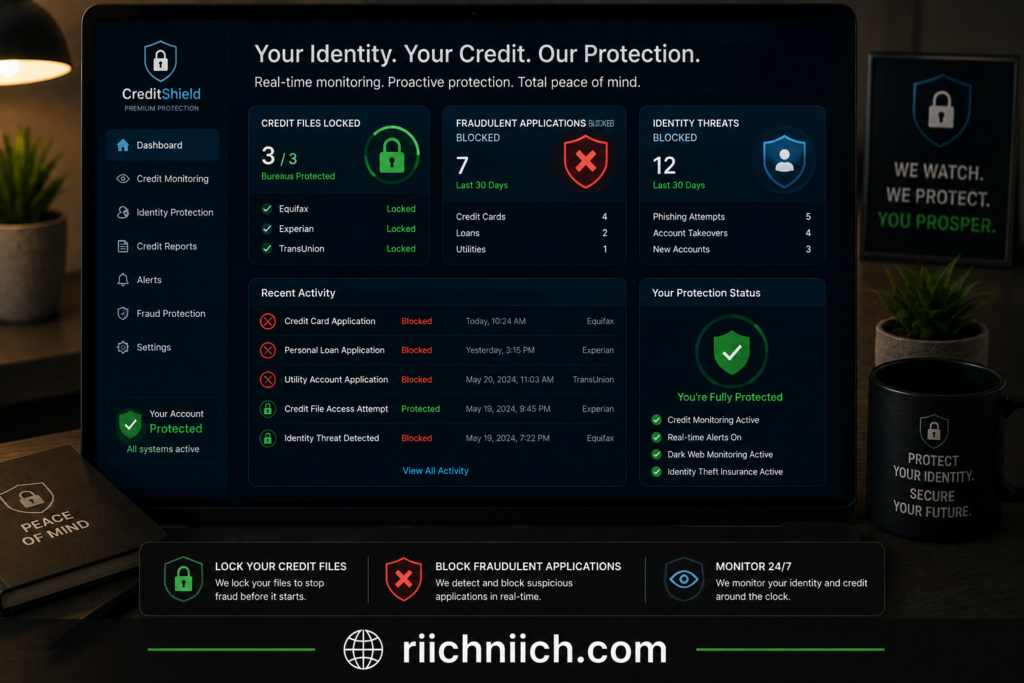
If you discover suspicious activity while learning how to know if someone stole your identity, placing a credit freeze can be one of the most effective ways to prevent additional fraud. A credit freeze restricts access to your credit report, making it much harder for identity thieves to open new accounts or loans in your name.
Unlike a fraud alert, which asks lenders to verify your identity, a credit freeze blocks most companies from accessing your credit file entirely unless you temporarily lift the freeze yourself. Not sure whether a freeze or lock is better? Read our comparison of Credit Freeze vs Credit Lock.
A credit freeze can help protect you from:
- fraudulent credit card applications
- unauthorized loans
- fake financing accounts
- identity theft-related hard inquiries
- new utility accounts opened fraudulently
This added layer of security is especially important if your Social Security number, banking information, or other sensitive personal data has been exposed in a data breach or dark web leak.
Many identity theft victims choose to freeze their credit immediately after noticing identity theft warning signs because it can stop criminals from creating additional financial damage.
One important thing to remember is that you must place freezes separately with each major credit bureau:
- Equifax
- Experian
- TransUnion
You can temporarily unfreeze your credit later if you need to apply for a loan, mortgage, apartment, or credit card.
While a credit freeze is one of the strongest protections against new account fraud, it does not prevent all forms of identity theft. Criminals may still attempt account takeovers, tax fraud, phishing attacks, or unauthorized transactions using existing accounts.
This is why many people combine:
- credit freezes
- fraud alerts
- credit monitoring
- dark web monitoring
- identity theft protection services
to create stronger overall protection against identity theft and financial fraud.
Change Your Passwords and Enable Multi-Factor Authentication
If you notice suspicious activity while learning how to know if someone stole your identity, one of the fastest ways to protect yourself is by changing your passwords immediately and enabling multi-factor authentication on your accounts. Compromised passwords are one of the most common reasons identity theft and account takeovers happen online.
Cybercriminals often steal passwords through:
- phishing emails
- fake login pages
- malware infections
- public WiFi attacks
- data breaches
- leaked dark web databases
Once hackers gain access to one account, they frequently attempt to reuse the same password across banking apps, shopping accounts, social media platforms, and email services.
Your email account should be one of the first accounts you secure because it is often connected to password resets for other services. If criminals control your email account, they may be able to access additional accounts tied to your identity.
When updating passwords:
- use long and unique passwords
- avoid reusing passwords across websites
- include a mix of letters, numbers, and symbols
- consider using a password manager
Multi-factor authentication adds an extra layer of protection by requiring a second verification step before someone can log in. Even if criminals steal your password, they may still be blocked without access to your authentication code or device.
Many identity theft victims discover suspicious activity only after hackers access their online accounts using stolen credentials from old data breaches. This is why regularly updating passwords and enabling account security features is one of the best ways to reduce identity theft risks.
Password managers and identity monitoring services can also help users detect compromised credentials, monitor dark web leaks, and receive alerts when passwords appear in breached databases online.
Monitor Your Bank Accounts and Credit Reports Closely
If you’re trying to determine how to know if someone stole your identity, regularly monitoring your bank accounts and credit reports is one of the most effective ways to catch fraud early. Even after taking steps to secure your accounts, identity thieves may continue trying to use stolen information for weeks or months.
Many identity theft victims discover suspicious activity only after noticing unusual transactions, unauthorized accounts, or changes to their credit reports. The sooner you identify these warning signs, the easier it is to limit financial damage and begin the recovery process.
When reviewing your bank accounts, watch for:
- Purchases you do not recognize
- Small “test” charges from unfamiliar companies
- Unexpected ATM withdrawals
- Transfers to unknown accounts
- Changes to account information
- New linked payment methods
Criminals often start with small transactions to see if stolen banking information is still active before attempting larger fraudulent purchases.
Credit reports are equally important because they can reveal identity theft activity that has not yet appeared in your bank account. Check for:
- New accounts you did not open
- Hard credit inquiries you did not authorize
- Incorrect addresses or personal information
- Collection accounts
- Unexpected loans or credit cards
- Sudden changes to your credit profile
These identity theft warning signs may indicate that someone is actively using your personal information to obtain credit or financial services.
Setting up account alerts can also help you detect fraud faster. Most banks and credit card companies allow customers to receive notifications for purchases, withdrawals, login attempts, password changes, and account updates. Real-time alerts can help you respond immediately if suspicious activity occurs.
For even stronger protection, many people use identity monitoring services that track credit reports, dark web exposure, Social Security number activity, and new account openings. These tools can provide early warnings before identity theft becomes a larger financial problem.
Report Identity Theft to the FTC
If you discover suspicious activity while learning how to know if someone stole your identity, one of the most important steps you can take is reporting the incident to the Federal Trade Commission (FTC). The FTC is the primary U.S. government agency that helps consumers recover from identity theft and provides official documentation that can support disputes with creditors, banks, and credit bureaus.
Many people focus only on securing their accounts, but reporting identity theft creates an official recovery record and helps guide you through the next steps of the recovery process.
When filing a report, be prepared to provide information about:
- Fraudulent accounts
- Unauthorized transactions
- Suspicious credit inquiries
- Stolen personal information
- Collection notices
- Tax fraud or employment fraud
- Account takeover incidents
The more details you can provide, the easier it will be to document and resolve the identity theft.
After submitting a report, the FTC generates a personalized recovery plan based on your situation. This plan can help you identify which accounts need to be secured, which creditors should be contacted, and what additional actions are necessary to protect your identity.
An FTC Identity Theft Report may also help when:
- Disputing fraudulent accounts
- Removing unauthorized charges
- Correcting credit report errors
- Working with debt collectors
- Proving identity theft to financial institutions
These steps can significantly reduce the long-term impact of identity theft and financial fraud.
Even after filing a report, continue monitoring your credit reports, bank accounts, and online accounts closely. Identity thieves may attempt additional fraud using previously stolen information, especially if your data has been exposed through data breaches or dark web marketplaces.
Many identity theft protection services also provide identity restoration support that can help victims navigate recovery, credit disputes, and fraud resolution more efficiently.
How Identity Monitoring Services Help Detect Identity Theft Early
One of the most effective ways to reduce the risk of identity theft is by using identity monitoring services. If you’re researching how to know if someone stole your identity, these tools can help detect suspicious activity before it turns into serious financial damage.
Many identity theft victims do not discover fraud until weeks or months after it occurs. If you’re debating whether these services are worth paying for, read Do You Really Need Identity Theft Protection? By that point, criminals may have opened accounts, damaged credit scores, accumulated debt, or accessed sensitive personal information. Identity monitoring services are designed to shorten that detection window by continuously scanning for signs of fraud.
These services typically monitor for:
- New credit inquiries
- New account openings
- Changes to credit reports
- Dark web exposure
- Social Security number misuse
- Address changes
- Data breach notifications
- Account takeover activity
When suspicious activity is detected, users often receive alerts so they can investigate and respond quickly. Identity Guard provides real-time identity monitoring and fraud alerts designed to help you spot suspicious activity before it turns into full-blown identity theft.
One of the biggest advantages of identity monitoring is early detection. The sooner you learn about suspicious activity, the easier it is to freeze accounts, dispute fraud, place credit freezes, and prevent additional damage.
Many modern identity protection services also include dark web monitoring. This feature scans known breach databases and criminal marketplaces for exposed personal information such as email addresses, passwords, phone numbers, Social Security numbers, and financial account details.
For individuals concerned about identity theft warning signs, dark web monitoring can provide an extra layer of visibility that would otherwise be difficult to obtain manually.
Some identity monitoring services also provide identity restoration assistance. If identity theft occurs, dedicated recovery specialists may help users file disputes, contact creditors, remove fraudulent accounts, and navigate the recovery process.
While identity monitoring cannot prevent every type of fraud, it can significantly improve your ability to detect identity theft symptoms early and respond before the situation becomes more serious.
This is why many people choose identity monitoring after experiencing:
- data breaches
- phishing attacks
- dark web exposure
- suspicious credit activity
- unauthorized account access
or simply as a proactive way to protect their personal information.
Best Tools to Protect Yourself From Identity Theft
If you’re serious about preventing fraud and learning how to know if someone stole your identity, using the right security tools can make a significant difference. While no tool can guarantee complete protection, combining multiple layers of security can help reduce your risk and improve your ability to detect suspicious activity early.
Identity thieves often target personal information through data breaches, phishing scams, malware infections, public records, and data broker websites. The following tools can help protect your information and alert you when something goes wrong.
Identity Theft Protection Services
Identity theft protection services are designed specifically to detect identity theft warning signs before they become major financial problems. Compare the top options in our guide to the Best Identity Theft Protection Services. Many services monitor:
- Credit reports
- Dark web activity
- Social Security number usage
- New account openings
- Fraud alerts
- Data breach exposure
These tools can help users identify suspicious activity quickly and often include identity restoration support if fraud occurs.
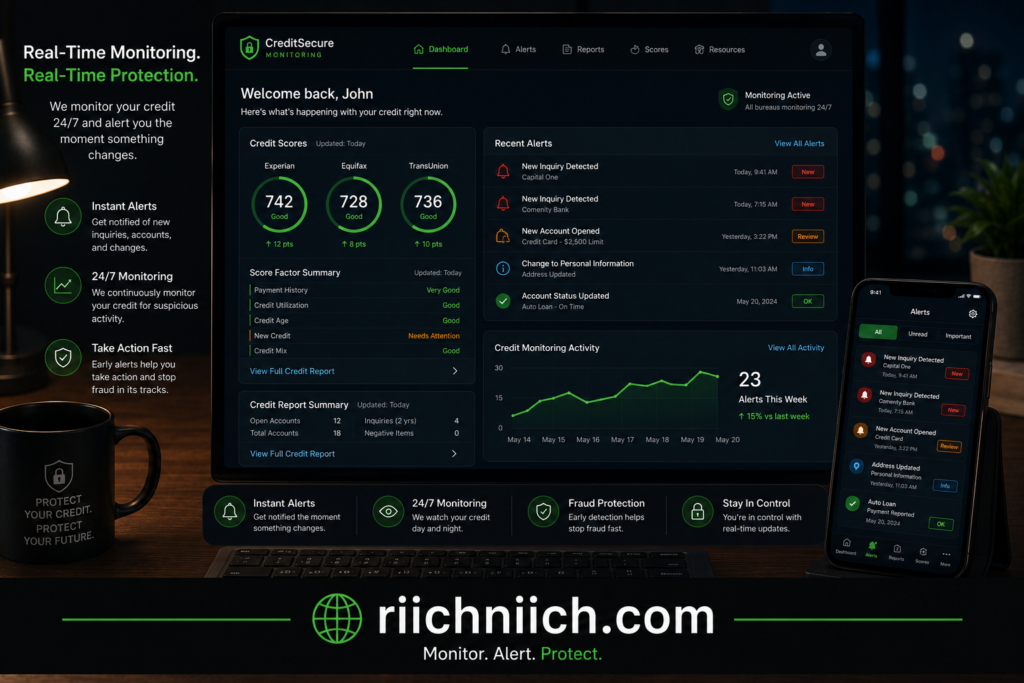
Credit Monitoring Services
Credit monitoring tools track changes to your credit reports and notify you when new accounts, inquiries, or other significant changes appear.
This can help you detect:
- unauthorized credit cards
- fraudulent loans
- suspicious inquiries
- identity theft-related account openings
Since many criminals attempt to use stolen identities to obtain credit, monitoring your credit profile is one of the most effective early-warning systems available.
Password Managers
Weak or reused passwords remain one of the biggest causes of account compromise. Password managers generate and store strong, unique passwords for every account, reducing the risk of hackers gaining access through credential theft.
Password managers can also alert users when stored passwords appear in known data breaches.
VPN Services
Virtual Private Networks (VPNs) help protect your internet traffic from interception, especially when using public WiFi networks. While VPNs do not directly prevent identity theft, they can help reduce the risk of hackers capturing sensitive information during online activities.
VPNs are particularly useful when:
- traveling
- working remotely
- using hotel WiFi
- connecting through public networks
Data Removal Services
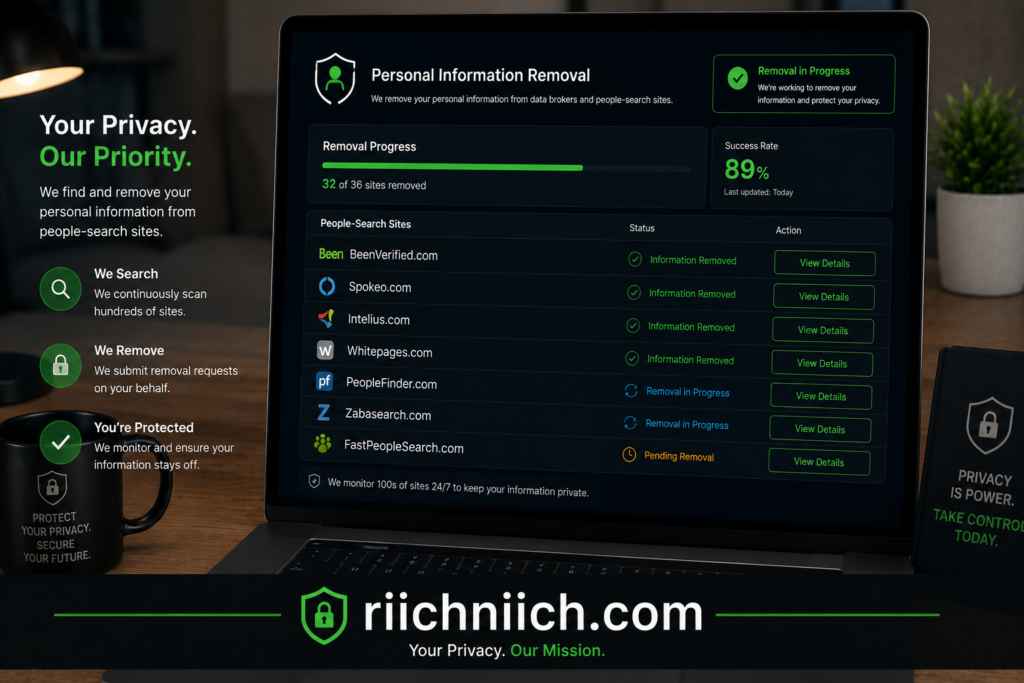
Data removal services help remove personal information from data broker websites and people-search databases. Reducing the amount of personal information available online can make it more difficult for criminals to gather the details needed for identity theft, phishing attacks, and impersonation scams.
For many people, reducing online exposure is an important part of a long-term identity protection strategy.
By combining identity monitoring, credit monitoring, password managers, VPN protection, and data removal services, you can create multiple layers of defense against identity theft and fraud.
How Data Brokers and Public Data Exposure Increase Identity Theft Risks
When researching how to know if someone stole your identity, many people focus on hackers and data breaches but overlook another major threat: data brokers and public data exposure. These sources can make it easier for criminals to gather personal information and use it for identity theft, phishing scams, and account takeovers.
Data brokers are companies that collect, buy, and sell personal information from a variety of sources, including:
- Public records
- Property records
- Marketing databases
- Online purchases
- Social media activity
- Surveys and loyalty programs
- Website tracking technologies
To understand how these companies collect and share your information, read What Is a Data Broker?
As a result, personal details such as your name, address, phone number, age, family members, and previous addresses may be available online without you realizing it.
The more information criminals can find about you, the easier it becomes for them to impersonate you, answer security questions, and build convincing phishing attacks. If you’re wondering where criminals find this information, see our complete guide on How Your Personal Data Ends Up Online. Identity thieves often combine publicly available information with data leaked in breaches to create a more complete profile of their targets.
For example, a criminal may obtain:
- Your email address from a data breach
- Your phone number from a data broker
- Your home address from public records
- Your date of birth from social media
Together, this information can be enough to attempt account recovery fraud, credit applications, or identity theft.
Public data exposure also increases the likelihood of targeted scams. Fraudsters can create highly personalized emails, phone calls, and messages that appear legitimate because they already know information about you.
Reducing your online exposure is one of the most effective ways to lower identity theft risks. Many people choose to remove their information from data broker websites and people-search databases to make it harder for criminals to collect personal details.
Data removal services can help automate this process by submitting removal requests to hundreds of data broker sites on your behalf. Combined with identity monitoring and credit monitoring, data removal can become an important part of a comprehensive identity protection strategy.
Simple Ways to Reduce Your Personal Information Online
One of the smartest long-term strategies for preventing identity theft is reducing the amount of personal information available online. If you’re learning how to know if someone stole your identity, it’s equally important to understand how to make yourself a harder target in the first place.
The less information criminals can find about you, the more difficult it becomes for them to impersonate you, answer security questions, open accounts, or launch convincing phishing attacks.
A good starting point is reviewing your social media accounts. Many people unknowingly share personal details such as:
- Birthdays
- Phone numbers
- Home towns
- Family relationships
- Employment information
- Vacation plans
- Location check-ins
While these details may seem harmless, identity thieves can use them to build a profile that helps them bypass security measures.
Another effective step is searching for yourself online. Look for your name, address, phone number, and email address to see what information appears publicly. You may be surprised by how much personal data is available through people-search websites and data broker platforms.
If you find sensitive information online, consider submitting removal requests to those websites. For a step-by-step process, see our guide on How to Remove Your Personal Information From the Internet. Many data broker sites allow users to opt out, although the process can be time-consuming.
You can also reduce your digital footprint by:
- Using privacy-focused browser settings
- Limiting information shared on public profiles
- Opting out of marketing databases
- Avoiding unnecessary online account registrations
- Deleting unused accounts
- Using separate email addresses for different purposes
Many people choose data removal services to automate the process of removing personal information from hundreds of data broker sites. These services can save significant time while reducing online exposure.
Reducing public information won’t completely eliminate identity theft risks, but it can make it much harder for criminals to gather the personal details needed for fraud, account takeovers, and impersonation scams.
How to Protect Yourself From Future Identity Theft
Once you’ve learned how to know if someone stole your identity, the next step is making sure it doesn’t happen again. While no security strategy can eliminate every risk, following a few proactive habits can significantly reduce your chances of becoming a victim of identity theft in the future.
One of the most important things you can do is regularly monitor your financial accounts and credit reports. Early detection remains one of the best defenses against fraud because it allows you to act before significant damage occurs.
You should also make it a habit to:
- Review bank and credit card statements frequently
- Check your credit reports several times per year
- Enable account activity alerts
- Monitor for suspicious emails and messages
- Watch for signs of data breaches involving your accounts
These simple steps can help you identify identity theft warning signs before criminals have time to exploit your information.
Strong account security is equally important. Use unique passwords for every account and enable multi-factor authentication whenever possible. If one account is compromised, strong password practices can help prevent hackers from accessing additional accounts tied to your identity.
Reducing your online exposure can also lower your risk. Removing personal information from data broker websites, limiting what you share on social media, and deleting unused accounts can make it harder for criminals to gather information about you.
For additional protection, many people use a combination of:
- Identity monitoring services
- Credit monitoring
- Dark web monitoring
- Password managers
- VPN services
- Data removal services
These tools work together to provide multiple layers of protection and can help detect suspicious activity much earlier than manual monitoring alone.
The reality is that identity theft often begins long before victims notice the warning signs. Taking preventive action now can save you significant time, money, and stress later. For additional prevention strategies, read our complete guide on How to Protect Yourself From Identity Theft.
Conclusion: How to Know If Someone Stole Your Identity
Knowing how to know if someone stole your identity can help you stop fraud before it causes serious financial and personal damage. While identity theft often begins quietly, there are usually warning signs that something is wrong if you know what to look for.
Some of the most common signs of identity theft include:
- Unexpected charges on your bank or credit card accounts
- Strange login alerts and security notifications
- Bills or collection notices for accounts you never opened
- A sudden drop in your credit score
- Missing mail or tax return problems
- Suspicious activity on your email or social media accounts
- New credit inquiries or accounts opened in your name
- Dark web alerts involving your personal information
The earlier you identify these identity theft warning signs, the easier it is to limit the damage and recover your accounts.
If you suspect identity theft, act immediately by:
- Changing your passwords
- Enabling multi-factor authentication
- Monitoring your bank accounts
- Reviewing your credit reports
- Placing fraud alerts or credit freezes
- Reporting identity theft to the FTC
- Removing exposed personal information online
Taking these steps quickly can prevent criminals from opening additional accounts, damaging your credit, or using your identity for further fraud.
For many people, identity monitoring services provide an additional layer of protection by offering real-time alerts for suspicious activity, dark web exposure, new account openings, and credit changes. These tools can help detect identity theft symptoms much earlier than manual monitoring alone.
If your personal information has already been exposed through data breaches, data broker websites, phishing attacks, or suspicious account activity, using an identity protection service can be one of the most effective ways to stay ahead of potential fraud.
The reality is that identity theft is becoming more common every year. If your personal information is already circulating online, removing it from data broker databases can reduce your future risk. Incogni helps automatically remove your information from hundreds of data broker sites and is one of the simplest ways to improve your privacy. The best defense is a combination of awareness, proactive monitoring, strong account security, and ongoing protection of your personal information.

Pingback: How To Freeze Your Credit After Identity Theft (Step-By-Step Guide) - Riich Niich
Pingback: How To Check Your Credit Report For Signs Of Identity Theft - Riich Niich
Pingback: How To Tell If Someone Opened An Account In Your Name - Riich Niich
Pingback: Identity Theft Recovery Checklist (Step-by-Step Guide) - Riich Niich
Pingback: How Long Does It Take To Recover From Identity Theft? - Riich Niich