

Credit freeze vs credit lock—which one actually protects you better? With identity theft and data breaches increasing every year, more people are looking for ways to secure their credit, but the difference between these two options can be confusing. To understand why protecting your credit matters, it’s important to know how identity theft happens.
Both tools are designed to protect your financial identity, yet they work in very different ways. In this guide, you’ll get a clear, simple breakdown of credit freeze vs credit lock, so you can confidently choose the option that best protects your credit and personal information.
🔥 Quick Answer: Credit Freeze vs Credit Lock
Both a credit freeze and a credit lock can protect you from identity theft by blocking access to your credit report.
However, for most people, a credit freeze is the better choice because it’s free, legally protected, and just as effective.
A credit lock may be more convenient, but it usually comes with a monthly cost.
Table of Contents
What Is a Credit Freeze?
A credit freeze (also called a security freeze) is a free tool that restricts access to your credit report, preventing lenders from viewing your file without your permission. This makes it extremely difficult for identity thieves to open new accounts in your name—even if they have your personal information.
When comparing credit freeze vs credit lock, a credit freeze is widely considered the strongest form of protection because it is regulated by law and cannot be bypassed without your authorization.
How a Credit Freeze Works
When you place a credit freeze, your credit file is locked at each of the three major credit bureaus:
- Equifax
- Experian
- TransUnion
Lenders and creditors cannot access your credit report unless you temporarily lift (or “thaw”) the freeze. Since most lenders require access before approving new credit, this effectively blocks fraudulent applications.
Key Benefits of a Credit Freeze
- Free to use (mandated by U.S. law)
- Strong protection against new account fraud
- No impact on your credit score
- Can be lifted temporarily when needed
Limitations to Be Aware Of
While a credit freeze is powerful, it does come with a few drawbacks:
- You must freeze/unfreeze each bureau separately
- It may take extra time when applying for loans or credit cards
- It does not protect against all types of identity theft (such as existing account fraud)
This is where the comparison of credit freeze vs credit lock becomes important—some users prefer the convenience of instant access provided by paid services.
How to Set Up a Credit Freeze
You can set up a credit freeze online in minutes by visiting each bureau:
- Equifax → https://www.equifax.com
- Experian → https://www.experian.com
- TransUnion → https://www.transunion.com
You’ll create an account and receive a PIN or login credentials to manage your freeze.
For a step-by-step government guide, visit:
- Federal Trade Commission (FTC) → https://consumer.ftc.gov/articles/what-know-about-credit-freezes-fraud-alerts
When a Credit Freeze Makes the Most Sense
A credit freeze is ideal if you:
- Want maximum security at no cost
- Are not planning to apply for credit soon
- Have experienced (or suspect) identity theft
- Prefer legal protection over convenience
In the credit freeze vs credit lock decision, a freeze is best for users who prioritize security over speed.
Bottom Line
A credit freeze is one of the most effective ways to protect yourself from identity theft. While it may require a bit more effort to manage, it offers strong, legally backed protection that makes it a top choice for security-conscious individuals.
What Is a Credit Lock?
A credit lock is a feature offered by identity theft protection services that lets you quickly lock and unlock your credit report using a mobile app or online dashboard. Unlike a credit freeze, which is free and regulated by law, a credit lock is typically included in paid subscription plans and is designed for speed and convenience.
When comparing credit freeze vs credit lock, a credit lock is best for users who want instant control over their credit without dealing with multiple bureaus manually.
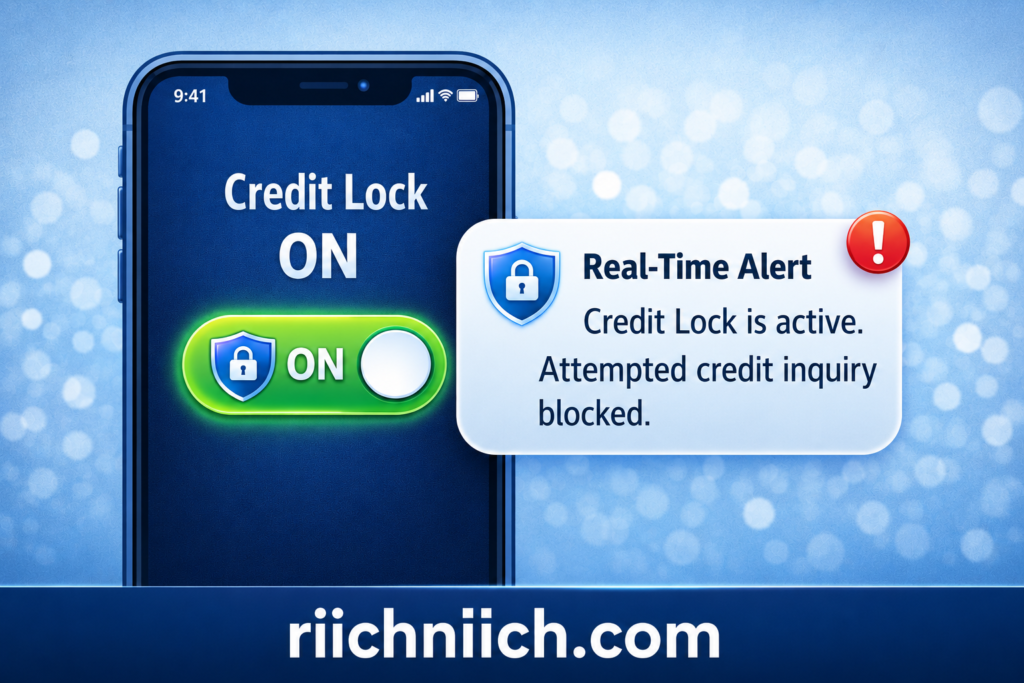
How a Credit Lock Works
A credit lock restricts access to your credit file through a service provider, allowing you to lock or unlock your credit instantly—often with just one tap.
These services are commonly offered by companies like:
- Aura
- LifeLock
- Experian
Instead of contacting each credit bureau separately, the service manages access for you through its platform.
Key Benefits of a Credit Lock
- Instant lock/unlock via app or dashboard
- Convenient for frequent credit use
- Often bundled with:
- Credit monitoring
- Dark web monitoring
- Identity theft insurance
Limitations to Consider
While convenient, credit locks have some trade-offs:
- Requires a monthly or yearly subscription
- Not governed by the same legal protections as credit freezes
- Coverage may depend on the provider (not always all three bureaus)
This is a critical distinction in the credit freeze vs credit lock comparison—locks prioritize usability, while freezes prioritize legal security.
How to Get a Credit Lock
To use a credit lock, you typically need to sign up for a paid identity protection service. Examples include:
- Aura
- LifeLock
- Experian
For a general overview of how credit locks work, see Consumer Financial Protection Bureau.
When a Credit Lock Makes the Most Sense
A credit lock is ideal if you:
- Frequently apply for loans or credit cards
- Want fast, app-based control
- Prefer an all-in-one security solution
- Are already using identity protection services
In the credit freeze vs credit lock decision, a credit lock is best for users who value convenience and real-time access.
Bottom Line
A credit lock offers a modern, user-friendly way to manage your credit security. While it comes at a cost, the added convenience and bundled features make it a strong option for those who want quick control and ongoing monitoring without the manual steps required by a credit freeze.
Key Difference Between Credit Freeze and Credit Lock
The main difference comes down to cost and convenience.
A credit freeze is free and protected by federal law, while a credit lock is typically part of a paid service with added features.
Both provide similar protection — but one costs money and the other doesn’t.
Side-by-Side Comparison
Here’s a clear breakdown of how credit freeze vs credit lock compares:
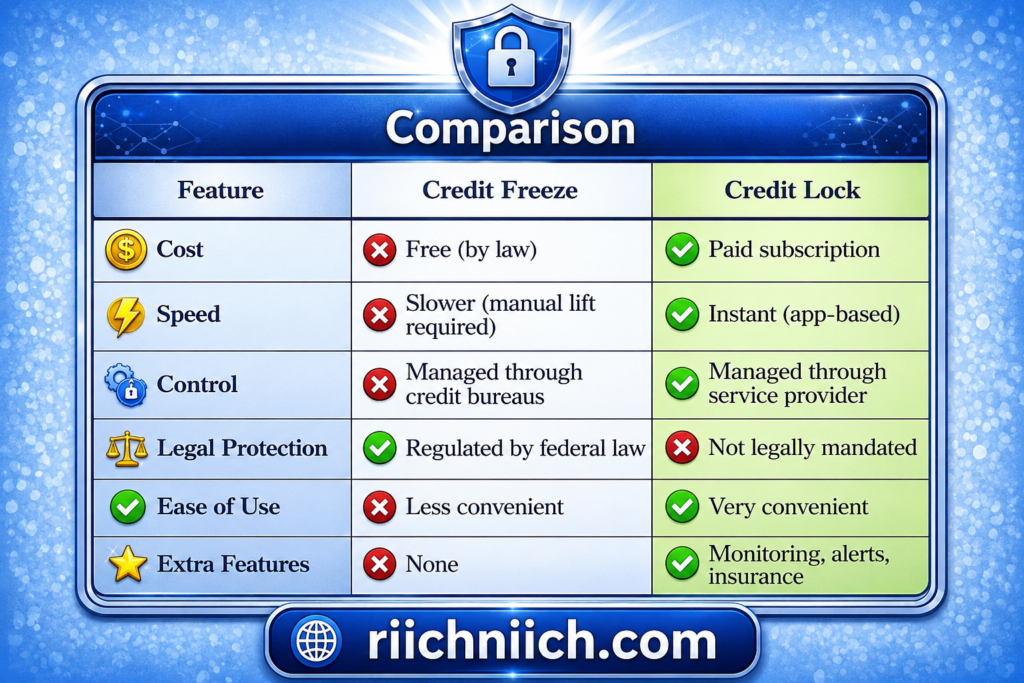
For most people, a credit freeze provides the best protection without paying monthly fees.
Cost Differences
One of the biggest distinctions in credit freeze vs credit lock is cost.
- A credit freeze is completely free under U.S. law
- A credit lock requires a paid plan, often bundled with identity protection services
If your goal is maximum protection at no cost, a freeze is the better option.
If you’re willing to pay for convenience and extra features, a lock may be worth it.
For more details on consumer rights, visit Federal Trade Commission.
Speed and Accessibility
Speed is where credit locks stand out.
- A credit freeze requires you to log in to each bureau and manually lift restrictions
- A credit lock can usually be toggled on/off instantly through an app
This makes a big difference if you:
- Apply for credit frequently
- Need fast approvals
- Don’t want delays in financial decisions
Security and Legal Protection
From a security standpoint, both options are effective—but not equal.
- A credit freeze is backed by federal law, making it the most secure option
- A credit lock is controlled by a private company, meaning protections depend on the provider
In the credit freeze vs credit lock debate, a freeze is generally considered the stronger, more legally protected option.
Convenience and User Experience
Convenience is where credit locks shine.
With a credit lock, you typically get:
- Mobile app control
- Real-time alerts
- Integrated monitoring tools
Popular providers include:
- Aura
- LifeLock
These platforms combine credit locking with broader identity protection features, making them appealing for users who want an all-in-one solution.
Which Difference Matters Most?
When deciding between credit freeze vs credit lock, ask yourself:
- Do I want free, maximum protection? → Choose a freeze
- Do I want fast, app-based control with extra features? → Choose a lock
Your choice ultimately depends on whether you prioritize security or convenience.
Bottom Line
The key differences between credit freeze vs credit lock come down to:
- Cost vs convenience
- Legal protection vs app-based control
- Manual management vs instant access
Both options can protect you from identity theft—but the best choice is the one that fits your lifestyle and how often you use credit.
Pros and Cons of a Credit Freeze
When evaluating credit freeze vs credit lock, understanding the advantages and limitations of a credit freeze is essential. A credit freeze is often considered the most secure option, but it does require a bit more effort to manage.
Below is a clear breakdown to help you decide if a credit freeze fits your needs.

Pros of a Credit Freeze
1. Strongest Protection Against New Account Fraud
A credit freeze blocks lenders from accessing your credit report, making it extremely difficult for identity thieves to open new accounts in your name.
In the credit freeze vs credit lock comparison, this is why a freeze is often considered the most secure option available.
2. Completely Free
By law, credit freezes are free in the United States. You can freeze and unfreeze your credit at no cost with all three major bureaus.
This makes it the best value option for long-term protection.
3. No Impact on Your Credit Score
A credit freeze does not affect your credit score in any way. You can still:
- Check your credit
- Use existing credit accounts
- Build credit over time
4. Legally Backed Security
Credit freezes are regulated by federal law, meaning lenders are required to respect them.
In the credit freeze vs credit lock debate, this legal protection gives freezes an edge in terms of reliability and trust.
Cons of a Credit Freeze
1. Less Convenient to Manage
You must manage your freeze separately with each credit bureau:
- Equifax
- Experian
- TransUnion
This can be time-consuming, especially if you need to lift the freeze quickly.
2. Slower When Applying for Credit
If you need to apply for a loan or credit card, you must temporarily lift the freeze first.
This can:
- Delay approvals
- Add extra steps
- Be inconvenient in urgent situations
3. Does Not Protect Against All Identity Theft
A credit freeze only stops new account fraud. It does not protect against:
- Unauthorized transactions on existing accounts
- Phishing scams
- Data breaches
This is where the credit freeze vs credit lock comparison becomes important, as many credit lock services include monitoring and alerts.
4. Requires Ongoing Manual Management
If you frequently apply for credit, managing a freeze can become repetitive and frustrating.
You’ll need to:
- Log into multiple accounts
- Enter PINs or passwords
- Schedule temporary lifts
Should You Choose a Credit Freeze?
A credit freeze is ideal if you:
- Want maximum security at no cost
- Don’t apply for credit often
- Prefer legal protection over convenience
- Are recovering from identity theft
In the credit freeze vs credit lock decision, a freeze is best for users who prioritize strong, no-cost protection, even if it requires more effort to manage.
Bottom Line
The pros and cons of a credit freeze come down to a simple trade-off:
Highest level of security and free protection
vs
Less convenience and slower access when needed
If your main goal is to prevent identity theft with the strongest safeguards available, a credit freeze is one of the smartest choices you can make.
Pros and Cons of a Credit Lock
When comparing credit freeze vs credit lock, a credit lock stands out for its speed, convenience, and bundled protection features. However, it comes at a cost and may not offer the same legal protections as a credit freeze.
Below is a clear breakdown to help you decide if a credit lock is the right choice for your situation.

Pros of a Credit Lock
1. Instant Lock and Unlock
A credit lock allows you to control access to your credit report in real time, usually through a mobile app or dashboard.
- No waiting periods
- No contacting multiple bureaus
- Immediate control when applying for credit
In the credit freeze vs credit lock comparison, this is the biggest advantage of a credit lock.
2. Easy App-Based Control
Most credit lock services offer a simple interface where you can:
- Toggle your credit lock on/off
- Receive alerts
- Monitor activity
This makes it ideal for users who want a frictionless experience.
3. Bundled Identity Protection Features
Unlike a basic credit freeze, a credit lock is often included with full identity protection services.
These may include:
- Credit monitoring
- Dark web monitoring
- Fraud alerts
- Identity theft insurance
Popular providers include:
- Aura
- LifeLock
These added features make credit locks appealing for users who want all-in-one protection.
4. Real-Time Alerts and Notifications
Many services notify you instantly if suspicious activity is detected.
This allows you to act quickly and minimize potential damage.
Cons of a Credit Lock
1. Requires a Paid Subscription
A credit lock is typically part of a monthly or yearly plan.
- Costs vary depending on the provider
- Can become expensive over time
In the credit freeze vs credit lock comparison, this is the biggest downside, especially since credit freezes are free.
2. Not Legally Mandated
Unlike credit freezes, credit locks are not governed by federal law.
This means:
- Protections may vary by provider
- Terms and coverage depend on the company
3. May Not Cover All Three Credit Bureaus
Some credit lock services only manage one or two credit bureaus unless you choose a higher-tier plan.
This can leave gaps in your protection if not fully covered.
4. Relies on a Third-Party Service
With a credit lock, you are trusting a private company to manage your credit access.
While reputable companies offer strong security, this adds a layer of dependency compared to a credit freeze.
You can also compare top protection features in our detailed guide on Aura vs Identity Guard.

Should You Choose a Credit Lock?
A credit lock is ideal if you:
- Want instant, hassle-free control
- Frequently apply for credit
- Prefer convenience over manual processes
- Want additional features like monitoring and alerts
In the credit freeze vs credit lock decision, a credit lock is best for users who value speed, usability, and bundled protection tools.
Bottom Line
The pros and cons of a credit lock come down to:
Convenience, speed, and extra features
vs
Ongoing cost and less legal protection
If you’re looking for a modern, all-in-one identity protection experience, a credit lock can be a powerful solution—especially when paired with a trusted service.
Credit Freeze vs Credit Lock: Which Is Safer?
When it comes to credit freeze vs credit lock, the most important question is simple: which one actually protects you better from identity theft?
The answer depends on what you mean by “safer”—but from a pure security standpoint, a credit freeze is generally the safer option, while a credit lock offers more convenience and additional features.
Why a Credit Freeze Is Considered Safer
A credit freeze provides maximum protection against new account fraud because it is:
- Legally enforced under U.S. federal law
- Required to be honored by all lenders
- Completely under your direct control
Once your credit is frozen, no one—including you—can open new credit accounts unless the freeze is lifted.
In the credit freeze vs credit lock comparison, this legal backing makes a freeze the most secure and reliable option available.
Where a Credit Lock Competes
A credit lock is still very effective at preventing unauthorized access, but it operates differently:
- Managed by a private company
- Protection depends on the provider’s system
- Not governed by the same legal requirements as freezes
However, credit locks often include additional layers of protection, such as:
- Real-time fraud alerts
- Credit monitoring
- Identity theft insurance
These features can help you detect and respond to threats faster, even if they don’t replace the legal strength of a freeze.
Security vs Convenience
The real difference in credit freeze vs credit lock comes down to this:
- Credit Freeze = Maximum Security
- Credit Lock = Convenience + Monitoring
A freeze creates a stronger barrier, but a lock gives you:
- Faster control
- Easier management
- Broader protection tools
Which One Should You Choose?
Choose a credit freeze if you want:
- The strongest protection available
- A free, legally backed solution
- Minimal risk of unauthorized credit activity
Choose a credit lock if you want:
- Instant access and control
- Built-in monitoring and alerts
- A more user-friendly experience
👉 Credit protection tools work best when combined with solutions like NordVPN for privacy and NordPass for password security.
Final Verdict
In the credit freeze vs credit lock debate, the safest option is clear:
Credit Freeze = Highest level of security
Credit Lock = Best for convenience and ongoing monitoring
If your top priority is preventing identity theft at all costs, a credit freeze is the better choice.
If you want ease of use and additional protection features, a credit lock can still be a strong and practical option.
However, many identity theft cases start before your credit is even used — often through unsecured internet connections, public Wi-Fi, or tracking scripts that collect your personal data.
When Should You Use a Credit Freeze vs Credit Lock?
Use a credit freeze if you:
✔ Want strong protection for free
✔ Don’t apply for credit often
✔ Prefer a legally backed security option
Use a credit lock if you:
✔ Want quick on/off access through an app
✔ Apply for credit frequently
✔ Don’t mind paying for convenience
For most people, a credit freeze is enough.
If you’re already dealing with fraud, follow this step-by-step guide on what to do immediately if your identity is stolen.
Below are the most important situations where a credit freeze makes the most sense.
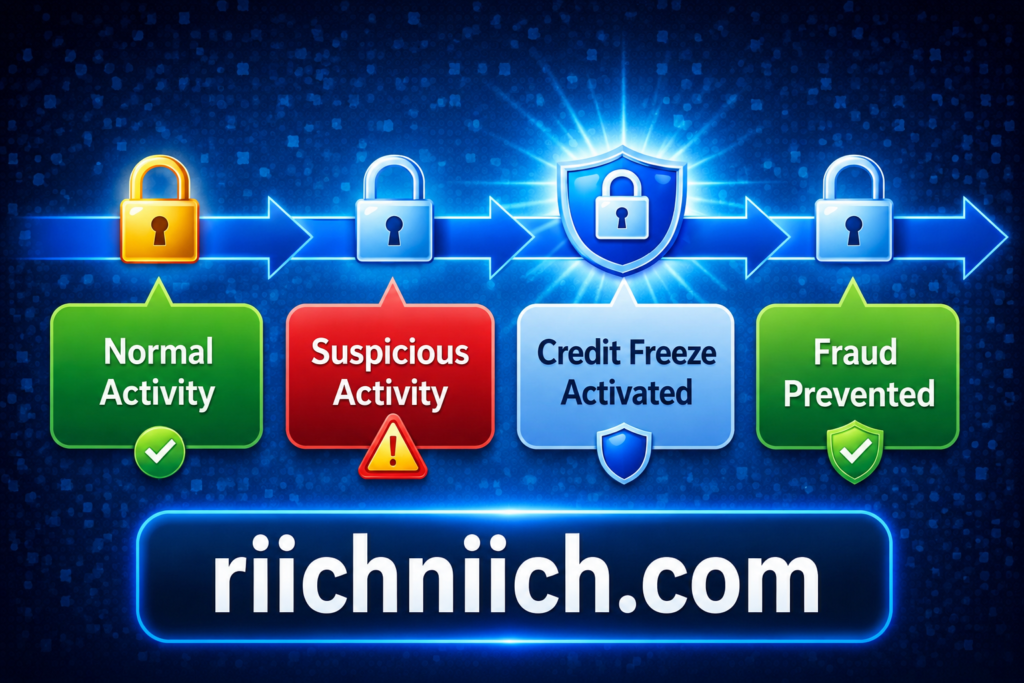
After Identity Theft or Suspicious Activity
If you believe your personal information has been compromised—or worse, already used fraudulently—a credit freeze should be one of your first actions.
It immediately blocks new credit applications, preventing further damage.
Common warning signs include:
- Unauthorized accounts
- Unknown credit inquiries
- Alerts from monitoring services
When You’re Not Applying for Credit Anytime Soon
If you don’t plan to apply for:
- Credit cards
- Loans
- Mortgages
…then keeping your credit frozen is a smart long-term strategy.
In the credit freeze vs credit lock comparison, a freeze works best when you don’t need frequent access to your credit file.
🧾 After a Data Breach
If your information was exposed in a data breach (which is increasingly common), a credit freeze can prevent criminals from using that data to open accounts.
Even if nothing has happened yet, freezing your credit is a proactive move.
To Protect Children or Family Members
A lesser-known use of credit freezes is protecting dependents.
You can place a freeze on a child’s credit file to prevent identity thieves from:
- Opening accounts in their name
- Using their Social Security number
This is especially important since child identity theft often goes undetected for years.
If You Want Maximum Security at No Cost
A credit freeze is ideal for anyone who:
- Wants strong protection without paying monthly fees
- Prefers legal safeguards over convenience
- Doesn’t need constant credit access
In the credit freeze vs credit lock decision, this is where a freeze clearly stands out.
When You’re Recovering From Identity Theft
If you’re already dealing with identity theft, keeping your credit frozen during recovery can:
- Prevent additional fraudulent accounts
- Give you time to resolve existing issues
- Reduce financial damage
This makes a credit freeze a critical recovery tool, not just a preventive one.
Bottom Line
You should use a credit freeze when your goal is:
Maximum protection with minimal cost
Preventing new credit fraud entirely
Securing your identity during high-risk situations
In the credit freeze vs credit lock comparison, a credit freeze is the best choice when security matters more than convenience.
When a Credit Lock Makes More Sense
While a credit freeze offers maximum security, there are situations where a credit lock is the better choice—especially if you value speed, flexibility, and ongoing monitoring. In the credit freeze vs credit lock decision, a credit lock makes more sense when convenience and real-time control are priorities.

When You Frequently Apply for Credit
If you regularly apply for:
- Credit cards
- Auto loans
- Personal loans
- Mortgages
A credit lock allows you to unlock your credit instantly, avoiding delays.
With a credit freeze, you would need to manually lift the freeze with each bureau, which can slow down the process. In the credit freeze vs credit lock comparison, a lock is far more efficient for frequent credit users.
When You Want Instant, App-Based Control
A credit lock is ideal if you prefer managing everything through a mobile app or dashboard.
You can:
- Lock/unlock your credit in seconds
- Receive alerts in real time
- Monitor your credit activity in one place
Many services offering credit locks are designed for ease of use, making them perfect for users who want a seamless experience.
When You Want Ongoing Monitoring and Alerts
Unlike a credit freeze, a credit lock is typically part of a broader identity protection service that includes:
- Credit monitoring
- Dark web monitoring
- Fraud alerts
- Identity theft insurance
Providers like Aura and LifeLock bundle these features together, giving you continuous protection, not just a locked credit file. If you’re considering a credit lock service, you can read our full breakdown on Is Aura Worth It?.
When You Need Speed and Flexibility
If you need quick financial decisions—such as:
- Same-day loan approvals
- Emergency credit access
- Time-sensitive applications
A credit lock allows you to act immediately without the extra steps required by a credit freeze.
In the credit freeze vs credit lock comparison, this flexibility is a major advantage.
When You Prefer an All-in-One Security Solution
A credit lock makes sense if you want more than just credit restriction. Many services combine:
- Credit locking
- Identity monitoring
- Fraud resolution support
This creates a comprehensive protection system, which is especially valuable if you want ongoing peace of mind.
When You’re Willing to Pay for Convenience
A credit lock requires a subscription, but for many users, the trade-off is worth it.
Choose a credit lock if you:
- Don’t want to manage multiple credit bureau accounts
- Value time and simplicity
- Prefer automation over manual processes
In the credit freeze vs credit lock decision, this is where a lock becomes the better option.
Bottom Line: Why Credit Freezes and Locks Aren’t Enough on Their Own
While both options help prevent new accounts from being opened in your name, they don’t protect everything.
They do NOT:
❌ Monitor bank accounts
❌ Detect phishing or scams
❌ Alert you to suspicious activity in real time
❌ Help recover your identity after fraud
This means they are only one part of a complete protection strategy.
Many people combine a credit freeze with identity theft protection tools to monitor their accounts and detect threats earlier.
See how identity protection works here.
Services like Aura provide real-time monitoring, alerts, and recovery support beyond what freezes or locks can do.
👉 Check Aura pricing and protection details here.
Credit Freeze vs Credit Lock: Cost Comparison
When comparing credit freeze vs credit lock, cost is one of the biggest deciding factors—and for many users, it’s the reason they choose one over the other.
The difference is simple:
Credit freeze = completely free
Credit lock = ongoing paid service
But the full picture goes deeper than just price.
Cost of a Credit Freeze
A credit freeze is 100% free by law in the United States. You can:
- Freeze your credit
- Unfreeze your credit
- Manage it anytime
…all without paying anything.
This is guaranteed under federal law, meaning credit bureaus are required to offer it at no cost.
In the credit freeze vs credit lock comparison, this makes a freeze the most cost-effective option available.
Cost of a Credit Lock
A credit lock is typically part of a paid identity protection service.
- Monthly subscriptions are common
- Prices vary depending on features
- Premium plans can add up over time
Some services can cost $20–$30 per month, which adds up to $240–$300+ per year.
These costs often include extras like:
- Credit monitoring
- Fraud alerts
- Identity theft insurance
Long-Term Cost Comparison
Here’s what credit freeze vs credit lock looks like over time:
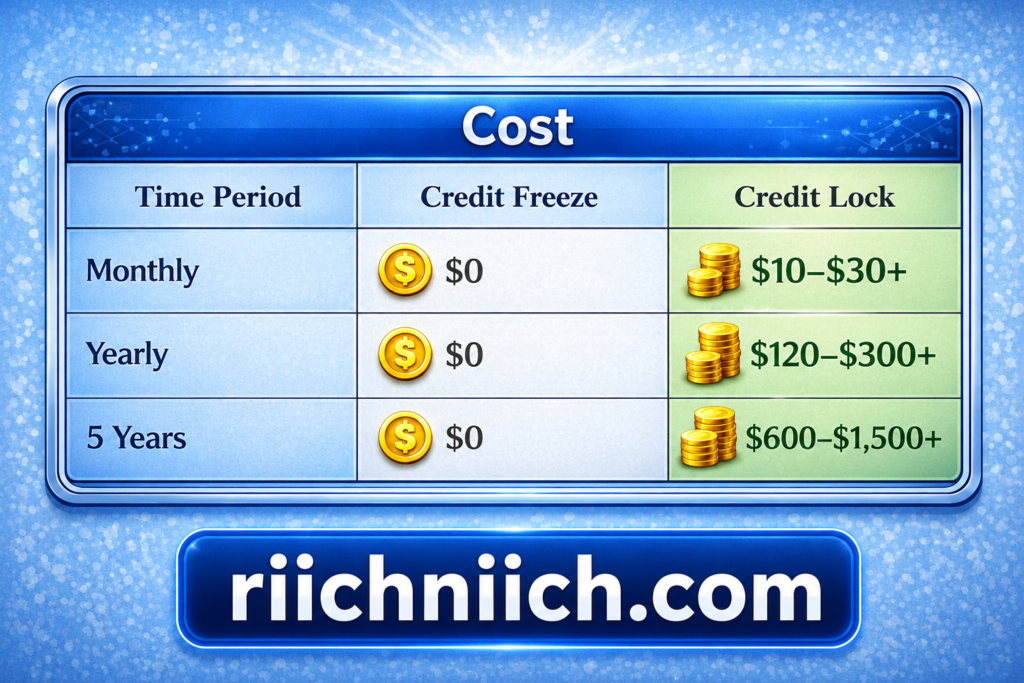
Over time, the cost difference becomes significant.
Are Credit Locks Worth the Cost?
This depends on what you value.
A credit lock may be worth paying for if you want:
- Convenience (instant on/off control)
- Built-in monitoring tools
- Real-time alerts
However, it’s important to understand:
Credit locks are not more effective than freezes at preventing new account fraud
You’re paying for features and convenience—not stronger protection.
How to Decide Based on Cost
Choose a credit freeze if you want:
- Free, long-term protection
- No recurring costs
- Maximum value
Choose a credit lock if you want:
- Convenience and automation
- Extra protection features
- An all-in-one security solution
In the credit freeze vs credit lock decision, cost often comes down to:
Do you want free protection… or paid convenience?
Bottom Line
The cost comparison between credit freeze vs credit lock is clear:
- A credit freeze costs nothing and offers strong protection
- A credit lock costs money but adds convenience and extra features
If your goal is maximum protection with zero cost, a credit freeze is the smarter financial choice.
If you’re willing to pay for ease of use and bundled protection, a credit lock can still provide strong value—just at a price.
You can also see how paid tools compare in our guide on Is Aura better than free credit monitoring.
How Identity Theft Protection Services Help Protect Your Credit
When comparing credit freeze vs credit lock, it’s important to understand that neither option works alone in every situation. This is where identity theft protection services come in—they provide an added layer of security by actively monitoring and alerting you to suspicious activity.
You can explore the best identity theft protection services to see which tools offer monitoring, alerts, and recovery support.
Instead of just blocking access to your credit, these services help you detect, respond to, and recover from identity theft faster.

1. Continuous Credit Monitoring
Identity theft protection services monitor your credit reports across major bureaus and notify you of:
- New accounts opened
- Hard inquiries
- Changes to your credit file
This fills a critical gap in the credit freeze vs credit lock comparison—both tools restrict access, but monitoring services actively watch for suspicious activity.
2. Dark Web Monitoring
Many services scan the dark web for your personal information, including:
- Social Security numbers
- Email addresses
- Passwords
- Financial data
If your information is found, you’ll receive an alert so you can act immediately.
3. Real-Time Alerts and Notifications
Speed is critical when dealing with identity theft. These services provide:
- Instant alerts for suspicious activity
- Notifications of potential fraud
- Early warnings before damage escalates
This is a major advantage over relying solely on a credit freeze or lock.
4. Fraud Resolution Support
If your identity is stolen, many services offer access to specialists who help you:
- Dispute fraudulent charges
- Restore your identity
- Navigate recovery steps
Some even assign a dedicated case manager to guide you through the process.
5. Identity Theft Insurance
Most top services include insurance coverage, often up to $1 million or more.
This may cover:
- Legal fees
- Lost wages
- Recovery expenses
In the credit freeze vs credit lock discussion, this is something neither option provides on its own.
6. All-in-One Protection Platforms
Many identity protection services combine multiple tools into one platform, including:
- Credit locking features
- Monitoring systems
- Alerts and reporting
- Financial account tracking
Popular providers include:
- Aura
- LifeLock
These platforms simplify security by putting everything in one place.
For a deeper comparison of top providers, check out our guide on Aura vs LifeLock.
How These Services Fit Into Credit Freeze vs Credit Lock
Here’s how identity protection services complement both options:
- Credit Freeze → Blocks unauthorized credit access
- Credit Lock → Adds convenience and app-based control
- Protection Services → Detect, alert, and help recover from fraud
Using all three together creates a layered defense strategy, which is the most effective approach.
👉 Some users also pair credit freezes with identity monitoring services like IdentityIQ for additional protection.
Bottom Line
Identity theft protection services go beyond the basic protections of credit freeze vs credit lock by offering:
Continuous monitoring
Real-time alerts
Recovery assistance
Financial protection
If you want complete peace of mind, combining a credit freeze or lock with a trusted identity protection service is one of the smartest moves you can make.
Credit Freeze vs Credit Lock: Which Option Is Best for You?
Choosing between credit freeze vs credit lock comes down to your personal situation, how often you use credit, and how much convenience you want. Both options can protect you from identity theft—but the best choice depends on your priorities.
This section will help you make a clear, confident decision based on your needs.

If You Want Maximum Security (Best Choice: Credit Freeze)
A credit freeze is best for you if:
- You want strong, legally backed protection
- You don’t apply for credit often
- You prefer a free solution with no ongoing costs
- You want to block unauthorized accounts completely
In the credit freeze vs credit lock comparison, this is the safest and most cost-effective option.
If You Want Convenience and Speed (Best Choice: Credit Lock)
A credit lock is the better option if:
- You apply for credit frequently
- You want instant access and control
- You prefer managing everything through an app
- You value ease of use over manual processes
Many credit lock services also include monitoring and alerts, making them a more user-friendly solution.
If You’re Budget-Conscious
- Choose a credit freeze → $0 cost, long-term protection
- Choose a credit lock → Monthly cost for added features
If saving money is a priority, a freeze is the clear winner in the credit freeze vs credit lock decision.
If You Want Full Identity Protection
If your goal is complete protection, you may want more than just a freeze or lock.
Consider combining your choice with an identity protection service for:
- Credit monitoring
- Fraud alerts
- Identity theft insurance
Simple Decision Guide
Here’s a quick way to decide:
- Want free + strongest protection → Choose a credit freeze
- Want fast + convenient control → Choose a credit lock
- Want full coverage + monitoring → Combine with a protection service
Final Recommendation
In the credit freeze vs credit lock comparison, there is no one-size-fits-all answer—but there is a best choice for you.
If security is your top priority, go with a credit freeze
If convenience matters more, go with a credit lock
If you want total peace of mind, consider using both alongside monitoring tools
Making the right choice now can help you prevent identity theft, protect your credit, and avoid costly problems later.
To explore more options, see our comparison of LifeLock vs Identity Guard.
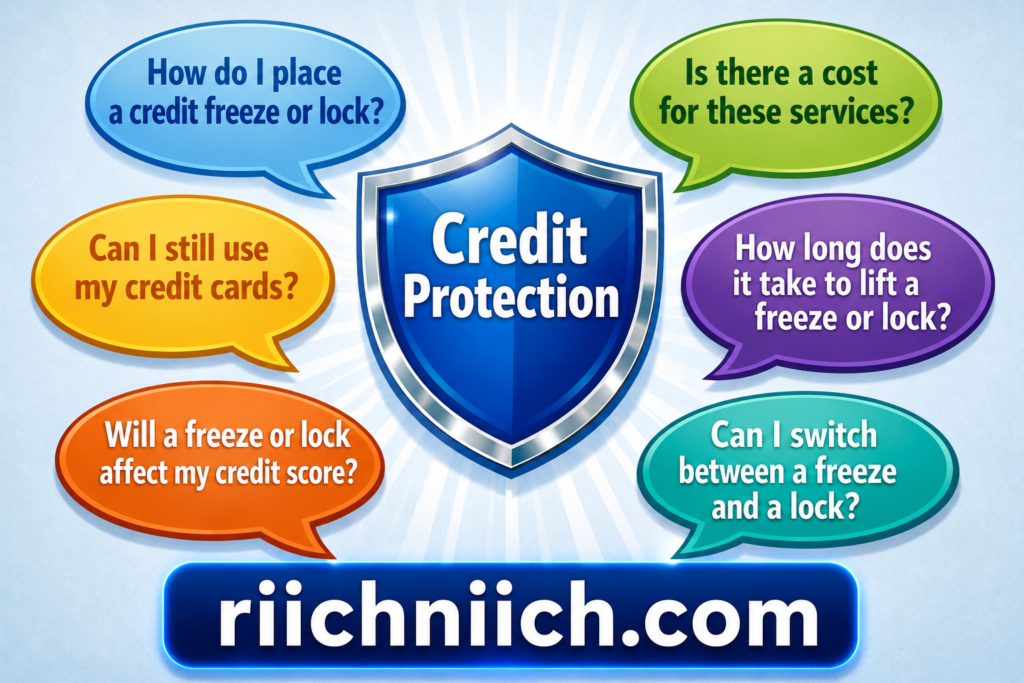
Frequently Asked Questions About Credit Freeze vs Credit Lock
When comparing credit freeze vs credit lock, many people still have important questions before deciding which option to use. Below are clear, straightforward answers to help you make the best choice for protecting your credit and identity.
Does a Credit Freeze Affect Your Credit Score?
No. A credit freeze does not impact your credit score in any way.
You can still:
- Use your existing credit cards
- Build credit history
- Check your credit report
In the credit freeze vs credit lock comparison, both options are neutral when it comes to your credit score.
Is a Credit Freeze Permanent?
No, a credit freeze is not permanent.
You can:
- Temporarily lift (thaw) it
- Remove it completely
- Schedule a lift for a specific time
This gives you flexibility while maintaining strong protection.
Does a Credit Lock Cost Money?
Yes. A credit lock is usually part of a paid identity protection service.
- Monthly or yearly subscription required
- Often includes extra features like monitoring and alerts
In the credit freeze vs credit lock comparison, this is one of the biggest differences—free vs paid.
Can You Use Both a Credit Freeze and a Credit Lock?
Typically, you do not use both at the same time for the same credit file.
However, you can:
- Use a credit freeze for security
- Use an identity protection service for monitoring and alerts
This creates a layered approach to protection.
Which Is Better for Preventing Identity Theft?
In the credit freeze vs credit lock debate:
- A credit freeze offers the strongest protection against new account fraud
- A credit lock offers convenience and faster control
Both are effective, but a freeze has the edge in terms of security.
How Long Does It Take to Freeze or Lock Your Credit?
- Credit Freeze: Usually takes a few minutes to set up, but lifting it may take longer depending on the bureau
- Credit Lock: Can be turned on or off instantly through an app
This is why many users choose locks for speed.
Do You Need an Identity Theft Protection Service?
Not necessarily—but it can be very helpful.
These services provide:
- Real-time alerts
- Credit monitoring
- Recovery assistance
What Happens If You Forget to Unfreeze Your Credit?
If your credit is frozen and you apply for credit:
- Your application may be delayed or denied
- You’ll need to lift the freeze before approval
This is one of the main reasons some users prefer a credit lock.
Conclusion: Credit Freeze vs Credit Lock
For most people, a credit freeze is the better option.
It provides strong protection, is free by law, and effectively prevents unauthorized credit activity.
A credit lock can be useful if you want added convenience, but it usually comes at a cost.
However, neither option provides full protection on its own.
For complete security, combining a credit freeze with identity monitoring and alerts is the most effective approach.
Compare the Best Identity Theft Protection Services here.
Pingback: Best Password Managers (2026 Guide): Protect Your Accounts From Hackers - Riich Niich
Pingback: NordProtect Review (Is It Worth It in 2026?) - Riich Niich
Pingback: How to Remove Your Personal Information from the Internet (2026 Guide) - Riich Niich
Pingback: NordVPN vs Surfshark: Which VPN Is Better in 2026? - Riich Niich
Pingback: Is Incogni Worth It in 2026? (Full Review + Results) - Riich Niich
Pingback: Public WiFi Dangers (And How To Stay Safe) - Riich Niich
Pingback: What Happens After a Data Breach? - Riich Niich
Pingback: Incogni vs Aura: Which Privacy Protection Service Is Right for You? - Riich Niich
Pingback: How to Protect Yourself from Identity Theft (Step-by-Step Guide) - Riich Niich
Pingback: How To Check Your Credit Report For Signs Of Identity Theft - Riich Niich
Pingback: Identity Theft Recovery Checklist (Step-by-Step Guide) - Riich Niich