
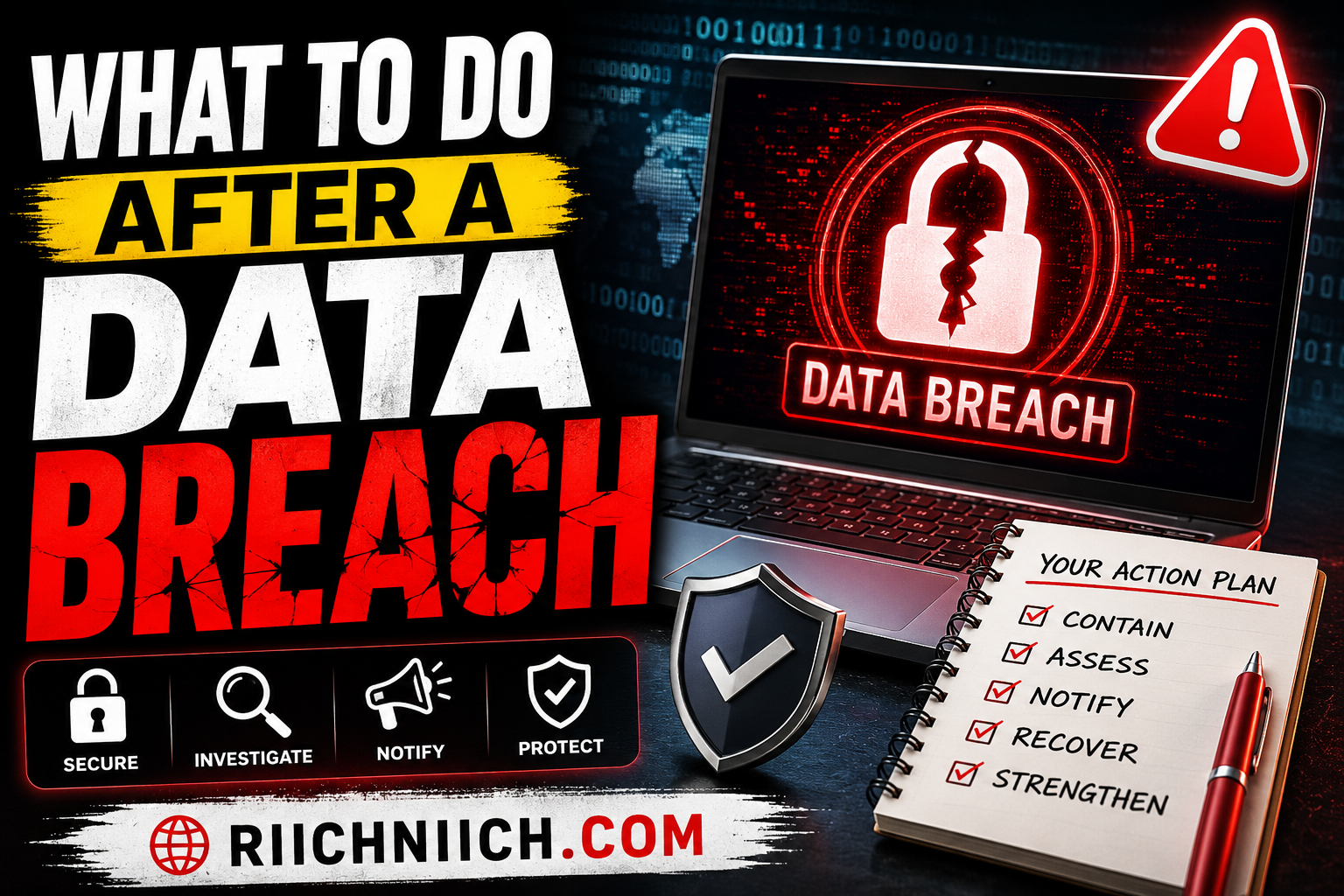
What to do after a data breach is one of the most important questions you can ask if your personal information has been exposed. Whether the breach involved your email address, passwords, financial information, or Social Security number, taking the right steps quickly can help reduce the risk of identity theft and financial fraud. In this guide, you’ll learn exactly what to do after a data breach, including how to secure your accounts, monitor your identity, protect your credit, and determine whether identity theft protection is worth considering for long-term peace of mind.
Table of Contents
What Is a Data Breach?
A data breach occurs when sensitive information is accessed, exposed, stolen, or shared without authorization. This can happen because of hacking, phishing attacks, malware, weak passwords, insider mistakes, or security vulnerabilities. Once your personal information is exposed, cybercriminals may use it to commit identity theft, financial fraud, or other types of cybercrime.
Understanding what a data breach is is the first step in knowing what to do after a data breach. The faster you respond, the better your chances of protecting your identity, securing your online accounts, and preventing long-term financial damage.
Not every data breach results in identity theft, but every breach should be taken seriously. Even if only your email address was exposed, attackers may use that information in phishing campaigns or combine it with data from other breaches to build a complete profile of you.
If you’re wondering what happens after companies discover your information has been exposed, read our guide on What Happens After a Data Breach to understand the timeline and risks that often follow a security incident.
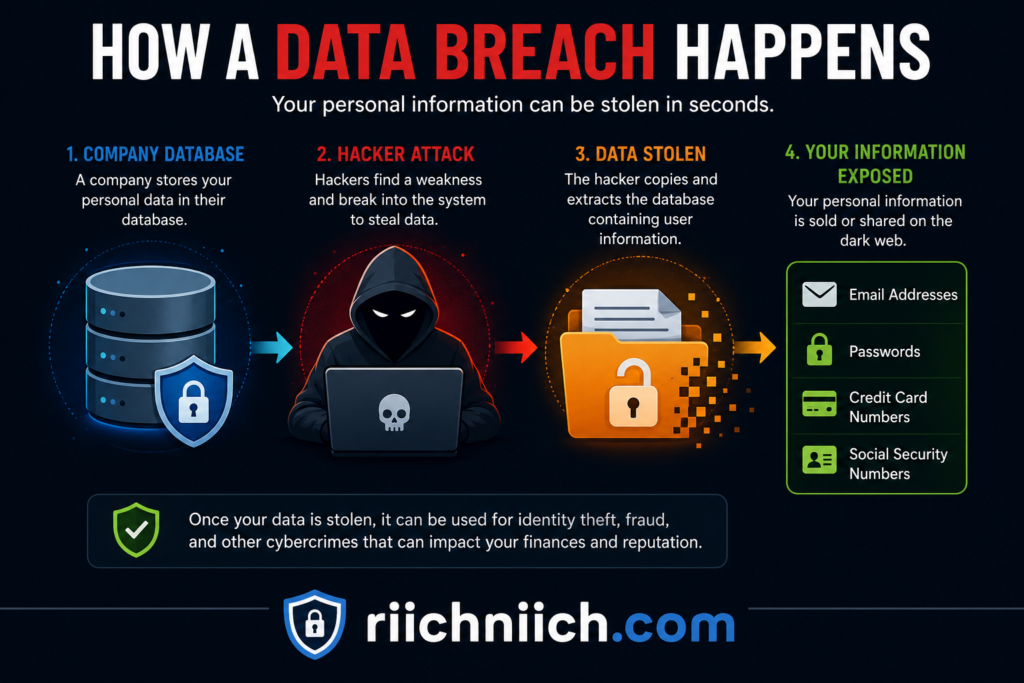
What Information Is Commonly Exposed in a Data Breach?
The type of information exposed depends on the organization that experienced the breach. Some incidents involve only email addresses, while others expose highly sensitive personal and financial data.
Commonly exposed information includes:
- Full name
- Email address
- Phone number
- Home address
- Username and password combinations
- Social Security number
- Date of birth
- Driver’s license number
- Credit or debit card information
- Bank account details
- Medical records
- Security question answers
The more information criminals obtain, the easier it becomes to impersonate you, open fraudulent accounts, access existing accounts, or target you with convincing scams. This is why learning what to do after a data breach is so important, especially if sensitive personal information was involved.
How Do Data Breaches Happen?
Organizations of every size can experience a data breach. Some attacks are highly sophisticated, while others happen because of simple human mistakes.
Common causes include:
- Phishing emails that steal employee login credentials
- Weak or reused passwords
- Malware or ransomware infections
- Unpatched software vulnerabilities
- Insider threats or accidental employee errors
- Misconfigured cloud storage
- Third-party vendor compromises
Cybercriminals often sell stolen information on dark web marketplaces, where it can remain available for years. Because of this, monitoring your accounts and taking action quickly is essential after learning your information has been exposed.
Why Acting Quickly Matters
Many people assume nothing will happen immediately after receiving a data breach notification. Unfortunately, criminals often wait weeks or even months before using stolen information.
Taking action early can help you:
- Reduce the risk of identity theft
- Prevent unauthorized account access
- Detect fraudulent financial activity sooner
- Protect your credit profile
- Secure online accounts before attackers can exploit them
Throughout this guide, you’ll learn exactly what to do after a data breach, including how to secure your accounts, monitor your credit, and decide whether identity theft protection services are worth considering for ongoing monitoring and recovery assistance.
For additional information about responding to data breaches, you can review guidance from the Federal Trade Commission (FTC), the Cybersecurity and Infrastructure Security Agency (CISA), and the Identity Theft Resource Center (ITRC). These organizations provide practical resources for consumers affected by security incidents.
Step 1: Confirm Whether Your Information Was Exposed
The first step in what to do after a data breach is finding out exactly what information was compromised. Not every breach exposes the same types of data, and knowing what was affected will help you decide which protective actions to take next.
Most companies notify affected customers by email, letter, or through an official announcement on their website. These notifications typically explain what happened, when the breach occurred, and what information may have been exposed.
If you received a notification, don’t ignore it. Read it carefully to determine whether your:
- Email address was exposed
- Password was compromised
- Credit or debit card information was affected
- Social Security number was leaked
- Driver’s license number was exposed
- Medical records were involved
- Bank account information was compromised
The more sensitive the information, the more urgent it becomes to protect yourself from identity theft and financial fraud.
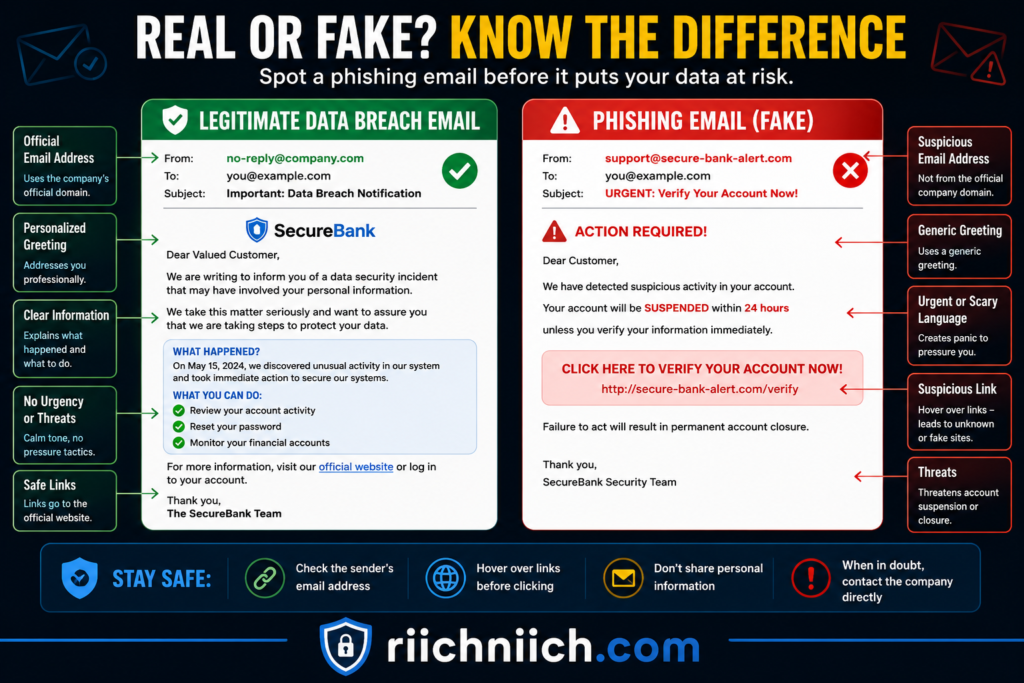
Verify the Notification Is Legitimate
Unfortunately, scammers often take advantage of real data breaches by sending fake emails designed to steal even more information.
Before clicking any links:
- Verify the sender’s email address.
- Visit the company’s official website directly instead of using links in the email.
- Check the company’s newsroom or security page for a public breach announcement.
- Never provide passwords, Social Security numbers, or financial information in response to an unexpected email.
Taking a few minutes to verify the notification helps ensure you’re responding to a legitimate security incident rather than a phishing scam.
Check Whether Your Email Address Has Appeared in Known Data Breaches
Even if you never received a notification, your information could still have been exposed.
If your email appears in one or more breaches, review which accounts were affected and update those passwords immediately.
You should also review your account security settings and look for:
- Unknown login attempts
- Password reset emails you didn’t request
- New devices connected to your accounts
- Security alerts from banks or online services
If you discover your email address has appeared in a breach, our guide on How to Know If Your Email Was Leaked explains what it means and what steps to take next (link coming soon).
Keep a Record of the Breach
As you work through what to do after a data breach, keep copies of any emails, letters, or notices you receive. Write down:
- The company involved
- The date you were notified
- The types of information exposed
- Any actions you’ve already taken
- Confirmation numbers for password changes or fraud reports
Having this information organized can save time if you later need to dispute fraudulent accounts, file an identity theft report, or work with your bank or an identity restoration service.
For additional guidance on verifying data breach notifications and protecting your information, review resources from the Federal Trade Commission (FTC) and the Cybersecurity and Infrastructure Security Agency (CISA). These trusted organizations provide up-to-date information on recognizing legitimate breach notifications and securing compromised accounts.
Step 2: Change Your Passwords Immediately
After confirming that your information was exposed, the next step in what to do after a data breach is changing your passwords as quickly as possible. If hackers gained access to your login credentials, delaying this step gives them more time to access your accounts or attempt credential stuffing attacks on other websites.
Start with the accounts that contain your most sensitive information, including:
- Email accounts
- Online banking accounts
- Credit card accounts
- Investment and retirement accounts
- Shopping websites that store payment information
- Healthcare portals
- Cloud storage accounts
- Social media accounts
Your email account should be your highest priority. If a cybercriminal gains control of your email, they may be able to reset passwords for many of your other online accounts.
Create Strong and Unique Passwords
One of the biggest mistakes people make after a breach is simply changing one password while continuing to reuse similar passwords elsewhere.
Instead, create a completely new password for every important account. A strong password should:
- Be at least 16 characters long
- Include a combination of uppercase and lowercase letters
- Contain numbers and special characters
- Avoid personal information such as birthdays or names
- Never be reused on another website
Using unique passwords greatly reduces the chance that one compromised account will lead to additional account takeovers.
Use a Password Manager
Remembering dozens of strong passwords is nearly impossible. That’s why cybersecurity experts recommend using a password manager.
A password manager can:
- Generate strong, random passwords
- Securely store login credentials
- Automatically fill passwords on trusted websites
- Alert you if stored passwords appear in known data breaches
- Help you replace weak or reused passwords
Not sure which password manager to choose? See our guide to the Best Password Managers to compare secure options that can help protect your accounts after a breach.
If you’re deciding what to do after a data breach, switching to a reputable password manager is one of the most effective long-term security improvements you can make. It reduces the risk of future account compromises while making it much easier to maintain unique passwords across every account.
Don’t Forget Accounts You Rarely Use
Hackers often target forgotten accounts because they’re less likely to have updated passwords or modern security settings.
Take time to update passwords for:
- Old shopping websites
- Travel booking accounts
- Subscription services
- Gaming platforms
- Online forums
- Utility accounts
- Streaming services
If you no longer use an account, consider deleting it instead of simply changing the password. Removing unused accounts reduces your overall exposure if another company experiences a future breach.
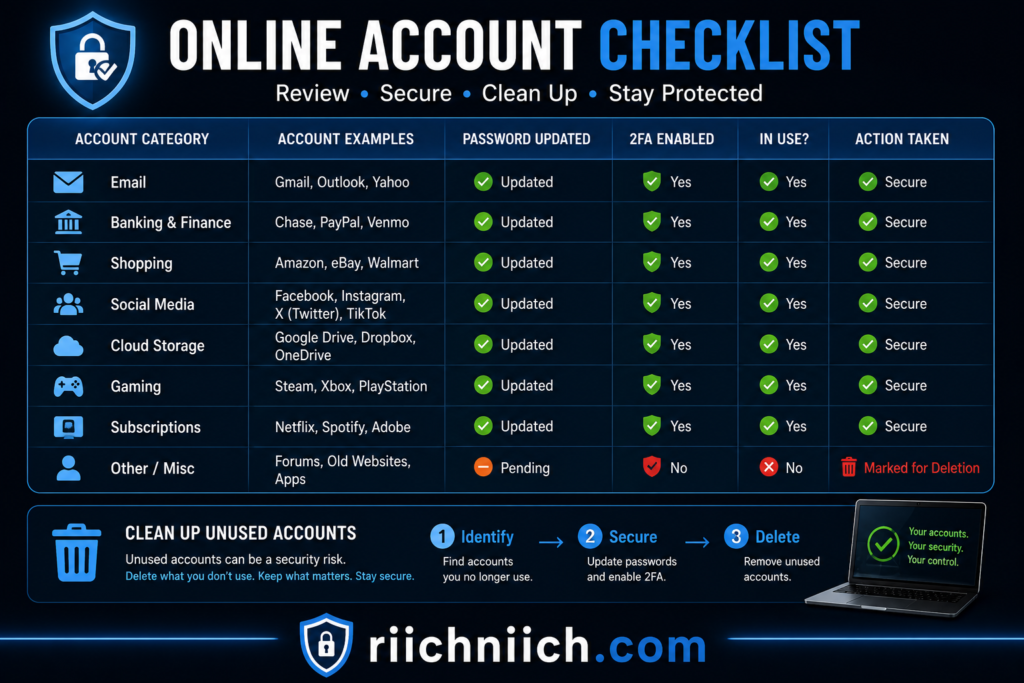
Changing your passwords immediately is one of the most important actions in what to do after a data breach, but passwords alone aren’t enough. In the next step, you’ll strengthen your account security even further by enabling multi-factor authentication, making it much harder for attackers to gain access—even if they know your password.
Step 3: Enable Multi-Factor Authentication on Your Accounts
Even after changing your passwords, your accounts may still be at risk if cybercriminals have access to stolen login credentials. That’s why the next step in what to do after a data breach is enabling multi-factor authentication (MFA) on every important account.
Multi-factor authentication adds a second layer of security by requiring an additional verification step before anyone can sign in. Even if a hacker knows your password, they usually won’t be able to access your account without the second verification factor.
This simple security feature is one of the most effective ways to prevent unauthorized access after a personal data breach.
Prioritize Your Most Important Accounts
Start by enabling MFA on accounts that contain sensitive personal or financial information.
These should include:
- Email accounts
- Online banking accounts
- Credit card accounts
- Investment accounts
- Healthcare portals
- Cloud storage services
- Password manager accounts
- Social media accounts
- Online shopping accounts with saved payment methods
Your email account should always be first. Since many password reset requests are sent by email, protecting this account significantly reduces the risk of attackers taking over your other accounts.
Choose the Strongest Authentication Method
Not all forms of multi-factor authentication offer the same level of protection.
Whenever possible, choose one of these options:
- Authentication apps
- Security keys
- Passkeys
These methods are generally more secure than receiving verification codes through text messages.
If authentication apps or security keys aren’t available, SMS verification is still much better than using a password alone. The important thing is adding a second layer of protection to your accounts.
Save Your Recovery Codes
Many websites provide backup or recovery codes when you enable multi-factor authentication.
Store these codes somewhere safe, such as:
- A password manager
- An encrypted digital vault
- A secure printed copy stored at home
Recovery codes can help you regain access if your phone is lost, stolen, or replaced.
Review Trusted Devices and Active Sessions
While enabling MFA, take a few extra minutes to review your account security settings.
Look for:
- Unknown devices
- Unrecognized login locations
- Active sessions you don’t recognize
- Previously authorized devices you no longer use
If anything looks suspicious, sign out of all devices and log back in using your new password and multi-factor authentication.
This helps remove any unauthorized sessions that may still have access to your account.
Why Multi-Factor Authentication Is Worth the Extra Step
Many people skip MFA because they think it’s inconvenient. However, spending a few extra seconds verifying your identity is far easier than recovering from identity theft or financial fraud.
As you continue learning what to do after a data breach, strengthening your account security now can prevent attackers from exploiting stolen passwords in the future. Combined with strong passwords and ongoing account monitoring, multi-factor authentication creates one of the most effective defenses against account takeover attacks.
Step 4: Check Your Financial Accounts for Suspicious Activity
One of the most important steps in what to do after a data breach is reviewing your financial accounts for signs of unauthorized activity. If your banking information, payment card details, or personal information were exposed, criminals may attempt to make fraudulent purchases, transfer funds, or open new accounts in your name.
The sooner you detect suspicious activity, the better your chances of limiting financial losses and preventing identity theft from becoming a much larger problem.
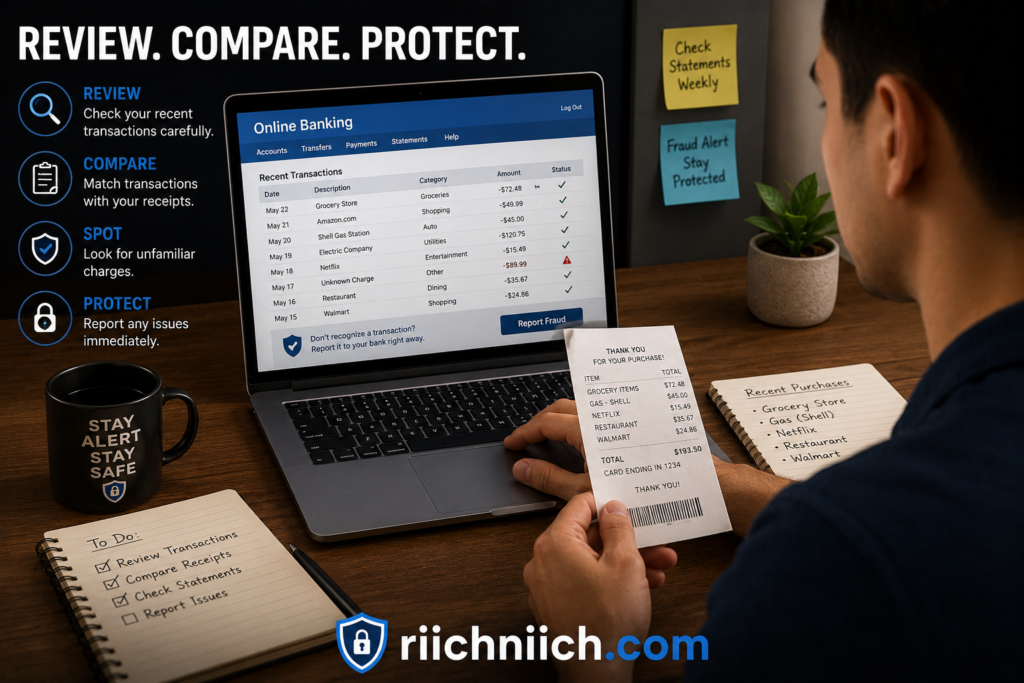
Review Every Financial Account Carefully
Don’t limit your review to your primary checking account. Cybercriminals often target multiple accounts, especially if they have access to your personal information.
Take time to review:
- Checking accounts
- Savings accounts
- Credit card accounts
- Debit card transactions
- Investment accounts
- Retirement accounts
- Payment services such as PayPal or Venmo
- Health Savings Accounts (HSAs)
Look back at least the previous 30 to 90 days to make sure no suspicious activity has gone unnoticed.
Watch for These Warning Signs
Fraud doesn’t always begin with large purchases. Criminals often test stolen payment information with small transactions before making larger charges.
Be alert for:
- Small charges you don’t recognize
- Duplicate transactions
- Purchases from unfamiliar merchants
- Unauthorized withdrawals
- Failed payment attempts
- New payees or linked accounts
- Transfers you didn’t authorize
- Unexpected account balance changes
Even a charge for only a few dollars deserves investigation. These “test transactions” are commonly used to verify whether stolen payment information is still active.
Enable Real-Time Account Alerts
Most banks and credit card companies allow you to receive instant notifications whenever activity occurs on your accounts.
Enable alerts for:
- New purchases
- ATM withdrawals
- Online transfers
- Password changes
- New device logins
- Large transactions
- International purchases
These notifications can help you detect fraud within minutes instead of days or weeks.
Contact Your Financial Institution Immediately
If you discover suspicious activity, don’t wait to report it.
Contact your bank or credit card issuer immediately to:
- Report unauthorized transactions
- Lock or freeze your debit or credit card
- Request replacement cards
- Dispute fraudulent charges
- Review recent account activity with a fraud specialist
Many financial institutions offer zero-liability fraud protection, but reporting suspicious activity quickly can make resolving the issue much easier.
Consider Identity Monitoring for Ongoing Protection
If your Social Security number, banking information, or other sensitive personal information was exposed, monitoring your financial accounts manually may not be enough.
Identity monitoring services can continuously watch for:
- New financial accounts opened in your name
- Suspicious credit activity
- Identity theft alerts
- Dark web exposure
- Changes to your personal information
You should also learn how to review your credit history for suspicious activity by reading our guide on How to Check Your Credit Report for Signs of Identity Theft.
If you’re deciding what to do after a data breach, an identity monitoring service can provide an extra layer of protection by alerting you to suspicious activity before it causes significant financial damage. This can be especially valuable after a major breach involving highly sensitive personal information.
Checking your financial accounts regularly is one of the most effective ways to catch fraud early. In the next step of what to do after a data breach, you’ll learn how reviewing your credit reports can help uncover identity theft that may not yet appear in your bank or credit card accounts.
For additional information about recognizing financial fraud and protecting your accounts, review resources from the Federal Trade Commission (FTC), the Consumer Financial Protection Bureau (CFPB), and the Identity Theft Resource Center (ITRC). These organizations provide practical guidance for consumers responding to financial fraud and identity theft.
Step 5: Review Your Credit Reports for Signs of Fraud
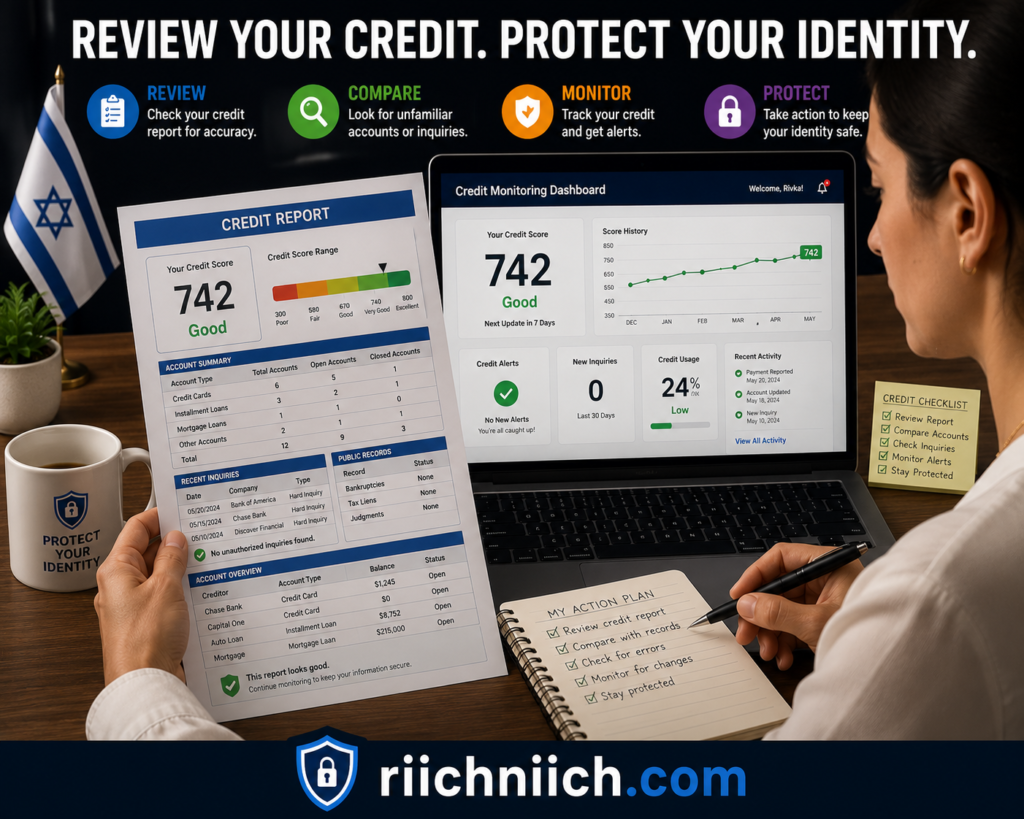
If your personal information was exposed in a security incident, reviewing your credit reports should be one of your highest priorities. As you continue learning what to do after a data breach, checking your credit reports can help you discover fraudulent activity that hasn’t yet affected your bank accounts.
Identity thieves often use stolen personal information to apply for credit cards, personal loans, auto loans, or other financial products. These fraudulent accounts may not generate immediate alerts from your bank, but they often appear on your credit reports.
Obtain Your Credit Reports
Request copies of your credit reports from all three major credit bureaus:
- Equifax
- Experian
- TransUnion
Review each report carefully because fraudulent information may appear on one report but not the others.
Pay close attention to:
- Recently opened accounts
- Credit inquiries you don’t recognize
- Incorrect personal information
- Unknown addresses
- Unexpected loans
- New credit cards
- Collection accounts you don’t recognize
Even a single unfamiliar account deserves immediate investigation.
Watch for Signs of Identity Theft
A data breach doesn’t always lead to immediate fraud. Criminals sometimes wait months before attempting to use stolen information.
Common warning signs include:
- Credit accounts you never opened
- Hard inquiries from unfamiliar lenders
- Sudden drops in your credit score
- Incorrect personal information
- New addresses linked to your credit file
- Collection notices for unknown debts
- Loans you never applied for
If you notice any of these warning signs, contact the lender and the appropriate credit bureau as soon as possible.
Continue Monitoring Your Credit
Checking your credit report once isn’t enough after a significant breach involving sensitive information.
Continue reviewing your credit regularly over the following months, especially if your:
- Social Security number
- Driver’s license number
- Date of birth
- Financial account information
were exposed.
Many forms of identity theft develop slowly, making ongoing monitoring one of the most effective ways to catch fraudulent activity before it becomes a larger problem.
Consider Credit Monitoring and Identity Monitoring
If reviewing your credit reports sounds overwhelming, credit monitoring and identity monitoring services can help automate much of the process.
These services can notify you when:
- New credit accounts are opened
- Hard credit inquiries occur
- Personal information changes
- Your credit score changes significantly
- Your information appears on the dark web
If you’re deciding what to do after a data breach, using an identity monitoring service can provide continuous protection instead of relying on occasional manual checks. Early alerts often allow you to respond before identity theft causes lasting financial damage.
👉 If you’d rather have your identity, credit, and personal information monitored around the clock instead of checking everything manually, Aura provides real-time identity monitoring, dark web monitoring, credit monitoring, and fraud alerts—all from a single dashboard. It’s an excellent option for anyone whose sensitive information was exposed in a data breach.
Dispute Any Errors Immediately
If you discover inaccurate information on your credit reports, don’t wait to take action.
Contact the credit bureau reporting the error and the company that furnished the information. Keep copies of:
- Credit reports
- Dispute letters
- Confirmation emails
- Case numbers
- Supporting documentation
Maintaining organized records can make the dispute process faster and easier if additional verification is required.
Reviewing your credit reports is one of the most effective ways to detect identity theft after a security incident. The next step in what to do after a data breach focuses on adding another layer of protection by freezing your credit, making it much more difficult for criminals to open new accounts using your personal information.
For additional guidance on reviewing credit reports and disputing fraudulent information, consult the Consumer Financial Protection Bureau (CFPB), the Federal Trade Commission (FTC), and AnnualCreditReport.com, the federally authorized source for free credit reports from the three major credit bureaus.
Step 6: Consider Freezing Your Credit
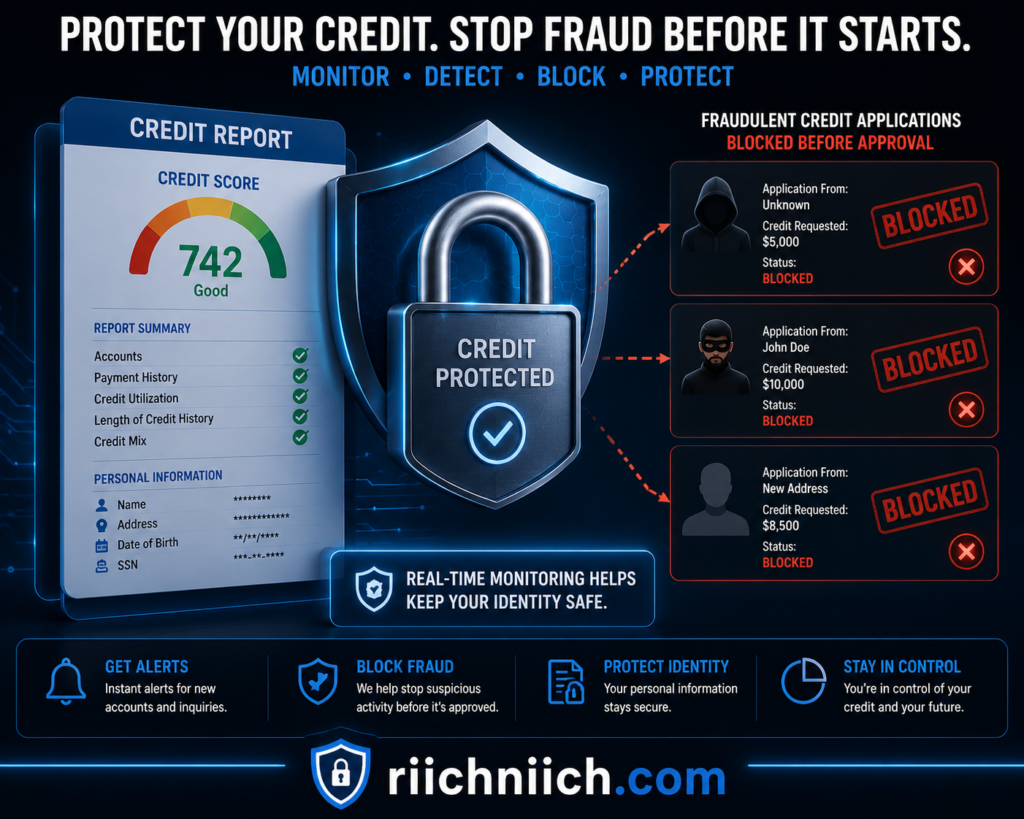
If your Social Security number, date of birth, or other sensitive personal information was exposed, freezing your credit is one of the strongest actions you can take. As you work through what to do after a data breach, a credit freeze can help stop criminals from opening new credit accounts in your name.
A credit freeze, also known as a security freeze, restricts access to your credit reports. Since most lenders review your credit before approving a new credit card, loan, or line of credit, a freeze makes it much more difficult for identity thieves to obtain credit using your personal information.
Best of all, placing and removing a credit freeze is free with each of the three major credit bureaus.
When Should You Freeze Your Credit?
A credit freeze isn’t necessary after every data breach, but it’s highly recommended if the exposed information includes:
- Social Security number
- Driver’s license number
- Date of birth
- Financial account information
- Tax identification information
- Multiple pieces of personally identifiable information
The more sensitive the information involved, the greater the risk of identity theft and fraudulent account openings.
If you’re unsure whether your information is serious enough to justify a freeze, it’s generally safer to place one than to wait until fraud occurs.
How to Freeze Your Credit
You’ll need to contact each of the three major credit bureaus individually:
- Equifax
- Experian
- TransUnion
Each bureau allows you to place a freeze online, by phone, or by mail. Once the freeze is active, you’ll receive instructions for temporarily lifting or permanently removing it whenever you legitimately apply for new credit.
Credit Freeze vs. Fraud Alert
Many people confuse a credit freeze with a fraud alert, but they provide different levels of protection.
A fraud alert encourages lenders to verify your identity before opening new credit accounts, while a credit freeze prevents most lenders from accessing your credit report altogether.
For maximum protection after a significant breach, many security experts recommend freezing your credit instead of relying only on a fraud alert.
If you’d like a more detailed comparison, read our guide on Credit Freeze vs. Credit Lock, where we explain the differences, benefits, and situations where each option makes the most sense.
If you’re ready to place a security freeze, follow our complete walkthrough on How to Freeze Your Credit After Identity Theft for step-by-step instructions.
A Credit Freeze Doesn’t Protect Existing Accounts
While freezing your credit is extremely effective against new account fraud, it doesn’t stop criminals from accessing accounts you already have.
That’s why what to do after a data breach also includes:
- Changing passwords
- Enabling multi-factor authentication
- Monitoring financial accounts
- Reviewing your credit reports
- Watching for identity theft alerts
A credit freeze works best when combined with these additional security measures.
👉 For ongoing protection after freezing your credit, Coveron can monitor your identity and alert you if suspicious activity is detected, giving you another layer of security against identity theft.
Should You Use Identity Monitoring Too?
A credit freeze helps prevent new accounts from being opened, but it doesn’t notify you if someone attempts identity theft using your personal information elsewhere.
Identity monitoring services can complement a credit freeze by watching for:
- New credit inquiries
- Personal information changes
- Dark web exposure
- Identity theft alerts
- Suspicious activity involving your identity
If you’re deciding what to do after a data breach, combining a credit freeze with ongoing identity monitoring offers stronger protection than relying on either solution alone. This layered approach can help you detect and respond to threats much earlier.
Step 7: Place a Fraud Alert if Necessary
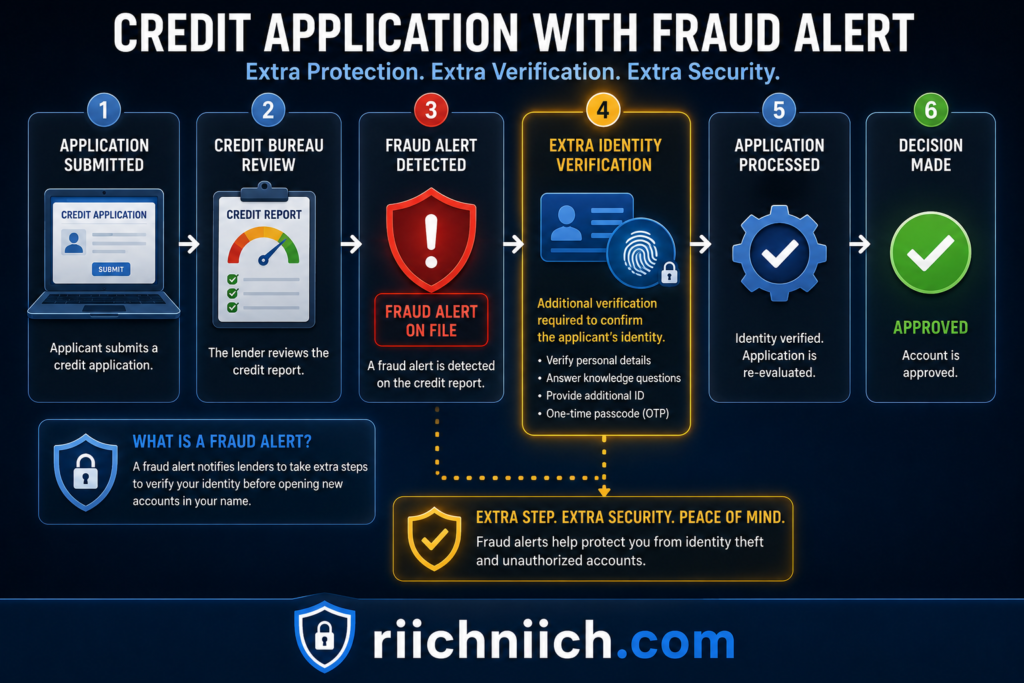
Another important step in what to do after a data breach is deciding whether to place a fraud alert on your credit file. A fraud alert tells lenders that your personal information may have been compromised and asks them to verify your identity before approving new credit in your name.
While a fraud alert doesn’t provide the same level of protection as a credit freeze, it can still reduce the risk of fraudulent accounts being opened, especially if you believe your personal information has been exposed but aren’t ready to freeze your credit.
How Does a Fraud Alert Work?
When a lender receives a credit application with a fraud alert attached to your credit file, they’re encouraged to take additional steps to confirm that the applicant is really you before extending credit.
This may include:
- Calling your phone number to verify the application
- Requesting additional identification
- Asking security questions
- Confirming your identity before approving a loan or credit card
Although creditors are expected to follow these precautions, a fraud alert doesn’t completely block access to your credit report like a credit freeze does.
When Should You Place a Fraud Alert?
You may want to consider placing a fraud alert if:
- Your personal information was exposed in a data breach.
- You suspect someone is attempting identity theft.
- You noticed suspicious activity on your credit report.
- Your wallet or important identification documents were stolen.
- You’re still deciding whether a credit freeze is necessary.
If identity theft has already occurred, you may also qualify for an extended fraud alert, which provides longer-lasting protection after you submit the required documentation.
How to Place a Fraud Alert
You only need to contact one of the three major credit bureaus:
- Equifax
- Experian
- TransUnion
The credit bureau you contact will notify the other two bureaus, making the process much simpler than placing a credit freeze, which requires contacting each bureau separately.
Fraud alerts are free to place and can usually be requested online or by phone within just a few minutes.
Fraud Alert vs. Credit Freeze
If you’re working through what to do after a data breach, you may wonder whether a fraud alert or credit freeze is the better option.
In general:
- A fraud alert encourages lenders to verify your identity before approving new credit.
- A credit freeze prevents most lenders from accessing your credit report unless you temporarily lift the freeze.
For individuals whose Social Security number or other highly sensitive personal information was exposed, a credit freeze generally provides stronger protection. However, a fraud alert can still be a useful option if you expect to apply for new credit soon and want a less restrictive security measure.
Combine Fraud Alerts With Ongoing Monitoring
Neither a fraud alert nor a credit freeze replaces the need for ongoing vigilance.
Continue to:
- Review your financial accounts.
- Monitor your credit reports.
- Watch for unfamiliar credit inquiries.
- Respond immediately to suspicious activity.
- Secure your online accounts with strong passwords and multi-factor authentication.
Many identity monitoring services can also notify you if someone attempts to use your personal information, giving you another layer of protection after a breach.
Adding a fraud alert can be another valuable safeguard while deciding what to do after a data breach, especially if you’re concerned that criminals may try to open new accounts using your stolen information. Used alongside credit monitoring, identity monitoring, and strong account security, it helps create a more comprehensive defense against identity theft.
Step 8: Monitor Your Identity for Ongoing Threats
Recovering from a breach doesn’t end after changing your passwords or freezing your credit. One of the most important long-term steps in what to do after a data breach is continuously monitoring your identity for signs of suspicious activity.
Cybercriminals don’t always use stolen information immediately. In many cases, personal information is bought and sold on underground marketplaces before being used weeks, months, or even years later. This delayed activity makes ongoing identity monitoring an important part of protecting yourself after a personal data breach.
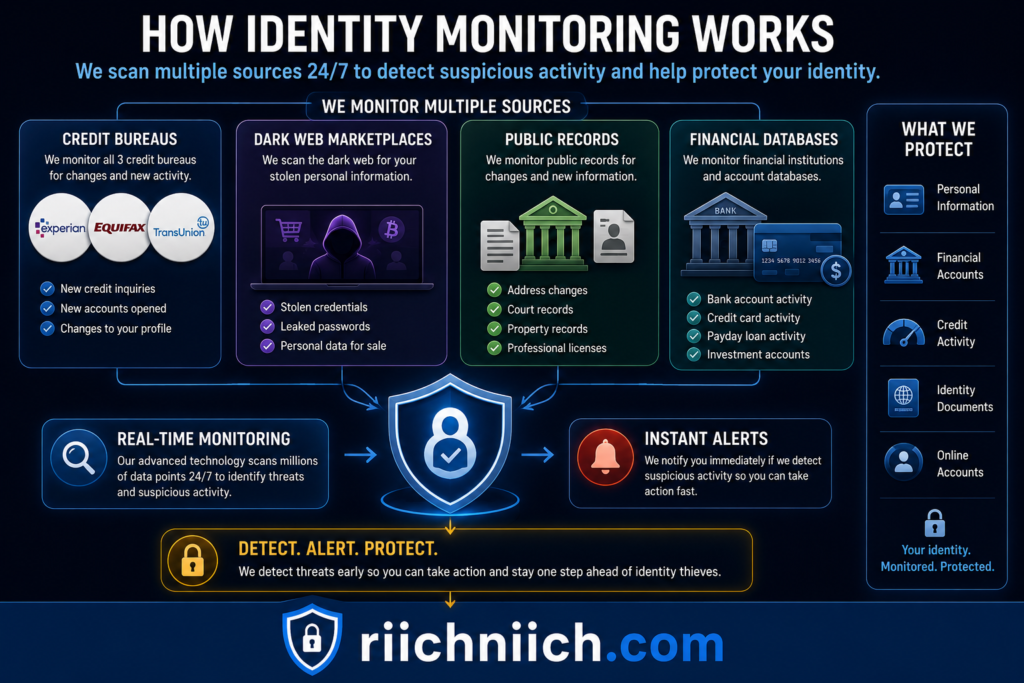
What Is Identity Monitoring?
Identity monitoring is a service that continuously watches for signs that your personal information is being misused.
Depending on the provider, identity monitoring may alert you when:
- New credit accounts are opened
- Your Social Security number is used unexpectedly
- Your information appears on the dark web
- New addresses become associated with your identity
- Court or public records change
- Financial accounts show suspicious activity
- Passwords linked to your email appear in known breaches
Instead of manually checking dozens of accounts, identity monitoring helps you discover potential identity theft much sooner.
Why Early Detection Matters
The faster identity theft is detected, the easier it is to minimize financial damage and recover your accounts.
Without monitoring, criminals may:
- Open credit cards in your name
- Apply for loans
- Use your Social Security number
- Commit tax fraud
- Attempt medical identity theft
- Sell your personal information to other criminals
By receiving alerts quickly, you can contact financial institutions, dispute fraudulent activity, and secure affected accounts before additional damage occurs.
What Should You Monitor Yourself?
Even if you use an identity monitoring service, continue reviewing your own accounts regularly.
Check your:
- Bank accounts
- Credit card statements
- Credit reports
- Email security alerts
- Online shopping accounts
- Mobile payment apps
- Insurance accounts
- Government benefit accounts
Also pay attention to unexpected mail, debt collection notices, or bills for accounts you never opened. These can all be early warning signs of identity theft.
Is Identity Monitoring Worth It After a Data Breach?
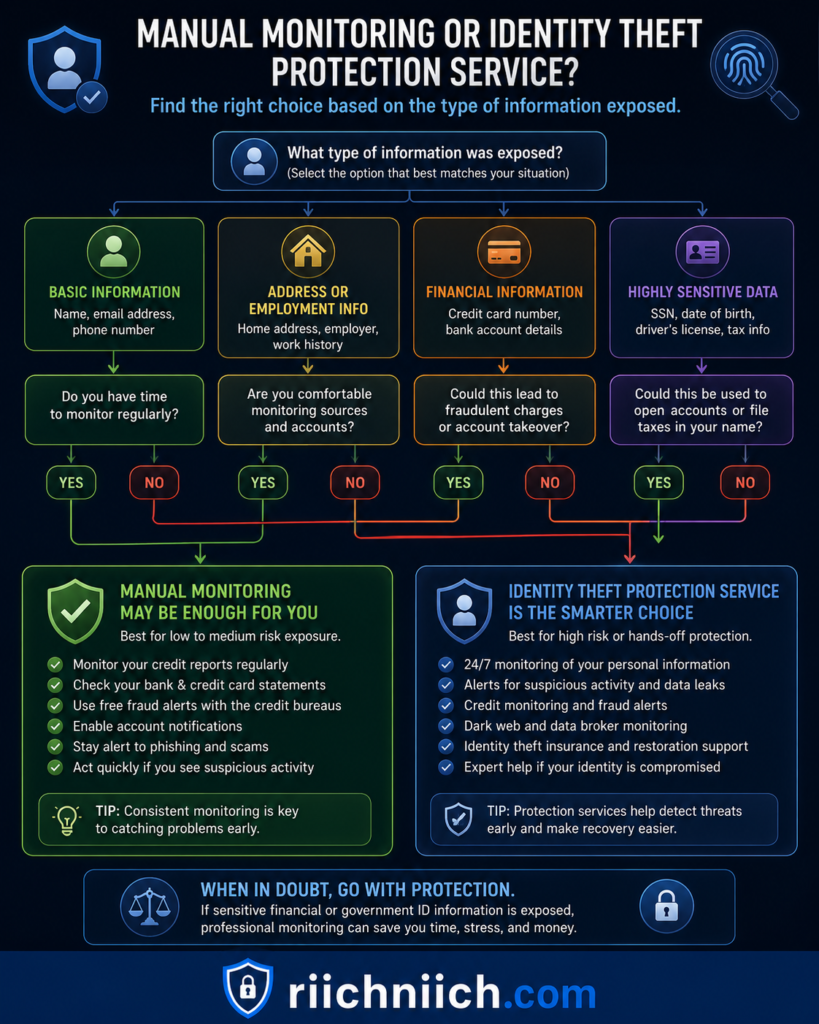
If a breach exposed only your email address, manual monitoring may be sufficient.
However, if your breach included:
- Social Security number
- Driver’s license number
- Financial account information
- Passport information
- Date of birth
- Multiple forms of personally identifiable information
then an identity monitoring service can provide valuable peace of mind.
Many services offer:
- Real-time fraud alerts
- Credit monitoring
- Dark web monitoring
- Identity theft insurance
- Identity restoration specialists
- 24/7 monitoring of sensitive personal information
If you’re still deciding whether ongoing protection is worth the investment, read our comparison of the Best Identity Theft Protection Services to find the option that best fits your needs.
If you’re deciding what to do after a data breach, investing in identity monitoring can help detect suspicious activity much earlier than relying solely on manual checks. For many people, the ability to receive immediate alerts and access professional recovery assistance makes identity monitoring a worthwhile addition to their security plan.
Monitoring your identity isn’t a one-time task—it’s an ongoing habit that can significantly reduce the impact of future fraud. Even after you’ve secured your accounts, reviewing your alerts and financial activity regularly helps ensure your personal information remains protected long after the original breach.
For additional guidance on monitoring your identity and responding to identity theft, consult the Federal Trade Commission (FTC), the Identity Theft Resource Center (ITRC), and the Cybersecurity and Infrastructure Security Agency (CISA). These organizations provide trusted resources for recognizing identity theft and protecting your personal information after a security incident.
Step 9: Remove Your Personal Information From Data Broker Sites
Even after you’ve secured your accounts, another important step in what to do after a data breach is reducing the amount of personal information that’s publicly available online. One of the biggest sources of exposed personal data is data broker websites.
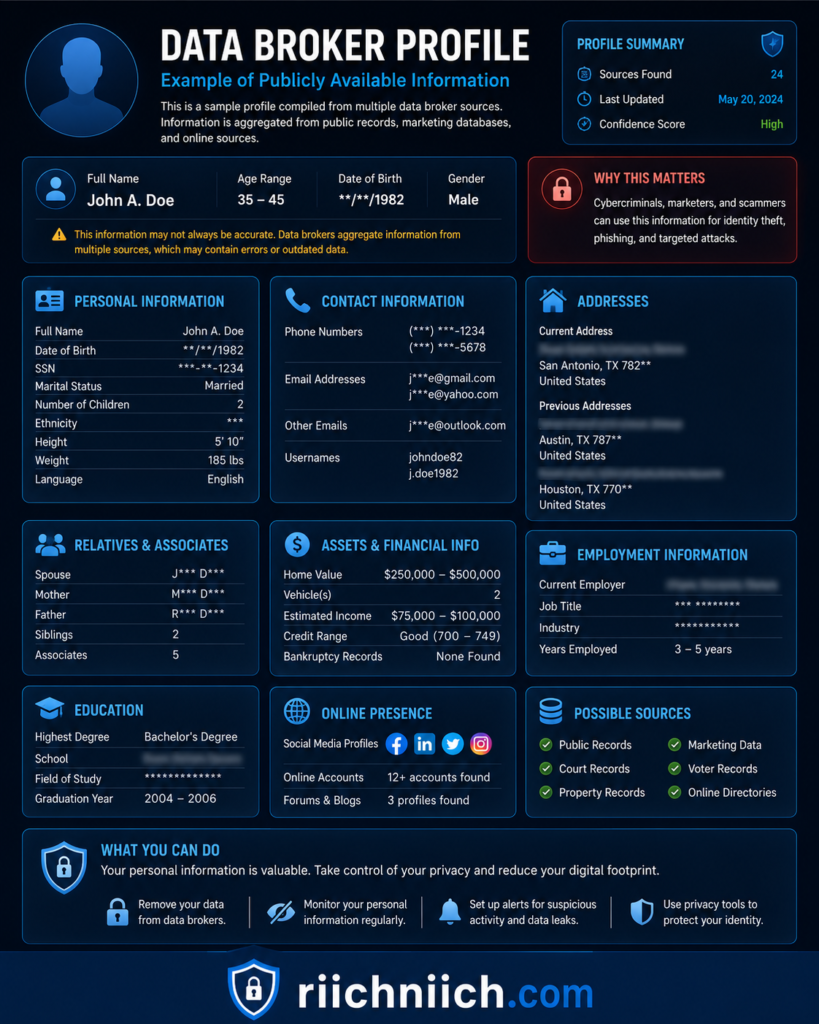
Data brokers collect information from public records, online activity, marketing databases, and other sources. They then package and sell this information to businesses, advertisers, and, in some cases, make it searchable through people-search websites.
While removing your information won’t undo a data breach, it can reduce your digital footprint and make it more difficult for scammers, identity thieves, and cybercriminals to gather additional details about you.
What Information Do Data Brokers Collect?
Many people are surprised by how much information data brokers maintain.
Depending on the website, your profile may include:
- Full name
- Current and previous addresses
- Phone numbers
- Email addresses
- Date of birth
- Family members
- Property ownership records
- Employment history
- Estimated income
- Social media profiles
When combined with information exposed in a data breach, these details can help criminals build a much more complete profile for identity theft or targeted phishing attacks.
Why Removing Your Information Matters
Cybercriminals often combine information from multiple sources instead of relying on a single data breach.
For example, a breach may expose your email address and password, while a data broker profile provides your address, phone number, relatives, and date of birth.
Together, this information can be used to:
- Answer security questions
- Create convincing phishing scams
- Commit identity theft
- Attempt account recovery fraud
- Target family members with scams
Reducing publicly available information makes it harder for criminals to connect these pieces together.
Remove Your Information Yourself or Use a Data Removal Service
Many data broker websites allow you to submit opt-out requests manually.
However, there are hundreds of data broker sites, and new profiles can appear over time. Manually removing your information from every website can become a lengthy and ongoing process.
This is why many people choose a dedicated data removal service. These services regularly search for your information, submit removal requests on your behalf, and continue monitoring for new listings.
You can also compare the most effective privacy tools in our guide to the Best Data Removal Services before deciding which option is right for you.
If you’re deciding what to do after a data breach, reducing your online exposure through a reputable data removal service can strengthen your overall privacy strategy and reduce future risks.
Continue Monitoring Your Online Exposure
Removing your information once isn’t enough.
Data brokers frequently update their databases with new information collected from:
- Public records
- Marketing databases
- Retail loyalty programs
- Online purchases
- Social media activity
- Third-party data sharing
Review your online exposure periodically to ensure your information hasn’t reappeared on people-search websites or data broker platforms.
👉 Rather than submitting hundreds of removal requests yourself, Incogni automatically contacts data broker websites on your behalf and continues monitoring for new listings, saving hours of manual work.
Reducing your online footprint won’t prevent every form of identity theft, but it limits the amount of personal information available to criminals. As part of what to do after a data breach, combining data broker removal with strong passwords, multi-factor authentication, credit protection, and identity monitoring creates a much more comprehensive defense against future attacks.
Step 10: Stay Alert for Phishing Scams After the Breach
One of the most overlooked steps in what to do after a data breach is staying alert for phishing scams. After a security incident, cybercriminals often take advantage of the situation by sending fake emails, text messages, or phone calls that appear to come from trusted companies.
Their goal is simple: trick you into giving away even more information, such as passwords, financial details, verification codes, or Social Security numbers.
If your email address or personal information was exposed, you may become a target for highly convincing phishing attacks designed specifically around the recent breach.
Why Phishing Increases After a Data Breach
Hackers know that people affected by a breach are expecting emails from the company involved.
They exploit this by sending messages that claim to:
- Confirm your account information
- Help you secure your account
- Offer free identity protection
- Request password resets
- Verify suspicious account activity
- Ask you to update payment information
These fake messages often look nearly identical to legitimate company emails, making them difficult to recognize at first glance.
Watch for Common Warning Signs
Before clicking any link or downloading an attachment, look for signs that the message may be fraudulent.
Warning signs include:
- Unexpected password reset requests
- Misspelled company names or website addresses
- Urgent threats demanding immediate action
- Generic greetings such as “Dear Customer”
- Requests for passwords or verification codes
- Unexpected attachments
- Links that don’t match the official company website
If something feels suspicious, visit the company’s website directly by typing the address into your browser instead of clicking the email link.
Be Careful With Phone Calls and Text Messages
Phishing isn’t limited to email.
Scammers also use:
- Text messages (smishing)
- Phone calls (vishing)
- Social media messages
- Messaging apps
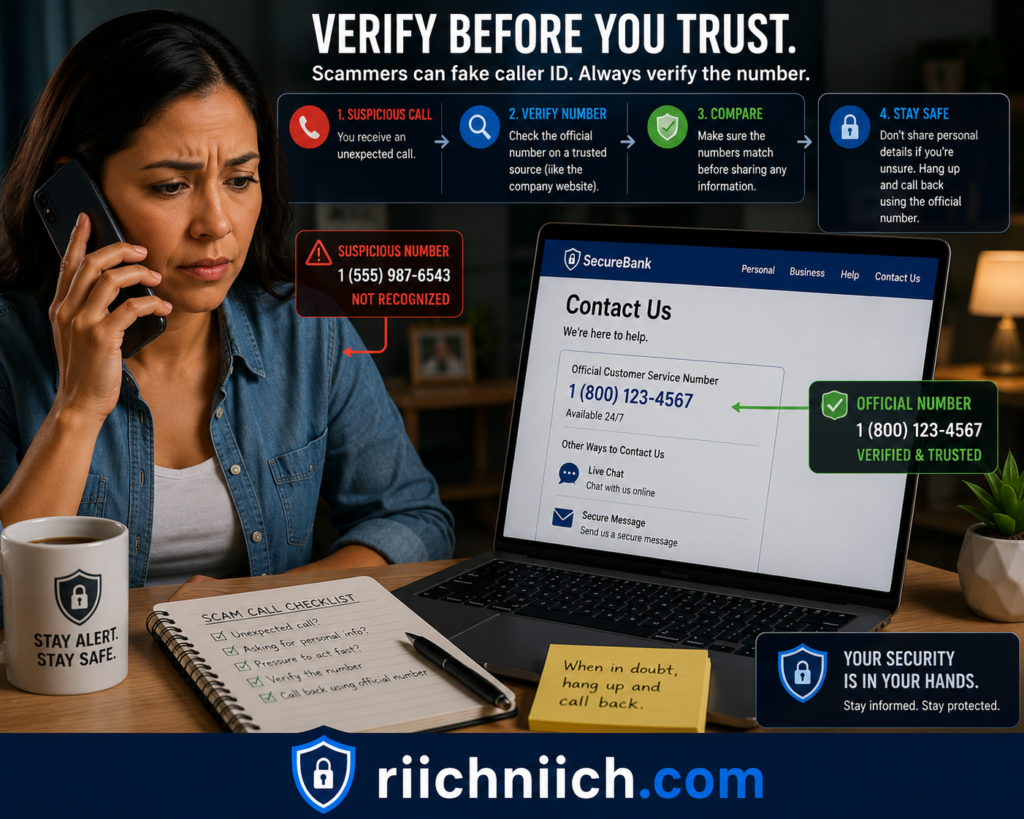
A caller may claim to represent your bank, credit card company, or even a government agency. They may already know some of your personal information from the data breach, making the conversation seem legitimate.
Never provide:
- Passwords
- One-time verification codes
- Multi-factor authentication codes
- Bank account numbers
- Social Security numbers
If you’re unsure whether the request is legitimate, hang up and contact the organization using the official phone number listed on its website.
Continue Practicing Safe Online Habits
Recovering from a breach doesn’t end after completing the initial security steps.
Continue to:
- Verify unexpected emails before responding.
- Avoid clicking unfamiliar links.
- Download attachments only from trusted sources.
- Keep your browser and devices updated.
- Use strong, unique passwords.
- Leave multi-factor authentication enabled.
- Review security alerts from your financial institutions.
These habits can significantly reduce the likelihood of becoming a victim of follow-up phishing attacks.
Stay One Step Ahead of Cybercriminals
Cybercriminals constantly adapt their tactics after major breaches, often launching phishing campaigns within days of public announcements.
To better recognize these attacks, read our complete guide on How Phishing Scams Work and learn the warning signs before scammers can trick you.
If you’re following what to do after a data breach, maintaining a healthy level of skepticism toward unexpected communications is one of the best ways to protect yourself. Combined with identity monitoring, credit protection, secure passwords, and ongoing account monitoring, recognizing phishing attempts helps prevent attackers from turning one breach into a much larger identity theft incident.
Common Mistakes to Avoid After a Data Breach
Knowing what to do after a data breach is only half the battle. Avoiding common mistakes is just as important. Many people unknowingly make decisions that leave them vulnerable to identity theft, financial fraud, or additional cyberattacks long after the original breach has occurred.
By recognizing these mistakes early, you can better protect your personal information and reduce the likelihood of future problems.
Ignoring the Data Breach Notification
One of the biggest mistakes is assuming a breach doesn’t affect you because nothing has happened yet.
Criminals often wait weeks or months before using stolen information. Ignoring a breach notification may cause you to miss the opportunity to secure your accounts before identity theft occurs.
Always review the notification carefully and determine exactly what information was exposed.
Reusing the Same Passwords
Changing one password isn’t enough if you’ve used that password elsewhere.
If hackers obtain one password, they often attempt to use it on:
- Email accounts
- Banking websites
- Shopping accounts
- Social media platforms
- Streaming services
Using unique passwords for every account significantly reduces the impact of stolen credentials.
Waiting Too Long to Take Action
Many victims delay taking action because they believe the breach “probably isn’t serious.”
Unfortunately, every day you wait gives cybercriminals more time to:
- Access your accounts
- Commit identity theft
- Open fraudulent credit accounts
- Launch phishing attacks
- Sell your personal information
The sooner you begin following what to do after a data breach, the more opportunities you have to stop fraud before it escalates.
Forgetting to Monitor Your Credit
Checking your bank account alone isn’t enough.
Identity thieves often use stolen information to open new credit cards or loans that don’t appear in your existing financial accounts.
Continue reviewing your credit reports and watch for:
- Unknown credit inquiries
- New accounts
- Unexpected address changes
- Collection notices
- Sudden drops in your credit score
These may be some of the earliest signs of identity theft.
Falling for Follow-Up Phishing Scams
Data breaches are often followed by phishing campaigns targeting affected customers.
Be cautious of emails, text messages, or phone calls requesting:
- Passwords
- Verification codes
- Payment information
- Social Security numbers
- Account logins
Always verify requests directly with the organization before responding.
Relying on Only One Security Measure
Many people believe changing their password or freezing their credit is enough.
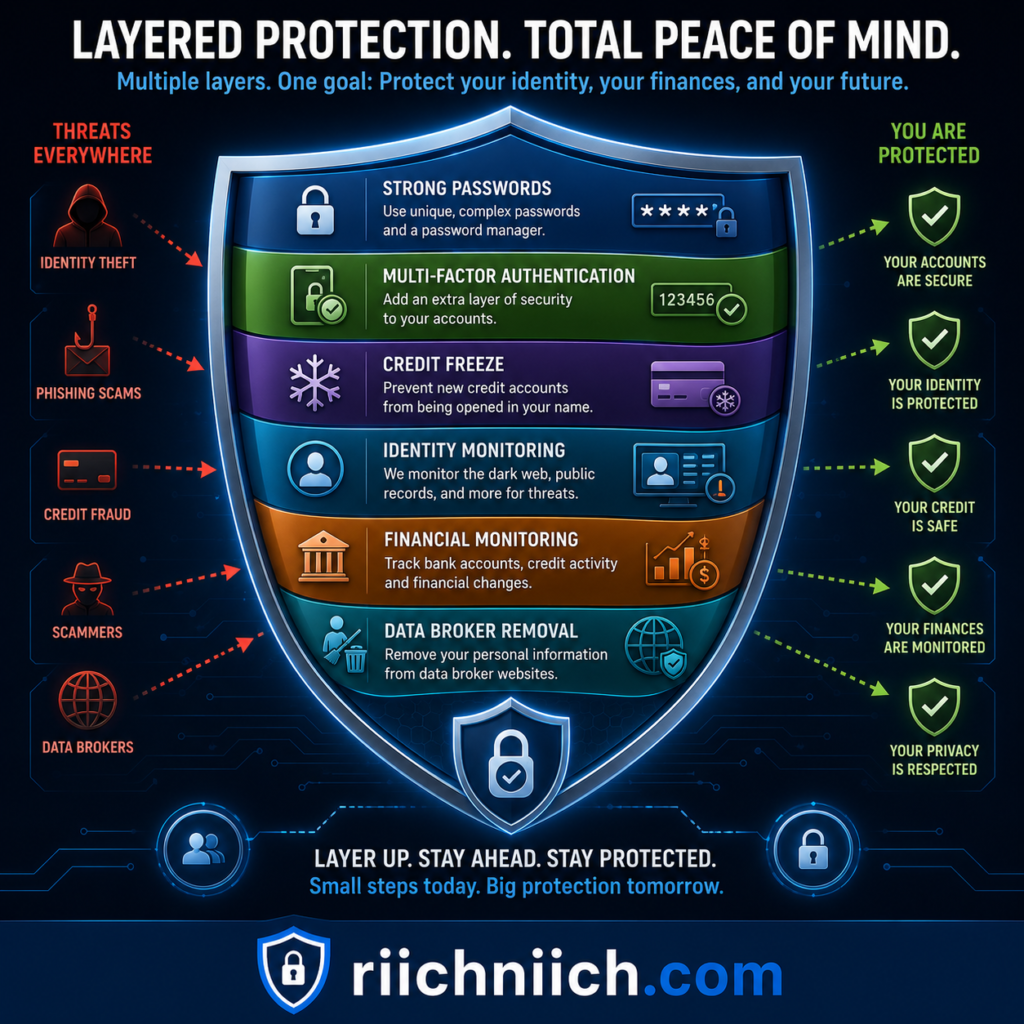
The strongest protection comes from combining multiple security layers, including:
- Strong, unique passwords
- Multi-factor authentication
- Credit monitoring
- Identity monitoring
- Credit freezes when appropriate
- Regular account reviews
- Data broker removal
Each layer makes it more difficult for criminals to misuse your personal information.
Overlooking Your Online Privacy
After a breach, many people secure their accounts but forget about the large amount of personal information already available online.
Information found on people-search websites and data broker platforms can help criminals:
- Verify your identity
- Answer security questions
- Create convincing phishing attacks
- Target family members
- Build detailed identity profiles
Reducing your online exposure is an important part of a long-term security strategy.
Our guide on How to Remove Your Personal Information From the Internet explains additional steps you can take to reduce your online footprint and improve your privacy.
Not Using Identity Monitoring After a Major Breach
If highly sensitive information such as your Social Security number or financial account information was exposed, relying entirely on manual monitoring may leave gaps in your protection.
Identity monitoring services can automatically alert you to:
- New credit activity
- Identity theft attempts
- Dark web exposure
- Personal information changes
- Suspicious financial activity
If you’re deciding what to do after a data breach, combining proactive security habits with continuous identity monitoring can help you detect threats much earlier and respond before significant damage occurs.
Avoiding these common mistakes can greatly reduce your chances of becoming a long-term victim of identity theft. The goal isn’t simply to recover from one breach—it’s to build stronger security habits that continue protecting your identity long after the incident is over.
When Should You Consider Identity Theft Protection?
If you’re following the steps in what to do after a data breach, you may be wondering whether identity theft protection is really necessary. While not everyone needs a paid service, it can provide valuable protection if the breach exposed highly sensitive personal information or if you want continuous monitoring without doing everything manually.
Identity theft protection doesn’t prevent a data breach from happening, but it can help you detect suspicious activity sooner and provide assistance if your identity is stolen.
Identity Theft Protection May Be Worth Considering If…
You may benefit from an identity theft protection service if the breach exposed your:
- Social Security number
- Driver’s license number
- Passport information
- Financial account information
- Date of birth
- Medical records
- Multiple pieces of personally identifiable information
You should also consider additional protection if you’ve already experienced identity theft, receive frequent fraud alerts, or have multiple online financial accounts to monitor.
The more sensitive the exposed information, the greater the potential benefit of continuous monitoring.
What Features Should You Look For?
Not all identity theft protection services offer the same level of protection.
Look for features such as:
- Credit monitoring
- Identity monitoring
- Dark web monitoring
- Fraud alerts
- Financial account monitoring
- Social Security number monitoring
- Identity theft insurance
- Identity restoration assistance
- Lost wallet assistance
- Real-time security notifications
Having these features in one service can simplify your response after a breach and reduce the amount of manual monitoring you need to perform.
Identity Monitoring Complements the Steps You’ve Already Taken
By now you’ve learned what to do after a data breach, including:
- Changing passwords
- Enabling multi-factor authentication
- Reviewing financial accounts
- Checking your credit reports
- Freezing your credit when appropriate
- Placing a fraud alert if necessary
- Removing personal information from data broker sites
Identity theft protection doesn’t replace these security measures—it strengthens them by providing ongoing monitoring and alerting you if new threats appear.
Instead of waiting until fraud is discovered manually, you can receive notifications much sooner, allowing you to respond before significant financial damage occurs.
Recovery Assistance Can Save Time and Stress
One of the most valuable benefits of identity theft protection isn’t just monitoring—it’s access to recovery specialists.
If your identity is stolen, many services provide:
- Step-by-step recovery guidance
- Help contacting creditors
- Assistance filing fraud reports
- Identity restoration support
- Help replacing important documents
- Insurance for certain eligible expenses related to identity theft
For many people, having professional assistance during a stressful situation is just as valuable as receiving early alerts.
Which Type of User Benefits the Most?
Identity theft protection may be especially valuable for:
- Families managing multiple identities
- Seniors who may be targeted by scams
- Frequent online shoppers
- People who bank online regularly
- Individuals affected by multiple data breaches
- Anyone with significant financial accounts or investments
If you’ve been involved in several breaches over the years, ongoing monitoring becomes increasingly valuable because criminals often combine information from multiple incidents.
Is It Worth the Cost?
The answer depends on your personal risk level.
If only your email address was exposed and you’ve already secured your accounts, manual monitoring may be enough.
However, if sensitive personal information was compromised, an identity theft protection service can provide continuous monitoring, early fraud detection, and recovery assistance that many people find worthwhile.
If you’re deciding what to do after a data breach, identity theft protection can serve as an additional layer of security rather than a replacement for good cybersecurity habits. Combined with strong passwords, multi-factor authentication, credit monitoring, and regular account reviews, it helps create a more comprehensive defense against identity theft.
If you’re still unsure whether these services are necessary, read our article Is Identity Theft Protection Worth It? to understand the benefits and potential drawbacks before making a decision.
Frequently Asked Questions About What to Do After a Data Breach
How do I know if my information was exposed in a data breach?
Many companies notify affected customers by email, letter, or through their official website after discovering a security incident. You can also check whether your email address has appeared in known breaches using trusted resources such as Have I Been Pwned.
If you receive a breach notification, carefully review what information was exposed so you can decide what to do after a data breach and prioritize the appropriate security steps.
What should I do immediately after a data breach?
The first actions should include:
- Confirm what information was exposed.
- Change your passwords immediately.
- Enable multi-factor authentication.
- Review your financial accounts.
- Check your credit reports.
- Consider freezing your credit if sensitive information was compromised.
- Watch for phishing scams.
Acting quickly reduces the chances of identity theft and financial fraud.
Should I freeze my credit after a data breach?
If the breach exposed your Social Security number, driver’s license number, date of birth, or other highly sensitive personal information, freezing your credit is often one of the best protective measures.
A credit freeze helps prevent criminals from opening new credit accounts in your name by restricting access to your credit reports.
Can a data breach lead to identity theft?
Yes. While not every breach results in identity theft, exposed personal information can be used to:
- Open fraudulent credit accounts
- Access existing financial accounts
- Commit tax fraud
- File fraudulent insurance claims
- Conduct phishing attacks
- Impersonate you online
This is why learning what to do after a data breach is so important, even if you haven’t noticed any suspicious activity yet.
How long should I monitor my accounts after a data breach?
Continue monitoring your financial accounts, credit reports, and identity for several months after the breach.
In some cases, stolen information isn’t used until much later. If highly sensitive information was exposed, maintaining long-term monitoring can help you detect fraud before it causes significant financial damage.
Should I change all of my passwords?
Yes—especially if your password was exposed or reused across multiple websites.
Start with your:
- Email accounts
- Banking accounts
- Credit card accounts
- Password manager
- Shopping websites
- Social media accounts
Using unique passwords together with multi-factor authentication provides much stronger protection than changing a single password.
Is identity theft protection worth it after a data breach?
It depends on the type of information that was exposed.
If only your email address was compromised, manual monitoring may be enough.
However, if the breach included your Social Security number, financial account information, or multiple forms of personal information, identity theft protection can provide:
- Identity monitoring
- Credit monitoring
- Dark web monitoring
- Fraud alerts
- Identity restoration assistance
These features can help you detect threats earlier and simplify the recovery process if identity theft occurs.
Can hackers still use my information months after a data breach?
Yes.
Cybercriminals frequently store or sell stolen information before using it. Some identity theft cases don’t occur until months—or even years—after the original breach.
This is why what to do after a data breach includes ongoing monitoring, reviewing your credit reports, staying alert for phishing scams, and maintaining strong account security long after the initial incident.
What’s the difference between a fraud alert and a credit freeze?
A fraud alert asks lenders to verify your identity before issuing new credit.
A credit freeze goes further by restricting access to your credit reports, making it much harder for criminals to open new accounts in your name.
For individuals whose sensitive personal information was exposed, a credit freeze generally provides stronger protection.
Can removing my information from data broker sites help?
Yes.
While removing your information won’t reverse a data breach, it can reduce the amount of publicly available personal information that criminals can collect.
Limiting your exposure on people-search websites and data broker platforms makes it more difficult for attackers to combine information from multiple sources to commit identity theft or create convincing phishing scams.
For additional answers about responding to data breaches and protecting your identity, consult the Federal Trade Commission (FTC), the Cybersecurity and Infrastructure Security Agency (CISA), and the Identity Theft Resource Center (ITRC). These organizations regularly update their guidance as cybersecurity threats continue to evolve.
Final Verdict: What to Do After a Data Breach
Experiencing a data breach can feel overwhelming, but taking the right actions quickly can significantly reduce your risk of identity theft and financial fraud. The key is not to panic—but to respond with a clear plan.
If you’re wondering what to do after a data breach, start by confirming exactly what information was exposed. Then immediately secure your accounts by changing your passwords, enabling multi-factor authentication, reviewing your financial accounts, checking your credit reports, and freezing your credit if sensitive personal information was compromised.
Remember that protecting yourself doesn’t end after the first few days. Criminals often wait weeks or even months before using stolen information. Continuing to monitor your identity, watch for phishing scams, and reduce your online exposure through data broker removal can help you stay one step ahead of future threats.
If the breach included your Social Security number, banking information, driver’s license, or multiple pieces of personal information, it may also be worth considering an identity theft protection service. The best services provide ongoing identity monitoring, credit monitoring, dark web monitoring, fraud alerts, identity restoration assistance, and identity theft insurance—helping you detect suspicious activity much earlier than manual monitoring alone.
For many people, the combination of proactive security habits and continuous monitoring offers the strongest long-term defense against identity theft.
👉 If you’re ready to strengthen your protection after a data breach, compare our recommended identity theft protection services to find the solution that best fits your needs, budget, and level of risk.
Recommended Next Steps
To continue strengthening your cybersecurity, we recommend reading:
- How to Protect Your Personal Data Online
- How to Protect Yourself from Identity Theft
- How to Know If Someone Stole Your Identity
- What Personal Information Do Hackers Want Most?
- Credit Freeze vs. Credit Lock
These resources will help you build a complete personal cybersecurity strategy while reducing the chances of becoming a victim of future identity theft.
If you’re ready to add another layer of protection after following what to do after a data breach, comparing reputable identity theft protection services is a smart next step. Many providers combine identity monitoring, credit monitoring, dark web monitoring, and recovery support into a single service, making it easier to protect your personal information over the long term.
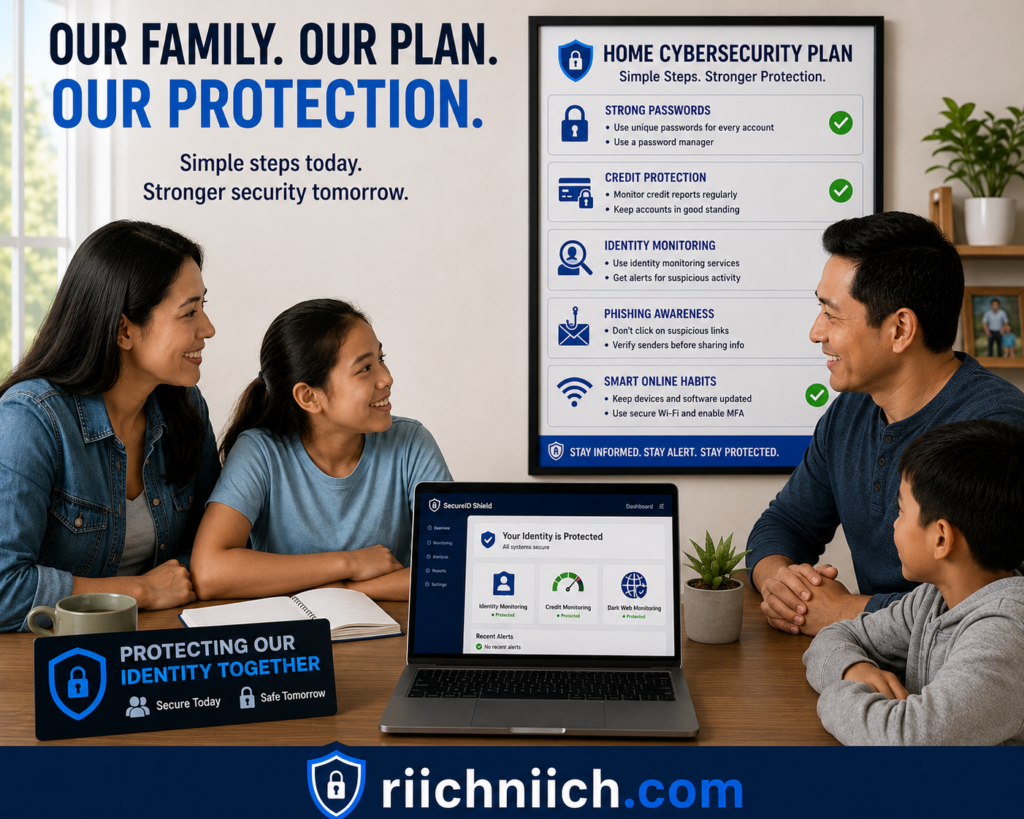
For additional guidance on data breach recovery and identity theft prevention, review trusted resources from the Federal Trade Commission (FTC), the Cybersecurity and Infrastructure Security Agency (CISA), the Consumer Financial Protection Bureau (CFPB), and the Identity Theft Resource Center (ITRC). These organizations provide reliable, up-to-date recommendations for protecting your personal information and responding to security incidents.