


Knowing how to freeze your credit can help stop identity thieves from opening new credit accounts in your name. A credit freeze is free, does not hurt your credit score, and can be placed with Equifax, Experian, and TransUnion. In this guide, you’ll learn how to freeze all three credit bureaus, what happens after your credit is frozen, how to manage your freezes, and whether additional identity theft protection is worth considering.
Table of Contents
🔥 Quick Answer: How to Freeze Your Credit
If you want to know how to freeze your credit, you need to place a separate security freeze with each of the three nationwide credit bureaus: Equifax, Experian, and TransUnion. Freezing your report with one bureau does not automatically freeze it with the other two. A credit freeze is free to place and lift, stays in effect until you remove it, and does not affect your credit score.
Once your credit reports are frozen, prospective creditors generally cannot access them. Because lenders commonly review your credit before approving a new account, a freeze can make it much harder for an identity thief to open a new credit card, loan, or other credit account using your personal information.
The basic process is straightforward: contact Equifax, Experian, and TransUnion separately, verify your identity, request a security freeze, and securely store any account information you use to manage your freezes. The Federal Trade Commission recommends contacting all three credit bureaus when freezing your credit.

A credit freeze can be especially useful if your Social Security number or other sensitive personal information was exposed in a data breach, your identifying documents were stolen, or you have reason to believe someone could attempt to use your identity. You don’t have to wait until identity theft happens to freeze your credit—it can also be used as a preventive security measure.
However, freezing your credit should be viewed as one layer of identity protection rather than complete protection. It is primarily designed to restrict access to your credit reports and help stop unauthorized new credit accounts. It does not monitor every way criminals can misuse stolen personal information.
That is where additional monitoring can become valuable. If your information has already been compromised—or you simply want broader protection—you may want to combine a credit freeze with regular credit-report checks, financial account monitoring, dark web monitoring, and identity theft alerts. Paid identity theft protection services can also add monitoring and recovery assistance, but the features and level of protection vary by provider.
Learning how to freeze your credit gives you direct control over one of the most important entry points criminals may try to use when committing financial identity theft. By freezing all three credit reports and continuing to monitor your identity afterward, you can build a stronger defense instead of relying on a credit freeze alone.
What Is a Credit Freeze?
A credit freeze, also called a security freeze, restricts prospective creditors from accessing your credit file. Because most lenders want to review your credit before approving a new credit card or loan, restricting that access can make it much harder for an identity thief to open a new credit account using your personal information.
Think of your credit report like a file stored behind a security gate. Your existing credit history remains inside the file, but the gate blocks prospective creditors from accessing it for new credit applications until you choose to lift the freeze.
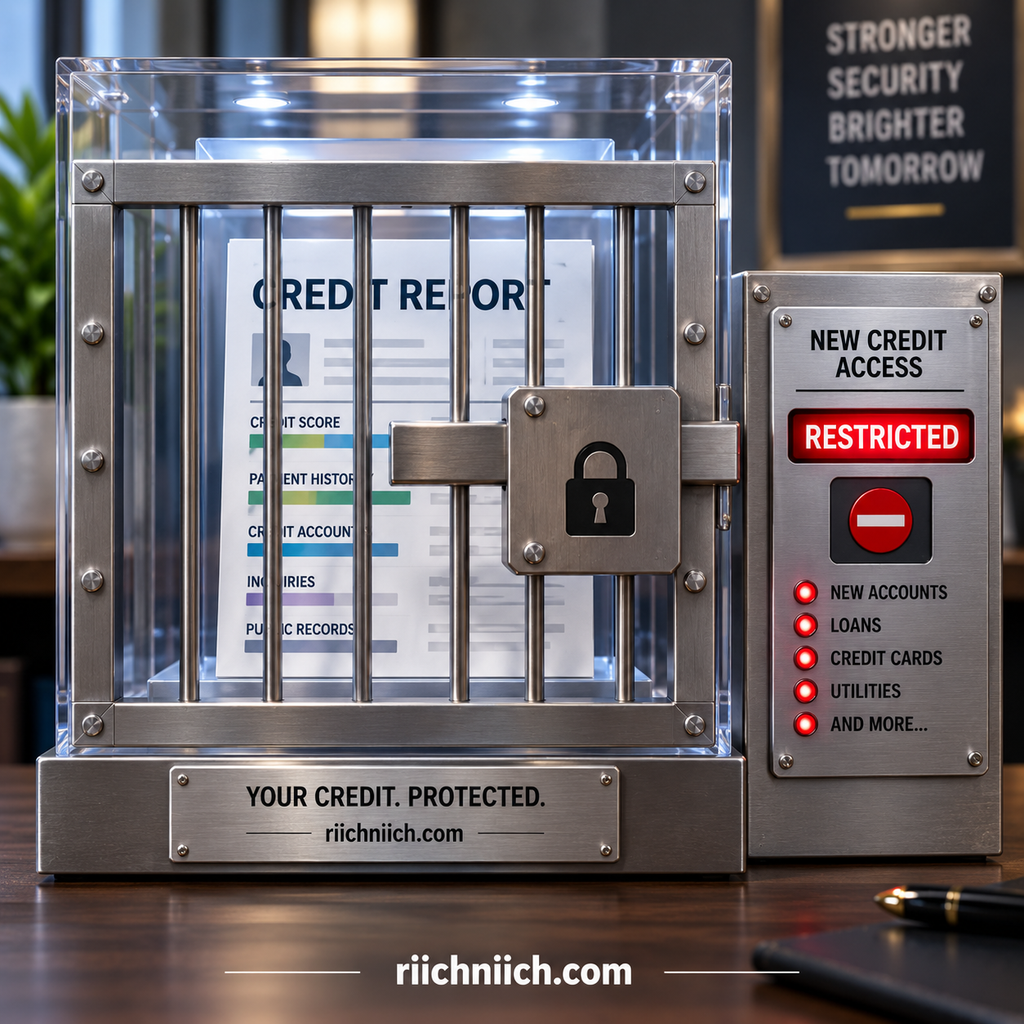
If you’re researching how to freeze your credit, it’s important to understand that a freeze does not erase your credit history, close your existing credit cards, or remove information from your credit report. You can also continue reviewing your own credit reports while the freeze is active.
A credit freeze is available to anyone—you don’t need to prove that you’ve already experienced identity theft. It can be used proactively or after sensitive information such as your Social Security number has been exposed. Under federal law, freezing and unfreezing your credit with the three nationwide credit reporting companies is free.
This makes a security freeze one of the strongest free layers of protection you can add to your credit file. However, it shouldn’t be mistaken for complete identity theft protection. A freeze is primarily focused on stopping unauthorized new credit accounts; it does not stop a criminal from making fraudulent charges on an existing account they have already compromised.
For people concerned about broader identity theft risks, that distinction matters. A credit freeze can restrict access to your credit file, while credit monitoring or identity theft protection services may provide additional monitoring and alerts for suspicious activity. The CFPB cautions that monitoring services themselves cannot prevent every form of identity theft, so paid protection should be considered an additional layer rather than a replacement for freezing your credit.
Understanding what a credit freeze actually does is the first step. The next step is understanding how it works behind the scenes and why restricting access to your credit file can help protect your identity.
How Does a Credit Freeze Work?
A credit freeze works by restricting prospective creditors from accessing your credit file. When a lender cannot review your credit report, it will generally not approve a new credit account in your name. This creates a barrier that can help stop an identity thief who has your personal information from using it to open fraudulent credit cards or loans.
If you’re learning how to freeze your credit, think of a security freeze as putting an access control on your credit file rather than shutting down your credit entirely. Your credit history still exists, your existing accounts remain open, and certain organizations may still have access to your file. The Consumer Financial Protection Bureau notes (CFPB) that existing creditors, certain government entities, and companies you’ve authorized to monitor your credit may still be able to access it.

The protection becomes especially useful when a criminal has enough information to impersonate you. For example, someone might have your name, Social Security number, date of birth, and address and attempt to apply for credit in your name. If the lender tries to pull a frozen credit report, access is restricted, creating an obstacle to completing the fraudulent application.
However, one credit freeze does not automatically cover every nationwide credit bureau. To get the broadest protection across your major credit files, you need to place a security freeze separately with Equifax, Experian, and TransUnion. The CFPB confirms that freezing your report with one bureau does not cause that bureau to notify the other two.
A freeze also doesn’t mean you’re permanently giving up access to new credit. When you legitimately need a lender to review your credit, you can temporarily lift the appropriate freeze and restore it afterward. This gives you control over when your credit file is available for a new credit application.
For someone worried about identity theft, a credit freeze can therefore serve as a powerful preventive layer, but it doesn’t monitor everything criminals might do with stolen information. A thief could still attempt fraud involving an existing compromised account, which is why monitoring your bank accounts, credit cards, credit reports, and identity remains important even after your credit files are frozen.
That distinction is also important when considering paid identity theft protection. A credit freeze restricts access to your credit file, while a more comprehensive identity protection service may monitor additional signs of potential identity misuse and provide alerts or recovery assistance. If you’re deciding whether additional protection is worth paying for, look at what the service monitors beyond your credit reports rather than assuming it replaces the protection provided by a security freeze.
Understanding how to freeze your credit and how the freeze actually works gives you more control over your identity protection strategy. Instead of waiting for a suspicious new account to appear, you’re putting a barrier in place that can make certain forms of new-account identity theft considerably more difficult.
Why Freezing Your Credit Can Help Protect Your Identity
Identity thieves do not necessarily need access to your bank account to cause financial damage. If they obtain enough personal information—such as your name, Social Security number, date of birth, and address—they may attempt to impersonate you and apply for new credit in your name.
A credit freeze helps defend against this type of identity theft by restricting prospective creditors from accessing your credit file. Since most businesses will not approve a new credit account without checking a consumer’s credit report, a security freeze can create a significant roadblock for someone trying to use stolen information to open an account.
If you’re learning how to freeze your credit because your personal information may have been compromised, this protection can be particularly valuable. The FTC specifically recommends considering a credit freeze when dealing with situations such as identity theft, a lost wallet, or a data breach. You can also freeze your credit proactively before anything happens.

One of the biggest advantages is that freezing your credit puts an important part of the approval process back under your control. A criminal may possess stolen personal information, but that does not automatically give them unrestricted access to your credit file. With a freeze in place, prospective creditors generally cannot access that file until the freeze is lifted.
That matters because stolen information can sometimes remain useful to criminals long after the original exposure. If your Social Security number was compromised, for example, you cannot simply change it as easily as you would change a password. A security freeze can provide an ongoing barrier against certain types of new-account fraud because it remains in place until you choose to lift it.
However, a credit freeze should be treated as one layer of identity protection, not a complete solution. The CFPB notes that a security freeze does not prevent an identity thief from taking over an existing account. You should still watch your bank and credit card accounts, review your credit reports, use strong account security, and respond quickly to suspicious activity.
For additional ways to strengthen the rest of your defenses, see our guide on how to protect yourself from identity theft, including steps you can take beyond freezing your credit.
This is also where paid identity theft protection may provide additional value for some consumers. Depending on the service, you may receive broader identity monitoring, alerts, dark web monitoring, and recovery assistance. A credit freeze and identity theft protection therefore serve different purposes: one restricts access to your credit file, while the other may help you detect and respond to suspicious activity involving your personal information.
Knowing how to freeze your credit gives you a powerful preventive tool that does not require waiting for identity theft to happen first. Combined with ongoing monitoring and good account security, it can become an important part of a broader strategy for protecting your identity and financial information.
When Should You Freeze Your Credit?
You do not have to wait until identity theft happens before freezing your credit. Anyone can place a security freeze at any time, and the Federal Trade Commission specifically notes that you can do so even if your identity has never been stolen.
However, there are certain situations when placing a credit freeze becomes especially important. If you’re researching how to freeze your credit, consider taking action when:
- Your Social Security number or other sensitive personal information has been exposed.
- You’ve received a notice that your information was involved in a data breach.
- Your wallet, driver’s license, Social Security card, or other important identity documents have been lost or stolen.
- You’ve discovered an unfamiliar account or credit inquiry.
- You believe someone has already stolen or attempted to use your identity.
- You want to proactively make it harder for criminals to open new credit accounts in your name.
The FTC specifically identifies identity theft, a lost wallet, and a data breach as situations where a credit freeze can be particularly helpful. A recent example is the 153 million driver’s license data breach, which shows why protecting your credit can become especially important when sensitive identifying information may have been exposed.
You may also want to freeze your credit before there is any sign of fraud. Criminals cannot misuse information they don’t have, but it can be difficult to know exactly where your personal information has ended up after years of online accounts, purchases, applications, and data breaches. A security freeze provides a preventive barrier by restricting prospective creditors from accessing your credit file.
This can be particularly valuable when highly sensitive information has been exposed. A compromised password can be changed relatively easily. Information such as your Social Security number, date of birth, and other identifying details can be much harder to replace, making long-term protection more important.
If identity theft has already happened, freezing your credit becomes only one part of the response. The CFPB recommends that identity-theft victims take additional steps such as closing compromised accounts, contacting financial institutions, reporting the theft through IdentityTheft.gov, and protecting their credit history and finances.
There is also a practical reason to consider your upcoming financial plans. A security freeze restricts prospective creditors from accessing your credit file, so you’ll need to manage the freeze when legitimate access is required for certain credit applications. Fortunately, federal law allows you to place and lift security freezes for free.
For consumers who want broader protection, freezing your credit can also be combined with ongoing monitoring. Identity theft protection services may watch for suspicious activity beyond a standard credit report and can offer features such as alerts and recovery assistance. These services should complement—not replace—the free protections you can put in place yourself.
Knowing how to freeze your credit is therefore useful both before and after your personal information is compromised. The goal is not simply to react to fraud after it appears. A credit freeze gives you another barrier that can make it harder for stolen personal information to be turned into fraudulent new credit accounts.
What Information Do You Need to Freeze Your Credit?
Before learning how to freeze your credit, it helps to gather the personal information the credit bureaus may need to confirm that you are actually the person requesting the security freeze. Identity verification is an important part of the process because a credit bureau should not allow someone else to take control of your credit file.
The exact verification process can vary, but you should be prepared to provide information such as:
- Your full legal name
- Your Social Security number
- Your date of birth
- Your current address
- Previous addresses, when requested
- Contact information such as your phone number or email address
Because your Social Security number can be particularly valuable to identity thieves, you should also know how to protect your Social Security number before it becomes part of an identity fraud attempt.
Federal identity-verification rules allow consumer reporting agencies to use information such as a consumer’s full name, current or recent addresses, Social Security number, and date of birth to match the person requesting access with the correct credit file.
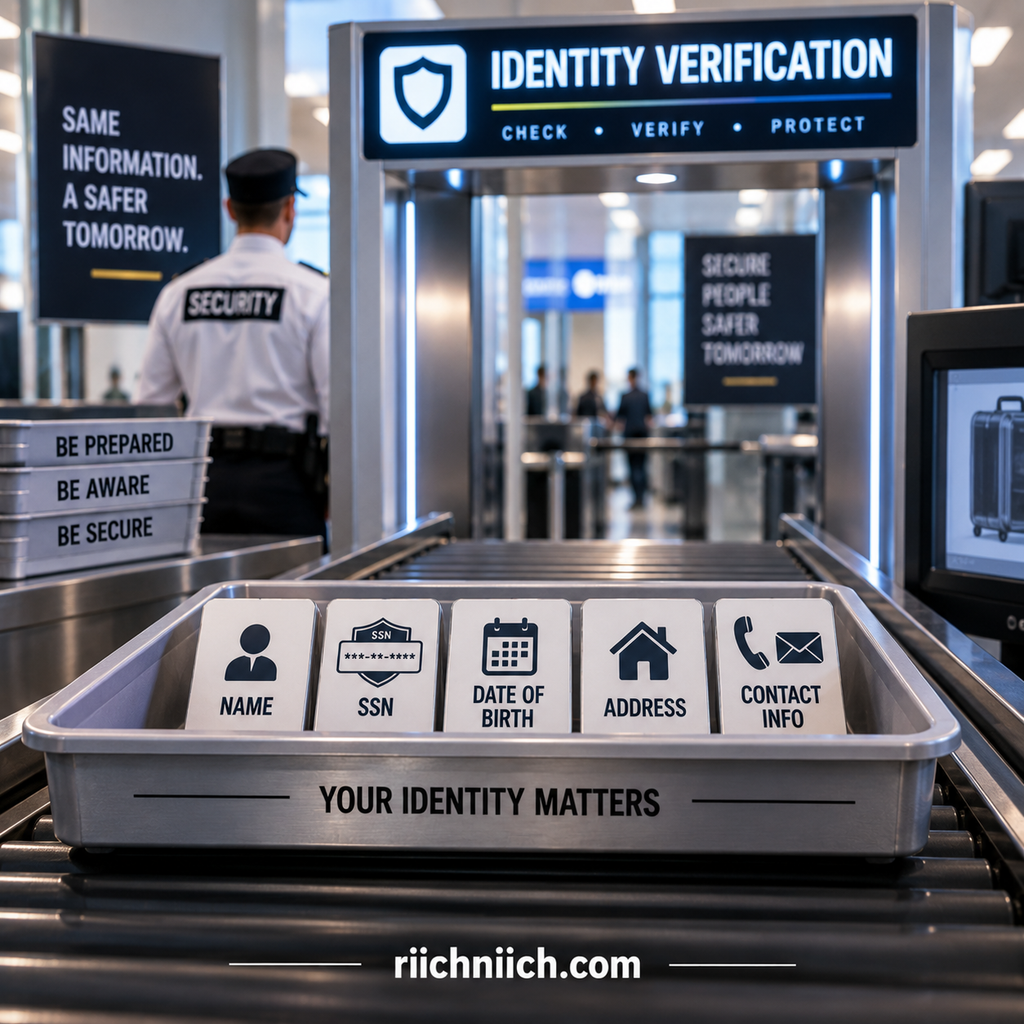
Depending on how you submit your request and whether the bureau can verify you electronically, you may be asked for additional proof of identity. This could include a copy of a government-issued ID, a utility bill, or answers to authentication questions based on information associated with you. Federal regulations specifically recognize these types of documents and authentication methods as possible ways for a consumer reporting agency to verify identity.
This is also why you should only provide sensitive information through a credit bureau’s legitimate website, phone system, or other official channel. If you receive an unexpected email or text telling you to provide your Social Security number to “activate” a credit freeze, don’t automatically trust the link. Instead, navigate to the credit bureau through a known official source.
You also do not need to prove that you’re already an identity-theft victim just to place a security freeze. Consumers have the right to freeze their credit, and you must contact Equifax, Experian, and TransUnion separately if you want the freeze applied across all three nationwide credit reporting companies.
Before starting, having your identification information ready can make the process smoother. But don’t gather more sensitive documents than you actually need or send copies somewhere simply because a website asks for them. Verify that you’re dealing with the legitimate credit bureau first and provide only the information required for its identity-verification process.
Once you have your information ready, how to freeze your credit becomes much easier: you’ll work through each of the three credit bureaus individually, verify your identity, and place the security freeze on each credit file.
How to Freeze Your Credit at All Three Credit Bureaus
How to Freeze Your Credit With Equifax
If you’re learning how to freeze your credit, Equifax is one of the three nationwide credit reporting companies you’ll need to contact. Placing a security freeze with Equifax restricts access to your Equifax credit report for most new-credit applications, which can make it harder for an identity thief to open a new credit account in your name.
You can manage an Equifax security freeze online through a myEquifax account. Equifax states that placing, temporarily lifting, and permanently removing a security freeze is free.
To place your Equifax credit freeze online:
- Go to Equifax’s official security freeze service and sign in or create a myEquifax account.
- Follow the prompts to verify your identity.
- Select the option to place a security freeze on your Equifax credit report.
- Complete the request and confirm that your Equifax file shows as frozen.
- Keep your myEquifax login information secure because you’ll use your account if you need to manage the freeze later.
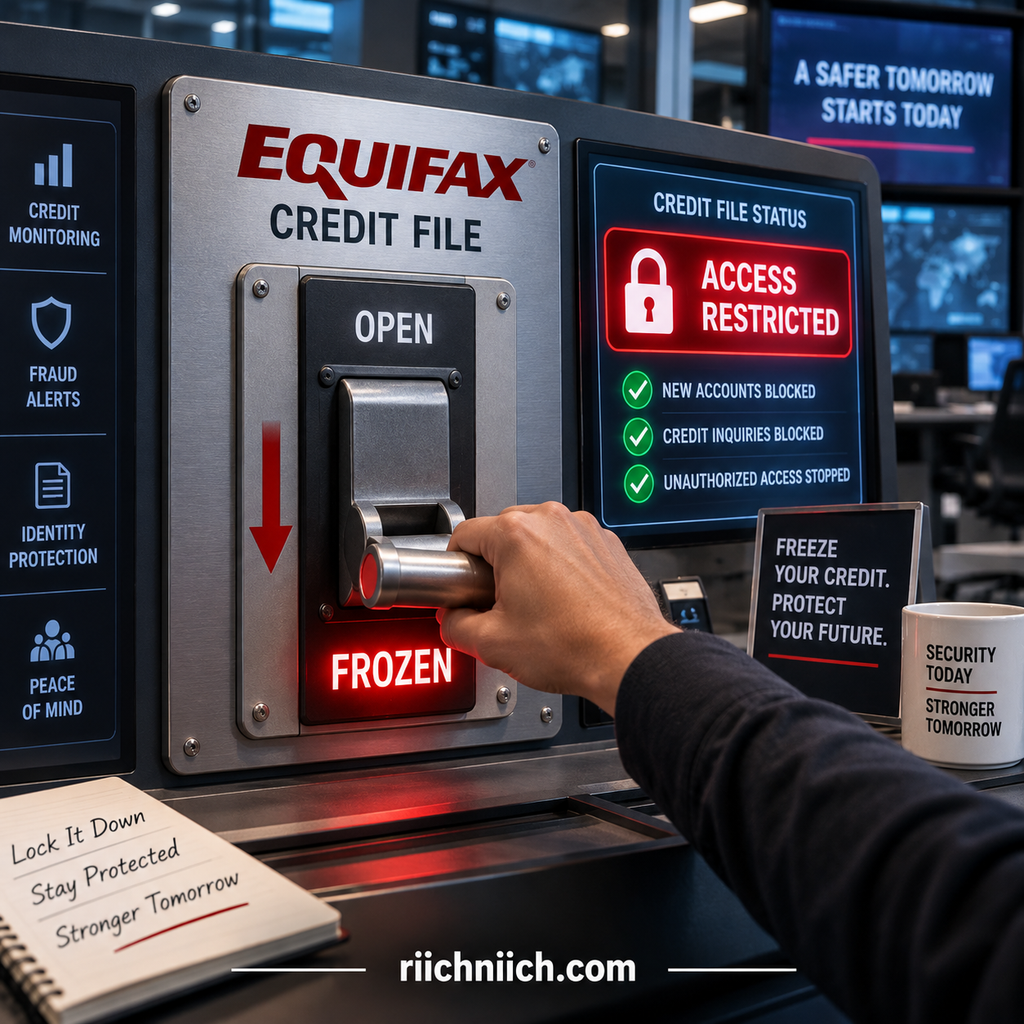
Equifax also provides a mail-in option. Its security freeze request form asks for identifying information such as your name, address, Social Security number, and date of birth, along with documentation to verify your identity and current address.
The important thing to remember is that an Equifax credit freeze protects only your Equifax credit file. It does not automatically freeze your Experian or TransUnion reports. The CFPB confirms that you must contact each nationwide credit reporting company separately if you want security freezes across all three.
This distinction is especially important if you’re freezing your credit because your Social Security number or other sensitive information has been compromised. Stopping after Equifax could leave your other major credit files available to prospective creditors.
For stronger protection, how to freeze your credit should involve securing all three nationwide credit reports individually. Once your Equifax freeze is confirmed, continue with Experian and TransUnion so that you’re not relying on a single credit bureau to protect against fraudulent new-credit applications.
How to Freeze Your Credit With Experian
Experian is the second nationwide credit bureau you’ll need to secure when learning how to freeze your credit. An Experian credit freeze limits access to your Experian credit report, which can make it more difficult for an identity thief to use stolen personal information to open a new credit card or loan in your name.
Experian allows consumers to place and manage a security freeze for free through its online Freeze Center. According to Experian, the online process lets you freeze your Experian credit file in real time and manage the freeze through a free Experian account.
To place your Experian credit freeze online:
- Visit Experian’s official Freeze Center.
- Sign in to your existing Experian account or create a free account.
- Complete any required identity verification.
- Locate the security freeze controls for your Experian credit file.
- Select the option to freeze your credit file.
- Verify that your Experian credit report now shows as frozen.

Experian also accepts security-freeze requests by phone or mail. If you’re handling the request without your online Experian account, be prepared to provide identifying information such as your full name, date of birth, Social Security number, current address, and contact information. Experian may also use questions about information associated with you to verify your identity.
Once the freeze is active, Experian says you can manage it through your account without a PIN. You can later remove the freeze or schedule a temporary thaw when you legitimately need a creditor to access your Experian report.
Remember that freezing your Experian credit report does not freeze your Equifax or TransUnion credit files. The CFPB states that consumers must contact each of the three nationwide credit reporting companies separately to place security freezes across all three reports.
This is especially important if you’re protecting yourself after a data breach, stolen Social Security number, or suspected identity theft. A criminal attempting to obtain new credit may encounter different credit bureaus depending on which lender processes the application, so securing only one credit file leaves an unnecessary gap.
If you are considering paid identity monitoring or identity theft protection after securing your credit, think of it as an additional layer, not a substitute for the free security freeze. Monitoring services may help alert you to suspicious activity, while your Experian credit freeze serves a different purpose: restricting access to your Experian credit file for many new-credit applications.
Once Experian is secured, you’re another step closer to completing how to freeze your credit across all three nationwide credit bureaus. The remaining goal is to make sure your TransUnion credit file receives the same protection so that all three major credit reports are covered.
How to Freeze Your Credit With TransUnion
TransUnion is the third nationwide credit bureau you’ll need to secure when learning how to freeze your credit. A TransUnion credit freeze restricts most prospective creditors from accessing your TransUnion credit file, creating another barrier against criminals attempting to open new credit accounts using your identity.
TransUnion allows you to place and manage a security freeze for free through its online Service Center. You can create a free account if you don’t already have one, and TransUnion states that adding, temporarily lifting, and removing a freeze are all free.
To freeze your TransUnion credit report online:
- Visit the official TransUnion Credit Freeze page.
- Create a free TransUnion Service Center account or sign in to your existing account.
- Go to the Credit Freeze section.
- Select Add Freeze.
- Follow the prompts to verify your identity and continue with the request.
- Confirm that the freeze has been activated. TransUnion says it sends an email confirmation when an online freeze is successfully activated.
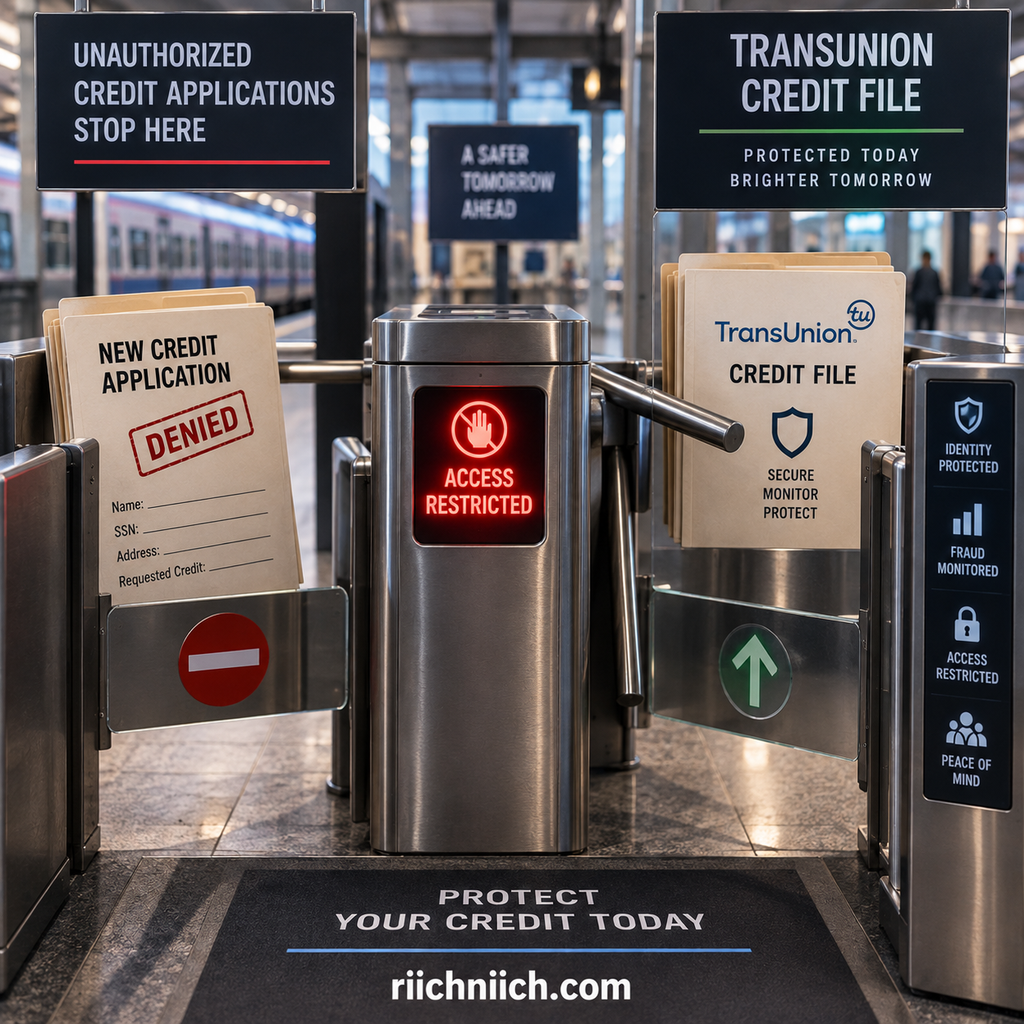
If you prefer not to manage the freeze online, TransUnion also accepts requests by phone or mail. A mailed request should include your name, address, and Social Security number, and TransUnion provides instructions for supporting identity and address documents that can help it locate your record.
Once your TransUnion credit freeze is active, it remains in place until you decide to remove it. You can also temporarily lift the freeze when legitimate access to your TransUnion credit report is needed. TransUnion allows consumers to manage these changes through the Service Center without paying a fee.
Remember that a TransUnion security freeze applies only to your TransUnion credit file. It does not automatically freeze your Equifax or Experian reports. The CFPB confirms that consumers must contact each of the three nationwide credit reporting companies individually to freeze all three credit files.
If you’ve now completed your Equifax, Experian, and TransUnion freezes, you’ve covered the three nationwide credit bureaus. This can be particularly valuable if your Social Security number or other sensitive information has been exposed because prospective creditors generally cannot access your frozen credit files to approve new credit in your name.
For broader protection, you may still want to monitor your credit reports, financial accounts, and personal information for suspicious activity. The CFPB notes that a security freeze can generally prevent new credit from being opened in your name, while credit or identity monitoring serves a different role by helping you watch for signs of potential misuse.
Completing all three bureaus is one of the most important parts of how to freeze your credit. Instead of leaving one major credit file accessible, you’re placing a security barrier across Equifax, Experian, and TransUnion—giving you a stronger foundation for protecting your identity while still keeping control over when legitimate creditors can access your reports.
What Happens After You Freeze Your Credit?
After you freeze your credit with Equifax, Experian, and TransUnion, your credit reports do not disappear or stop functioning. Instead, access to your credit files becomes restricted for most prospective creditors. This means a lender trying to process a new credit application generally will not be able to access the frozen report unless you lift the freeze.
If you’re learning how to freeze your credit, one of the most important things to understand is that your financial life continues normally in many respects. Your existing credit accounts remain open, you can continue reviewing your own credit reports, and a security freeze does not affect your credit score. Existing creditors may also continue accessing your credit file for certain purposes.

The biggest change occurs when someone tries to open new credit in your name. If a lender needs to access a frozen credit report to approve an application, the freeze can stop the normal approval process from moving forward. This is what makes a security freeze useful against criminals who have stolen enough personal information to impersonate you.
Your freeze also stays in place until you decide to remove it. You do not have to continually renew it. If you legitimately need to apply for new credit, you can temporarily lift the appropriate freeze and then restore it afterward. The FTC recommends finding out which credit bureau a lender plans to use when possible, because you may only need to temporarily lift the freeze at that bureau.
There is one important limitation: freezing your credit does not mean you can stop watching your existing accounts. A thief who gains access to an existing credit card, bank account, or other financial account may still be able to misuse it. The FTC recommends continuing to monitor your financial statements for transactions or changes you did not authorize.
This is where additional identity monitoring can become useful for consumers who want broader protection. A paid identity theft protection service may monitor for suspicious activity and provide alerts or recovery assistance that a credit freeze itself does not provide. However, those services should be evaluated based on what they actually monitor, what recovery support they include, and whether those additional features are worth the cost for you. The CFPB notes that free protections such as security freezes remain available even if you choose not to purchase an identity monitoring service.
Knowing how to freeze your credit is therefore only part of the protection strategy. Once all three credit files are frozen, keep monitoring your existing accounts and personal information. The freeze can help close an important door to new-account fraud, while continued monitoring helps you watch for identity theft that may occur through other channels.
What a Credit Freeze Can and Cannot Protect You From
A credit freeze is a powerful tool for protecting your credit file, but it is important to understand exactly what it does—and what it does not do. Knowing these limits can help you avoid assuming that your identity is completely protected once your credit reports are frozen.
When you understand how to freeze your credit, the biggest benefit is protection against new-account credit fraud. A security freeze prevents prospective creditors from accessing your credit file. Because most lenders will not approve a new credit account without reviewing your credit report, a freeze can create a major obstacle for an identity thief attempting to open an account in your name.
What a Credit Freeze Can Help Protect Against
A credit freeze can help make it harder for criminals to use your stolen personal information to:
- Open a new credit card in your name
- Apply for certain personal loans using your identity
- Obtain other new credit that requires access to your frozen credit report
- Continue certain forms of new-account identity theft after your personal information has been exposed
The FTC recommends credit freezes as a protective measure and notes that they’re particularly important when sensitive information such as your Social Security number has been exposed or misused.
If you’re concerned that your information may already have been misused, learn how to know if someone is using your identity so you can recognize suspicious activity and respond quickly.

What a Credit Freeze Cannot Protect Against
The limitation is just as important: a credit freeze does not stop every form of identity theft or fraud.
For example, a freeze does not prevent a criminal who has gained access to one of your existing financial accounts from attempting to misuse it. The FTC specifically warns that even with frozen credit, a thief may still make unauthorized charges on existing accounts.
A credit freeze also should not be relied on by itself to protect you from:
- Fraud involving an already-compromised bank or credit card account
- Phishing emails, text messages, or fake websites
- Stolen passwords and online account takeovers
- Misuse of personal information that does not require a new credit check
- Other forms of identity theft that occur outside the traditional credit system
This is why freezing your credit should be viewed as one defensive layer rather than a complete identity-security system.
Why Monitoring Still Matters After a Credit Freeze
After freezing your credit, continue monitoring your existing financial accounts and credit reports. The FTC recommends reviewing bank, credit card, and insurance statements for transactions or changes you did not authorize.
This is also where identity monitoring and identity theft protection services may provide additional value. Depending on the provider and plan, these services may monitor additional sources for signs that your personal information is being misused and may include alerts or identity recovery assistance.
However, paying for identity theft protection does not make a credit freeze unnecessary. The CFPB notes that consumers can use free measures such as security freezes even when considering monitoring services, and it cautions that credit or identity protection services cannot prevent identity theft altogether.
For stronger identity protection, think in layers: restrict access to your credit reports, secure your existing accounts, monitor for suspicious activity, and have a recovery plan in case your information is misused.
Learning how to freeze your credit gives you control over an important part of that strategy. A security freeze can make new-account credit fraud considerably harder, while your other security measures help cover the risks a credit freeze was never designed to stop.
How to Manage Your Credit Freeze
Once you’ve learned how to freeze your credit, managing the freeze is relatively simple. Your security freeze stays in place until you decide to temporarily lift or permanently remove it, so you do not need to renew it every year.
The easiest way to stay organized is to keep access to your Equifax, Experian, and TransUnion accounts secure. Because each credit bureau maintains its own credit file, you’ll manage each freeze separately. A change you make with one bureau does not automatically change the freezes at the other two.

When you need to apply for legitimate new credit, you generally have two choices: temporarily lift the freeze or remove it completely. A temporary lift is useful when you only need your credit file available for a limited period. If you know which credit bureau a lender plans to check, the FTC recommends lifting the freeze only at that bureau rather than unnecessarily opening access to all three.
For example, if you’re applying for an auto loan and the lender tells you it will check your TransUnion report, you may only need to temporarily lift your TransUnion credit freeze. Once the necessary credit check is complete, you can keep or restore the protection without permanently leaving your credit file accessible.
Federal law also requires nationwide credit bureaus to process electronic or telephone requests to lift a security freeze within one hour after receiving the request. Requests made by mail must be completed within three business days after they’re received. Placing, temporarily lifting, and removing a security freeze are free.
Be careful about permanently removing a freeze simply because you need your credit checked once. If your goal is continued protection against new-account identity theft, temporarily lifting the appropriate credit freeze may make more sense than removing the protection entirely.
Managing your freezes also doesn’t eliminate the need to review your credit reports. The CFPB recommends regularly checking reports from Equifax, Experian, and TransUnion for accuracy and completeness, particularly before major financial decisions or when you suspect identity theft.
For consumers who want additional oversight, this is where credit monitoring or identity theft protection services may complement a security freeze. A freeze restricts access to your credit file, while monitoring services can help watch for suspicious changes or other signs of potential identity misuse. If you’re considering paying for additional protection, focus on whether the service provides monitoring and recovery features that add something beyond the protections you’re already getting for free.
The most important part of managing how to freeze your credit is maintaining control. Keep all three freezes active when you don’t need new-credit access, temporarily lift only what’s necessary when a legitimate credit check is coming, and continue monitoring your identity and existing accounts afterward.
What to Do If Your Personal Information Has Already Been Exposed
If your Social Security number, driver’s license information, account credentials, or other sensitive personal data has already been exposed, acting quickly can reduce the chances that the exposure turns into identity theft. The exact response should depend on what information was compromised, but protecting your credit and accounts should be a priority.
If highly sensitive identifying information was exposed, learning how to freeze your credit can be one of the strongest immediate steps you can take. A security freeze restricts prospective creditors from accessing your credit file, making it harder for someone with your stolen information to open new credit accounts in your name. The FTC specifically recommends considering a credit freeze after a data breach, lost wallet, or identity theft.
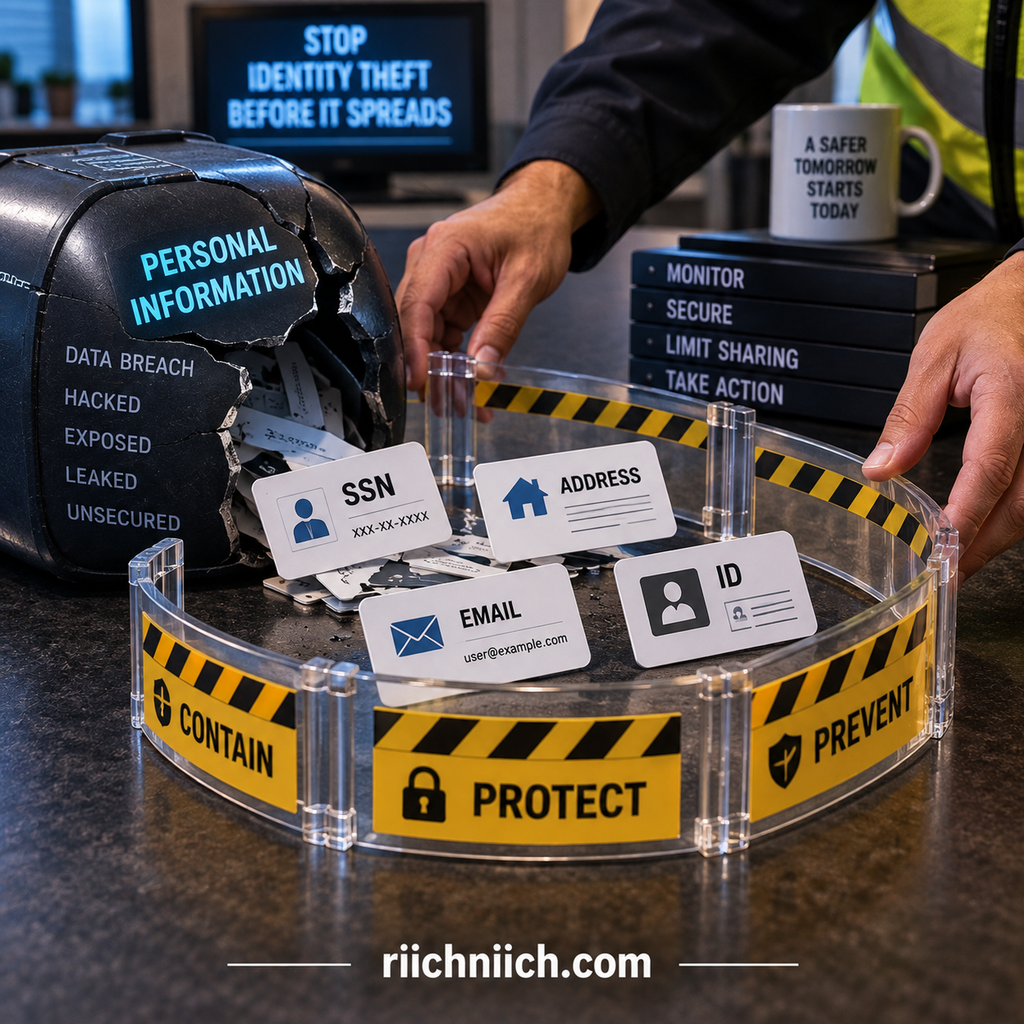
Your next steps should match the information that was exposed. If a password was compromised, change it immediately and change it anywhere else you reused it. If payment card information was exposed, contact the card issuer or financial institution. If your Social Security number or other identity information was compromised, review your credit reports for accounts or activity you don’t recognize and consider freezing your credit with Equifax, Experian, and TransUnion. The FTC provides breach-specific guidance based on the type of information involved.
If you discover evidence that someone has already used your identity, the situation moves beyond prevention and into recovery. Contact affected financial institutions, close or secure compromised accounts, and report the identity theft through IdentityTheft.gov. The FTC’s system can generate an Identity Theft Report and a personalized recovery plan based on what happened.
Don’t assume that freezing your credit means you can stop monitoring your identity. A security freeze is designed primarily to restrict access to your credit file; it does not prevent every type of identity theft or stop someone from misusing an existing compromised account. The CFPB recommends checking your credit reports when you believe you may be an identity-theft victim and reviewing them for inaccurate or unfamiliar information.
This is also where paid identity theft protection may become more useful. If sensitive information is already circulating, a service that provides credit monitoring, identity monitoring, alerts, dark web monitoring, and recovery assistance may give you additional visibility beyond a credit freeze alone. If a breached company offers you free credit monitoring or identity theft services, the FTC recommends considering the offered protection.
However, paying for monitoring should not replace the free protective steps available to you. Evaluate a service based on what it monitors, how quickly it alerts you, what recovery assistance it provides, and whether its features cover the types of information that were actually exposed.
If you discover that someone has already started misusing your information, follow these steps on what to do immediately if your identity is stolen instead of relying on a credit freeze alone.
Once personal information has been compromised, you may not be able to make the exposure disappear. What you can do is make that information harder to use successfully. Knowing how to freeze your credit, securing compromised accounts, reviewing your credit reports, monitoring for suspicious activity, and responding immediately to signs of fraud can significantly strengthen your defenses after your information has already been exposed.
You should also learn the warning signs someone stole your identity so you can recognize suspicious activity before the damage becomes more difficult to contain.
Can Identity Theft Protection Help After You Freeze Your Credit?
Yes. Identity theft protection can still provide value after you freeze your credit because a security freeze and an identity theft protection service perform different jobs.
If you’ve learned how to freeze your credit and placed freezes with Equifax, Experian, and TransUnion, you’ve created a strong barrier against new-account credit fraud. A credit freeze restricts prospective creditors from accessing your credit files, which can make it much harder for an identity thief to open new credit accounts using your information.
But freezing your credit does not monitor everything criminals could potentially do with stolen personal information.
Identity theft protection services may monitor personally identifiable information across credit applications, public records, websites, and other sources for suspicious activity. Depending on the service and plan, features may also include credit monitoring, dark web monitoring, identity recovery assistance, and identity theft insurance.
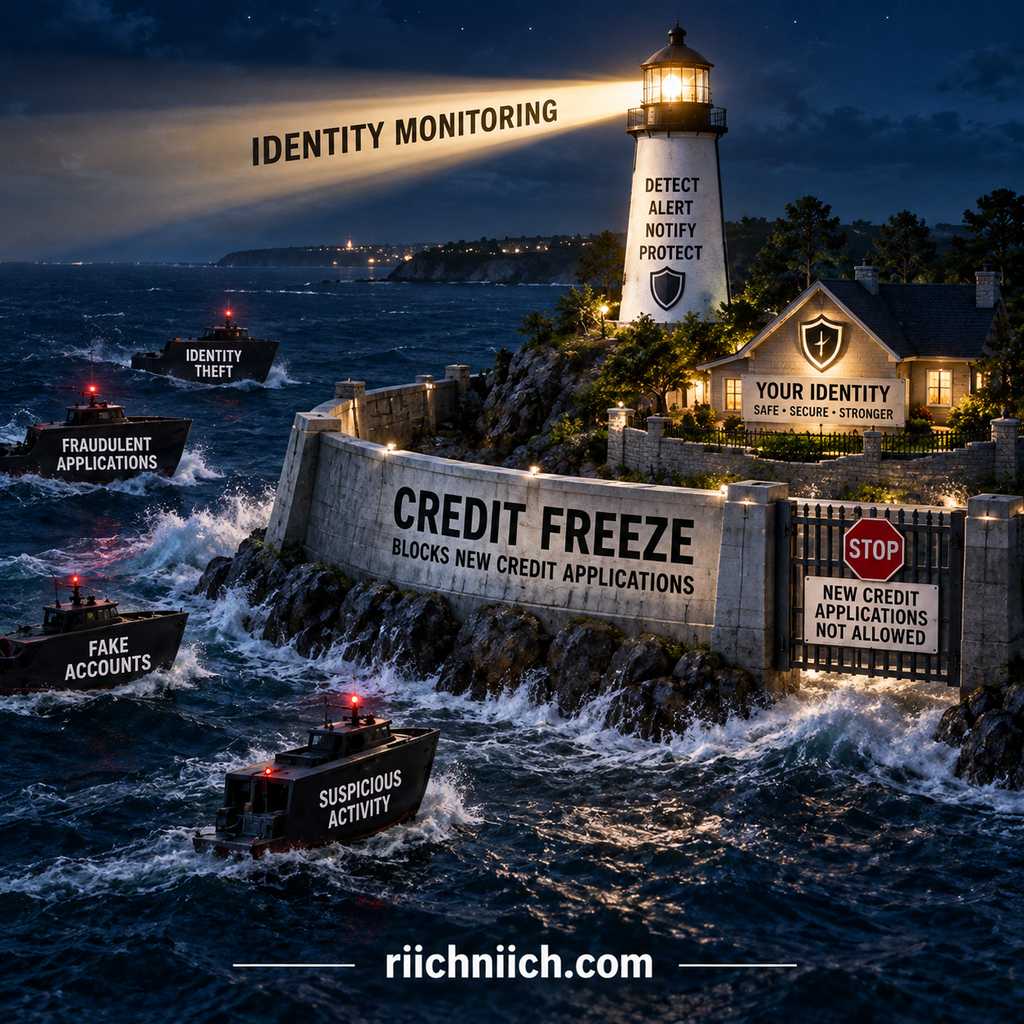
This difference becomes especially important if your Social Security number or other sensitive information has already been exposed. A frozen credit report may help prevent a criminal from successfully opening certain new credit accounts, but it cannot stop every form of identity misuse. The CFPB notes that a freeze does not prevent an identity thief from taking over an existing account.
That means you may still want to watch for activity involving your existing financial accounts and personal information. The FTC recommends continuing to monitor your bank, credit card, and insurance statements because unauthorized activity can still occur even when your credit is frozen.
Where Identity Theft Protection Can Add Value
A paid service may be worth considering if you want someone else continuously watching for signs of identity misuse rather than relying entirely on manual checks.
Depending on the provider and plan, additional protection may include:
- Monitoring across multiple credit bureaus
- Alerts about significant credit-file changes
- Monitoring of personal information outside traditional credit reports
- Dark web or black-market website monitoring
- Public-record monitoring
- Identity recovery specialists or case managers
- Assistance dealing with creditors and other institutions after identity theft
- Identity theft insurance for certain eligible recovery expenses
The exact features vary significantly between services, so don’t assume every identity theft protection plan includes all of these benefits.
Do You Need to Pay for Identity Theft Protection?
Not necessarily.
You can freeze your credit for free, regularly review your credit reports, monitor your financial accounts, use account alerts, and take other protective measures yourself. The CFPB specifically recommends understanding what you’re actually getting before paying for identity monitoring because prices and services can vary widely.
The value of a paid service is therefore less about replacing these free protections and more about convenience, broader monitoring, alerts, and recovery assistance.
👉 If you want those protections combined in one place, Aura is worth considering for identity monitoring, alerts, and recovery support that can complement the credit freezes you already have in place.
For someone whose Social Security number or other sensitive information has already been compromised, those additional features may be more appealing. Likewise, someone who doesn’t want to manually monitor several areas of their identity may prefer having one service bring multiple monitoring tools together.
However, don’t assume that paying for identity theft protection means identity theft cannot happen. The CFPB warns that monitoring services generally alert consumers to suspicious activity rather than preventing personal information from being stolen in the first place.
The stronger approach is layered protection. Knowing how to freeze your credit can help you restrict an important path criminals use for new-account fraud, while identity theft protection can potentially expand your monitoring and provide assistance if something suspicious happens. The value of paying for that additional layer ultimately depends on the monitoring, alerts, recovery support, and other protections included in the service you choose.
What to Look for in an Identity Theft Protection Service
After learning how to freeze your credit, you may decide that you want additional monitoring beyond the protection provided by a security freeze. If you’re going to pay for an identity theft protection service, however, look beyond advertising claims and focus on what the service actually monitors, how quickly it alerts you, and what help you receive if identity theft occurs.
If you want to compare those features side by side, see our guide to the best identity theft protection services to find the type of coverage that fits your needs.
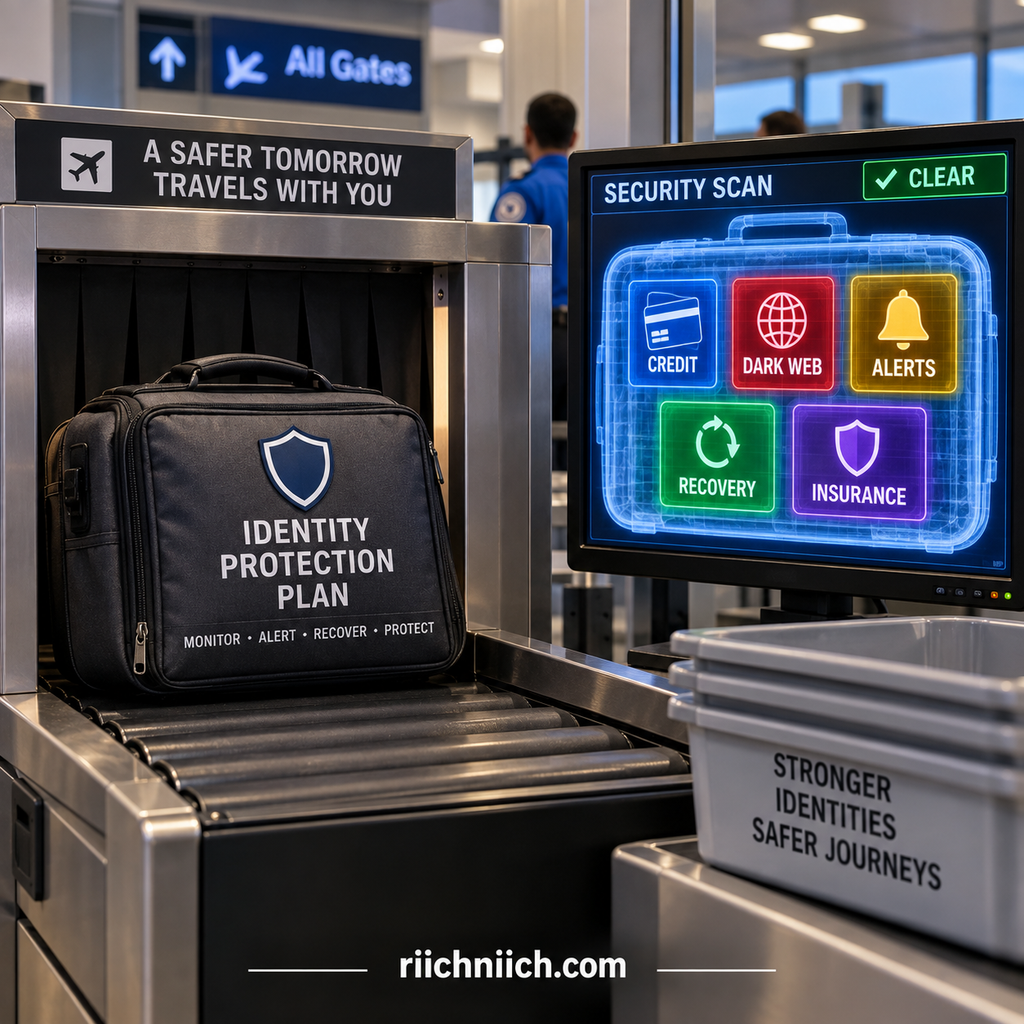
The CFPB notes that identity monitoring services can monitor personally identifiable information across credit applications, public records, websites, and other sources for unusual activity. Features and prices vary considerably between services, so understanding exactly what is included is important before subscribing.
Look for Broad Identity Monitoring
Start by checking what information and sources are actually monitored.
Credit monitoring is useful, but identity theft can extend beyond your traditional credit reports. Depending on the service, identity monitoring may search for signs of your information appearing in public records, change-of-address requests, certain account applications, websites used to trade stolen information, and other databases.
For someone whose Social Security number or other sensitive information has already been exposed, broader monitoring may provide more value than a service that watches only one credit bureau.
Check How Many Credit Bureaus Are Monitored
If credit monitoring is included, find out whether the service monitors one, two, or all three credit bureaus.
The FTC specifically recommends asking which bureaus are monitored and how frequently reports are checked for changes. A service advertising “credit monitoring” may therefore provide considerably different coverage from another service using the same phrase.
Look for Useful, Fast Alerts
Monitoring is only valuable if you find out about suspicious activity quickly enough to respond.
Look at how alerts are delivered—such as through an app, text message, email, or another notification method—and what types of events generate them. Credit monitoring services commonly provide alerts when changes appear on monitored credit reports, but the exact coverage depends on the service.
Consider Dark Web Monitoring
Dark web monitoring can be another useful feature, particularly if you’re concerned that login credentials or other personal information may already be circulating online. If you’re unsure how this type of monitoring works, our guide to what dark web monitoring is and whether it’s worth it explains what it can detect, its limitations, and when it may be useful.
The CFPB notes that some identity monitoring services search black-market websites and other online sources for signs of personal information.
Keep the limitation in mind: finding exposed information does not make that information disappear. The value comes from receiving an alert that can help you decide what needs to be secured next.
Pay Attention to Identity Recovery Assistance
Monitoring tells you that something may be wrong. Recovery assistance helps you deal with what happens next.
The FTC says identity recovery services may provide counselors or case managers who help consumers navigate recovery, prepare communications to creditors and debt collectors, review necessary documents, and take other corrective steps. Some services may even work with institutions on your behalf when properly authorized.
If you’re comparing paid identity theft protection services, strong recovery assistance can therefore be an important differentiator—especially if you don’t want to navigate a complicated identity theft case alone.
Read the Identity Theft Insurance Details
Don’t choose a plan simply because it advertises a large identity theft insurance amount.
Read what the policy actually covers, its exclusions, reimbursement requirements, and any deductible. According to the FTC, identity theft insurance may cover certain recovery expenses such as document costs, lost wages, or legal fees, but it generally does not simply reimburse all money stolen by scammers.
The details of the policy matter more than the number displayed prominently on the sales page.
Compare the Protection With the Price
Finally, compare the monthly or annual price against features you will realistically use.
Some protections are already available for free. You can place and lift a security freeze without paying, and you can review your credit reports yourself. The CFPB recommends understanding the terms, fees, trial periods, cancellation requirements, and limitations before purchasing monitoring services.
That doesn’t mean a paid service has no value. You’re often paying for convenience, broader monitoring, centralized alerts, and recovery support rather than access to a credit freeze itself.
If you’ve already completed how to freeze your credit, look for an identity theft protection service that fills the gaps a security freeze cannot cover. Prioritize meaningful monitoring, useful alerts, multiple-bureau credit monitoring where available, recovery assistance, clearly explained insurance coverage, and a price that makes sense for the protection you’re actually receiving.
Is Identity Theft Protection Worth It After Freezing Your Credit?
Identity theft protection can be worth paying for even after you freeze your credit, but the value depends on what additional protection and assistance you’re getting for the price. A credit freeze and an identity theft protection service are not substitutes for each other—they cover different parts of identity security.
Once you understand how to freeze your credit, you already have one of the strongest free defenses against new-account credit fraud. A security freeze restricts prospective creditors from accessing your credit reports, making it much harder for an identity thief to open new credit accounts in your name. Credit freezes are free, don’t affect your credit score, and remain in place until you lift them.
The limitation is that a freeze is focused primarily on your credit files. It does not stop every other way stolen personal information can be misused, and it does not prevent a thief from taking over an existing account.

When Paying for Additional Protection May Make Sense
Identity theft protection may be more appealing if you want broader monitoring without having to perform every check yourself.
Depending on the service and plan, identity monitoring may watch personally identifiable information across credit applications, public records, websites, and other sources. Some services also include credit monitoring, black-market or dark web monitoring, recovery assistance, and identity theft insurance.
That additional coverage can be particularly useful if your Social Security number or other sensitive information has already been exposed. You may not be able to make compromised information private again, but monitoring can potentially give you earlier warning when certain suspicious activity involving that information is detected.
Recovery assistance can also add value. Some identity recovery services provide counselors or case managers who help consumers work through the recovery process, including dealing with creditors, reviewing documents, and taking corrective steps after identity theft.
When You May Not Need a Paid Service
Not everyone needs to pay for identity theft protection.
If you’re comfortable managing your own security, you can already take several important steps yourself. You can freeze your credit, review your credit reports, monitor your bank and credit card statements, enable account alerts, strengthen your account security, and respond directly when something suspicious appears.
The CFPB specifically points out that free and lower-cost protections are available and recommends understanding exactly what a paid monitoring service provides before subscribing. It also warns that monitoring services generally alert you after suspicious activity is detected rather than preventing your personal information from being stolen in the first place.
Focus on What You’re Actually Paying For
If you’re comparing identity theft protection services after freezing your credit, don’t pay simply because a company promises to “protect your identity.”
If Aura is one of the services you’re considering, our ‘Is Aura Worth It?’ review breaks down what you actually get before paying for a plan.
Instead, look for features that add something you don’t already have for free, such as:
- Broader identity monitoring
- Three-bureau credit monitoring
- Dark web monitoring
- Fast and useful alerts
- Identity recovery specialists
- Assistance resolving identity theft
- Clearly explained identity theft insurance
- Family or child identity monitoring when needed
The FTC notes that identity theft insurance may cover certain recovery-related expenses, such as document costs, lost wages, or legal fees, but it generally does not simply reimburse all money stolen by scammers. Always check the actual policy terms rather than choosing a service based only on a large advertised insurance amount.
Think of Identity Protection in Layers
The strongest reason to consider identity theft protection after a credit freeze is coverage beyond the freeze itself.
Knowing how to freeze your credit helps you restrict an important path criminals can use to commit new-account credit fraud. A good identity theft protection service may add monitoring, alerts, and recovery assistance around that protection.
If you’re comfortable doing the monitoring yourself, the free protections available to you may be enough. If you prefer broader monitoring in one place, faster alerts, and professional assistance if identity theft occurs, paying for a well-chosen service may provide meaningful additional value.
The key is not paying for something that simply duplicates your credit freeze. You’re paying for the additional monitoring, convenience, alerts, and recovery support surrounding it.
Frequently Asked Questions About How to Freeze Your Credit
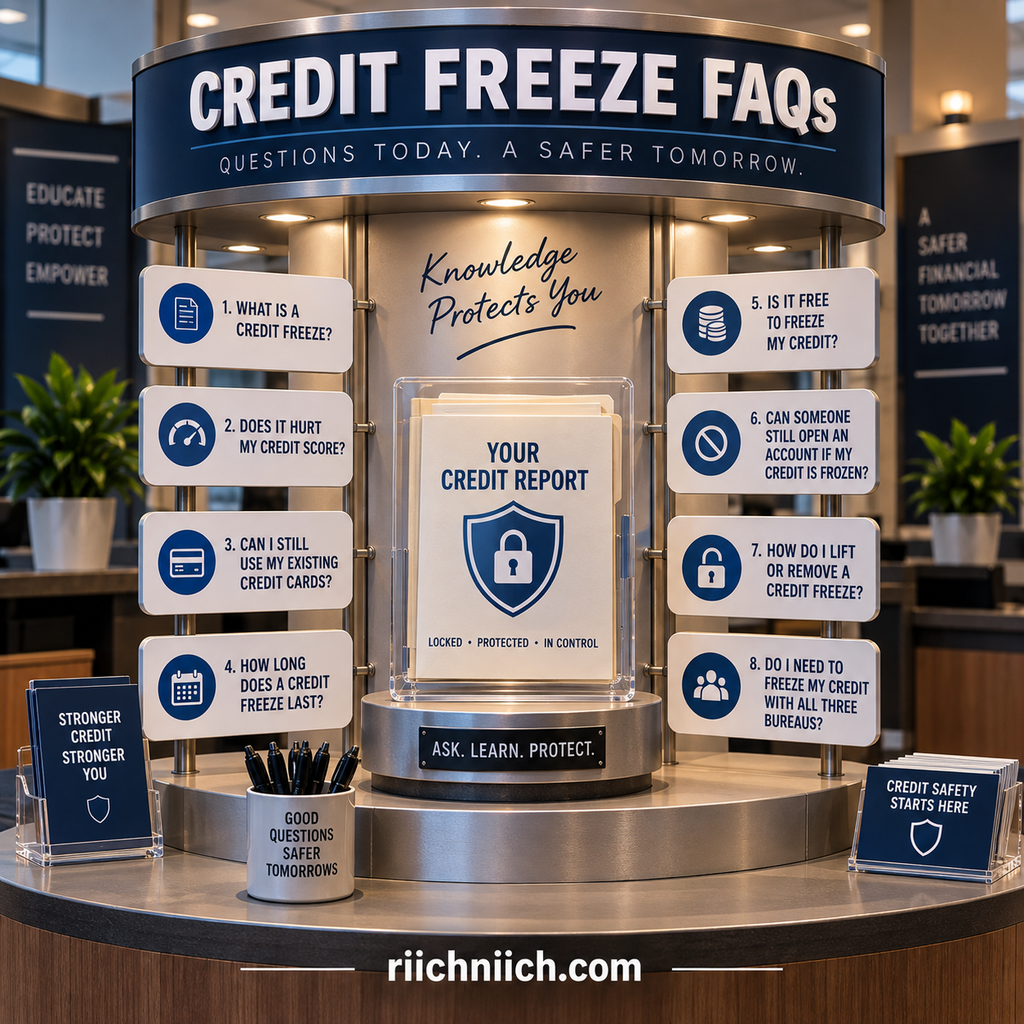
If you’re still deciding how to freeze your credit or what a security freeze means for your everyday finances, these questions cover some of the most important details to know before and after placing a freeze.
Does Freezing Your Credit Hurt Your Credit Score?
No. Placing a security freeze on your credit reports does not hurt your credit score. Your score can still increase or decrease normally based on information reported to your credit files, such as payment history and account balances. The freeze restricts access to your credit file; it does not freeze your actual credit score.
Can I Still Use My Credit Cards If I Freeze My Credit?
Yes. You can continue using your existing credit cards after freezing your credit. A security freeze primarily restricts prospective creditors from accessing your credit report for new-credit applications; it does not shut down your existing credit card accounts.
Can Someone Open an Account If My Credit Is Frozen?
A credit freeze can make it significantly harder for an identity thief to open a new credit account in your name because prospective creditors generally cannot access your frozen credit file. Since most businesses will not approve credit without checking a credit report, this creates an important barrier against new-account fraud.
However, a freeze cannot stop every type of fraudulent account or identity theft. It also does not prevent criminals from attempting to take over accounts you already have. That is why monitoring your existing financial accounts remains important even after all three credit reports are frozen.
How Long Does a Credit Freeze Last?
A credit freeze does not expire after a set number of months or years. It remains on your credit file until you choose to lift or remove it.
That makes a security freeze useful as a long-term protective measure. You don’t have to repeatedly renew it simply because time has passed.
Is It Free to Freeze Your Credit?
Yes. Federal law gives consumers the right to freeze and unfreeze their credit records for free with Equifax, Experian, and TransUnion.
Be careful not to confuse a credit freeze with a paid credit lock product. The CFPB notes that credit reporting companies may offer credit locks as part of paid services, while security freezes are available for free as a matter of federal law.
Credit Freeze vs Fraud Alert: What’s the Difference?
A credit freeze and a fraud alert both help protect against identity theft, but they work differently.
A credit freeze restricts prospective creditors from accessing your credit file until you lift the freeze. A fraud alert keeps your credit report accessible but tells businesses that they should verify your identity before opening a new account in your name.
There’s also an important difference in setup. To freeze all three major credit reports, you must contact Equifax, Experian, and TransUnion separately. For a fraud alert, you can contact one of the three nationwide credit bureaus, and that bureau must notify the other two.
Credit Freeze vs Credit Lock: What’s the Difference?
Both are designed to restrict access to your credit file, but they are not the same product.
A security freeze is a right provided under federal law and is free. Credit locks are products offered by credit reporting companies and may be included with services that charge a fee. The CFPB states that credit locks are no more effective than security freezes and recommends choosing the free freeze if that’s the protection you’re looking for.
If your primary goal is preventing unauthorized new credit from being opened in your name, don’t assume you need to purchase a credit-lock product before using the free security freeze available to you.
Should I Freeze My Credit After a Data Breach?
If a data breach exposed sensitive personal information, particularly information that could be used for identity theft, a credit freeze is an important protective option to consider. The FTC specifically identifies a data breach as one of the situations where freezing your credit can be especially helpful.
If the breach included your Social Security number or other highly sensitive identifying information, the risk may continue long after the initial breach notification. A credit freeze can remain in place until you decide to lift it, providing an ongoing barrier against certain types of new-account fraud.
Knowing how to freeze your credit gives you a free preventive tool, but the strongest approach is broader than the freeze alone. Continue securing existing accounts and monitoring for suspicious activity, and consider additional identity monitoring or recovery assistance if you want more protection than a security freeze provides.
Conclusion: How to Freeze Your Credit
Learning how to freeze your credit is one of the most practical steps you can take to make new-account identity theft more difficult. A security freeze restricts prospective creditors from accessing your credit file, which can prevent an identity thief from successfully opening many types of new credit accounts in your name.
To get the strongest protection from a credit freeze, remember the most important part of the process: you need to freeze your credit separately with Equifax, Experian, and TransUnion. Freezing one credit report does not automatically freeze the other two. Placing and lifting the freezes is free, they do not affect your credit score, and they can remain in place until you decide to lift them.
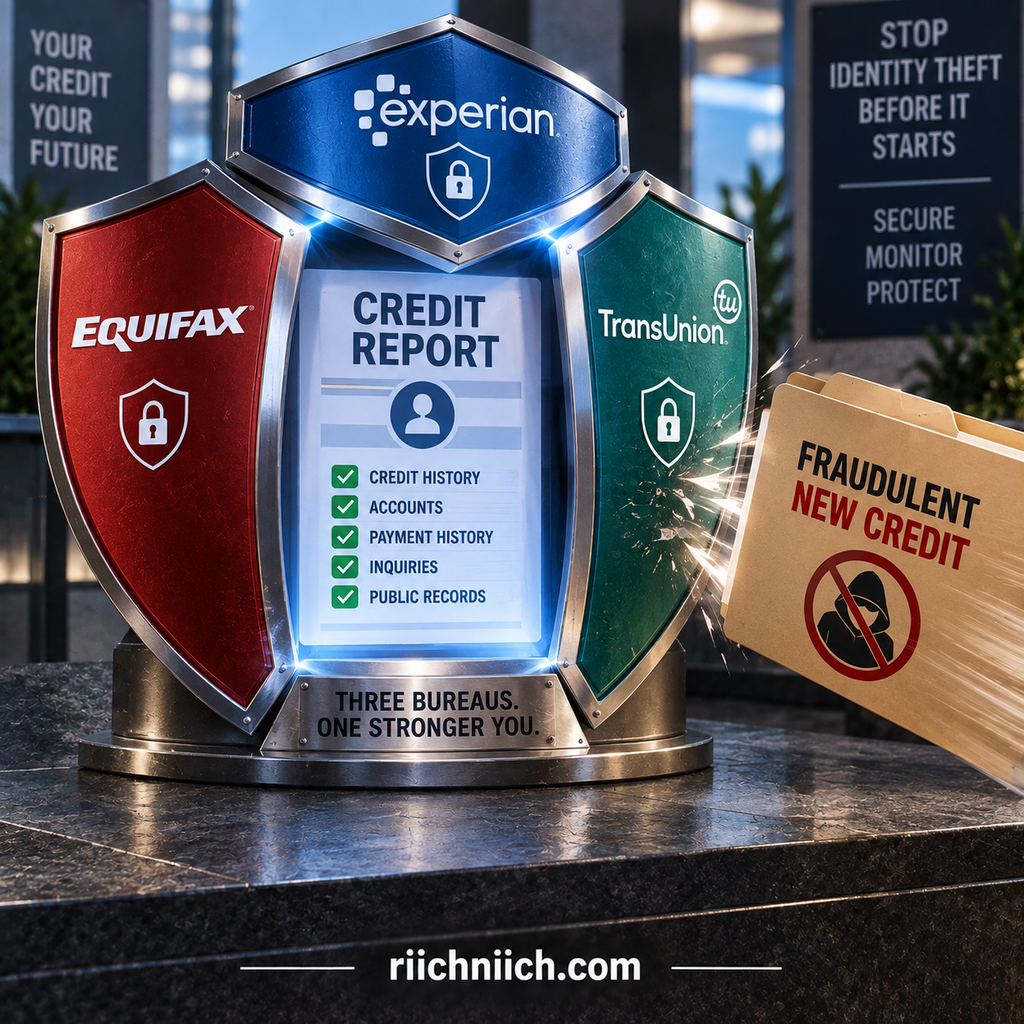
A credit freeze can be especially valuable if your Social Security number or other sensitive personal information has been exposed in a data breach, lost with your identification documents, or already misused by an identity thief. But you don’t have to wait for something bad to happen. Anyone can place a credit freeze proactively.
Just remember that a credit freeze is not complete identity theft protection. It focuses primarily on restricting access to your credit file for new credit. You should still monitor your existing financial accounts, review your credit reports, secure your online accounts, and respond quickly if you discover suspicious activity.
This is also where a reputable identity theft protection service may be worth considering. If you want broader monitoring, dark web alerts, credit monitoring, and recovery assistance brought together in one service, paid protection can provide convenience and coverage beyond what a credit freeze does alone. However, it should complement your free security freeze—not replace it. The CFPB specifically notes that paid monitoring services do not prevent identity theft from happening and that free protections such as security freezes remain available.
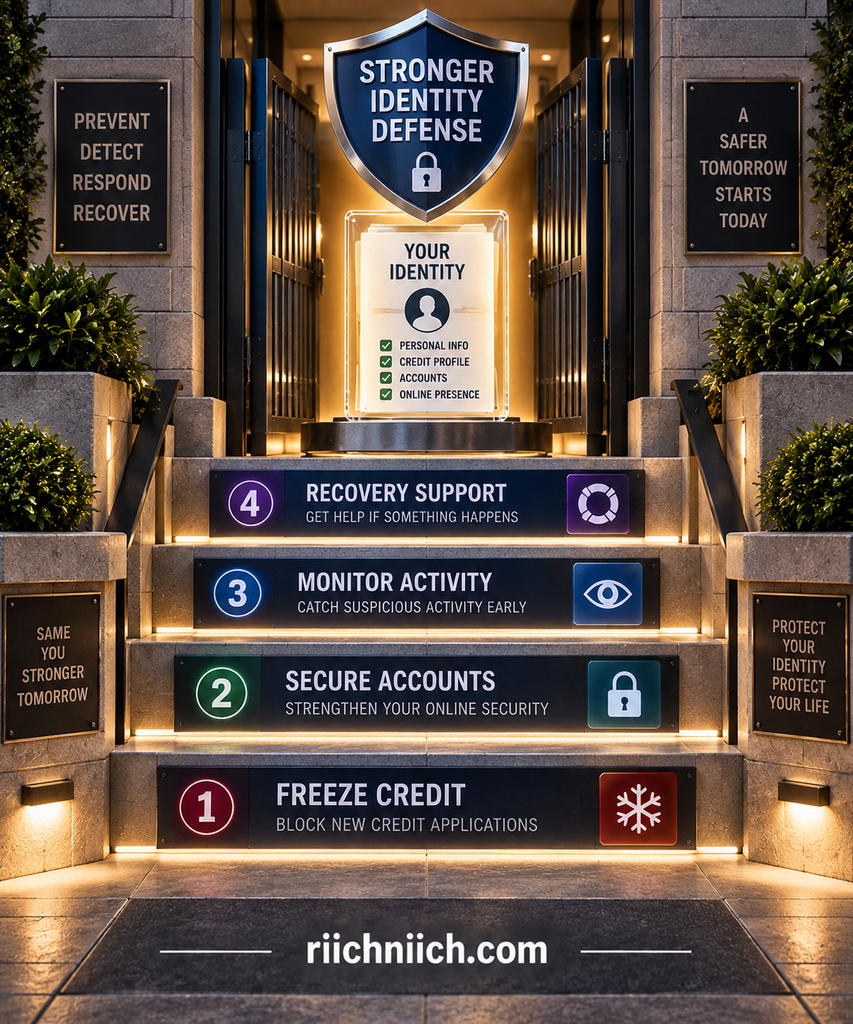
Ultimately, how to freeze your credit comes down to taking control of who can access your credit files. Freeze all three major credit reports, keep the freezes active when you don’t need legitimate new-credit access, and continue watching the parts of your identity that a security freeze cannot protect.
You don’t need to rely on one tool to protect everything. A credit freeze closes an important door. Strong account security, ongoing monitoring, and fast action when something looks wrong help protect everything around it.


Pingback: How to Unfreeze Your Credit at All Three Credit Bureaus - Riich Niich
Pingback: How to Recover From Identity Theft - Riich Niich
Pingback: Credit Monitoring vs Identity Theft Protection: What’s the Difference, and Which Do You Need? - Riich Niich
Pingback: Best Dark Web Monitoring Services: Which Are Worth Paying For? - Riich Niich
Pingback: Identity Theft Prevention Checklist: 20 Practical Steps + Free Printable - Riich Niich