
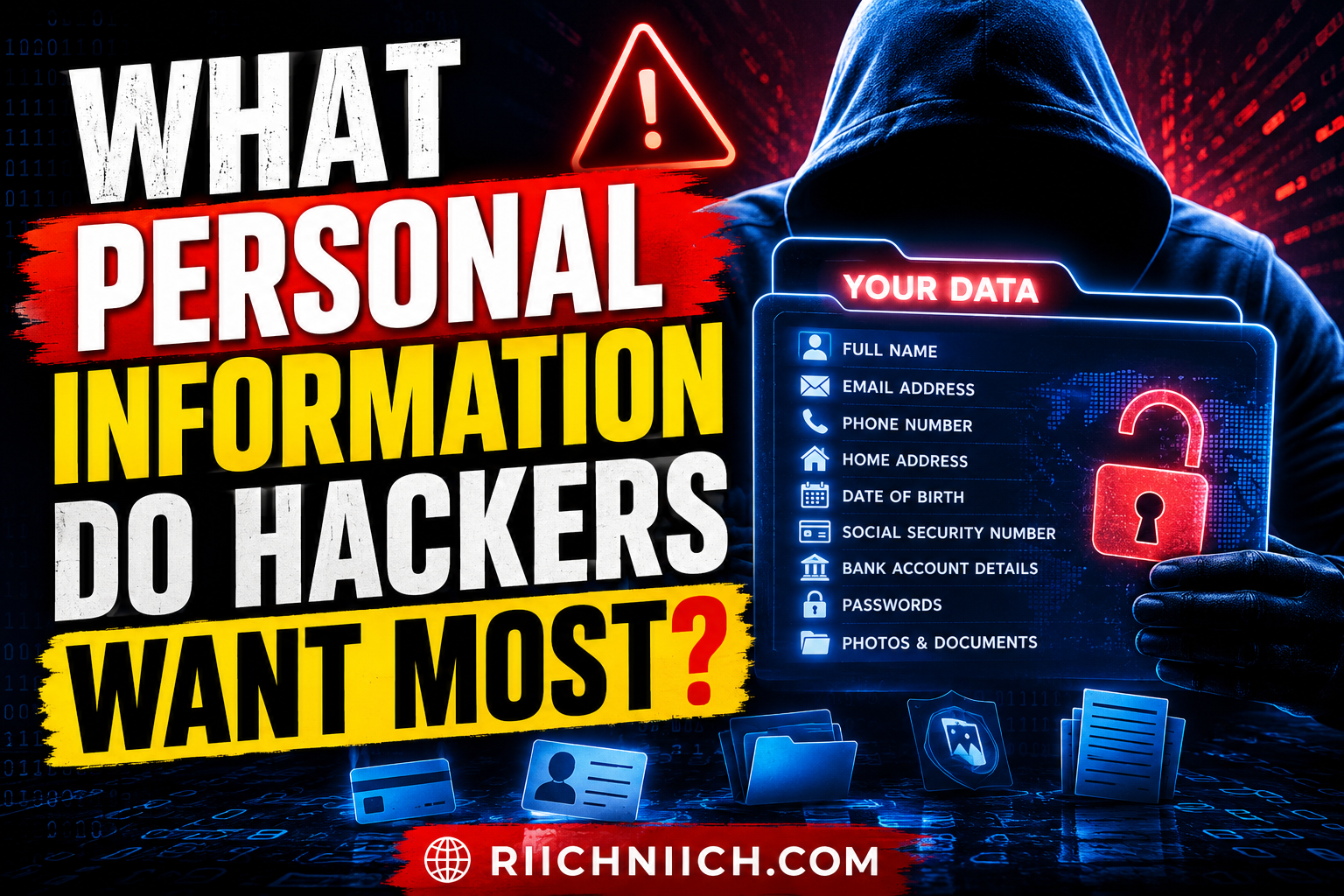
What personal information do hackers want most? The answer may surprise you. While many people assume hackers only want credit card numbers or bank account details, cybercriminals are actually looking for a wide range of sensitive personal information that can be used for identity theft, financial fraud, account takeovers, and phishing attacks. Even seemingly harmless details like your phone number, home address, or date of birth can become valuable when combined with other stolen data.
In this guide, you’ll learn what personal information do hackers want most, why each type of information is valuable to cybercriminals, how hackers obtain it, and the practical steps you can take to protect yourself. We’ll also explain when identity theft protection makes sense and how the right tools can help monitor your personal information before it falls into the wrong hands. By the end, you’ll know exactly what information to safeguard and how to reduce your risk of becoming the next victim of identity theft.
Want to understand the bigger picture? Read our complete guide on How Hackers Get Your Personal Data to learn the most common ways cybercriminals collect sensitive information.
Table of Contents
Why Hackers Want Your Personal Information
If you’ve ever wondered what personal information do hackers want most, the answer is simple: information that can be turned into money, stolen identities, or unauthorized access to valuable accounts. Cybercriminals are constantly searching for personal data they can sell on underground marketplaces or use to commit fraud.
Your personal information is valuable because it often serves as the key to your digital life. A single piece of stolen information—such as your email address, password, or Social Security number—can help hackers gain access to bank accounts, credit cards, online shopping accounts, tax records, healthcare information, and even government services.
Many people don’t realize how quickly stolen information can lead to fraud. Learn exactly How Identity Theft Happens and why even small pieces of personal data matter.
Unlike physical valuables, personal data can be copied, sold, and reused countless times. That’s why stolen personal information remains one of the most profitable assets for cybercriminals.
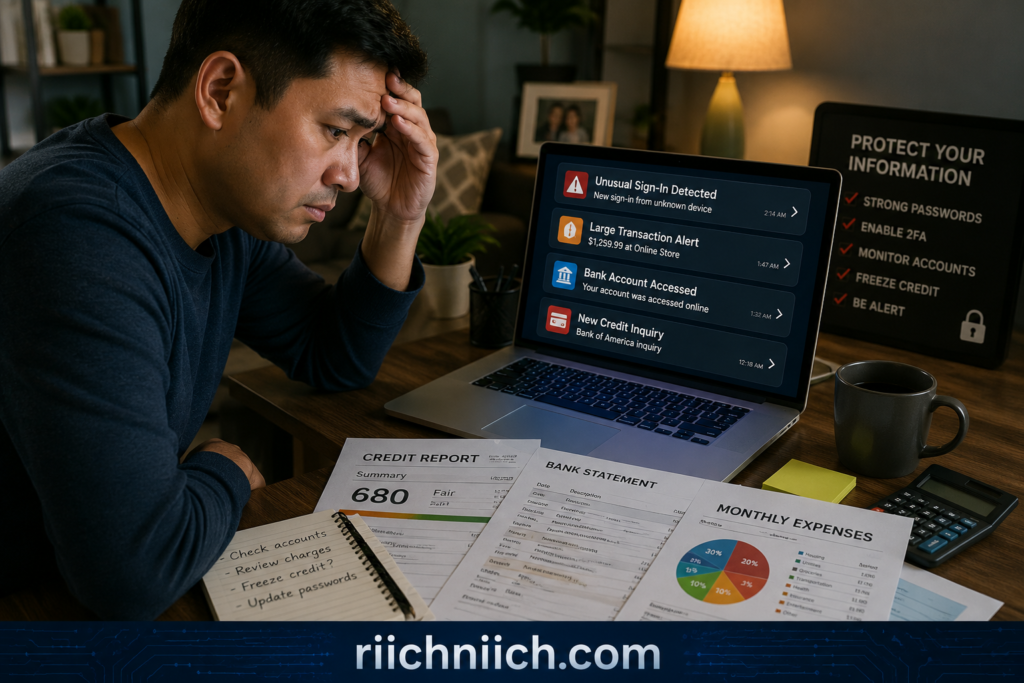
Why Your Personal Data Is Valuable
Hackers don’t always target wealthy individuals. Instead, they look for anyone whose personal information can be exploited. Even seemingly harmless details can be combined with information from data breaches, phishing scams, or public records to create a complete identity profile.
Some of the most common reasons hackers steal personal information include:
- Opening credit cards or loans in someone else’s name
- Taking over online accounts
- Emptying bank accounts
- Filing fraudulent tax returns
- Making unauthorized purchases
- Selling stolen personal data on dark web marketplaces
- Using stolen identities to commit additional crimes
This is why protecting sensitive personal information is one of the most effective ways to reduce your risk of identity theft and financial fraud.
One Piece of Information Can Lead to Much More
Many people believe hackers need a complete identity profile before they can cause damage. In reality, a single piece of personal information often starts a chain reaction.
For example, if a hacker obtains your email address, they may attempt password reset requests. If they also know your date of birth or phone number, they may bypass additional security checks. Over time, multiple pieces of exposed personal information can be combined to gain access to increasingly valuable accounts.
This process, known as account takeover, is one of the fastest-growing forms of cybercrime because it allows criminals to impersonate victims across multiple online services.
Protecting Your Information Before It Is Stolen
Understanding what personal information do hackers want most is the first step toward preventing identity theft. The next step is limiting how much personal data is exposed online and monitoring your accounts for suspicious activity.
Identity theft protection services can help by monitoring sensitive information, alerting you to potential fraud, and detecting suspicious activity before it becomes a larger problem. These tools can also provide dark web monitoring, credit monitoring, and identity restoration services that make recovering from identity theft much easier if your information is ever compromised.
For additional guidance on protecting your personal information, review resources from the Federal Trade Commission about identity theft prevention and the Cybersecurity and Infrastructure Security Agency for online security best practices.
1. Social Security Numbers
When people ask what personal information do hackers want most, Social Security numbers are almost always at the top of the list. Unlike a password, you can’t simply change your Social Security number if it is stolen. Because it is tied to your identity, finances, taxes, and government records, it is one of the most valuable pieces of personal information a cybercriminal can obtain.
A stolen Social Security number can remain useful to criminals for years, making it one of the most sought-after forms of sensitive personal information on the dark web.
What Can Hackers Do With Your Social Security Number?
If hackers gain access to your Social Security number, they may be able to:
- Open new credit cards in your name.
- Apply for personal loans or mortgages.
- File fraudulent tax returns to claim refunds.
- Obtain medical services using your identity.
- Apply for government benefits.
- Create synthetic identities by combining your information with fake details.
- Commit long-term identity theft that may take months or even years to discover.
Many victims do not realize their Social Security number has been stolen until they receive collection notices, are denied credit, or discover unfamiliar accounts on their credit reports.
How Hackers Steal Social Security Numbers
Cybercriminals use several methods to obtain Social Security numbers, including:
- Large-scale data breaches involving employers, healthcare providers, or financial institutions.
- Phishing emails and fake websites designed to trick people into revealing sensitive information.
- Malware that captures personal data stored on computers or mobile devices.
- Mail theft involving tax documents, financial statements, or government correspondence.
- Social engineering scams where criminals impersonate banks, government agencies, or technical support representatives.
Once stolen, Social Security numbers are often bundled with other exposed personal information, such as names, dates of birth, and addresses, making identity fraud much easier.
How to Protect Your Social Security Number
The best way to protect your Social Security number is to share it only when absolutely necessary. Before providing it, ask whether another form of identification can be used instead.
Additional ways to reduce your risk include:
- Store your Social Security card in a secure location instead of carrying it in your wallet.
- Monitor your credit reports regularly for unfamiliar accounts or inquiries.
- Freeze your credit if you suspect identity theft or your information has been exposed.
- Use strong, unique passwords and enable multi-factor authentication on financial accounts.
- Consider an identity theft protection service that monitors for suspicious activity involving your personal information and alerts you quickly if your identity may be at risk.
If you’re researching what personal information do hackers want most, protecting your Social Security number should be one of your highest priorities because losing control of it can have long-lasting financial consequences.
For more information about protecting your Social Security number and preventing identity theft, visit the Social Security Administration and the Identity Theft Resource Center for practical guidance and recovery resources.
2. Email Addresses
If you’re wondering what personal information do hackers want most, your email address is one of the first pieces of personal data they try to obtain. While an email address may seem harmless by itself, it often serves as the gateway to nearly every online account you own.
Most people use a single email address to manage banking, shopping, social media, healthcare, work, and financial accounts. If a hacker gains access to that email account, they may be able to reset passwords, intercept security notifications, and take control of multiple accounts in just a matter of minutes.
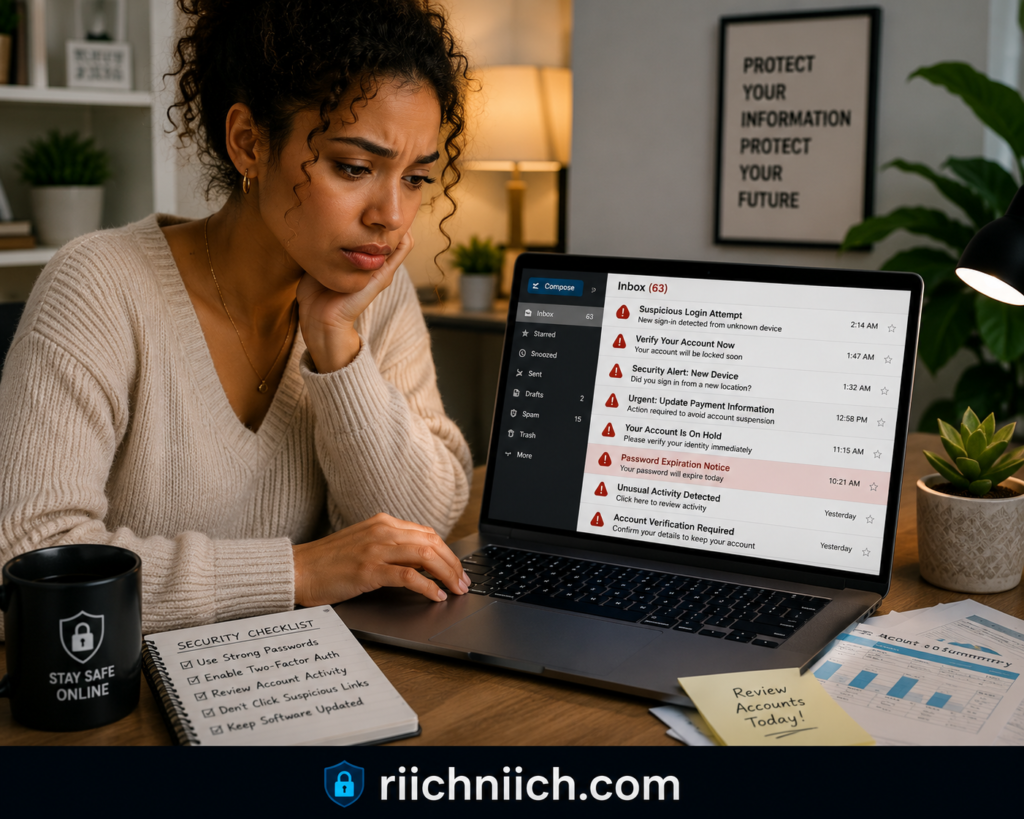
Why Hackers Target Email Addresses
Email accounts are valuable because they act as a central hub for your digital identity. Many websites rely on email verification for password resets and account recovery, making your inbox an attractive target for cybercriminals.
Hackers often use stolen email addresses to:
- Launch phishing attacks.
- Attempt password reset requests.
- Gain access to financial and shopping accounts.
- Send scam emails from trusted accounts.
- Collect additional personal information from previous emails.
- Combine your email address with leaked passwords from previous data breaches.
Even if hackers don’t immediately access your email account, they may use your address in credential stuffing attacks, where stolen username and password combinations are tested across hundreds of websites.
How Hackers Get Your Email Address
Cybercriminals use many techniques to collect email addresses, including:
- Data breaches involving online services.
- Phishing scams designed to steal login credentials.
- Fake giveaways and online surveys.
- Public social media profiles.
- Malware that extracts saved account information.
- Purchased databases containing exposed personal information.
Because email addresses are widely used across the internet, they frequently appear in leaked databases that are bought and sold on underground marketplaces.
If you’re concerned that your inbox could be the next target, here’s our complete guide on How to Protect Your Email from Hackers.
How to Protect Your Email Address
Understanding what personal information do hackers want most helps you take steps to secure one of your most important online accounts.
You can better protect your email by:
- Using a strong, unique password that is not shared with any other account.
- Enabling multi-factor authentication whenever it is available.
- Regularly checking whether your email address has appeared in known data breaches.
- Avoiding suspicious links and unexpected email attachments.
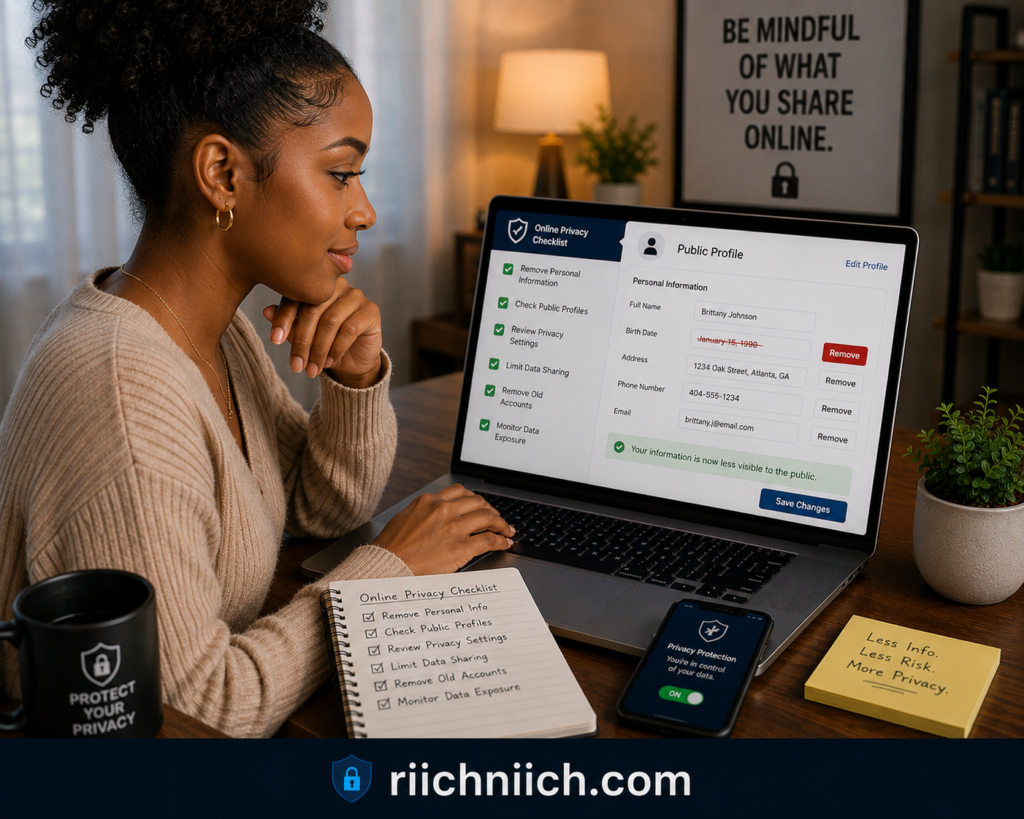
- Removing unnecessary personal information from old email accounts and online profiles.
- Using identity monitoring services that alert you if your email address appears in data breaches or on dark web marketplaces.
Since your email account controls access to so many other services, protecting it should be one of your highest cybersecurity priorities.
👉 Use a password manager such as NordPass that creates strong, unique passwords and stores them safely, reducing the risk of account takeovers caused by reused passwords.
3. Passwords
When discussing what personal information do hackers want most, passwords rank near the top because they provide direct access to your online accounts. A single stolen password can unlock email accounts, banking apps, cloud storage, shopping websites, social media profiles, and even work-related systems.
The danger becomes even greater if you reuse the same password across multiple websites. Once hackers obtain one password through a data breach or phishing attack, they often test it on dozens of other accounts in a technique known as credential stuffing.
Why Passwords Are So Valuable to Hackers
Passwords are the keys to your digital identity. Instead of stealing money directly, hackers often focus on gaining account access first. Once inside your accounts, they can gather more personal data, change security settings, or lock you out completely.
Hackers commonly use stolen passwords to:
- Access online banking accounts.
- Take over email accounts.
- Make unauthorized purchases.
- Steal stored payment information.
- Access cloud storage containing sensitive documents.
- Spread phishing scams using trusted accounts.
- Collect additional personal information for identity theft.
Because passwords protect so many types of personal data, they remain one of the most valuable targets for cybercriminals.
How Hackers Steal Passwords
Cybercriminals use a variety of techniques to steal passwords, including:
- Phishing emails that mimic trusted companies.
- Fake login pages designed to capture credentials.
- Malware that records keystrokes.
- Password leaks from data breaches.
- Credential stuffing attacks using previously stolen passwords.
- Weak or easily guessed passwords based on names, birthdays, or common words.
Many people underestimate how quickly weak passwords can be cracked using automated software. Short, predictable passwords can often be guessed in seconds.
How to Better Protect Your Passwords
Understanding what personal information do hackers want most should encourage you to strengthen your password security before attackers have the opportunity to exploit weak credentials.
To better protect your online accounts:
- Create a unique password for every account.
- Use long passwords or passphrases that are difficult to guess.
- Enable multi-factor authentication whenever possible.
- Avoid storing passwords in unsecured documents or browser notes.
- Change passwords immediately after learning about a data breach.
- Use a reputable password manager to generate, store, and autofill strong passwords securely.
A password manager not only helps you create complex passwords but also reduces the temptation to reuse the same password across multiple websites. Combined with identity monitoring, it provides an additional layer of protection against account takeover and identity theft.
Using a password manager is one of the easiest ways to secure your accounts. See our comparison of the Best Password Managers before choosing one.
4. Banking Information
If you’re asking what personal information do hackers want most, banking information is one of the most profitable targets. Access to checking accounts, savings accounts, and online banking credentials gives cybercriminals an opportunity to steal money directly, make unauthorized transfers, or gather additional personal data for larger identity theft schemes.
Unlike many other types of stolen personal information, compromised banking information can lead to immediate financial losses. That’s why hackers continuously search for online banking credentials, account numbers, routing numbers, and other financial information that can be exploited.
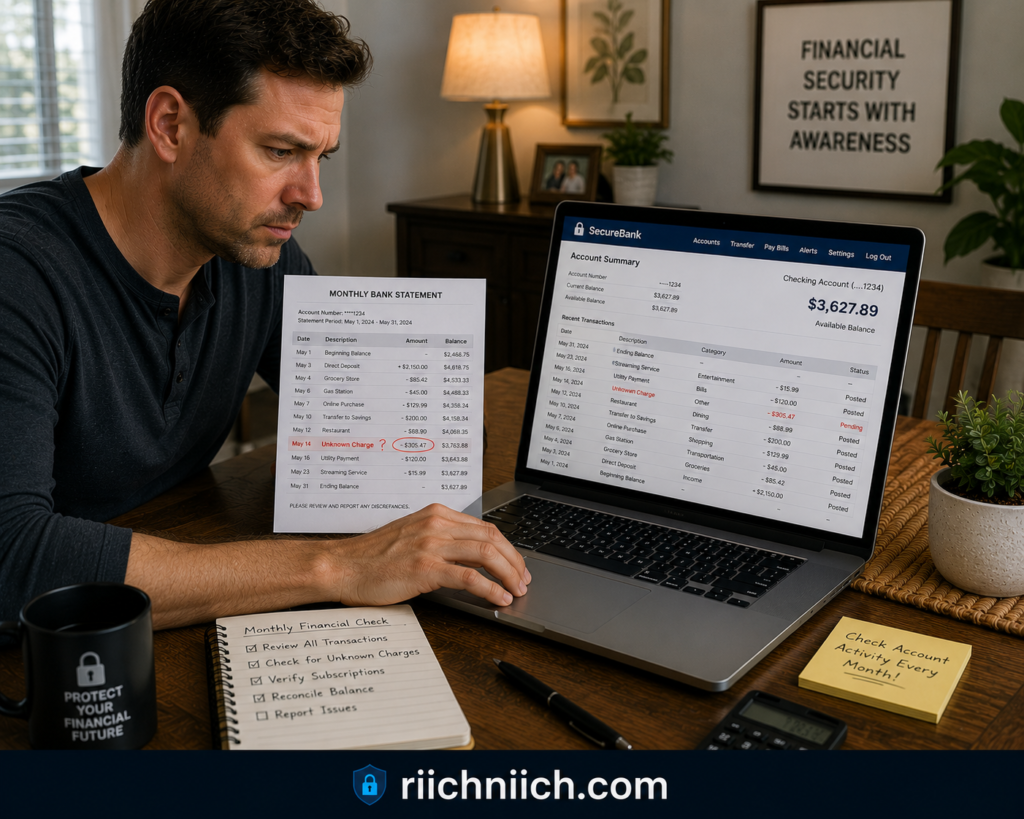
Why Hackers Target Banking Information
Your banking information provides more than just access to your money. It often contains valuable personal data that can help criminals verify your identity, answer security questions, or commit financial fraud.
Hackers may use stolen banking information to:
- Transfer money from your accounts.
- Set up unauthorized electronic payments.
- Add fraudulent payees.
- Steal account and routing numbers.
- Gather personal information for identity theft.
- Link banking information with other stolen personal data to create a complete financial profile.
Even if criminals cannot immediately access your funds, they may sell your banking information to other cybercriminals on underground marketplaces.
How Hackers Steal Banking Information
Cybercriminals use several common methods to obtain banking information, including:
- Phishing emails pretending to be your bank.
- Fake banking websites that capture login credentials.
- Malware designed to record keystrokes and banking activity.
- Public Wi-Fi attacks on unsecured networks.
- Data breaches involving financial service providers.
- Social engineering scams that convince victims to reveal account details.
In many cases, hackers combine stolen banking information with passwords, email addresses, and phone numbers to bypass additional security measures.
How to Protect Your Banking Information
Understanding what personal information do hackers want most can help you strengthen your financial security before criminals have the chance to exploit your accounts.
To better protect your banking information:
- Enable multi-factor authentication on all financial accounts.
- Use strong, unique passwords for online banking.
- Avoid accessing banking websites on unsecured public Wi-Fi networks.
- Review your bank statements and account activity regularly for unfamiliar transactions.
- Set up account alerts that notify you of withdrawals, transfers, or login attempts.
- Monitor your credit reports for signs of financial fraud or unauthorized accounts.
Many identity theft protection services also monitor your personal information for suspicious activity, helping you detect fraud earlier and respond before financial damage becomes more severe.
For additional guidance on protecting financial accounts, review resources from the Federal Deposit Insurance Corporation on banking security and the Consumer Financial Protection Bureau for information on preventing financial fraud and protecting your personal data.
5. Credit Card Information
Another answer to what personal information do hackers want most is your credit card information. Unlike bank accounts, stolen credit card details can often be used almost immediately for fraudulent purchases, online shopping, or sold to other cybercriminals. Even if your credit card issuer eventually reverses unauthorized charges, dealing with fraud can be stressful, time-consuming, and disruptive.
Because millions of people shop online every day, credit card information remains one of the most frequently stolen types of personal data in data breaches and phishing scams.
Why Hackers Target Credit Card Information
Credit cards offer criminals quick opportunities to profit. A stolen card number, expiration date, and security code may be enough to complete online purchases before the cardholder notices suspicious activity.
Hackers commonly use stolen credit card information to:
- Make unauthorized online purchases.
- Buy digital products that are difficult to trace.
- Purchase gift cards that can be resold for cash.
- Sell stolen card information on underground marketplaces.
- Combine payment information with other personal data for identity theft.
In some cases, hackers make several small purchases first to determine whether the card is active before attempting larger transactions.
How Hackers Steal Credit Card Information
Cybercriminals use a variety of techniques to steal credit card details, including:
- Data breaches affecting retailers or payment processors.
- Phishing emails that impersonate trusted businesses.
- Fake online stores designed to capture payment information.
- Malware that records payment details entered on infected devices.
- Card skimming devices installed on gas pumps or ATMs.
- Unsecured public Wi-Fi connections that expose sensitive financial data.
Many of these attacks happen without the victim realizing their credit card information has been compromised until fraudulent charges appear on their statement.
How to Protect Your Credit Card Information
Knowing what personal information do hackers want most can help you take simple steps to reduce your exposure and detect fraud more quickly.
To better protect your credit card information:
- Review your credit card statements regularly for unfamiliar charges.
- Enable transaction alerts for every purchase.
- Shop only on trusted websites that use secure HTTPS connections.
- Avoid saving payment information on websites unless necessary.
- Use virtual card numbers when your credit card issuer offers them.
- Replace your card immediately if you suspect it has been compromised.
- Consider identity theft protection that monitors your financial information and alerts you to suspicious activity before fraud becomes more serious.
Taking these precautions can help limit financial losses and reduce the chances that stolen payment information will be used alongside other exposed personal data.
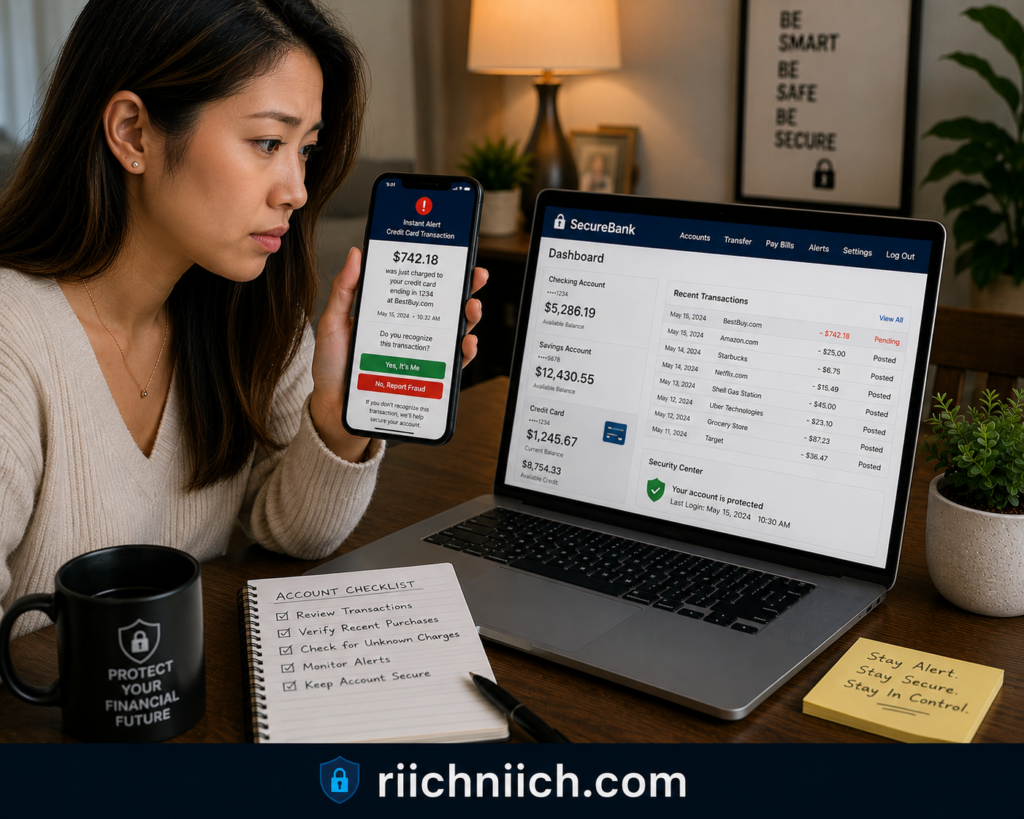
6. Home Address
Your home address is frequently used by banks, insurance companies, government agencies, and online retailers to verify your identity. Criminals know this and often use stolen address information to make fraudulent activity appear legitimate.
Hackers may use your home address to:
- Verify your identity when opening fraudulent accounts.
- Complete identity theft applications.
- Redirect important mail through mail forwarding scams.
- Answer account recovery or verification questions.
- Combine your address with other stolen personal data to commit financial fraud.
- Sell complete identity profiles on underground marketplaces.
Although a home address alone usually isn’t enough to steal your identity, it becomes significantly more valuable when paired with other pieces of stolen personal information.
How Hackers Find Your Home Address
Finding someone’s address has become easier than many people realize. Cybercriminals often collect address information from:
- Data breaches exposing customer records.
- Data broker and people-search websites.
- Public records.
- Social media posts showing home locations.
- Online shopping accounts.
- Phishing scams requesting personal information.
Many people unknowingly publish enough information online for criminals to identify where they live without ever hacking into an account.
If your personal information is already online, follow our step-by-step guide on How to Remove Your Personal Information from the Internet.
How to Protect Your Home Address
Understanding what personal information do hackers want most includes recognizing that even basic personal details deserve protection.
To reduce your risk:
- Limit how often you publicly share your address online.
- Remove your information from data broker and people-search websites whenever possible.
- Review the privacy settings on your social media accounts.
- Be cautious about posting photos that reveal your home address or nearby landmarks.
- Shred documents containing your address before disposing of them.
- Monitor your personal information regularly to identify where your address may be publicly exposed.
If your address appears across multiple data broker websites, a reputable personal information removal service can help reduce your online exposure, making it more difficult for cybercriminals to build a complete profile about you.
👉 Instead of submitting dozens of manual removal requests, use a data removal service like Incogni that continuously scans data broker websites and requests the removal of your personal information automatically.
7. Phone Number
Your phone number may seem like harmless information, but it is one of the most useful pieces of personal data for cybercriminals. If you’re researching what personal information do hackers want most, your phone number deserves a place near the top of the list because it is commonly used to verify your identity, recover accounts, and receive security codes.
Many online accounts rely on your phone number for two-factor authentication (2FA), password resets, and account recovery. If hackers gain control of your phone number through scams or fraud, they may be able to intercept verification codes and access accounts that were previously protected.
Why Hackers Want Your Phone Number
A phone number gives cybercriminals another way to impersonate you and bypass account security. It can also be combined with other stolen personal information to create convincing phishing attacks and identity theft scams.
Hackers may use your phone number to:
- Send phishing text messages (smishing).
- Attempt account recovery using SMS verification codes.
- Carry out SIM swap attacks to hijack your mobile number.
- Verify your identity when committing financial fraud.
- Link your phone number with leaked personal data from previous data breaches.
- Build complete identity profiles for identity theft.
Even if your phone number is publicly available, it becomes much more valuable when paired with your email address, home address, or date of birth.
How Hackers Get Your Phone Number
Cybercriminals obtain phone numbers through several methods, including:
- Data breaches exposing customer information.
- Data broker and people-search websites.
- Social media profiles.
- Fake contests and online surveys.
- Phishing emails and text message scams.
- Mobile apps that collect and share contact information.
Once obtained, your phone number may be sold to other criminals or used in automated scam campaigns targeting thousands of victims every day.
How to Protect Your Phone Number
Understanding what personal information do hackers want most means recognizing that your phone number should be treated as sensitive personal information.
You can reduce your risk by:
- Avoiding sharing your phone number publicly unless necessary.
- Removing your phone number from data broker and people-search websites whenever possible.
- Ignoring unexpected text messages requesting personal information or verification codes.
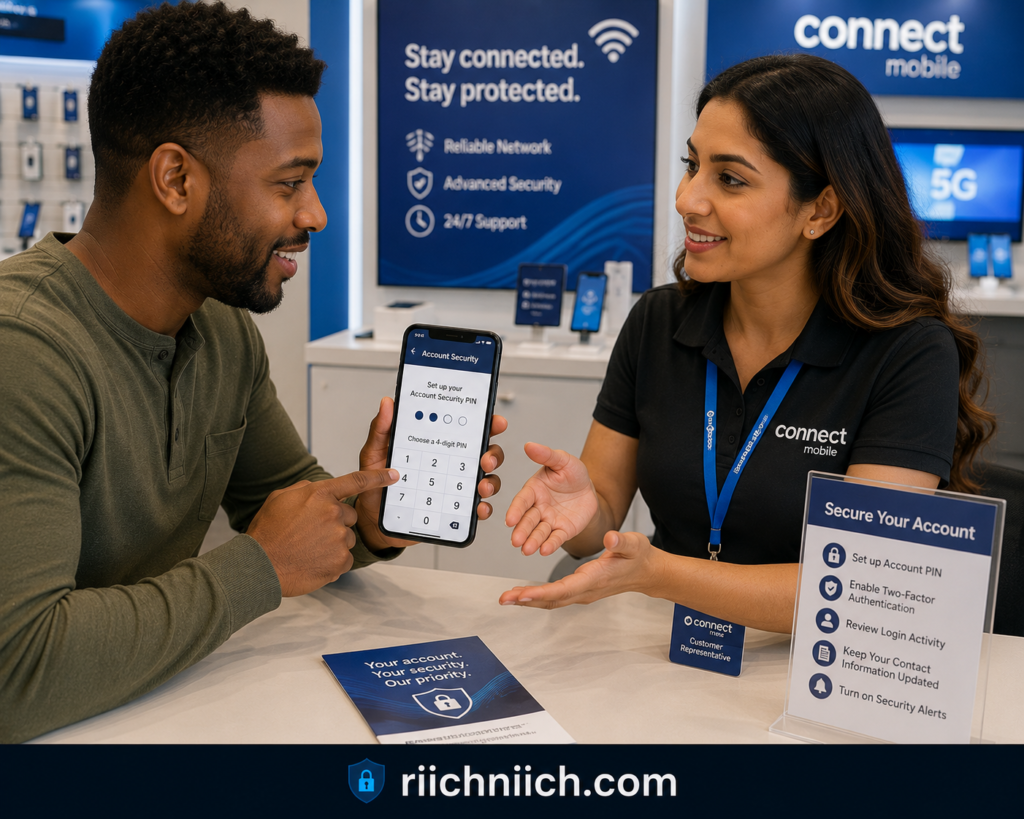
- Contacting your mobile carrier about adding extra security features, such as a SIM swap or account PIN.
- Using authentication apps instead of SMS-based verification when available.
- Monitoring your accounts for unexpected password reset requests or login alerts.
Identity protection and personal information removal services can also help reduce the online exposure of your phone number while monitoring for signs that your personal information has been compromised.
Many unwanted calls and texts originate from data broker websites. Learn How to Remove Your Phone Number from Data Broker Sites to reduce your exposure.
8. Driver’s License Number
When considering what personal information do hackers want most, your driver’s license number is another valuable target. While it may not receive as much attention as Social Security numbers or banking information, it is widely used to verify your identity when opening financial accounts, renting vehicles, applying for loans, or accessing government services.
If a criminal obtains your driver’s license number along with other exposed personal information, they may be able to impersonate you, bypass identity verification processes, or commit various forms of identity fraud.
Why Hackers Want Your Driver’s License Number
A driver’s license contains multiple pieces of sensitive personal information, including your full name, address, date of birth, license number, and in many cases a photograph. Together, this information helps criminals create convincing fake identities or verify stolen identities.
Hackers may use your driver’s license number to:
- Open fraudulent financial accounts.
- Apply for loans or lines of credit.
- Rent vehicles or property using your identity.
- Pass identity verification checks.
- Support synthetic identity fraud by combining your information with other stolen data.
- Sell complete identity profiles on underground marketplaces.
Because driver’s license information is commonly requested during identity verification, criminals often seek it as part of larger identity theft schemes.
How Hackers Steal Driver’s License Information
Cybercriminals obtain driver’s license information in several ways, including:
- Data breaches involving government agencies or private businesses.
- Phishing scams requesting copies of identification documents.
- Lost or stolen wallets.
- Malware that captures uploaded identification files.
- Fake job applications or rental applications requesting unnecessary identification.
- Identity verification scams on fraudulent websites.
Many people also unknowingly upload images of their driver’s license to unsecured websites, increasing the risk that their personal information could be exposed.
How to Protect Your Driver’s License Number
Learning what personal information do hackers want most can help you recognize the importance of protecting government-issued identification.
To better safeguard your driver’s license information:
- Share your driver’s license only with trusted organizations that legitimately require it.
- Avoid sending photos of your license through unsecured email or text messages.
- Store physical identification documents in a secure location.
- Shred expired identification documents before disposing of them.
- Monitor your credit reports for unfamiliar accounts that could indicate identity fraud.
- Use identity theft protection services that monitor your personal information and notify you if suspicious activity is detected.
If your driver’s license is lost, stolen, or exposed in a data breach, contact your state’s licensing agency promptly to determine whether additional security measures or a replacement license are recommended.
9. Date of Birth
Your date of birth may seem like harmless information, but it is one of the key pieces of personal data that cybercriminals use to commit identity theft. If you’re wondering what personal information do hackers want most, your date of birth is valuable because it is commonly used to verify your identity across financial institutions, healthcare providers, government agencies, and online services.
While a date of birth alone may not be enough to steal your identity, it becomes much more dangerous when combined with your name, address, email address, or Social Security number. Together, these details can help hackers build a complete identity profile.
Why Hackers Want Your Date of Birth
Many organizations use your date of birth as part of their identity verification process. Criminals know this and often collect birth dates to answer security questions, complete applications, or impersonate victims.
Hackers may use your date of birth to:
- Verify your identity during account recovery.
- Open fraudulent financial accounts.
- Complete identity theft applications.
- Answer security questions for online accounts.
- Combine it with other stolen personal information to create synthetic identities.
- Increase the value of stolen personal data sold on underground marketplaces.
Although sharing your birthday online may seem harmless, publicly available birth dates make it easier for criminals to piece together your personal information.
How Hackers Get Your Date of Birth
Cybercriminals obtain dates of birth from a variety of sources, including:
- Data breaches exposing customer records.
- Public social media profiles and birthday announcements.
- Data broker and people-search websites.
- Public records.
- Phishing scams requesting personal information.
- Stolen government identification documents.
Because many people publicly celebrate birthdays online, hackers often have little difficulty finding this information.
How to Protect Your Date of Birth
Understanding what personal information do hackers want most includes recognizing that your date of birth should not be shared more widely than necessary.
To better protect your personal information:
- Hide your birthday on social media whenever possible.
- Avoid posting photos of identification documents online.
- Limit the amount of personal information you share publicly.
- Remove your information from data broker websites when possible.
- Regularly monitor your online accounts and credit reports for suspicious activity.
- Consider identity theft protection services that monitor your personal information and alert you if your identity may have been compromised.
Reducing the public visibility of your birth date makes it more difficult for cybercriminals to verify your identity or combine your information with other stolen personal data.
10. Medical Information
Medical information is another highly valuable target for cybercriminals. If you’re researching what personal information do hackers want most, your health records, health insurance information, and medical account credentials deserve serious attention. Unlike a credit card, which can usually be replaced after fraud, medical records often contain permanent personal information that cannot be changed.
Healthcare data typically includes your full name, date of birth, address, insurance policy numbers, medical history, and other sensitive personal information. When combined, these details can be used for identity theft, insurance fraud, and other financial crimes.
Why Hackers Want Medical Information
Medical records contain far more than healthcare information. They often include enough personal data to verify your identity and commit fraud across multiple industries.
Hackers may use stolen medical information to:
- Commit medical identity theft by receiving healthcare services in your name.
- Submit fraudulent health insurance claims.
- Purchase prescription medications illegally.
- Steal insurance policy information.
- Combine medical records with other exposed personal information for identity theft.
- Sell complete medical records on underground marketplaces.
Because healthcare records contain numerous personal identifiers, they can remain valuable to cybercriminals long after a data breach occurs.
How Hackers Steal Medical Information
Cybercriminals obtain medical information through several methods, including:
- Data breaches affecting hospitals, clinics, or healthcare providers.
- Phishing emails impersonating medical offices or insurance companies.
- Malware targeting healthcare systems.
- Weak passwords protecting patient portal accounts.
- Identity theft involving stolen insurance cards or medical documents.
- Unsecured online accounts containing healthcare records.
As healthcare organizations continue expanding digital services, criminals increasingly target patient portals and online medical accounts to obtain sensitive personal information.
How to Protect Your Medical Information
Understanding what personal information do hackers want most means recognizing that healthcare information should be protected just as carefully as your financial accounts.
To better protect your medical information:
- Create strong, unique passwords for patient portal accounts.
- Enable multi-factor authentication whenever your healthcare provider offers it.
- Review your medical statements and insurance explanations of benefits for unfamiliar services or charges.
- Store insurance cards and medical documents securely.
- Avoid sharing personal health information through unsecured email or public Wi-Fi.
- Monitor your identity regularly for signs that your personal information has been misused.
Identity theft protection services that include dark web monitoring and identity monitoring can also help alert you if sensitive personal information associated with your identity appears in known data breaches.
For additional guidance on protecting healthcare information and responding to medical identity theft, review resources from the U.S. Department of Health and Human Services.
11. Tax Information
Tax information is one of the most overlooked types of personal data, yet it is extremely valuable to cybercriminals. If you’re trying to understand what personal information do hackers want most, tax records should be high on the list because they often contain nearly everything needed to commit identity theft.
Tax documents commonly include your full name, Social Security number, date of birth, home address, employer information, income details, and bank account information. This combination of sensitive personal information makes tax records a prime target for identity thieves.
Why Hackers Want Your Tax Information
Unlike other financial documents, tax records provide criminals with a detailed snapshot of your identity and finances. A single tax return can contain enough information to support multiple forms of fraud.
Hackers may use stolen tax information to:
- File fraudulent tax returns and claim refunds.
- Steal your identity for financial crimes.
- Open credit accounts using your personal information.
- Access government services through identity verification.
- Target you with convincing phishing scams based on your financial history.
- Sell complete identity profiles containing tax records and other personal information.
Because tax fraud often goes unnoticed until a return is rejected or an unexpected notice arrives, criminals may have months to exploit stolen information.
How Hackers Steal Tax Information
Cybercriminals use several methods to obtain tax records, including:
- Phishing emails pretending to be tax professionals or government agencies.
- Data breaches affecting tax preparation companies or employers.
- Malware that steals documents stored on computers.
- Unsecured email accounts containing tax returns.
- Mail theft involving tax forms and financial documents.
- Fake tax preparation websites designed to collect sensitive information.
Many identity theft cases begin with a stolen tax document because it provides criminals with multiple personal identifiers in one place.
How to Protect Your Tax Information
Learning what personal information do hackers want most can help you better protect your financial records throughout the year—not just during tax season.
To safeguard your tax information:
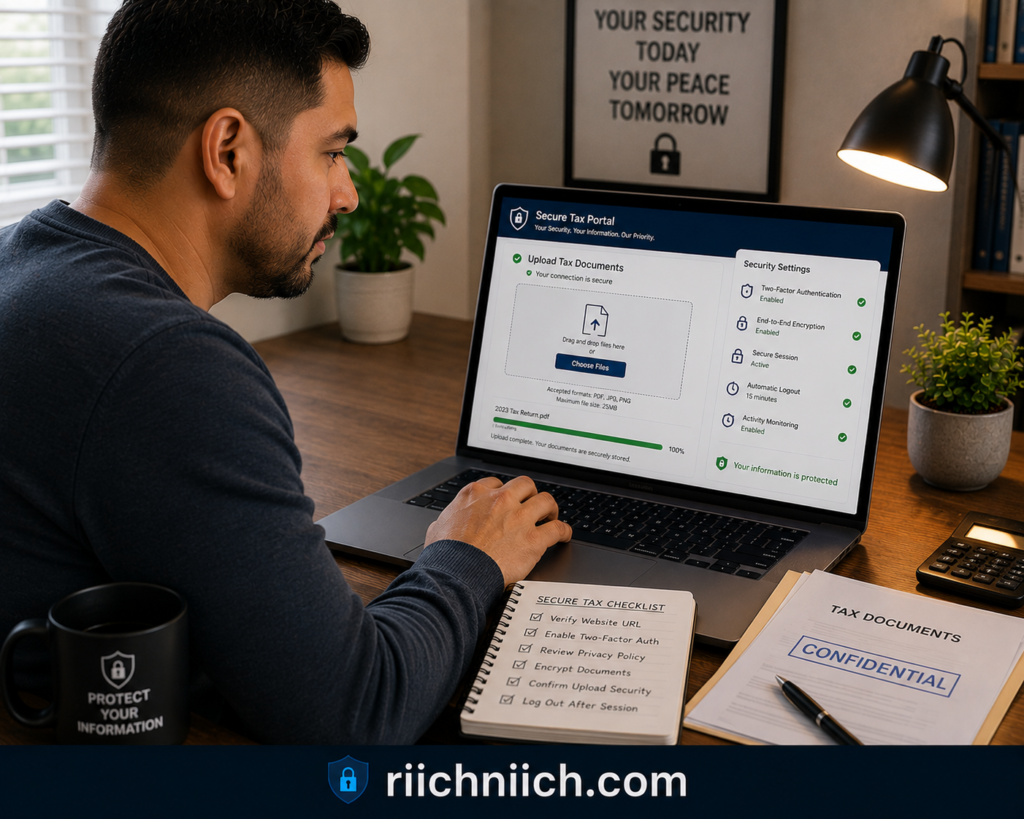
- Store digital tax documents in encrypted or password-protected locations.
- Avoid sending tax forms through unsecured email whenever possible.
- File your tax return as early as you reasonably can to reduce the risk of refund fraud.
- Shred paper tax documents before disposing of them.
- Monitor your financial accounts and credit reports for suspicious activity.
- Use identity theft protection services that monitor your personal information and alert you to signs of fraud involving your identity.
Taking these precautions can significantly reduce the chances of becoming a victim of tax-related identity theft.
For additional guidance on protecting tax records and responding to tax-related identity theft, review resources from the Internal Revenue Service.
12. Login Credentials
Among all the answers to what personal information do hackers want most, login credentials are some of the most valuable because they provide immediate access to your online accounts. Login credentials typically include your username or email address along with your password, giving cybercriminals a direct path to your financial accounts, cloud storage, shopping websites, healthcare portals, and social media profiles.
Once hackers gain access to one account, they often search for additional personal information that can be used to compromise even more accounts or commit identity theft.
Why Hackers Want Login Credentials
Stolen login credentials save hackers time and effort. Instead of trying to guess passwords or bypass security systems, they can simply log in as if they were the legitimate account owner.
Hackers commonly use stolen login credentials to:
- Access online banking and financial accounts.
- Take over email accounts and change recovery settings.
- View stored payment methods for unauthorized purchases.
- Steal sensitive documents stored in cloud storage.
- Access healthcare, tax, or government portals.
- Launch additional phishing attacks using compromised accounts.
- Gather more personal information to commit identity theft.
Because many people reuse usernames and passwords across multiple websites, a single set of stolen login credentials can lead to multiple compromised accounts.
How Hackers Steal Login Credentials
Cybercriminals use several methods to obtain login credentials, including:
- Phishing emails directing victims to fake login pages.
- Malware that records usernames and passwords.
- Credential stuffing attacks using passwords exposed in previous data breaches.
- Fake mobile apps designed to capture login information.
- Public Wi-Fi attacks targeting unsecured connections.
- Weak or reused passwords that are easy to guess or crack.
Many victims never realize their credentials have been stolen until they receive password reset notifications or discover unauthorized activity in their accounts.
How to Protect Your Login Credentials
Understanding what personal information do hackers want most should encourage you to make login security one of your highest priorities.
To better protect your login credentials:
- Create a unique username and password combination whenever possible.
- Use a reputable password manager to generate and securely store strong passwords.
- Enable multi-factor authentication on every account that supports it.
- Avoid clicking login links in unsolicited emails or text messages.
- Regularly review your account login history for unfamiliar devices or locations.
- Change your passwords immediately if you learn that one of your accounts was involved in a data breach.
Many identity theft protection services also monitor for compromised login credentials on known data breach databases and dark web marketplaces, helping you take action before criminals can use your information.
How Hackers Get Your Personal Information
Understanding what personal information do hackers want most is only part of the equation. Knowing how cybercriminals obtain that information is just as important because many attacks rely on everyday habits that most people never think twice about.
Hackers rarely break into a single computer like you see in movies. Instead, they often collect personal information from multiple sources over time. They combine leaked data, public records, phishing scams, malware, and information shared online to build a detailed profile that can be used for identity theft or financial fraud.
The more pieces of personal data they collect, the easier it becomes to access your accounts, answer security questions, and impersonate you.
Data Breaches
One of the most common ways hackers obtain personal information is through data breaches. When companies experience a security incident, customer information such as names, email addresses, passwords, phone numbers, and even Social Security numbers may be exposed.
Even if you follow good security practices, your information can still be compromised if a company you do business with experiences a breach.
If your information has already been exposed, read our guide on What Happens After a Data Breach so you know what to expect next.
Phishing Scams
Phishing remains one of the most successful methods for stealing personal data. Criminals create fake emails, text messages, or websites that appear to come from trusted organizations such as banks, delivery companies, or government agencies.
These scams trick victims into revealing:
- Login credentials
- Banking information
- Credit card numbers
- Social Security numbers
- Multi-factor authentication codes
A single phishing attack can provide hackers with enough information to begin committing identity theft.
Malware and Spyware
Malicious software installed on a computer or smartphone can quietly collect sensitive personal information without the owner’s knowledge.
Certain types of malware are designed to:
- Record everything you type.
- Capture passwords and login credentials.
- Monitor online banking activity.
- Steal stored browser information.
- Access personal documents and photos.
Keeping your devices updated and using reputable security software can help reduce the risk of malware infections.
Data Broker Websites
Many people are surprised to learn that their personal information may already be publicly available through data broker and people-search websites.
These companies collect information from public records, marketing databases, surveys, online purchases, and other legal sources before compiling detailed personal profiles.
Hackers frequently use these websites to gather:
- Home addresses
- Phone numbers
- Email addresses
- Family relationships
- Previous addresses
- Age and date of birth
Reducing your exposure on these websites can make it more difficult for cybercriminals to build complete identity profiles.
Social Media
Social media platforms often provide more personal information than users realize.
Public posts may reveal:
- Birthdays
- Family members
- Vacation plans
- Home locations
- Employers
- Daily routines
Hackers use this information to create convincing phishing attacks or answer account recovery questions.
Before posting personal updates, consider whether the information could help someone verify your identity.
Public Wi-Fi Networks
Unsecured public Wi-Fi networks can expose personal information if proper precautions are not taken. While modern websites generally encrypt sensitive data, fake hotspots and other attacks can still put users at risk.
Whenever possible:
- Avoid logging into financial accounts on public Wi-Fi.
- Use a trusted virtual private network (VPN).
- Verify that websites use secure HTTPS connections.
- Disable automatic connections to unknown wireless networks.
Protecting Yourself Starts With Limiting Exposure
Learning what personal information do hackers want most is only useful if you also reduce the opportunities for criminals to obtain it. Every piece of personal information you keep private makes it harder for cybercriminals to steal your identity.
Using strong passwords, enabling multi-factor authentication, monitoring your financial accounts, removing personal information from data broker websites, and investing in identity theft protection can dramatically reduce your overall risk.
Services that combine identity monitoring, dark web monitoring, personal information removal, and fraud alerts provide multiple layers of protection, helping you detect suspicious activity before it turns into a costly identity theft case.
To learn more about protecting your personal information, review cybersecurity guidance from the Cybersecurity and Infrastructure Security Agency and identity theft prevention resources from the Federal Trade Commission.
What Hackers Can Do With Your Personal Information
Once cybercriminals collect enough personal data, the possibilities are almost endless. Understanding what personal information do hackers want most also means understanding how that information is used after it has been stolen. In many cases, hackers don’t stop after stealing one piece of information—they continue gathering additional details until they have enough to impersonate you completely.
The financial, emotional, and legal consequences of identity theft can last for months or even years. Fortunately, recognizing the risks early and monitoring your personal information can significantly reduce the damage.
Open Fraudulent Financial Accounts
One of the most common uses for stolen personal information is opening new financial accounts.
Hackers may use your information to:
- Apply for credit cards.
- Open personal loans.
- Finance vehicles.
- Establish utility accounts.
- Create online payment accounts.
Victims often discover these fraudulent accounts only after receiving collection notices or noticing unexpected changes to their credit reports.
Take Over Your Online Accounts
With enough personal information, hackers can reset passwords, bypass account recovery systems, and gain access to your online accounts.
Compromised accounts may include:
- Email accounts.
- Banking apps.
- Shopping websites.
- Cloud storage.
- Social media profiles.
- Healthcare portals.
Once inside these accounts, criminals can gather even more personal information or lock you out entirely.
Commit Identity Theft
Identity theft remains one of the primary reasons hackers collect personal information.
Using stolen data, criminals may:
- Impersonate you during financial transactions.
- Apply for loans or government benefits.
- Obtain medical services in your name.
- Commit tax fraud.
- Pass identity verification checks.
The more complete your identity profile becomes, the easier it is for cybercriminals to commit long-term fraud.
Sell Your Information to Other Criminals
Hackers do not always use stolen personal information themselves. In many cases, they package and sell complete identity profiles on underground marketplaces.
These profiles often contain:
- Full name.
- Home address.
- Phone number.
- Email address.
- Social Security number.
- Banking information.
- Login credentials.
Because your information can be sold multiple times, several criminals may attempt to exploit the same stolen data over an extended period.
Target You With More Sophisticated Scams
Once criminals know enough about you, they can create highly convincing phishing emails, text messages, and phone scams.
These attacks often appear legitimate because they include personal details such as:
- Your name.
- Your employer.
- Recent purchases.
- Financial institutions.
- Family members.
- Home address.
The more information hackers collect, the more believable these scams become.
Why Early Detection Matters
Understanding what personal information do hackers want most is important, but detecting suspicious activity early is even more valuable.
Monitoring your credit reports, financial accounts, and identity can help you identify problems before they become major financial losses. Many identity theft protection services provide real-time alerts for suspicious activity, dark web monitoring, credit monitoring, and identity recovery support, allowing you to respond much faster if your personal information is exposed.
The sooner suspicious activity is detected, the greater your chances of preventing long-term identity theft and minimizing financial damage.
How to Protect Your Personal Information from Hackers
After learning what personal information do hackers want most, the next step is protecting that information before cybercriminals have the opportunity to exploit it. While no security solution can eliminate every risk, combining smart online habits with identity protection tools can significantly reduce your chances of becoming a victim of identity theft or financial fraud.
You can also follow our complete checklist on How to Protect Your Personal Data Online for additional ways to reduce your digital footprint.
The goal is to make yourself a more difficult target. The more layers of protection you have, the less likely hackers are to gain access to your sensitive personal information.
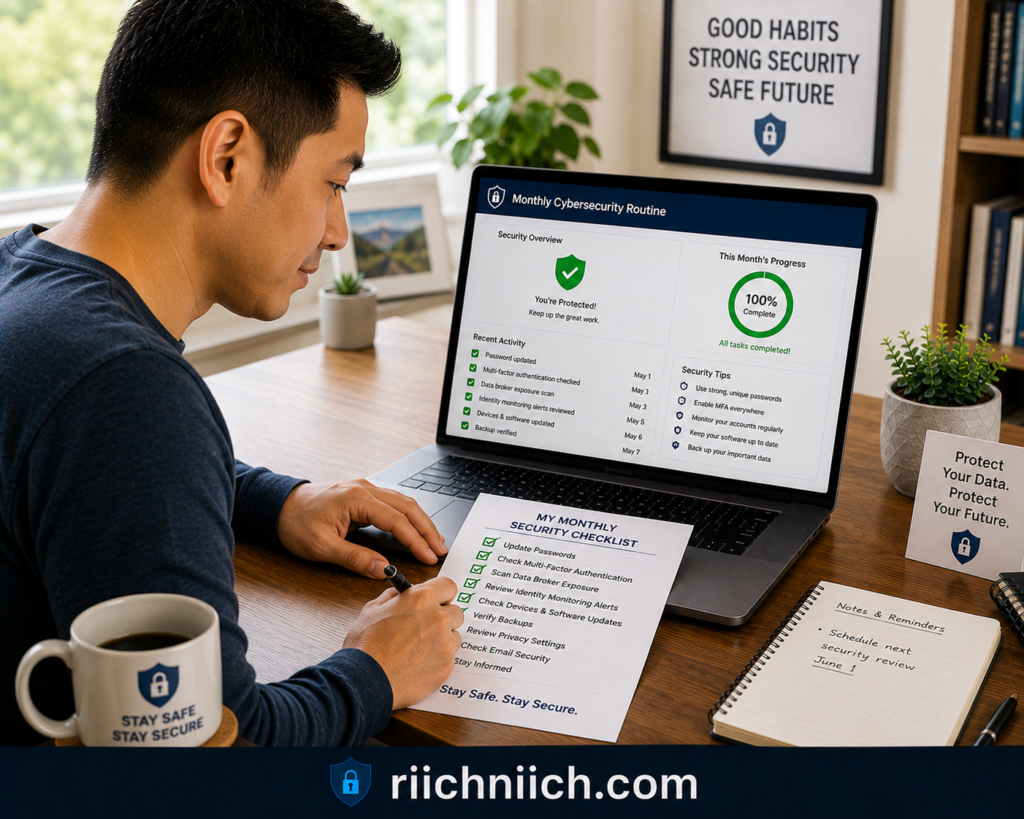
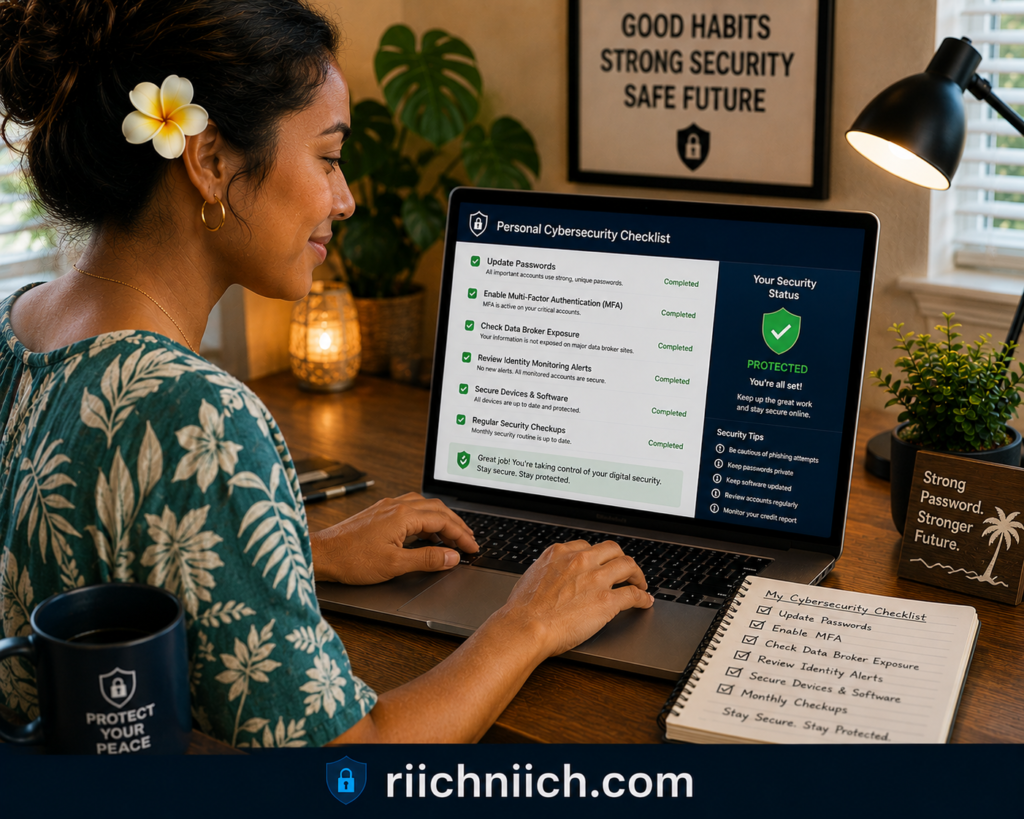
Use Strong, Unique Passwords
Your passwords are the first line of defense against unauthorized account access.
To improve password security:
- Create a different password for every online account.
- Use long passwords or passphrases that are difficult to guess.
- Store passwords in a trusted password manager.
- Avoid reusing passwords across multiple websites.
Strong passwords help prevent credential stuffing attacks and reduce the damage if one account is compromised.
Enable Multi-Factor Authentication
Multi-factor authentication (MFA) adds an extra layer of security by requiring a second form of verification before someone can access your account.
Whenever possible:
- Enable MFA for banking accounts.
- Protect your email account with MFA.
- Secure shopping, healthcare, and cloud storage accounts.
- Use an authentication app instead of SMS verification when available.
Even if a hacker steals your password, MFA can often stop unauthorized access.
Monitor Your Financial Accounts and Credit
Reviewing your financial activity regularly allows you to detect fraud before it becomes a larger problem.
Make it a habit to:
- Review bank and credit card statements.
- Check your credit reports throughout the year.
- Watch for unfamiliar credit inquiries.
- Enable account alerts for unusual activity.
Early detection often limits financial losses and speeds up identity theft recovery.
Remove Personal Information From Data Broker Websites
Many hackers begin by collecting information that is already publicly available.
Removing your information from data broker and people-search websites can reduce your online exposure by limiting access to details such as:
- Home address.
- Phone number.
- Email address.
- Family members.
- Previous addresses.
Reducing publicly available personal information makes it more difficult for cybercriminals to build a complete identity profile.
Watch for Phishing Scams
Phishing remains one of the most common ways criminals steal personal information.
Before clicking links or opening attachments:
- Verify the sender.
- Look for spelling or grammar mistakes.
- Avoid entering personal information on unfamiliar websites.
- Contact companies directly if you receive suspicious messages.
A few extra seconds of caution can prevent a costly identity theft incident.
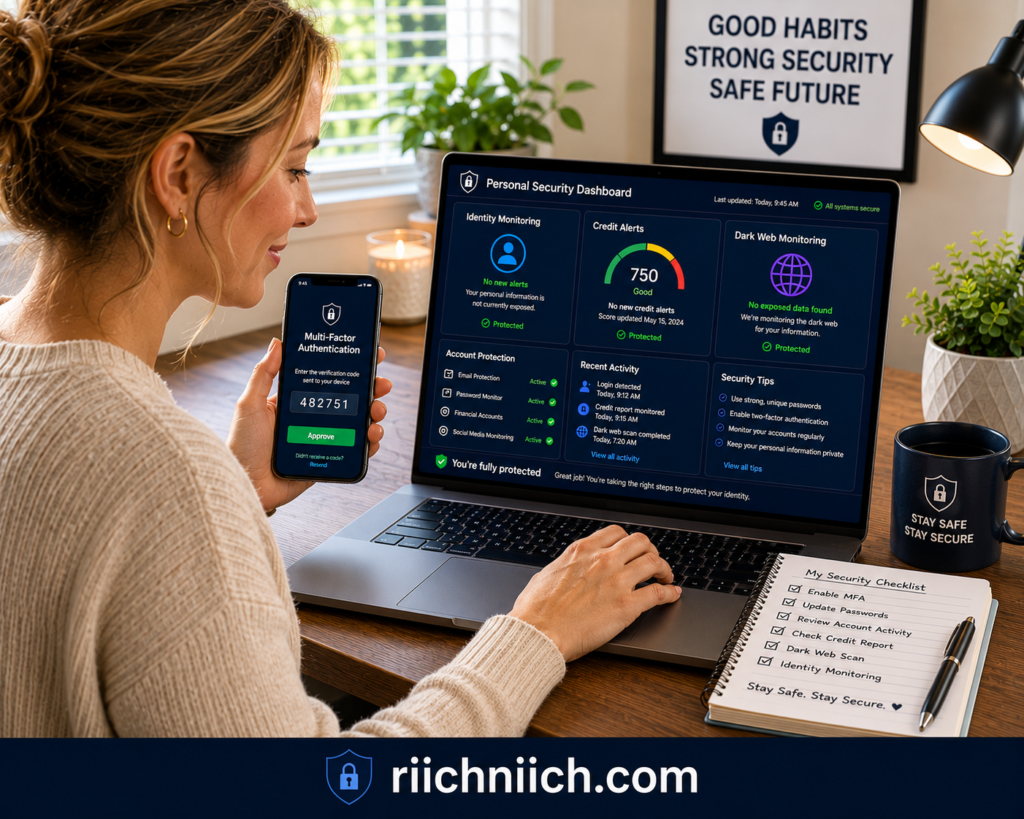
Use Identity Theft Protection Services
👉 Our preferred is Aura because it combines identity monitoring, credit monitoring, dark web monitoring, fraud alerts, and identity restoration into one easy-to-use dashboard, making it much easier to stay ahead of cybercriminals.
If you’re concerned about what personal information do hackers want most, one of the most effective ways to stay ahead of cybercriminals is by using a comprehensive identity theft protection service.
Many services provide features such as:
- Identity monitoring.
- Credit monitoring.
- Dark web monitoring.
- Fraud alerts.
- Personal information monitoring.
- Identity restoration assistance.
- Insurance coverage for eligible identity theft expenses.
These tools work together to detect suspicious activity quickly and help you respond before hackers can cause significant financial damage. For many people, especially those who shop online frequently or have experienced a previous data breach, identity theft protection can provide valuable peace of mind.
For additional guidance on protecting sensitive personal information, review cybersecurity recommendations from the Cybersecurity and Infrastructure Security Agency and identity theft prevention resources from the Federal Trade Commission. Together with proactive monitoring and good security habits, these best practices can help keep your personal information out of the hands of cybercriminals.
When Identity Theft Protection Makes Sense
By now, you’ve seen what personal information do hackers want most and how easily cybercriminals can combine small pieces of personal data into a complete identity profile. While practicing good cybersecurity habits is essential, monitoring your personal information manually can become difficult as the number of online accounts, data breaches, and digital threats continues to grow.
This is where identity theft protection becomes a valuable investment. Instead of waiting until your identity is stolen, these services help detect suspicious activity early, giving you a better chance to stop fraud before it causes significant financial damage.
Who Should Consider Identity Theft Protection?
Identity theft protection can be especially valuable if you:
- Frequently shop or bank online.
- Have been affected by a previous data breach.
- Store sensitive financial information online.
- Use the same email address across multiple accounts.
- Manage accounts for your family members.
- Want continuous monitoring instead of manually checking multiple accounts.
- Prefer receiving alerts when suspicious activity is detected.
Even people who practice excellent online security can become victims when companies they trust experience data breaches.
Not sure whether these services are right for you? Read, ‘Do You Really Need Identity Theft Protection?‘ before making your decision.
If you’re ready to compare providers, see our guide to the Best Identity Theft Protection Services to find the right option for your needs.
What Features Should You Look For?
Not every identity theft protection service offers the same level of protection. When comparing providers, look for features that help detect and respond to identity theft quickly.
Useful features include:
- Identity monitoring.
- Credit monitoring.
- Dark web monitoring.
- Financial account monitoring.
- Personal information monitoring.
- Fraud alerts.
- Identity restoration assistance.
- Identity theft insurance for eligible losses and expenses.
- Data broker removal or privacy protection tools.
The more comprehensive the monitoring, the sooner you’ll know if your personal information has been exposed or misused.
Why Early Detection Matters
After learning what personal information do hackers want most, it’s clear that criminals rarely stop after stealing one piece of information. They often continue collecting passwords, financial information, government identification, and personal records until they can fully impersonate a victim.
Identity theft protection services work by continuously monitoring many of these risk areas and notifying you when unusual activity occurs. Early alerts allow you to:
- Freeze your credit before new accounts are opened.
- Secure compromised online accounts.
- Replace stolen passwords.
- Report fraud more quickly.
- Reduce financial losses.
- Begin identity recovery sooner.
Responding early is often the difference between a minor security issue and months of identity theft recovery.
Choosing the Right Protection
If your personal information is widely available online, or if you’ve ever been involved in a data breach, investing in identity theft protection can provide an additional layer of security beyond antivirus software or a VPN.
Many comprehensive services combine identity monitoring, credit monitoring, dark web monitoring, fraud alerts, and identity restoration support into one platform, making it much easier to stay informed about potential threats.
Since what personal information do hackers want most includes everything from your Social Security number to your login credentials, protecting multiple parts of your digital identity through one service can be a practical way to reduce your overall risk.
For more information about reducing your risk of identity theft, review guidance from the Federal Trade Commission and the Cybersecurity and Infrastructure Security Agency. Combining their recommended security practices with a trusted identity theft protection service can help you stay ahead of evolving cyber threats.
Frequently Asked Questions About What Personal Information Do Hackers Want Most
What personal information do hackers want most?
What personal information do hackers want most includes Social Security numbers, email addresses, passwords, banking information, credit card details, phone numbers, driver’s license numbers, dates of birth, medical records, tax information, and login credentials. Criminals often combine several pieces of personal data to commit identity theft, financial fraud, or account takeover attacks.
Can hackers steal my identity with just my email address?
An email address alone usually isn’t enough to steal your identity. However, if hackers also obtain your password or use phishing attacks to access your email account, they may be able to reset passwords for banking, shopping, and social media accounts. Protecting your email account with a strong password and multi-factor authentication is one of the best ways to reduce this risk.
What is the most dangerous piece of personal information to lose?
A Social Security number is generally considered one of the most valuable pieces of personal information because it is difficult to change and is widely used for identity verification. Combined with your name and date of birth, it can be used to open financial accounts, commit tax fraud, or apply for government benefits.
How do hackers usually get personal information?
Hackers obtain personal information through data breaches, phishing emails, malware, fake websites, public Wi-Fi attacks, data broker websites, social media, and identity theft scams. Many cybercriminals collect small pieces of information from multiple sources before attempting fraud.
Can hackers use my phone number against me?
Yes. Your phone number can be used in phishing text messages, SIM swap attacks, and account recovery attempts. If hackers gain control of your mobile number, they may intercept security codes used to access your online accounts.
How can I tell if my personal information has been stolen?
Common warning signs include:
- Unexpected credit inquiries.
- Unfamiliar financial accounts.
- Password reset notifications you didn’t request.
- Unauthorized bank or credit card transactions.
- Missing mail.
- Tax returns being rejected because one has already been filed.
Monitoring your financial accounts and credit reports regularly can help detect these problems early.
How can I better protect my personal information?
After learning what personal information do hackers want most, you can reduce your risk by:
- Using strong, unique passwords.
- Enabling multi-factor authentication.
- Monitoring your credit reports.
- Removing your information from data broker websites.
- Avoiding phishing scams.
- Keeping your devices updated.
- Using identity theft protection services that monitor your personal information for suspicious activity.
Is identity theft protection worth it?
For many people, yes. Identity theft protection can continuously monitor your personal information, credit activity, and dark web exposure while sending alerts when suspicious activity is detected. This allows you to respond more quickly and may reduce the financial and emotional impact of identity theft.
If you’d like additional information about identity theft prevention or recovering from fraud, review consumer guidance from the Federal Trade Commission and cybersecurity recommendations from the Cybersecurity and Infrastructure Security Agency. These resources provide practical advice for protecting sensitive personal information and responding to security incidents.
Conclusion: What Personal Information Do Hackers Want Most?
If you’ve been asking what personal information do hackers want most, the answer is clear: cybercriminals are interested in any information that helps them steal money, take over accounts, or commit identity theft. While Social Security numbers, banking information, passwords, and login credentials are among the most valuable targets, even details like your phone number, home address, or date of birth can become dangerous when combined with other exposed personal information.
The reality is that hackers rarely rely on a single piece of data. Instead, they collect information from data breaches, phishing scams, public records, social media, and data broker websites until they have enough to build a complete identity profile. Once that happens, they may open fraudulent accounts, access your financial information, commit tax fraud, or sell your personal data to other criminals.
Fortunately, there are practical steps you can take to reduce your risk. Using strong passwords, enabling multi-factor authentication, monitoring your financial accounts, checking your credit reports, and removing your personal information from data broker websites all make it harder for cybercriminals to target you.
However, as data breaches continue to increase, protecting your information manually becomes more difficult. If you regularly bank online, shop online, manage multiple accounts, or simply want additional peace of mind, investing in a comprehensive identity theft protection service can be a smart decision.
The best identity protection services combine:
- Identity monitoring.
- Credit monitoring.
- Dark web monitoring.
- Fraud alerts.
- Personal information monitoring.
- Identity restoration support.
- Identity theft insurance for eligible losses and expenses.
These features work together to alert you when suspicious activity occurs, allowing you to respond before identity theft causes significant financial damage.
Ultimately, understanding what personal information do hackers want most is the first step toward protecting your digital identity. The second—and more important—step is taking action before criminals have the opportunity to exploit your personal information. A proactive approach today can save you countless hours, financial losses, and stress in the future.
👉 Ready to better protect your personal information? Compare today’s Best Identity Theft Protection Services and choose the one that fits your budget and security needs before hackers have the opportunity to exploit your information.