
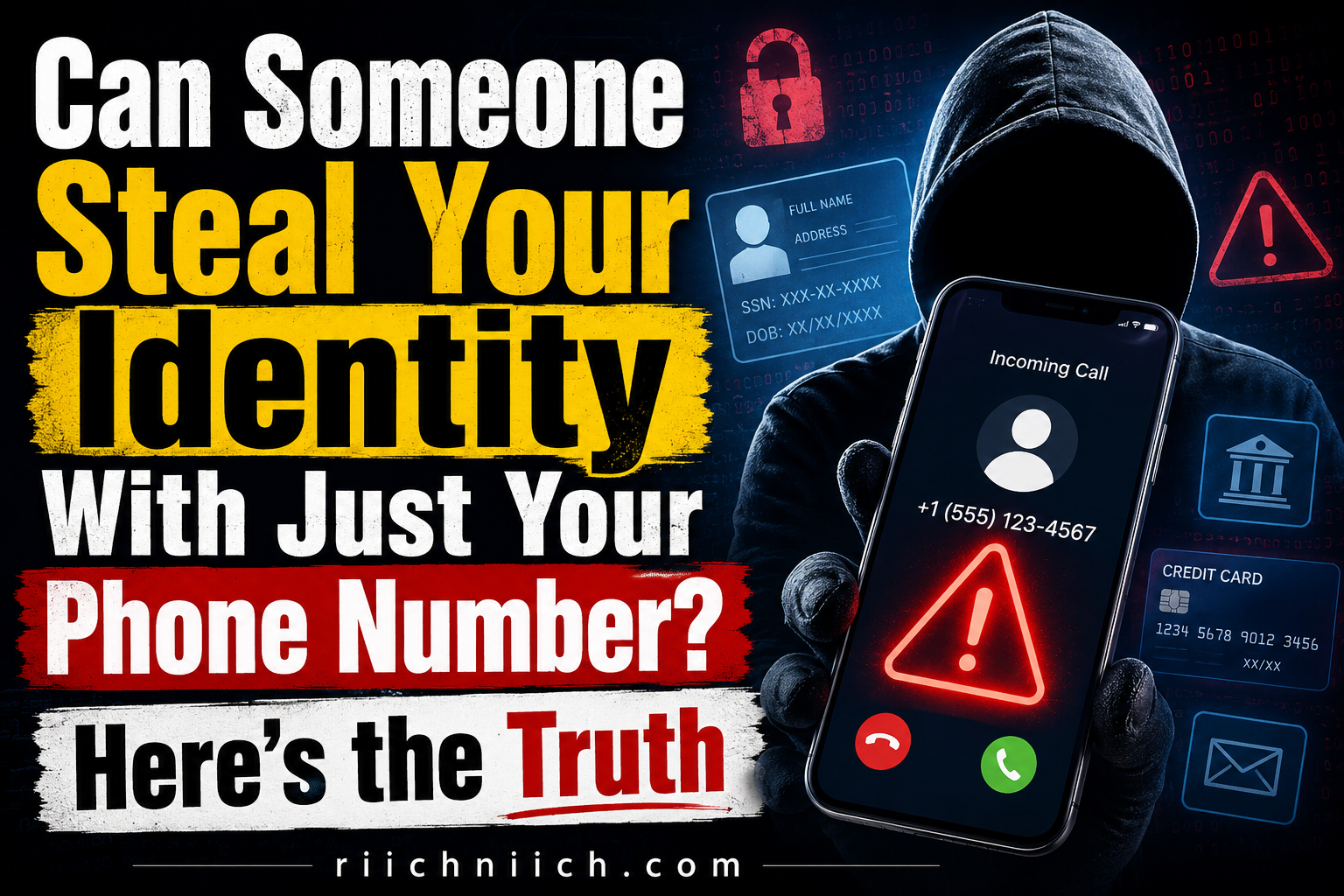
Can someone steal your identity with just your phone number? It’s a question more people are asking as phone scams, data breaches, and identity theft continue to rise. While your phone number alone usually isn’t enough for criminals to steal your identity, it can become the first piece of information they use to target your online accounts, gather more personal data, and attempt fraud. In this guide, you’ll learn what scammers can actually do with your phone number, the warning signs to watch for, practical ways to protect yourself, and whether identity theft protection is worth considering to keep your personal information safe.
Before learning whether can someone steal your identity with just your phone number, it’s helpful to understand the many ways criminals obtain personal information in the first place. Read our guide on How Hackers Get Your Personal Data.
Table of Contents
🔥 Quick Answer: Can Someone Steal Your Identity With Just Your Phone Number?
The short answer is yes—but not usually with your phone number alone. If you’re wondering, can someone steal your identity with just your phone number, the answer is that your phone number can become a valuable starting point for criminals. While it typically isn’t enough to commit full identity theft by itself, scammers can use it alongside other personal information obtained through data breaches, phishing attacks, social media, or data broker websites to impersonate you, access accounts, or commit fraud.
For example, a criminal may attempt a SIM swapping attack to hijack your phone number, intercept security verification codes, and gain access to sensitive online accounts. According to guidance from the Federal Communications Commission (FCC), protecting your mobile account with a strong PIN and being alert to unexpected service interruptions can help reduce the risk of SIM swap fraud. They also recommend contacting your wireless carrier immediately if you suspect unauthorized activity.
If you’re concerned that your phone number may already be publicly available, our guide on How to Remove Your Phone Number From Data Broker Sites explains how to reduce your online exposure.
If your phone number has been exposed online, it’s also common to receive phishing text messages, scam phone calls, and fake account alerts designed to trick you into revealing passwords, financial information, or one-time verification codes. Once criminals collect enough information, they may attempt account takeovers, financial fraud, or identity theft.
The good news is that you can significantly lower your risk by limiting where you share your phone number, removing it from public data broker websites, enabling multi-factor authentication whenever possible, and using a trusted identity theft protection service that provides identity monitoring, dark web monitoring, fraud alerts, and identity restoration support. Taking these preventative steps is much easier than recovering after your identity has already been stolen.

👉 If you’re serious about protecting your identity before criminals can combine your phone number with other personal information, I recommend checking out Aura Identity Theft Protection. It includes identity monitoring, dark web monitoring, credit monitoring, fraud alerts, and identity restoration to help you catch threats early before they become expensive problems.
What Does It Mean If Someone Has Your Phone Number?
Having your phone number does not automatically mean someone can steal your identity. However, if you’re asking can someone steal your identity with just your phone number, it’s important to understand that your phone number is often the first piece of information cybercriminals use to build a profile about you. From there, they may try to uncover your email address, home address, date of birth, or other personal details that can be used in identity theft or financial fraud.
Many scammers search data broker websites, public records, and social media platforms to connect your phone number with additional information. The Federal Trade Commission (FTC) warns that criminals frequently combine publicly available information with data exposed in breaches to impersonate victims, bypass security questions, and target them with convincing phishing scams. This is why protecting even seemingly harmless information, such as your phone number, is an important part of your overall cybersecurity strategy.
Once a scammer has your phone number, you may notice an increase in spam calls, scam text messages (smishing), fake package delivery notifications, banking alerts, or messages pretending to be from well-known companies. These attacks are designed to trick you into clicking malicious links, downloading malware, or revealing passwords and one-time verification codes. While these scams do not guarantee identity theft, they often serve as the first step toward account takeover or fraud.
Your phone number can also become a target for SIM swapping, where criminals convince your mobile carrier to transfer your number to a different SIM card under their control. The Cybersecurity and Infrastructure Security Agency (CISA) recommends using strong account security, enabling multi-factor authentication with authentication apps when available, and setting a carrier PIN to make unauthorized transfers more difficult. These simple precautions can dramatically reduce your risk.
Because your phone number is connected to banking apps, email accounts, social media profiles, and online shopping accounts, protecting it should be treated just as seriously as protecting your password. If you’re concerned about can someone steal your identity with just your phone number, taking proactive steps now—such as removing your information from data broker websites, monitoring your identity, and using a reputable identity theft protection service—can help detect suspicious activity early and provide support if criminals ever attempt to misuse your personal information.
Many scammers find personal information through companies that collect and sell consumer data. Learn how these businesses operate in our guide to What Is a Data Broker?
What Can Criminals Actually Do With Your Phone Number?
If you’ve been asking can someone steal your identity with just your phone number, it’s important to understand what criminals can realistically do once they have it. While your phone number alone is usually not enough to commit full identity theft, it can be a powerful tool for gathering additional personal information and launching targeted attacks against you.
Launch Phishing and Smishing Attacks
One of the most common tactics is sending fraudulent text messages, also known as smishing. These messages often appear to come from your bank, a delivery company, your wireless carrier, or even a government agency. Their goal is to trick you into clicking a malicious link or entering sensitive information. The Federal Trade Commission (FTC) advises consumers to avoid clicking unexpected links in text messages and to verify requests by contacting the organization directly through its official website or phone number.
Want to recognize phishing attempts before they fool you? Read our complete guide on How Phishing Scams Work.
Attempt a SIM Swapping Attack
Criminals may try to convince your mobile carrier to transfer your phone number to a SIM card they control. Once successful, they can receive your calls and text messages—including one-time verification codes used to access email accounts, banking apps, cryptocurrency wallets, and other online services. Because of this risk, many mobile providers allow customers to add a security PIN or port-out lock to their accounts for additional protection.
Search for More Personal Information
A phone number can act like a starting point for finding much more about you. Criminals often search data broker websites, people-search databases, and public records to uncover your full name, address, relatives, email addresses, and other personal details. By combining this information with data leaked in previous breaches, they may build a profile that increases their chances of committing fraud.
Target Your Online Accounts
Many websites allow users to log in, recover passwords, or verify identities using a phone number. Criminals may exploit this by initiating password reset requests or attempting account takeover attacks. The National Institute of Standards and Technology (NIST) recommends using strong, unique passwords and enabling multi-factor authentication whenever available to reduce this risk.
Impersonate You
Scammers may use your phone number when contacting friends, family members, or businesses to appear more convincing. They might pretend to be you during customer support calls or send fake messages requesting money or personal information. While this doesn’t always result in identity theft, it can damage your reputation and expose additional personal data.
Increase Your Exposure to Future Scams
Once your phone number appears on scam lists or is sold among cybercriminals, you may experience an increase in robocalls, phishing texts, fake investment offers, tech support scams, and other fraudulent communications. These repeated attempts are designed to catch you off guard until one succeeds.
Although the answer to can someone steal your identity with just your phone number is generally no, your phone number can become the first piece of a much larger puzzle. Protecting it, limiting where you share it, removing it from data broker websites, and using a reputable identity theft protection service with identity monitoring, dark web monitoring, and fraud alerts can help reduce your risk before criminals have the opportunity to gather the additional information they need.
Common Scams That Start With a Stolen Phone Number
If you’re wondering can someone steal your identity with just your phone number, it’s important to recognize that many identity theft cases begin with scams designed to collect additional personal information. A stolen phone number is often the first step—not the final goal. Criminals use it to build trust, trick victims into revealing sensitive data, or gain access to valuable online accounts.
Smishing (Fraudulent Text Messages)
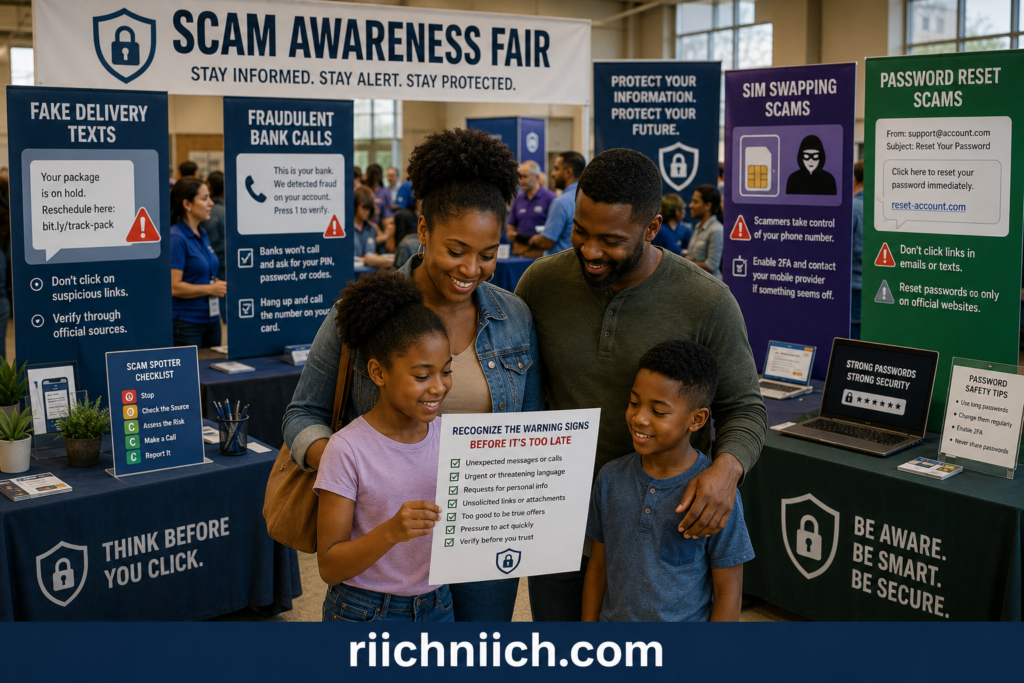
Smishing is one of the fastest-growing cybercrimes. Criminals send text messages that appear to come from trusted organizations, such as banks, package delivery companies, mobile carriers, or government agencies. These messages often claim there’s suspicious account activity, a missed delivery, or an urgent payment issue that requires immediate action.
The Federal Communications Commission (FCC) advises consumers to avoid clicking links in unexpected text messages and to verify requests by contacting the company through its official website or customer service number instead of responding directly to the text.
SIM Swapping Scams
In a SIM swapping scam, criminals convince a mobile carrier to transfer your phone number to a SIM card they control. Once they receive your calls and text messages, they may intercept one-time security codes used for banking, email, cryptocurrency, and other online accounts. This scam can quickly lead to account takeover if additional security measures are not in place.
Fake Customer Support Calls
Scammers may call pretending to represent your bank, wireless provider, or a well-known technology company. Because they already know your phone number, the conversation can seem legitimate. They often pressure victims into confirming personal information, sharing verification codes, or installing remote access software on their devices.
Password Reset Scams
Many online accounts allow password recovery using a registered phone number. Criminals may initiate password reset requests and then contact you pretending to help resolve a “security issue.” Their real objective is to convince you to share the verification code sent to your phone so they can access your account.
Investment and Financial Fraud
A stolen phone number can also lead to fake investment opportunities, cryptocurrency scams, loan offers, or debt relief schemes. These scams often begin with an unsolicited phone call or text message promising guaranteed returns or urgent financial assistance. Once trust is established, victims may be persuaded to send money or disclose sensitive financial information.
Family Emergency and Impersonation Scams
Some criminals use publicly available information gathered from social media and data broker websites to impersonate family members or close friends. They may send urgent messages claiming they’ve been in an accident, lost their phone, or need immediate financial help. Combining your phone number with other personal information makes these scams appear much more convincing.
Protect Yourself Before Scammers Have More Than Your Phone Number
The answer to can someone steal your identity with just your phone number is usually no, but these scams demonstrate how quickly criminals can turn a single piece of information into something much more dangerous. Protecting your phone number, limiting where you share it, enabling strong account security, and using a trusted identity theft protection service with identity monitoring, dark web monitoring, fraud alerts, and identity restoration support can help detect suspicious activity before it escalates into identity theft.
If spam calls and scam texts have become a daily problem, follow these practical steps in How to Stop Spam Calls and Scam Messages.
How Criminals Combine Your Phone Number With Other Personal Information
If you’re asking can someone steal your identity with just your phone number, it’s important to understand that criminals rarely rely on a single piece of information. Instead, they collect small bits of personal data from multiple sources until they have enough to impersonate you, bypass security measures, or commit identity theft. Your phone number often serves as the starting point that helps them connect the rest of the pieces.
Step 1: They Search Data Broker Websites
Many data broker websites collect and sell personal information, including names, addresses, email addresses, age ranges, relatives, and previous residences. By entering a phone number into these databases, criminals may uncover additional information that helps them build a detailed profile. The Federal Trade Commission (FTC) encourages consumers to limit the personal information they share online and regularly review where their information appears.
You can also reduce the amount of personal information available online by following our step-by-step guide on How to Opt Out of Data Brokers.
Step 2: They Look for Data Breach Records
If your phone number has appeared in a previous data breach, it may already be associated with leaked email addresses, usernames, passwords, or other account information. Criminals frequently combine breach data with publicly available information to increase their chances of successfully accessing online accounts or committing fraud.
Step 3: They Examine Your Social Media Profiles
Social media can reveal much more than people realize. Photos, birthday celebrations, employment history, family members, vacation updates, and even comments can provide valuable clues about your identity. A scammer who already has your phone number may use this information to answer security questions, create convincing phishing messages, or impersonate someone you trust.
Step 4: They Connect Multiple Pieces Together
Once criminals gather enough information, they begin connecting everything into a complete profile. Your phone number may become linked to your full name, home address, email account, financial institution, employer, and other personal details. The Cybersecurity and Infrastructure Security Agency (CISA) recommends limiting the amount of personal information you share publicly because seemingly harmless details can become valuable when combined with other data.
Step 5: They Attempt Account Takeovers or Identity Fraud
After building a more complete profile, criminals may attempt password resets, phishing attacks, SIM swapping, fraudulent loan applications, or unauthorized account access. While can someone steal your identity with just your phone number is generally answered with no, combining your phone number with information from data breaches, public records, and social media significantly increases the risk of identity theft.
Reduce the Information Criminals Can Collect
The best defense is making it difficult for criminals to complete the puzzle. Removing your information from data broker websites, using strong and unique passwords, enabling multi-factor authentication, restricting what you share on social media, and investing in a trusted identity theft protection service can greatly reduce your exposure. Services that include identity monitoring, dark web monitoring, fraud alerts, and identity restoration can also notify you if your personal information appears in places it shouldn’t, giving you the opportunity to act before criminals can misuse it.
Warning Signs That Someone May Be Misusing Your Phone Number
If you’ve been wondering can someone steal your identity with just your phone number, recognizing the early warning signs can help you stop fraud before it becomes a much bigger problem. While a stolen phone number alone usually isn’t enough to commit identity theft, unusual activity involving your phone can indicate that criminals are attempting to gather more personal information or gain access to your online accounts.
You Suddenly Stop Receiving Calls or Text Messages
One of the biggest red flags is when your phone unexpectedly loses service without explanation. If you can’t make or receive calls and text messages while others on the same network have service, your phone number may have been transferred during a SIM swapping attack. The Federal Communications Commission (FCC) recommends contacting your wireless carrier immediately if your phone suddenly loses service, especially if you were not expecting any account changes.
You Receive Verification Codes You Didn’t Request
If your phone starts receiving one-time verification codes for password resets, banking logins, or email accounts that you didn’t initiate, someone may be trying to access your accounts. Never share these codes with anyone, even if the request appears to come from a trusted company or claims to be part of customer support.
Your Mobile Carrier Notifies You of Account Changes
Unexpected emails or text messages about a SIM replacement, phone number transfer, password change, or account update should never be ignored. Even if the change is unsuccessful, it could indicate that someone has attempted to gain control of your mobile account.
Friends or Family Say They Received Strange Messages From You
If people you know report receiving unusual text messages, phone calls, or requests for money that you never sent, scammers may be spoofing your phone number or attempting to impersonate you. While caller ID spoofing doesn’t always mean your account has been compromised, it should prompt you to review your account security and notify your contacts.
You Notice Unrecognized Logins or Password Reset Emails
Many online accounts send security notifications when someone attempts to log in or change account settings. If you receive alerts for email accounts, banking apps, social media platforms, or shopping websites that you don’t recognize, criminals may already be using your phone number as part of an account takeover attempt. The Cybersecurity and Infrastructure Security Agency (CISA) recommends reviewing your account activity regularly and enabling multi-factor authentication to help detect unauthorized access.
Your Accounts Become Locked Without Explanation
Repeated failed login attempts can cause online accounts to become temporarily locked. If this happens across multiple accounts, it may indicate that criminals are trying to guess passwords or use stolen credentials obtained from previous data breaches.
You Receive an Increase in Scam Calls and Text Messages
An occasional spam call is normal, but a sudden surge in phishing texts, fake banking alerts, package delivery scams, investment offers, or tech support calls could indicate that your phone number has been added to scam lists or exposed through a data breach. While this doesn’t automatically mean your identity has been stolen, it does increase your exposure to future attacks.
If several of these warning signs sound familiar, review our article on How to Know If Someone Stole Your Identity to learn what to check next.
Don’t Ignore the Warning Signs
The answer to can someone steal your identity with just your phone number is generally no, but these warning signs often appear before criminals obtain the additional information they need. Acting quickly can make all the difference. Reviewing your mobile account security, removing your personal information from data broker websites, monitoring your financial accounts, and using a trusted identity theft protection service with identity monitoring, dark web monitoring, fraud alerts, and identity restoration support can help you detect suspicious activity early and minimize the damage if someone attempts to misuse your personal information.

What To Do Immediately If You Think Someone Is Using Your Phone Number
If you suspect someone is misusing your phone number, acting quickly can prevent a small problem from becoming full-blown identity theft. While can someone steal your identity with just your phone number is usually answered with no, criminals often use stolen phone numbers as the first step toward account takeovers, financial fraud, or identity theft. The sooner you secure your accounts, the better your chances of stopping them.
1. Contact Your Mobile Carrier Immediately
Call your wireless provider as soon as you notice suspicious activity. Ask them to check for unauthorized SIM swaps, phone number transfers, or account changes. If available, request that they add a port-out lock, SIM lock, or account PIN to prevent anyone from transferring your phone number without your permission. The Federal Communications Commission (FCC) recommends contacting your carrier immediately if you believe your mobile account has been compromised.
2. Change the Password to Your Mobile Account
Many people secure their email and banking accounts but forget about their mobile carrier account. Change your carrier account password immediately and create a new, strong password that isn’t used anywhere else. If your carrier offers multi-factor authentication or additional account security features, enable them as well.
3. Secure Your Most Important Online Accounts
Because your phone number is often connected to your email, banking, shopping, and social media accounts, update the passwords for these accounts immediately. Start with your primary email account, since it is commonly used to reset passwords for many other services. The Cybersecurity and Infrastructure Security Agency (CISA) recommends using strong, unique passwords for every account and enabling multi-factor authentication whenever possible.
4. Review Your Financial Accounts
Carefully examine your bank accounts, credit card statements, and payment apps for transactions you don’t recognize. Even small unauthorized charges can be a warning sign that criminals are testing whether an account is active before attempting larger fraudulent purchases.
5. Watch for Password Reset and Login Notifications
Review recent security alerts from your email provider, banks, and online accounts. Unexpected password reset emails, login notifications, or verification code requests may indicate someone is attempting to access your accounts using information connected to your phone number.
6. Monitor Your Credit Reports
Even if you haven’t noticed financial fraud, reviewing your credit reports can help you identify unfamiliar accounts, credit inquiries, or other signs of identity theft. Monitoring your credit regularly allows you to catch suspicious activity before it causes significant damage.
If you discover suspicious activity, don’t panic. Follow our complete Identity Theft Recovery Checklist to make sure you don’t miss any important recovery steps.
7. Remove Your Personal Information From Data Broker Websites
If criminals found your phone number online, they may also have access to your address, relatives, email addresses, and other personal information. Removing your information from data broker websites reduces the amount of personal data available to scammers and makes future attacks more difficult.
8. Consider Identity Theft Protection
If you’re still asking can someone steal your identity with just your phone number, remember that the biggest risk comes when criminals combine your phone number with other stolen information. A trusted identity theft protection service can help monitor your identity, alert you if your personal information appears on the dark web, notify you of suspicious activity, and provide identity restoration assistance if fraud occurs. Having these protections in place can significantly reduce both the financial and emotional impact of identity theft.
Taking immediate action can often stop criminals before they gain access to additional personal information. Even if the suspicious activity turns out to be harmless, strengthening your account security now can help prevent much more serious problems in the future.
How To Protect Yourself From Phone Number Identity Theft
Knowing can someone steal your identity with just your phone number is only part of the equation. The next step is learning how to prevent criminals from turning your phone number into a gateway to your personal information. While no security measure is perfect, following these best practices can dramatically reduce your risk of identity theft, account takeovers, and financial fraud.
👉 While securing your accounts yourself is a great first step, many people prefer having professional monitoring working around the clock. Aura Identity Theft Protection helps monitor your identity, credit, and dark web exposure 24/7, giving you an extra layer of protection and peace of mind.
Limit Who Has Access to Your Phone Number
Think of your phone number as sensitive personal information—not something to hand out freely. Avoid posting it on social media profiles, public forums, online directories, or classified ads whenever possible. The less exposure your phone number has online, the fewer opportunities criminals have to misuse it.
Add Extra Security to Your Mobile Carrier Account
One of the most effective ways to protect yourself is by securing your mobile account. Contact your wireless carrier and enable a port-out lock, SIM protection, or account PIN if those features are available. The Federal Communications Commission (FCC) recommends these safeguards because they make SIM swapping attacks much more difficult.
Use Strong, Unique Passwords for Every Account
Your email account is often the key to your digital life. If criminals gain access to it, they may be able to reset passwords for banking, shopping, and social media accounts. Create strong, unique passwords for every account and store them securely using a reputable password manager. Reusing passwords across multiple websites significantly increases your risk after a data breach.
Enable Multi-Factor Authentication
Whenever possible, enable multi-factor authentication (MFA) on your important accounts. Even if a criminal learns your password, MFA adds another layer of protection before they can access your information. The Cybersecurity and Infrastructure Security Agency (CISA) recommends using authentication apps or hardware security keys when available because they provide stronger protection than SMS-based verification alone.
Remove Your Information From Data Broker Websites
Data broker websites often publish your phone number alongside your address, relatives, email addresses, and other personal details. Removing your information from these databases makes it much harder for criminals to connect the pieces needed for identity theft. If manually opting out sounds overwhelming, reputable data removal services can automate much of the process and continuously monitor for your information being republished.
For even more ways to reduce your digital footprint, read How to Remove Your Personal Information From the Internet.
Be Cautious With Unexpected Calls and Text Messages
Never assume a text message or phone call is legitimate simply because it mentions your name or references your phone number. Banks, government agencies, and legitimate companies generally won’t ask you to disclose passwords, verification codes, or sensitive financial information through unsolicited calls or text messages. If you’re unsure, end the conversation and contact the organization directly using its official website or customer service number.
Monitor Your Identity Regularly
One of the best ways to stay ahead of identity theft is by monitoring your personal information before criminals can misuse it. A quality identity theft protection service can monitor your identity, scan the dark web for exposed personal information, alert you to suspicious activity, and provide identity restoration support if your information is compromised. This proactive approach can help you respond much faster if someone attempts to misuse your phone number.
Stay Proactive Instead of Reactive
Although the answer to can someone steal your identity with just your phone number is generally no, criminals are constantly looking for additional information they can combine with your phone number. The more layers of protection you put in place today, the more difficult it becomes for scammers to target you tomorrow. Preventing identity theft is almost always easier, faster, and less expensive than recovering from it after the damage has already been done.

Can Identity Theft Protection Help Keep Your Phone Number Safe?
The answer is yes—but indirectly. If you’re wondering can someone steal your identity with just your phone number, identity theft protection services won’t stop someone from knowing or calling your phone number. However, they can help protect the personal information connected to your phone number and alert you when suspicious activity suggests criminals may be trying to misuse your identity.
Many identity theft cases don’t begin with a single piece of information. Instead, criminals combine your phone number with data gathered from breaches, phishing scams, data broker websites, and public records. Identity theft protection services are designed to detect many of these warning signs early, giving you an opportunity to respond before significant damage occurs.
Identity Monitoring
Identity monitoring continuously watches for signs that your personal information is being misused. Depending on the provider, this may include monitoring your name, phone number, email address, Social Security number, driver’s license, or other sensitive information. If suspicious activity is detected, you’ll receive an alert so you can investigate immediately.
Not sure whether an identity protection service is right for you? Compare the benefits in our guide, Is Identity Theft Protection Worth It?
Dark Web Monitoring
If your phone number appears in a data breach or is discovered on criminal marketplaces, dark web monitoring may notify you before criminals have an opportunity to exploit the exposed information. The Cybersecurity and Infrastructure Security Agency (CISA) encourages individuals to respond quickly after learning their information has been exposed by changing passwords, securing important accounts, and monitoring for fraudulent activity.
Fraud Alerts and Credit Monitoring
While your phone number alone usually isn’t enough to open financial accounts, criminals may eventually gather enough personal information to attempt credit fraud. Many identity theft protection services include credit monitoring and fraud alerts that can notify you about suspicious credit inquiries, new account openings, or other unusual financial activity.
Identity Restoration Support
One of the most valuable benefits is professional identity restoration assistance. If criminals successfully misuse your personal information, trained specialists can help you contact financial institutions, dispute fraudulent accounts, replace compromised documents, and work through the recovery process. Recovering from identity theft can take weeks or even months, making expert assistance especially valuable.
Data Removal Services
Some identity theft protection providers also include data removal features or partner with data removal services to reduce the amount of personal information available online. Removing your phone number, address, and other identifying details from data broker websites makes it harder for criminals to gather the additional information needed to commit identity theft.
Is Identity Theft Protection Worth It?
Although can someone steal your identity with just your phone number is generally answered with no, the real threat comes when your phone number is combined with other exposed personal information. A quality identity theft protection service provides multiple layers of security—including identity monitoring, dark web monitoring, fraud alerts, credit monitoring, and identity restoration—that help detect threats early and reduce the impact if criminals target you. For individuals who frequently shop online, use mobile banking, or have experienced previous data breaches, identity theft protection can be a worthwhile investment in long-term digital security.
Common Mistakes That Make Phone Number Identity Theft Easier
If you’ve been asking can someone steal your identity with just your phone number, the biggest risk often isn’t the phone number itself—it’s the everyday mistakes that make it easier for criminals to collect the rest of your personal information. Fortunately, most of these mistakes are preventable. Avoiding them can significantly reduce your chances of becoming an identity theft victim.
Sharing Your Phone Number Too Freely
Many people give out their phone number without thinking twice. Whether it’s signing up for contests, loyalty programs, online giveaways, or posting it publicly on social media, every new place your phone number appears increases your exposure. Before sharing your number, ask yourself whether it’s truly necessary.
Posting Too Much Personal Information Online
A phone number becomes much more valuable when it’s connected to your name, birthday, employer, family members, or home address. Criminals often gather these details from social media profiles and public websites before launching phishing attacks or attempting account takeovers. The Federal Trade Commission (FTC) recommends reviewing your privacy settings regularly and limiting the personal information you share publicly.
Reusing Passwords Across Multiple Accounts
If one website suffers a data breach and you’ve reused that same password elsewhere, criminals may attempt to access your other accounts using the stolen credentials. If your phone number is linked to those accounts, it becomes much easier for scammers to initiate password resets or bypass security measures. Using a unique password for every account greatly reduces this risk.
One of the easiest ways to strengthen your online security is by using a password manager. See our recommendations in Best Password Managers.
Ignoring Mobile Carrier Security Features
Many wireless providers offer account PINs, SIM protection, or port-out locks, yet many customers never enable them. Without these safeguards, criminals may have an easier time attempting a SIM swapping attack. Taking a few minutes to secure your mobile account today can prevent much larger problems later.
Clicking Links in Unexpected Text Messages
Scammers know that people often trust text messages more than emails. Clicking links in fake banking alerts, package delivery notifications, or account verification texts can lead to phishing websites designed to steal your login credentials or install malware. The Cybersecurity and Infrastructure Security Agency (CISA) recommends verifying unexpected messages through official company websites instead of using the links provided in unsolicited texts.
Failing to Monitor Your Accounts
Many victims don’t realize something is wrong until unauthorized purchases appear or accounts become inaccessible. Regularly reviewing your bank accounts, credit reports, email security alerts, and mobile carrier account activity allows you to identify suspicious behavior much sooner.
Leaving Your Information on Data Broker Websites
One of the most overlooked mistakes is allowing personal information to remain publicly available through data broker websites. These sites may list your phone number alongside your address, relatives, email addresses, and other identifying information. This makes it much easier for criminals to connect the pieces needed for identity theft. Removing your information from these websites helps reduce your digital footprint and limits what scammers can discover about you.
Waiting Until After Identity Theft Happens
Perhaps the biggest mistake is assuming identity theft only happens to someone else. While can someone steal your identity with just your phone number is generally answered with no, criminals rarely stop with one piece of information. They patiently collect additional details until they have enough to commit fraud. Taking proactive steps today—such as securing your mobile account, strengthening your passwords, removing your information from data broker websites, and using a trusted identity theft protection service with identity monitoring, dark web monitoring, fraud alerts, and identity restoration support—can dramatically reduce your risk and provide peace of mind before a problem ever occurs.

Frequently Asked Questions About Can Someone Steal Your Identity With Just Your Phone Number
Can someone steal my identity with only my phone number?
The honest answer is that can someone steal your identity with just your phone number is generally no. A phone number alone usually isn’t enough to commit full identity theft. However, criminals often use it as a starting point to gather additional personal information through data broker websites, social media, phishing scams, and previous data breaches. Once they collect enough information, they may attempt account takeovers or financial fraud.
What can someone do if they only have my phone number?
Someone with your phone number may send phishing text messages, make scam phone calls, search for your personal information online, attempt a SIM swapping attack, or try to trick you into revealing passwords or verification codes. While these actions don’t automatically lead to identity theft, they can increase your risk if additional personal information is exposed.
Can someone hack my bank account with my phone number?
In most cases, no. A phone number alone is not enough to access your bank account. However, if criminals successfully perform a SIM swap or obtain your passwords through phishing attacks, they may attempt to intercept verification codes and access your financial accounts. The Federal Trade Commission (FTC) recommends using strong passwords and never sharing one-time verification codes with anyone.
Can someone open a bank account or credit card with my phone number?
Generally, no. Opening financial accounts typically requires additional information such as your full name, date of birth, Social Security number, address, and other identifying details. This is why protecting all of your personal information—not just your phone number—is so important.
How do I know if my phone number has been compromised?
Warning signs may include losing mobile service unexpectedly, receiving verification codes you didn’t request, noticing unauthorized account changes, receiving a sudden increase in phishing text messages, or having friends report suspicious messages that appear to come from your phone number. If you notice any of these signs, contact your mobile carrier immediately and secure your online accounts.
How can I make my phone number more secure?
Protect your phone number by adding a carrier account PIN or port-out lock, enabling multi-factor authentication on important accounts, limiting where you share your phone number online, removing your information from data broker websites, and avoiding links in unsolicited text messages. The Cybersecurity and Infrastructure Security Agency (CISA) also recommends regularly updating passwords and monitoring your accounts for suspicious activity.
Is changing my phone number necessary after a scam?
Not always. In many situations, securing your mobile carrier account, changing passwords, reviewing your financial accounts, and enabling additional security features will provide sufficient protection. Changing your phone number is usually reserved for cases involving persistent harassment, repeated fraud attempts, or ongoing compromise that cannot be resolved through other security measures.
If you’re worried that your personal information has already been exposed, learn how to check in our guide on How to Check If Your Information Is on the Dark Web.
Is identity theft protection worth it if my phone number was exposed?
If your phone number has been exposed in a data breach or you believe criminals may have access to other personal information, identity theft protection can provide valuable peace of mind. Services that include identity monitoring, dark web monitoring, fraud alerts, credit monitoring, and identity restoration support can help detect suspicious activity early and assist you if identity theft occurs. Since can someone steal your identity with just your phone number becomes a much greater concern when additional personal information is involved, proactive monitoring can help reduce your overall risk.

Conclusion: Can Someone Steal Your Identity With Just Your Phone Number?
So, can someone steal your identity with just your phone number?
For most people, the answer is no—a phone number alone is usually not enough to commit full identity theft. However, that doesn’t mean it should be treated as harmless. Your phone number is often the first piece of information criminals use to build a profile about you. By combining it with details obtained from data breaches, phishing scams, social media, and data broker websites, scammers may eventually collect enough information to attempt account takeovers, financial fraud, or identity theft.
The good news is that you can greatly reduce your risk by taking a proactive approach. Securing your mobile carrier account with a PIN or port-out lock, using strong and unique passwords, enabling multi-factor authentication, limiting where you share your phone number, and removing your personal information from data broker websites all make it much more difficult for criminals to succeed. The Federal Trade Commission (FTC) and the Cybersecurity and Infrastructure Security Agency (CISA) both encourage consumers to strengthen account security and respond quickly to suspicious activity because early action can prevent far more serious problems later.
If your phone number has been exposed in a data breach, you regularly receive phishing text messages, or you’re concerned that your personal information is circulating online, investing in a reputable identity theft protection service can provide another layer of defense. Features such as identity monitoring, dark web monitoring, fraud alerts, credit monitoring, and identity restoration support can help identify suspicious activity early and guide you through recovery if your identity is ever compromised.
For a complete strategy to reduce your overall risk, don’t miss our comprehensive guide on How to Protect Yourself From Identity Theft, where you’ll find additional prevention tips and long-term security best practices.
Ultimately, the smartest strategy isn’t waiting until identity theft happens—it’s preventing it before criminals have the opportunity to combine your phone number with the rest of your personal information. By taking action today, you’ll be in a much stronger position to protect your finances, your online accounts, and your peace of mind tomorrow.