

13 Warning Signs Someone Stole Your Identity can appear long before major financial damage occurs. Identity thieves often test stolen personal information through small transactions, fraudulent credit applications, or suspicious account activity before committing larger forms of fraud.
Recognizing these early signals is critical because identity theft can quickly affect your credit score, bank accounts, and personal data. According to the Federal Trade Commission, identity theft continues to be one of the most commonly reported fraud crimes in the United States.
In this guide, we will break down the 13 warning signs someone stole your identity, explain how these red flags appear, and show you what steps to take immediately to protect your financial identity before the damage spreads.
🚨 Quick Check: Signs Your Identity May Already Be Stolen
If you recognize even one of the warning signs below, your identity could already be at risk.
Identity theft often goes unnoticed until financial damage or fraud has already occurred.
👉 That’s why early detection is critical.
Table of Contents
What Are the Warning Signs Someone Stole Your Identity?
The 13 warning signs someone stole your identity usually appear as unusual financial activity, unexpected account changes, or alerts involving your personal information. Identity thieves often begin by testing stolen data with small transactions or fraudulent applications before committing larger crimes such as opening credit accounts, filing tax returns, or accessing bank balances.
Recognizing the warning signs someone stole your identity early can help you stop fraud before it spreads across multiple financial accounts. Criminals may use stolen information such as your Social Security number, credit card details, or login credentials to impersonate you online or apply for financial services in your name. If you want to understand how criminals obtain this information, read our guide on How Identity Theft Happens.
Common identity theft warning signs include:
- Unfamiliar charges appearing on your credit card or bank statement
- New credit accounts or loans you did not open
- Debt collectors contacting you about unknown debts
- Sudden drops in your credit score
- Notifications about credit inquiries you did not authorize
Many victims do not realize their identity has been compromised until months later when financial damage has already occurred. According to the Federal Trade Commission, identity theft remains one of the most frequently reported forms of fraud in the United States. Criminals continue to exploit data breaches, phishing attacks, and weak passwords to obtain personal information.
If you suspect identity theft, experts recommend taking immediate action by placing fraud alerts on your credit report, freezing your credit, and reporting the incident through IdentityTheft.gov, the official identity theft recovery portal operated by the Federal Trade Commission.
Because identity theft can spread quickly once personal data is exposed, many people now use identity monitoring tools that scan financial systems, public records, and dark web marketplaces for suspicious activity. These services provide alerts when new accounts appear or when personal information is discovered in data breaches.
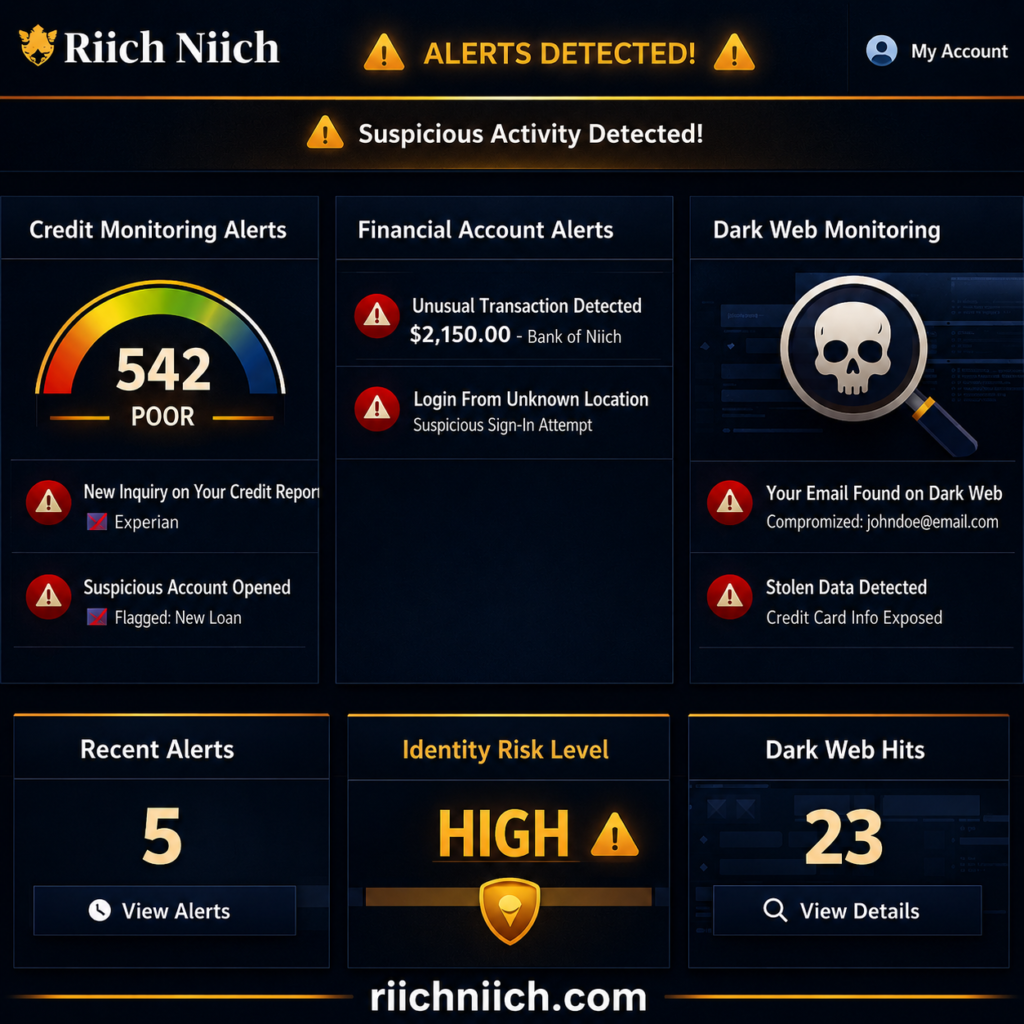
Understanding the 13 warning signs someone stole your identity is the first step toward protecting your financial security. In the next section, we will break down the most common warning signals that indicate your personal information may already be in the hands of cyber-criminals.
1. Unfamiliar Charges on Your Bank or Credit Card Statements
One of the most common indicators within the 13 warning signs someone stole your identity is noticing unfamiliar charges on your bank or credit card statements. These transactions may appear small at first, but they are often the first step criminals take when testing stolen financial information.
Identity thieves frequently perform “test transactions” before attempting larger purchases. These small charges help them confirm that the stolen credit card or banking information is active and usable.
Examples of suspicious activity include:
- Small purchases from unfamiliar online stores
- Charges from companies you do not recognize
- Transactions from locations you have never visited
- Multiple small purchases within a short period of time
Once criminals confirm that the account works, they may attempt larger fraudulent purchases or sell the verified financial information on underground marketplaces.
According to guidance from the Federal Trade Commission, reviewing your bank and credit card statements regularly is one of the most effective ways to detect identity theft early. Many victims only realize fraud has occurred weeks later when larger unauthorized transactions appear.
You can also monitor your financial activity by reviewing your credit reports through AnnualCreditReport.com, the official site authorized by the Federal Trade Commission that allows consumers to check their credit reports from the three major credit bureaus.
What To Do If You See Unfamiliar Charges
If you notice suspicious transactions, act quickly to limit financial damage:
- Contact your bank or credit card issuer immediately
- Dispute the fraudulent charges
- Lock or replace the compromised card
- Change your online banking passwords
- Review recent transactions for additional fraud
Financial institutions often provide fraud protection policies, but reporting the issue quickly helps prevent additional unauthorized transactions.
How Identity Protection Services Can Help
Monitoring every financial account manually can be difficult, especially if you use multiple credit cards, online payment services, or digital wallets. Identity protection services can help detect suspicious financial activity earlier by monitoring your financial data and alerting you to potential fraud.
Many services scan financial networks, credit reports, and data breach databases to identify signs that your personal information may be compromised. If you’re comparing platforms, see our breakdown of Aura vs LifeLock.
If you want to compare the most trusted monitoring platforms, read our guide on Best Identity Theft Protection Services, which explains how these tools help detect identity theft before it spreads.
2. Bills for Accounts You Never Opened
Another serious indicator within the 13 warning signs someone stole your identity is receiving bills for accounts you never opened. This often means a criminal has used your personal information to create new financial accounts in your name.
Identity thieves frequently use stolen data such as your Social Security number, address, and date of birth to apply for credit cards, loans, or service accounts. Because the account is created using your identity, the bills and payment notices are sent directly to you.
Common fraudulent accounts include:
- Credit cards
- Personal loans
- Store financing accounts
- Cell phone contracts
- Buy-now-pay-later services
At first, these bills may look legitimate, which can make identity theft difficult to detect. Some victims ignore the notices assuming they were sent by mistake. However, unpaid fraudulent accounts can quickly turn into collection accounts that damage your credit score.
According to the Federal Trade Commission, criminals often open multiple accounts within a short period after obtaining stolen personal information. This is why early detection is critical.
If you receive bills for accounts you never opened, you should immediately review your credit report to check for unfamiliar accounts. You can obtain free credit reports from all three major credit bureaus through AnnualCreditReport.com, which is the official credit report service authorized by the Federal Trade Commission.

What To Do If You Receive Fraudulent Bills
If you discover accounts opened in your name, take action immediately to prevent further damage:
- Contact the company that issued the bill and report identity theft
- Place a fraud alert on your credit report
- Freeze your credit with the three credit bureaus
- File an identity theft report through IdentityTheft.gov
- Monitor your credit reports for additional accounts
The official identity theft reporting process is managed by the Federal Trade Commission through IdentityTheft.gov, which helps victims create recovery plans and dispute fraudulent accounts.
How Identity Monitoring Can Help Detect Fraudulent Accounts
Fraudulent accounts are often discovered months after they are opened. This delay can allow criminals to accumulate debt under your name.
Identity protection services help detect these issues faster by monitoring:
- credit report changes
- new account openings
- loan applications
- financial activity across multiple databases
When suspicious activity is detected, these services send alerts so you can take action quickly.
Learning to recognize situations like bills for accounts you never opened is one of the most important steps in identifying the 13 warning signs someone stole your identity before the damage spreads to your credit and financial records.
3. Debt Collectors Contact You About Unknown Debts
Another alarming entry among the 13 warning signs someone stole your identity is being contacted by debt collectors about accounts or balances you do not recognize. This situation often occurs after a criminal has already used your personal information to open financial accounts and then failed to make payments.
When the fraudulent account becomes delinquent, lenders may send the unpaid balance to a collection agency. Because the account was opened using your identity, the collection agency will attempt to recover the debt from you.
Common fraudulent debts that appear in collections include:
- credit card balances
- personal loans
- medical bills
- payday loans
- utility or phone service accounts
Many victims only discover identity theft months after the fraud occurred when collection agencies begin contacting them.
According to the Consumer Financial Protection Bureau, consumers have the right to dispute debts they do not owe and request verification from collection agencies. If the debt resulted from identity theft, you can file a dispute and submit documentation proving the fraud.
Why Debt Collection Calls Often Reveal Identity Theft
Criminals rarely intend to repay the debts they create. Once the fraudulent account stops receiving payments, lenders eventually escalate the balance to collections.
By the time collectors reach out, the fraudulent account may have already:
- damaged your credit score
- accumulated interest and fees
- been reported to credit bureaus
This is why recognizing this issue quickly is critical when reviewing the 13 warning signs someone stole your identity.
You can check your credit reports to identify fraudulent collection accounts through AnnualCreditReport.com, which is authorized by the Federal Trade Commission to provide free credit reports from the major credit bureaus.
What To Do If a Debt Collector Contacts You About Fraud
If a collector contacts you regarding a debt you do not recognize, take these steps immediately:
- Request written verification of the debt
- Dispute the debt with the collection agency
- Check your credit reports for fraudulent accounts
- Place a fraud alert or credit freeze with the credit bureaus
- Report the identity theft through IdentityTheft.gov
Filing a report through the official recovery portal managed by the Federal Trade Commission can help you create documentation to dispute fraudulent accounts.
How Identity Protection Services Help Prevent Collection Fraud
Many victims only discover identity theft when collection agencies become involved. Identity protection services help prevent this by monitoring credit reports and alerting users when new accounts or debts appear.
These monitoring tools can detect suspicious activity such as:
- new credit lines opened in your name
- loan applications submitted using your information
- accounts reported to collections
Recognizing situations like debt collectors contacting you about unknown debts can help you detect identity theft earlier and protect your financial reputation before the damage spreads further.
These warning signs are often missed until it’s too late.
4. Your Credit Score Suddenly Drops
A sudden drop in your credit score can be one of the most alarming entries among the 13 warning signs someone stole your identity. If your credit score declines without any clear reason, it may indicate that fraudulent accounts or unpaid debts have appeared on your credit report.
Your credit score is influenced by several factors, including payment history, credit utilization, and new credit inquiries. When identity thieves open accounts in your name or fail to make payments on fraudulent loans, those negative records can quickly lower your score.
Some common fraud-related activities that cause sudden credit score drops include:
- New credit cards opened without your permission
- Missed payments on accounts you never created
- Large balances appearing on unfamiliar credit lines
- Multiple hard credit inquiries from lenders
Because credit scores are used by lenders to evaluate financial reliability, identity theft can damage your credit profile before you even realize fraud has occurred.
According to the Consumer Financial Protection Bureau, consumers should regularly review their credit reports to detect suspicious activity and protect their financial identity.
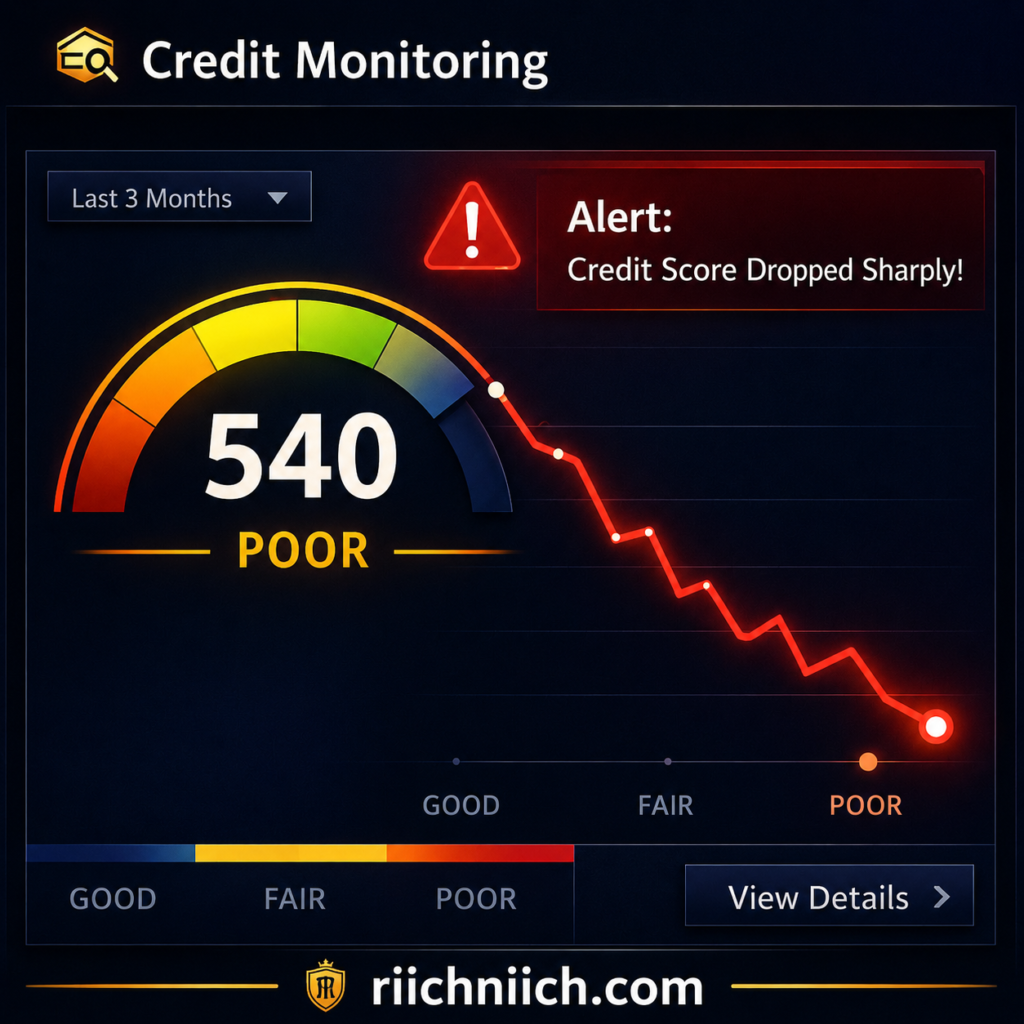
Why Identity Theft Can Damage Your Credit Score Quickly
When criminals open accounts using your personal information, those accounts become part of your credit history. If the thief runs up large balances or stops making payments, those negative actions are reported to credit bureaus.
This can lead to:
- lower credit scores
- denied loan applications
- higher interest rates
- difficulty renting housing or obtaining utilities
Many victims only realize something is wrong after their credit score suddenly drops, which is why monitoring your credit report is an important step in recognizing the 13 warning signs someone stole your identity.
You can check your credit reports from all three major credit bureaus through AnnualCreditReport.com, the official credit report service authorized by the Federal Trade Commission.
What To Do If Your Credit Score Drops Unexpectedly
If you notice a sudden credit score decline, investigate your credit report immediately.
Take the following steps:
- Review your credit report for unfamiliar accounts
- Dispute any fraudulent accounts with the credit bureaus
- Place a fraud alert or credit freeze on your credit file
- Contact lenders associated with suspicious accounts
- Report identity theft through IdentityTheft.gov
The identity theft recovery process managed by the Federal Trade Commission can help you dispute fraudulent accounts and restore your credit history.
How Credit Monitoring Helps Detect Identity Theft Faster
One reason identity theft goes unnoticed for long periods is that many people rarely check their credit reports. Credit monitoring services help solve this problem by alerting users when significant changes occur on their credit file.
These alerts may include:
- new account openings
- large balance increases
- missed payments
- credit score changes
Detecting a sudden credit score drop early can help prevent long-term damage and limit the financial consequences associated with the 13 warning signs someone stole your identity.
5. You Are Denied Credit Without Explanation
Being denied credit unexpectedly is another important indicator within the 13 warning signs someone stole your identity. If you apply for a credit card, loan, or financing and receive a rejection despite having a good credit history, it could mean fraudulent activity has already affected your credit report.
Lenders evaluate applications using your credit report and credit score. If identity thieves have opened accounts in your name or allowed fraudulent accounts to go unpaid, those negative records can cause lenders to deny new credit applications.
Common identity theft activities that lead to unexpected credit denial include:
- fraudulent credit cards opened in your name
- unpaid balances on accounts you never created
- multiple credit inquiries from lenders you never contacted
- accounts sent to collections due to unpaid fraudulent debt
Because these activities appear on your credit report, lenders may assume the information is accurate when reviewing your application.
According to the Consumer Financial Protection Bureau, consumers have the right to request an explanation when they are denied credit. This explanation is typically provided in an adverse action notice, which outlines the factors that influenced the lender’s decision.
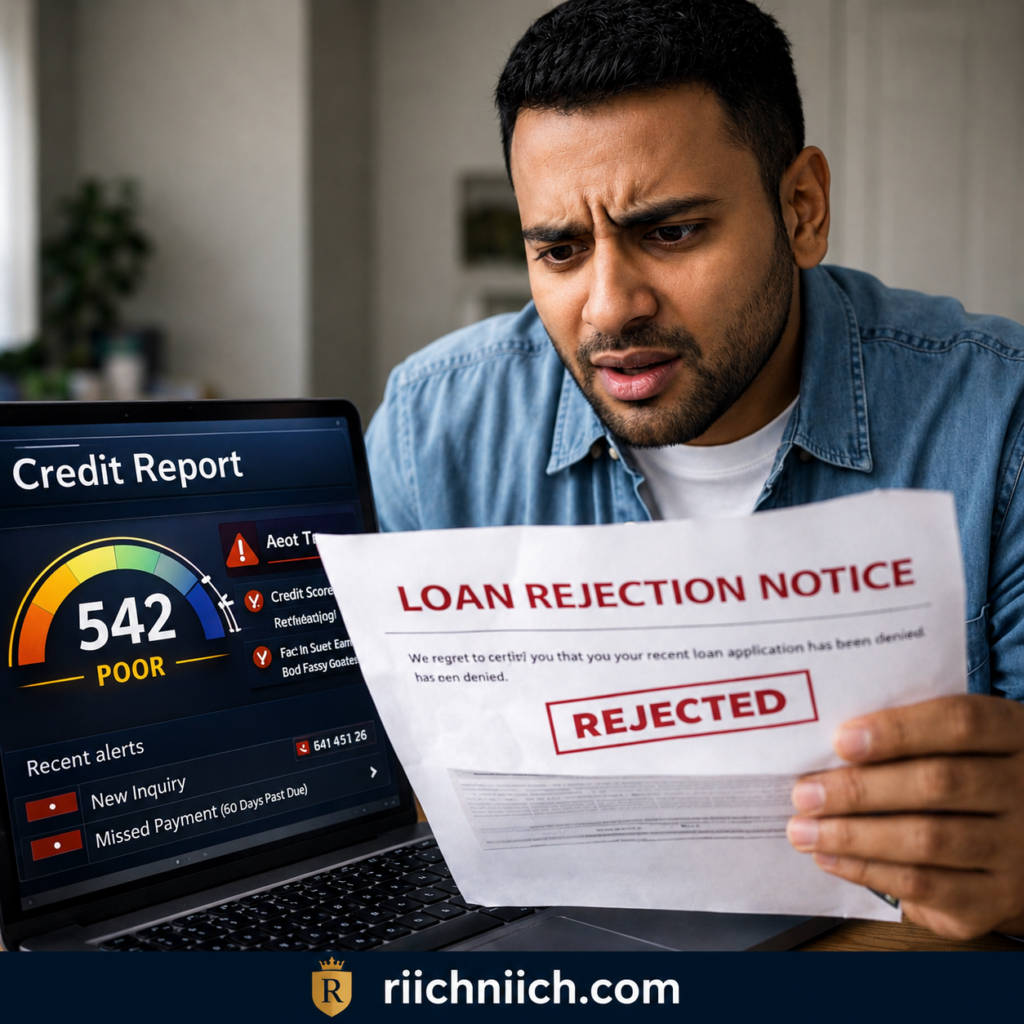
Why Identity Theft Can Cause Sudden Credit Denials
When criminals open accounts using stolen personal information, those accounts become part of your financial record. If the thief accumulates large balances or stops making payments, your credit report may show high debt levels or missed payments.
These negative entries can lead to:
- rejected loan applications
- declined credit card approvals
- higher interest rates on financing
- reduced credit limits
Unexpected credit denial is often one of the first moments victims realize their identity may have been compromised, which is why it is listed among the 13 warning signs someone stole your identity.
You can review your credit reports from the three major credit bureaus for free through AnnualCreditReport.com, which is authorized by the Federal Trade Commission.
What To Do If Your Credit Application Is Denied
If a lender denies your application and you do not understand why, take the following steps immediately:
- Request the adverse action notice from the lender
- Review your credit report for unfamiliar accounts or inquiries
- Dispute any fraudulent information with the credit bureaus
- Place a fraud alert or credit freeze on your credit file
- Report identity theft through IdentityTheft.gov
The official identity theft recovery process provided by the Federal Trade Commission can help victims dispute fraudulent accounts and repair their credit history.
How Identity Monitoring Helps Prevent Credit Application Fraud
Identity monitoring services can alert you when lenders perform credit inquiries or when new credit accounts are opened using your personal information.
These alerts help users detect suspicious activity such as:
- unauthorized credit applications
- new loans opened in your name
- changes to credit reports that affect approval decisions
Recognizing situations like being denied credit without explanation can help you respond quickly and limit the financial impact associated with the 13 warning signs someone stole your identity.
6. Alerts About Credit Applications You Didn’t Make
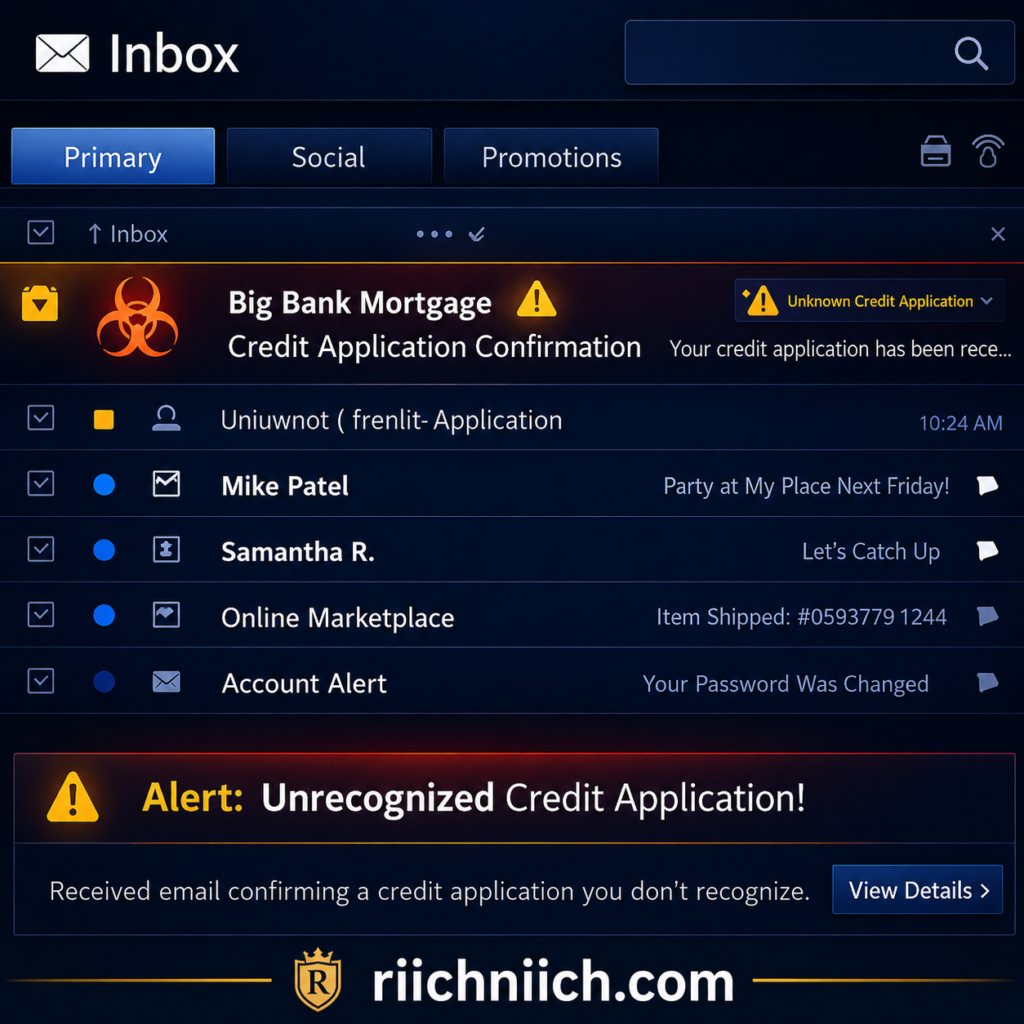
Receiving alerts about credit applications you never submitted is another major indicator within the 13 warning signs someone stole your identity. These alerts usually occur when a lender performs a credit check after someone applies for financing using your personal information.
Most lenders review a consumer’s credit report before approving financial products such as credit cards, auto loans, or personal loans. If a criminal attempts to open credit in your name, that lender will perform a hard credit inquiry, which may trigger notifications from your bank, credit monitoring service, or credit bureau.
Common alerts related to fraudulent credit applications include:
- notifications about new credit inquiries
- alerts from credit monitoring services
- emails from lenders about loan applications
- verification messages requesting confirmation of a credit application
If you receive one of these alerts and you did not apply for credit, it may indicate that someone is actively attempting to use your identity to open financial accounts.
According to the Consumer Financial Protection Bureau, reviewing credit inquiries regularly is an important step in detecting identity theft early.
Why Criminals Apply for Credit Using Stolen Identities
When identity thieves obtain personal information such as Social Security numbers, birth dates, or addresses, they may attempt to open multiple credit accounts quickly before the victim detects the fraud.
These accounts may include:
- credit cards
- installment loans
- retail financing accounts
- vehicle financing applications
Because these applications appear legitimate, lenders may approve them before the victim realizes their identity has been compromised. This is why alerts about credit applications are considered one of the key 13 warning signs someone stole your identity.
You can review your credit inquiries and account history by checking your credit reports through AnnualCreditReport.com, the official credit report service authorized by the Federal Trade Commission.
What To Do If You Receive a Credit Application Alert
If you receive a notification about a credit application you did not submit, act quickly to protect your identity:
- Contact the lender associated with the application immediately
- Place a fraud alert on your credit report
- Freeze your credit with the major credit bureaus
- Review your credit reports for unfamiliar accounts or inquiries
- Report identity theft through IdentityTheft.gov
The identity theft recovery system provided by the Federal Trade Commission helps victims document fraud and dispute unauthorized accounts.
How Identity Monitoring Helps Detect Fraudulent Applications
Many identity protection services continuously monitor credit reports and lender activity. When a new credit inquiry appears, users receive alerts so they can respond quickly.
These services help detect suspicious activity such as:
- new credit inquiries
- unauthorized loan applications
- financial accounts opened using stolen personal data
Early alerts can prevent criminals from successfully opening accounts and limit the financial damage associated with the 13 warning signs someone stole your identity.
These warning signs are often missed until it’s too late.
7. Missing Mail or Unexpected Address Changes
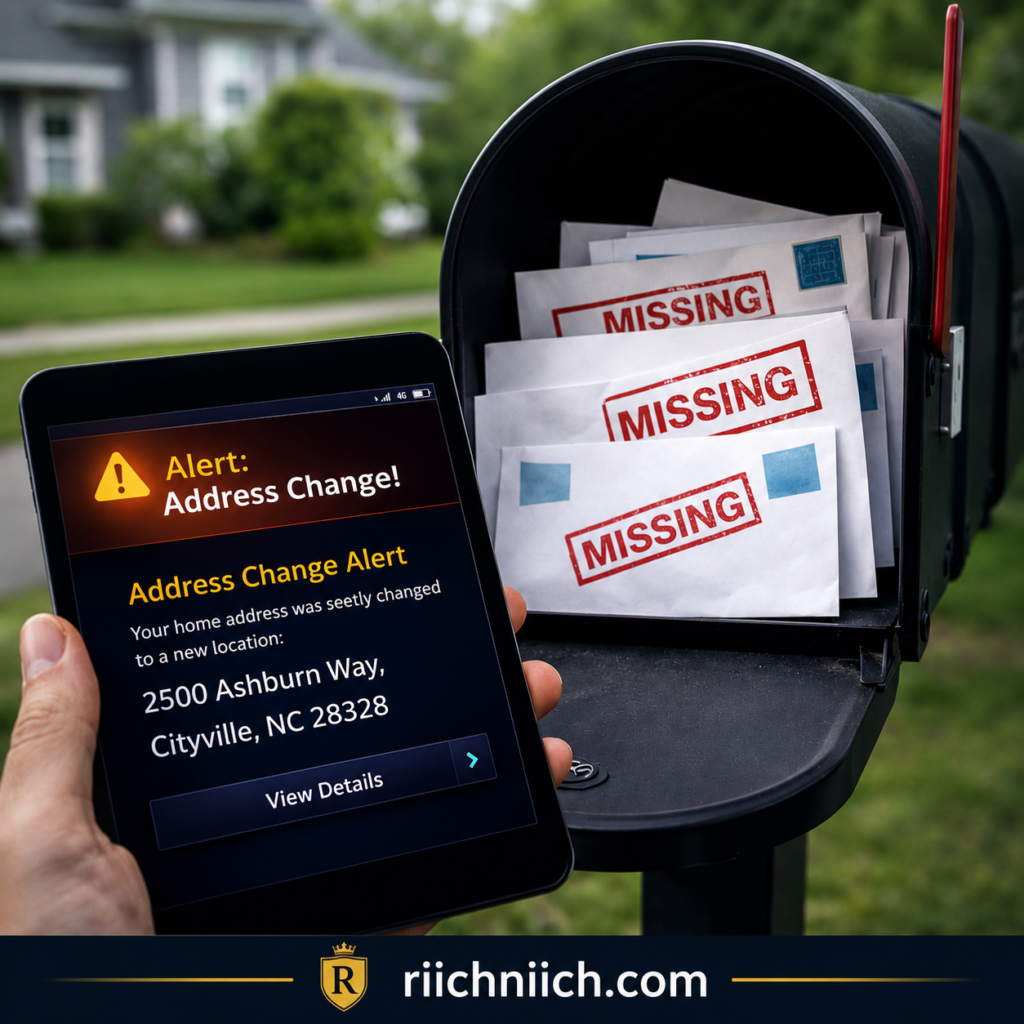
Another overlooked indicator within the 13 warning signs someone stole your identity is missing mail or unexpected address changes. Many victims do not immediately associate mail issues with identity theft, but criminals often manipulate mailing addresses to hide fraudulent activity.
Identity thieves may change your mailing address so they can receive financial documents, credit cards, or sensitive information before you notice anything unusual. This tactic allows them to open accounts, intercept statements, and delay detection.
Warning signs related to mail tampering include:
- credit card statements suddenly stop arriving
- bills from financial institutions go missing
- confirmation letters about address changes you did not request
- financial documents arriving at the wrong address
When criminals control where your financial mail is delivered, they can prevent you from seeing important alerts about suspicious activity. This delay can allow identity theft to continue for weeks or even months before it is discovered.
According to the United States Postal Inspection Service, mail theft is commonly linked to financial fraud and identity theft schemes.
Why Identity Thieves Change Mailing Addresses
Criminals often update mailing addresses with lenders, banks, or government agencies to redirect financial communications. Once they control the mail stream, they can receive:
- newly issued credit cards
- bank statements
- loan approval documents
- tax documents containing personal data
This tactic makes it easier for identity thieves to operate without the victim noticing the warning signs immediately.
Mail fraud is one of the many tactics used in identity theft schemes reported to the Federal Trade Commission.
What To Do If You Notice Missing Financial Mail
If your mail suddenly stops arriving or you receive notices about address changes you did not request, take action immediately:
- Contact your financial institutions to confirm your mailing address
- Check your credit report for unfamiliar accounts
- Place a fraud alert on your credit file
- Report suspicious mail activity to the postal service
- File an identity theft report through IdentityTheft.gov
These steps can help stop criminals from continuing to receive sensitive financial information tied to your identity.
How Identity Monitoring Helps Detect Address Fraud
Many identity protection services monitor public records and financial accounts for unexpected changes such as address updates or new account registrations.
These alerts may notify you if:
- your address changes in public databases
- new financial accounts appear with updated contact information
- credit reports show unfamiliar activity linked to your identity
Detecting missing mail or unexpected address changes early can prevent further financial damage and help you respond quickly to one of the 13 warning signs someone stole your identity.
8. IRS Notices About Tax Returns You Didn’t File
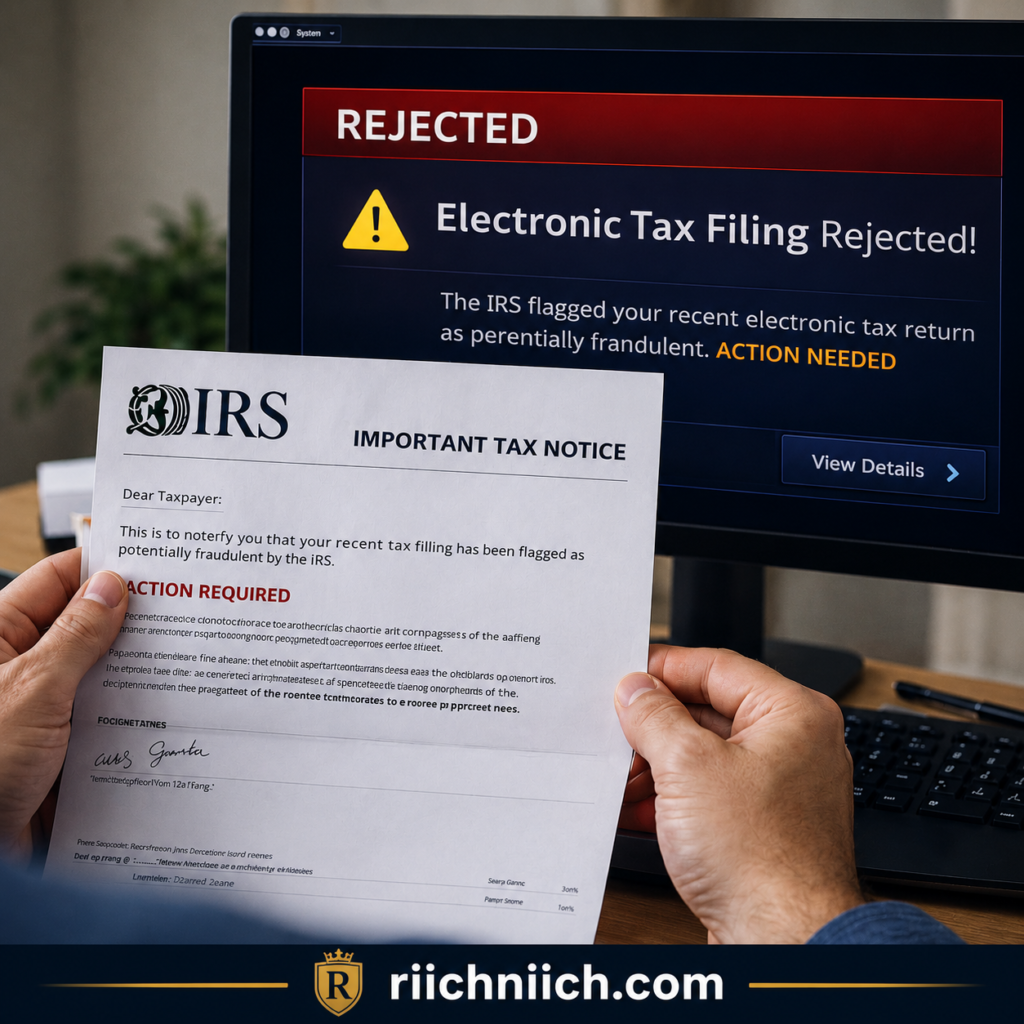
Receiving notices from the IRS about tax returns you never filed is another serious entry among the 13 warning signs someone stole your identity. This situation often indicates tax identity theft, a form of fraud where criminals use stolen Social Security numbers to file fraudulent tax returns and claim refunds.
Tax identity theft usually occurs before victims submit their legitimate tax filings. Criminals attempt to file early in the tax season using stolen personal information so they can collect refunds before the real taxpayer files.
Common warning signs of tax-related identity theft include:
- receiving an IRS notice about a tax return you did not file
- being told that multiple tax returns were filed using your Social Security number
- your legitimate tax return being rejected because one was already filed
- IRS records showing income from employers you never worked for
When these situations occur, it often means someone has already used your personal information to submit fraudulent tax documents.
According to the Internal Revenue Service, tax identity theft has become a major financial crime, particularly after large data breaches expose Social Security numbers and personal data.
Why Criminals Commit Tax Identity Theft
Fraudsters target tax refunds because they can receive money quickly after filing fraudulent returns. Once a refund is issued, recovering the funds becomes difficult.
Criminals typically obtain personal information through:
- data breaches
- phishing emails impersonating government agencies
- stolen financial documents
- compromised tax preparation services
These tactics allow criminals to gather enough personal information to impersonate victims during the tax filing process.
Tax identity theft cases are frequently reported to the Federal Trade Commission as part of broader identity theft schemes.
What To Do If You Receive an IRS Notice About Fraud
If the IRS notifies you about suspicious tax activity, take the following steps immediately:
- Respond to the IRS notice as instructed
- Complete IRS Form 14039 (Identity Theft Affidavit)
- File your legitimate tax return if you have not already done so
- Monitor your financial accounts and credit reports for additional fraud
- Report the identity theft through IdentityTheft.gov
The Internal Revenue Service provides guidance on how taxpayers can resolve identity theft cases and protect their tax records.
How Identity Protection Services Help Detect Tax Fraud
Identity monitoring tools can help detect early signs of tax-related identity theft by scanning financial and public records for suspicious activity involving your Social Security number.
These services may alert users when:
- personal data appears in data breach databases
- suspicious financial accounts appear
- identity records are accessed or altered
Detecting IRS notices about tax returns you didn’t file early can help prevent additional financial damage and allow victims to respond quickly to one of the most serious entries among the 13 warning signs someone stole your identity.
9. Medical Bills for Services You Never Received
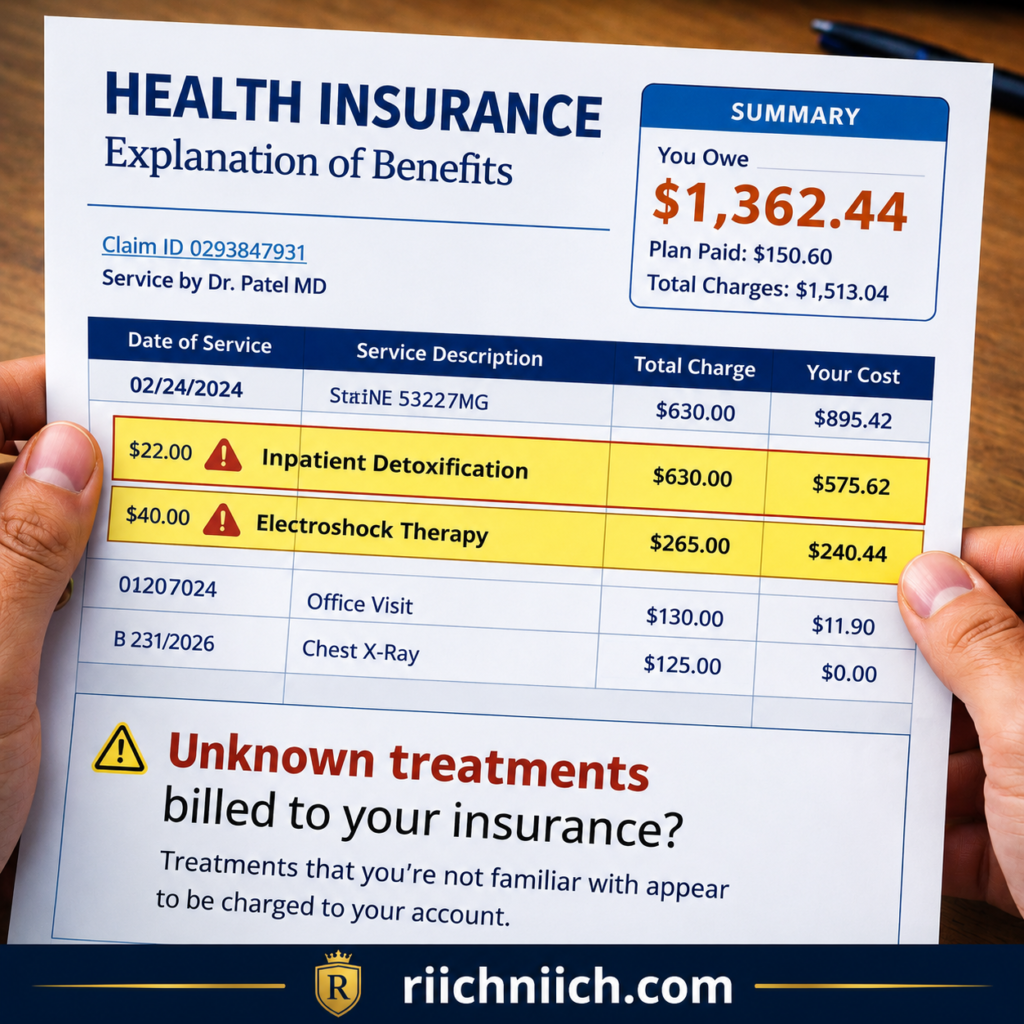
Receiving medical bills for treatments or services you never received is another serious entry among the 13 warning signs someone stole your identity. This type of fraud is known as medical identity theft, and it occurs when someone uses your personal information to obtain healthcare services, prescriptions, or medical equipment.
Medical identity theft can happen when criminals gain access to sensitive information such as:
- your health insurance number
- Social Security number
- date of birth
- medical identification records
Once this information is obtained, criminals may use it to receive medical treatment, submit insurance claims, or purchase prescription drugs under your name.
Victims often discover the fraud after receiving medical bills or insurance statements for services they never authorized.
According to the U.S. Department of Health and Human Services, medical identity theft can create both financial and healthcare complications because fraudulent medical records may become associated with your identity.
Why Medical Identity Theft Is Dangerous
Unlike other forms of identity theft, medical fraud can affect more than just your finances. When criminals receive treatment using your identity, inaccurate medical information may be added to your health records.
This can lead to serious issues such as:
- incorrect medical histories
- inaccurate prescription records
- denied insurance claims
- unexpected medical debt
In some cases, victims only discover medical identity theft when collection agencies pursue unpaid medical bills.
The Federal Trade Commission identifies medical identity theft as a growing form of fraud due to the value of healthcare data on criminal marketplaces.
What To Do If You Receive Fraudulent Medical Bills
If you receive bills for medical services you never received, take the following steps immediately:
- Contact the healthcare provider listed on the bill
- Notify your health insurance provider about the suspected fraud
- Request copies of your medical records to identify inaccuracies
- Dispute fraudulent charges with the billing department
- File an identity theft report through IdentityTheft.gov
Reporting the issue quickly can help prevent additional fraudulent claims and protect your medical records.
How Identity Monitoring Helps Detect Medical Identity Theft
Many identity protection services monitor healthcare-related fraud signals and alert users when their personal information appears in suspicious activity.
These services may detect:
- medical claims filed under your identity
- insurance account changes
- healthcare records associated with unfamiliar providers
Recognizing medical bills for services you never received can help you respond quickly and limit the damage associated with one of the most concerning entries among the 13 warning signs someone stole your identity.
These warning signs are often missed until it’s too late.
10. New Accounts Appear on Your Credit Report
Another critical entry among the 13 warning signs someone stole your identity is discovering new financial accounts on your credit report that you never opened. This usually means someone has used your personal information to apply for credit or financing.
When lenders approve credit cards, loans, or financing accounts, those accounts are typically reported to the major credit bureaus. If a criminal successfully opens an account using your identity, the account will appear on your credit report even though you never authorized it.
Fraudulent accounts commonly opened by identity thieves include:
- credit cards
- personal loans
- retail store credit accounts
- vehicle financing accounts
- buy-now-pay-later financing services
Because these accounts appear under your name, missed payments or high balances can quickly damage your credit score.
According to the Consumer Financial Protection Bureau, reviewing your credit report regularly is one of the most effective ways to detect unauthorized accounts and identify potential identity theft.
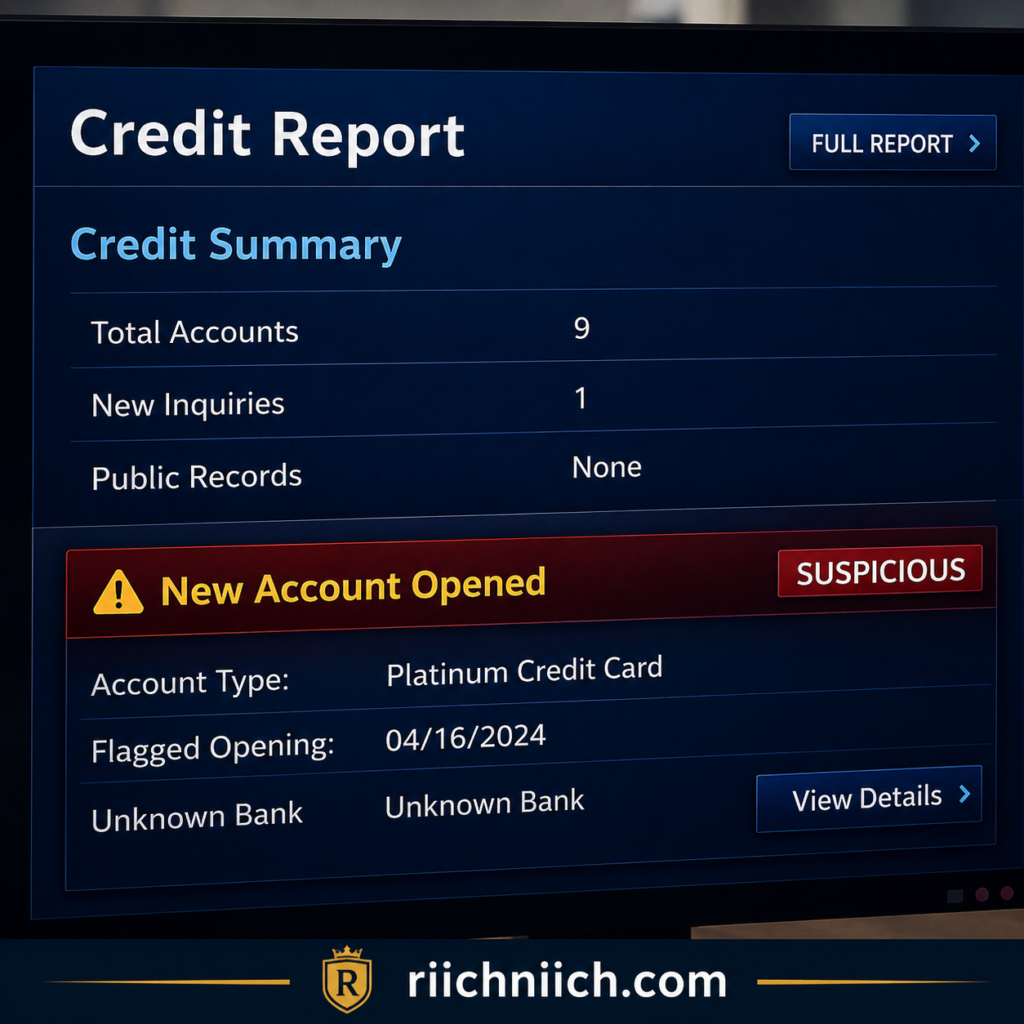
Why Criminals Open Accounts Using Stolen Identities
Identity thieves use stolen personal data to open financial accounts and gain access to credit lines they can spend before the fraud is discovered.
Once an account is approved, criminals may:
- make large purchases quickly
- withdraw cash advances
- transfer balances
- abandon the account without making payments
These unpaid debts remain tied to your identity and can harm your credit profile if not addressed quickly.
The Federal Trade Commission reports that new account fraud is one of the most common forms of identity theft.
How To Check for Unauthorized Accounts
You can review your credit reports to identify unfamiliar accounts by visiting AnnualCreditReport.com, the official website authorized by the Federal Trade Commission that provides free credit reports from the three major credit bureaus.
When reviewing your credit report, look for:
- unfamiliar lenders
- accounts you do not recognize
- recent credit inquiries
- unexpected balances or payment histories
If you notice any suspicious accounts, investigate them immediately.
What To Do If You Find Fraudulent Accounts
If new accounts appear on your credit report that you did not open, take action quickly:
- Contact the lender associated with the fraudulent account
- Dispute the account with the credit bureaus
- Place a fraud alert or credit freeze on your credit file
- Monitor your credit reports for additional activity
- Report the identity theft through IdentityTheft.gov
The identity theft recovery process managed by the Federal Trade Commission helps victims dispute fraudulent accounts and begin restoring their credit.
How Identity Monitoring Helps Detect New Account Fraud
Identity monitoring services continuously scan credit reports and financial databases for changes involving your personal information.
These tools can send alerts when:
- new accounts are opened
- lenders perform credit checks
- credit report information changes unexpectedly
Detecting new accounts on your credit report early is an important step in identifying the 13 warning signs someone stole your identity and preventing long-term financial damage.
11. Suspicious Login Alerts or Password Reset Notifications
Receiving login alerts or password reset notifications that you did not request is another important entry among the 13 warning signs someone stole your identity. These alerts may indicate that someone is attempting to access your online accounts using stolen credentials.
Many online services send security notifications when unusual login activity occurs. These alerts can appear when someone tries to sign into your account from a new device, unfamiliar location, or suspicious IP address.
Common warning signs include:
- emails about password resets you did not request
- login alerts from unfamiliar devices or locations
- notifications about multiple failed login attempts
- two-factor authentication codes sent unexpectedly
These alerts may suggest that criminals already have access to your email address, password, or other personal information.
According to the Cybersecurity and Infrastructure Security Agency, compromised login credentials are one of the most common entry points for identity theft and account takeover attacks.
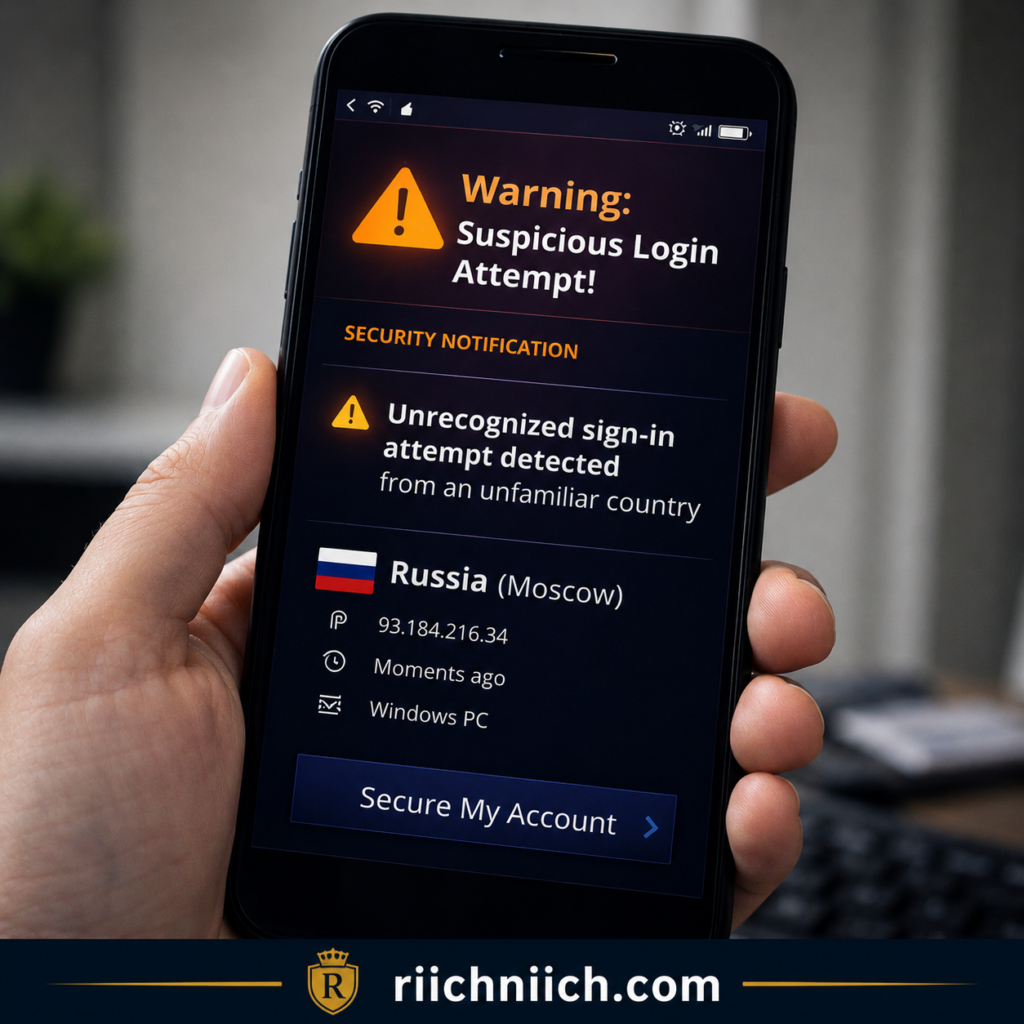
Why Suspicious Login Alerts Matter
Account takeover attacks often begin when criminals obtain login credentials through:
- phishing emails
- data breaches exposing passwords
- malware capturing login information
- reused passwords across multiple websites
Once criminals gain access to an account, they may attempt to change passwords, modify security settings, or access stored financial information.
If your email account is compromised, attackers may also reset passwords for other services linked to that email address. This can allow them to access bank accounts, online shopping accounts, and digital payment services.
Security experts at the National Institute of Standards and Technology recommend using strong passwords and multi-factor authentication to prevent unauthorized account access.
What To Do If You Receive Suspicious Login Alerts
If you receive login alerts or password reset notifications that you did not request, act quickly to secure your accounts:
- Change the password for the affected account immediately
- Enable multi-factor authentication if it is not already active
- Review recent account activity for suspicious actions
- Check other accounts that use the same password
- Run a security scan on your devices
Taking these steps can help prevent criminals from gaining full access to your online accounts.
How Identity Monitoring Helps Detect Account Takeover Attempts
Many identity protection platforms monitor data breaches and dark web marketplaces where stolen login credentials are traded. If your login information appears in a breach database, you may receive an alert before criminals attempt to use it.
These services can detect:
- compromised passwords linked to your email
- suspicious account activity involving your identity
- personal information circulating in cyber-criminal marketplaces
Recognizing suspicious login alerts or password reset notifications early can help stop criminals from gaining deeper access to your accounts and prevent further damage associated with the 13 warning signs someone stole your identity.
12. Your Personal Information Appears on the Dark Web
Another major entry among the 13 warning signs someone stole your identity is discovering that your personal information has appeared on the dark web. The dark web is a hidden part of the internet where cyber-criminals buy and sell stolen data such as Social Security numbers, credit card details, passwords, and banking information.
When personal data is exposed in a data breach, criminals often upload or sell that information through underground marketplaces. Once your data appears on the dark web, it can be purchased by multiple fraudsters who may use it to commit identity theft, financial fraud, or account takeover attacks.
Personal information commonly sold on dark web marketplaces includes:
- Social Security numbers
- email addresses and passwords
- credit card numbers
- bank account details
- driver’s license information
Once this information spreads across criminal networks, it becomes much easier for identity thieves to impersonate victims and open accounts in their name.
According to the Federal Bureau of Investigation, stolen personal information is frequently traded on underground marketplaces and used in large-scale identity theft operations.
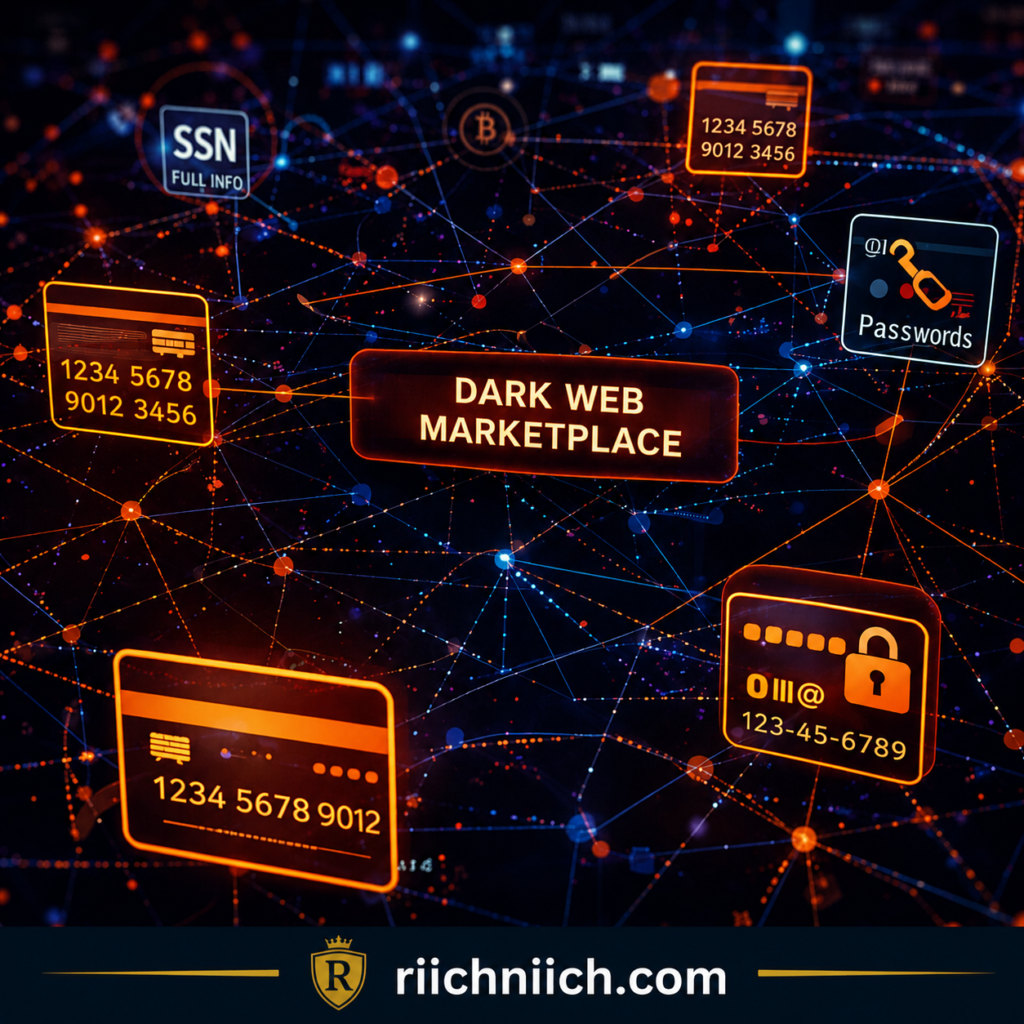
How Personal Data Ends Up on the Dark Web
Most personal data appears on the dark web after large cyber-security breaches involving corporations, financial institutions, or online services.
Common sources of stolen data include:
- hacked company databases
- phishing attacks targeting users
- malware stealing login credentials
- compromised online accounts
When hackers gain access to these databases, they may collect millions of user records and sell them to other criminals.
The Cyber-security and Infrastructure Security Agency warns that stolen data from breaches can circulate on underground markets for years.
Why Dark Web Exposure Increases Identity Theft Risk
Once your personal information is circulating online, multiple criminals may attempt to use it for fraud. This can lead to several types of identity theft, including:
- credit card fraud
- loan application fraud
- tax refund fraud
- account takeover attacks
Because the same data may be reused across multiple services, criminals can often access several accounts if a victim uses the same password on different platforms.
This is why discovering your data on the dark web is considered one of the serious 13 warning signs someone stole your identity.
What To Do If Your Information Appears on the Dark Web
If you learn that your personal information has been exposed, take action immediately to reduce your risk:
- Change passwords for affected accounts
- Enable multi-factor authentication on important accounts
- Monitor financial statements for suspicious activity
- Review your credit reports for unauthorized accounts
- Consider placing a credit freeze for additional protection
Reporting suspected identity theft through IdentityTheft.gov can also help document fraud and guide you through recovery steps.
How Identity Protection Services Monitor the Dark Web
Many identity protection services continuously scan dark web marketplaces for exposed personal data linked to your identity. We also compared two major platforms in Aura vs Identity Guard. These tools alert users when their information appears in breach databases or criminal forums.
Dark web monitoring services can detect exposure of:
- Social Security numbers
- financial account information
- login credentials
- email addresses linked to breaches
Receiving early alerts about dark web exposure allows individuals to secure their accounts before criminals attempt to exploit the data. If you’re comparing monitoring platforms, see our detailed breakdown of Aura vs Experian IdentityWorks to understand how their identity protection features differ.
Detecting that your personal information appears on the dark web is a serious signal within the 13 warning signs someone stole your identity, and responding quickly can help prevent further financial damage.
13. Unexpected Two-Factor Authentication Codes
Receiving unexpected two-factor authentication (2FA) codes is another serious entry among the 13 warning signs someone stole your identity. Two-factor authentication is designed to add an extra layer of security to your accounts, but if you receive verification codes without trying to log in, it may mean someone already has your password.
Two-factor authentication typically sends a one-time code to your phone, email, or authentication app when someone attempts to access your account. If a criminal has obtained your login credentials, they may attempt to sign in and trigger these codes.
Common warning signs include:
- text messages containing login verification codes you did not request
- authentication app alerts for logins you did not initiate
- multiple verification codes arriving within minutes
- emails confirming login attempts from unknown locations
If you are receiving these codes unexpectedly, it often means someone is actively attempting to break into your accounts.
According to the Cyber-security and Infrastructure Security Agency, attackers frequently obtain passwords through phishing scams, malware, or data breaches before attempting account takeover attacks.
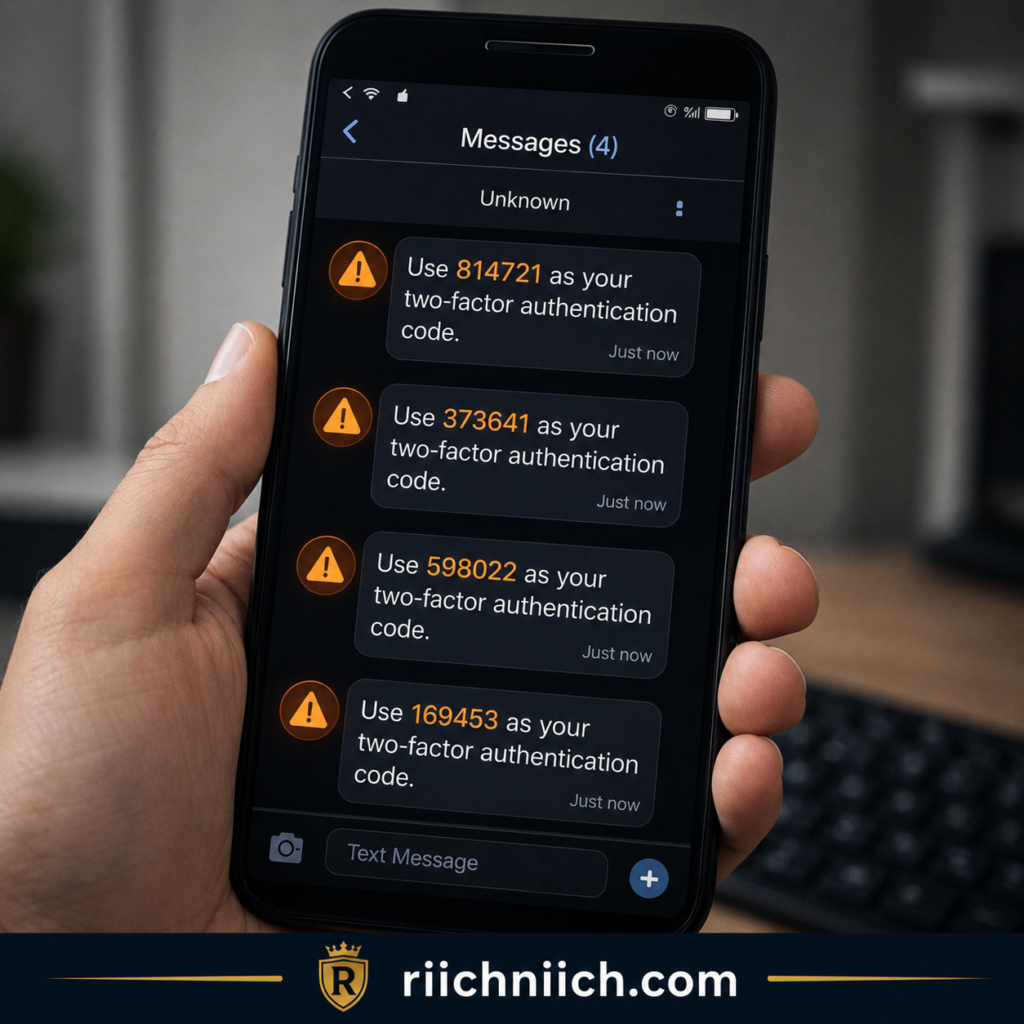
Why Unexpected Authentication Codes Are a Red Flag
When a hacker already knows your password, two-factor authentication is often the final barrier preventing them from accessing your account.
Criminals may try to bypass this protection by:
- repeatedly attempting login requests to trigger authentication codes
- sending phishing messages asking victims to share the code
- launching automated login attempts across multiple platforms
If the attacker successfully obtains the verification code, they can gain full access to your account.
Security experts at the National Institute of Standards and Technology recommend enabling multi-factor authentication to reduce the risk of account takeover attacks.
What To Do If You Receive Unexpected Verification Codes
If you receive authentication codes that you did not request, take immediate action to secure your accounts:
- Change the password for the affected account immediately
- Enable or update multi-factor authentication settings
- Check recent login activity for suspicious access attempts
- Update passwords for other accounts using the same credentials
- Run security scans on your devices to check for malware
Taking these steps can help prevent criminals from successfully accessing your accounts.
How Identity Protection Services Help Detect Account Takeovers
Many identity protection platforms monitor login credentials exposed in data breaches and alert users if their information is circulating online.
These services may notify users when:
- login credentials appear in breach databases
- suspicious login attempts are detected
- accounts associated with your email address show unusual activity
Recognizing unexpected two-factor authentication codes as one of the 13 warning signs someone stole your identity can help you respond quickly and prevent criminals from gaining access to sensitive accounts.
These warning signs are often missed until it’s too late.
Why These Warning Signs Matter
Identity theft rarely happens all at once.
It often starts with small, unnoticed activity — like a single unauthorized charge or a new account.
By the time multiple warning signs appear, the damage may already be spreading.
This is why catching these signs early is so important.
What To Do Immediately If You Notice These Identity Theft Warning Signs
If you recognize any of the 13 warning signs someone stole your identity, taking action immediately can help limit the damage. Identity theft can escalate rapidly once criminals gain access to your personal information, financial accounts, or credit profile.
Follow these steps if your identity has been stolen.
Below are the most important steps experts recommend if you believe your identity may have been compromised.
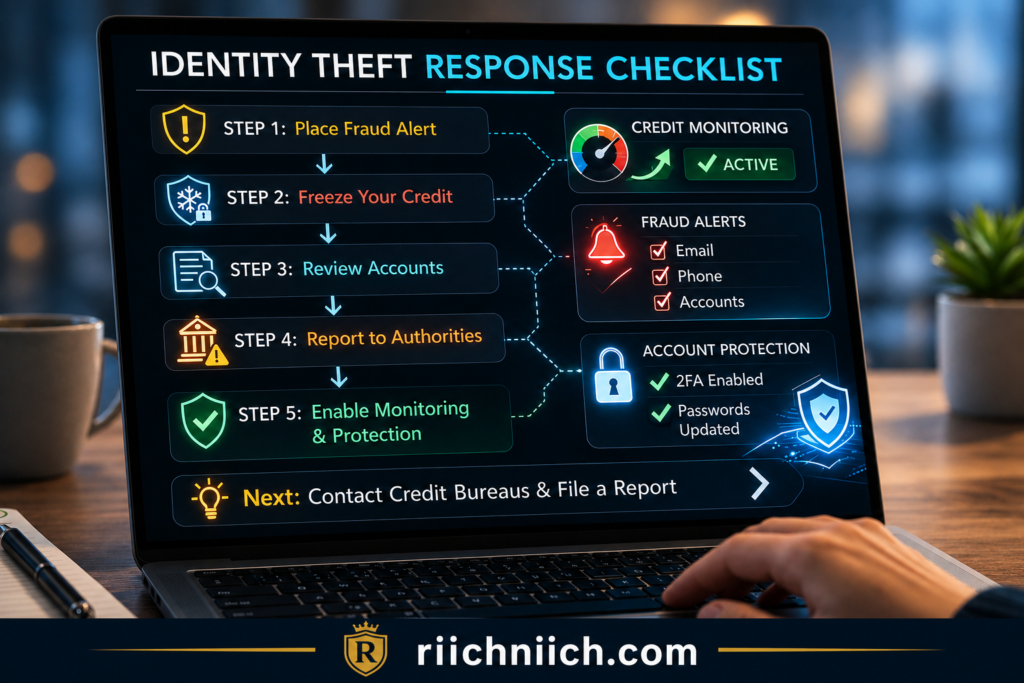
1. Contact Your Financial Institutions Immediately
If you notice suspicious activity such as unfamiliar transactions or new accounts, contact your bank or credit card company right away.
Financial institutions can:
- freeze compromised accounts
- reverse fraudulent transactions
- issue replacement credit cards
- monitor accounts for additional suspicious activity
Reporting fraud quickly helps reduce the chance that criminals will continue using your financial accounts.
2. Review Your Credit Reports for Suspicious Activity
One of the most important steps after noticing the 13 warning signs someone stole your identity is checking your credit report for unfamiliar accounts, loans, or credit inquiries.
You can access your credit reports from the three major credit bureaus through AnnualCreditReport.com, the official credit reporting website authorized by the Federal Trade Commission.
When reviewing your report, look for:
- unfamiliar credit cards or loans
- unexpected credit inquiries
- collection accounts you do not recognize
- address or contact information changes
Identifying fraudulent accounts early can help prevent further damage to your credit.
3. Place a Fraud Alert on Your Credit File
A fraud alert warns lenders that your identity may have been compromised. This alert requires creditors to verify your identity before approving new credit.
Fraud alerts typically remain active for one year and can help prevent criminals from opening new financial accounts in your name.
The Consumer Financial Protection Bureau recommends placing fraud alerts immediately if you suspect identity theft.
4. Consider Freezing Your Credit
A credit freeze prevents lenders from accessing your credit report without your authorization. Because most lenders require access to your credit file before approving applications, freezing your credit can stop criminals from opening new accounts.
Credit freezes are available through the three major credit bureaus and can be temporarily lifted if you need to apply for credit.
This is one of the most effective ways to protect your identity after noticing suspicious activity.
5. Report Identity Theft to the Federal Government
Victims should report identity theft through IdentityTheft.gov, the official identity theft reporting system operated by the Federal Trade Commission.
This website helps victims:
- document identity theft incidents
- create recovery plans
- generate identity theft reports
- dispute fraudulent accounts
Filing an official report can help resolve financial disputes and support investigations.
6. Change Passwords and Strengthen Account Security
If your personal information may have been exposed, update passwords for important accounts immediately.
This includes:
- email accounts
- banking accounts
- credit card portals
- online shopping accounts
- cloud storage services
Security experts also recommend enabling multi-factor authentication whenever possible to prevent unauthorized account access.
Guidance from the Cyber-security and Infrastructure Security Agency emphasizes strong passwords and multi-factor authentication as key defenses against identity theft.
7. Monitor Your Identity and Credit Going Forward
Even after resolving fraud, criminals may attempt to reuse stolen personal information months later. Continuous monitoring helps detect new threats quickly.
Identity protection services monitor financial systems, public records, and data breach databases for suspicious activity involving your personal information.
These tools can send alerts when:
- new credit accounts appear
- financial transactions look suspicious
- personal data appears in breach databases
- unusual account activity occurs
Monitoring services help users detect fraud faster after experiencing the 13 warning signs someone stole your identity. If you’re unsure whether monitoring services are necessary, read Do You Really Need Identity Theft Protection?
Taking these steps immediately can help reduce the financial damage associated with identity theft and protect your personal information from further misuse.
How Identity Theft Protection Services Help Detect Fraud Early
Recognizing the 13 warning signs someone stole your identity is important, but detecting identity theft early can be difficult without continuous monitoring. Many victims do not notice suspicious activity until weeks or months after their personal information has been compromised.
Identity theft protection services are designed to monitor sensitive information and alert users when suspicious activity appears. These services help detect fraud early by tracking financial records, credit reports, and data breach databases where stolen personal information may surface. 👉 One popular option is Aura, which we reviewed in detail in our article Is Aura Worth It?
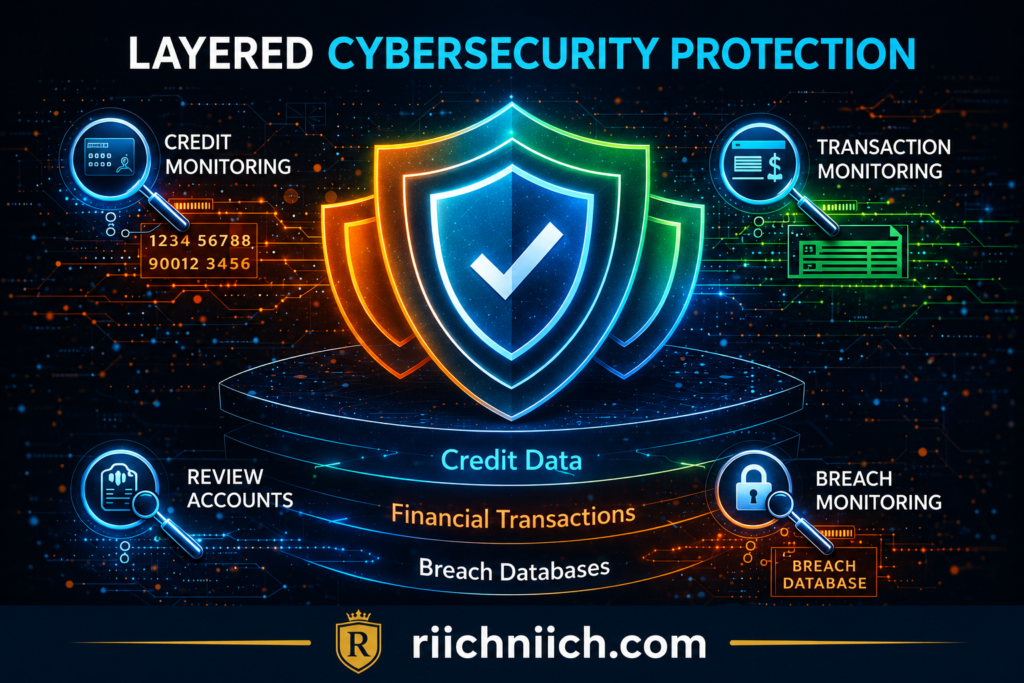
Continuous Monitoring of Personal Information
Identity protection platforms monitor a wide range of data sources to detect signs that someone may be using your identity. This monitoring can include:
- credit report activity
- financial account changes
- public records associated with your identity
- data breach databases
- dark web marketplaces
If suspicious activity is detected, users receive alerts so they can investigate the issue immediately.
According to the Federal Trade Commission, early detection is one of the most effective ways to limit financial damage from identity theft.
Alerts for Suspicious Financial Activity
Identity theft monitoring services often send alerts when unusual financial activity appears. These alerts may notify users about:
- new credit accounts opened in their name
- loan applications or credit inquiries
- unfamiliar banking transactions
- changes to personal contact information on financial accounts
These early warnings can help individuals respond quickly before criminals accumulate large debts or damage their credit history.
Dark Web Monitoring for Stolen Personal Data
Many identity protection services also scan dark web marketplaces where cyber-criminals buy and sell stolen personal data. If you’re comparing major identity protection platforms, see our detailed comparison of LifeLock vs Identity Guard to understand how their monitoring features differ.
If your personal information appears in these databases, the service can notify you so you can take action quickly. This helps reduce the risk of identity theft after data breaches expose sensitive information.
Security experts at the Cyber-security and Infrastructure Security Agency warn that exposed data can circulate in underground marketplaces long after the original breach occurs.
Identity Recovery Assistance
Another important benefit of identity theft protection services is access to recovery specialists. If identity theft occurs, these experts can guide victims through the recovery process.
Recovery services may help with:
- contacting financial institutions
- disputing fraudulent accounts
- restoring credit reports
- completing identity theft documentation
This support can significantly reduce the time and stress associated with recovering from identity theft.
Why Identity Monitoring Helps Prevent Long-Term Damage
Many people only realize their identity has been compromised after noticing one of the 13 warning signs someone stole your identity, such as fraudulent charges or new credit accounts.
Identity protection services help reduce this risk by detecting suspicious activity much earlier. Early alerts allow users to secure their accounts, freeze credit reports, and report fraud before financial damage spreads.
For individuals concerned about protecting their financial identity, monitoring tools provide an additional layer of protection that helps detect identity theft before it becomes a larger problem.
How To Prevent Identity Theft Before It Happens
Understanding the 13 warning signs someone stole your identity is essential, but preventing identity theft before it occurs is even more important. Cyber-criminals constantly search for personal data they can exploit, and once that information is exposed, it can be difficult to fully recover control of your financial identity.
Fortunately, there are several practical steps individuals can take to reduce the risk of identity theft and protect their personal information.
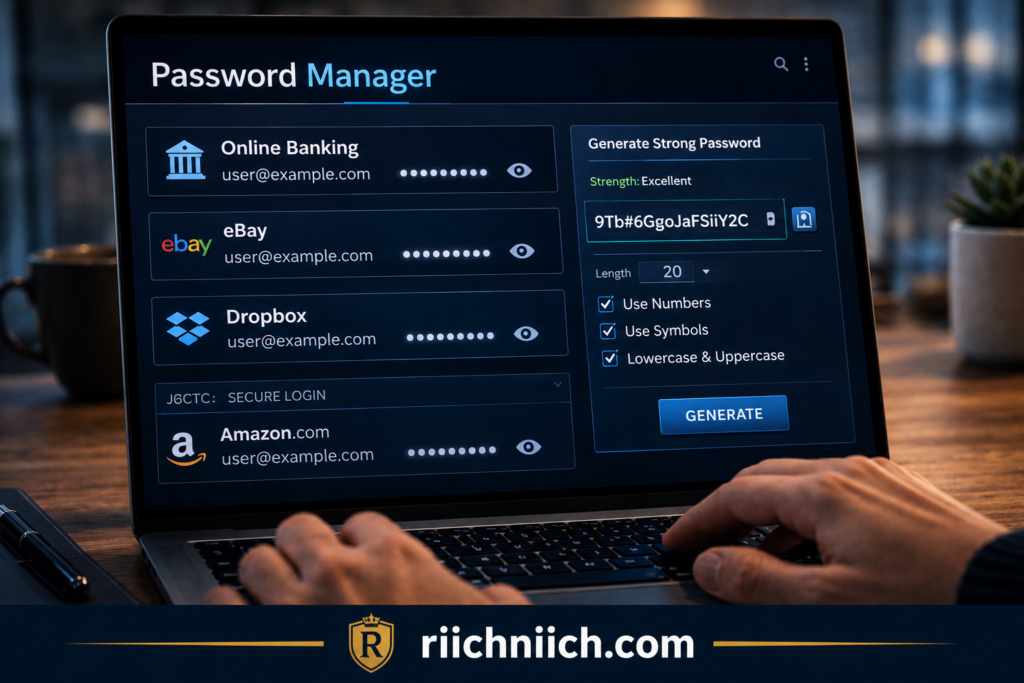
Use Strong and Unique Passwords
Weak or reused passwords are one of the most common causes of account takeovers. If hackers gain access to one account, they may attempt to log in to other services using the same password.
To strengthen account security:
- create long passwords with a mix of letters, numbers, and symbols
- avoid using personal information such as birthdates
- use different passwords for each online account
- consider using a password manager to store credentials securely
The National Institute of Standards and Technology recommends using long, unique passwords as one of the most effective ways to protect digital accounts.
Enable Multi-Factor Authentication
Multi-factor authentication (MFA) adds an additional layer of security beyond passwords. When MFA is enabled, logging into an account requires both a password and a secondary verification code.
This secondary step helps prevent criminals from accessing your accounts even if they obtain your password.
The Cyber-security and Infrastructure Security Agency identifies multi-factor authentication as one of the strongest defenses against identity theft and account compromise.
Monitor Your Financial Accounts Regularly
Regularly reviewing bank statements, credit card activity, and financial alerts can help you detect suspicious activity before it escalates.
Checking your financial accounts frequently helps you:
- identify unfamiliar transactions
- detect unauthorized withdrawals
- review credit card purchases
- confirm that account information has not been changed
Catching fraud early can prevent criminals from expanding their activity across multiple accounts.
Protect Your Personal Information Online
Many identity theft incidents begin when personal information is exposed through phishing attacks or unsecured websites.
To reduce your risk:
- avoid clicking suspicious email links
- verify website security before entering personal information
- limit the amount of personal data shared on social media
- be cautious when providing personal information over the phone
Online scams frequently target consumers by impersonating banks, government agencies, or delivery services.
Guidance from the Federal Trade Commission warns that phishing scams remain one of the most common ways criminals steal personal data.
Secure Your Home Network and Devices
Cyber-criminals may also gain access to personal information by targeting insecure internet connections or devices.
You can improve device security by:
- using strong Wi-Fi passwords
- keeping software and operating systems updated
- installing security updates regularly
- avoiding public Wi-Fi for financial transactions
These steps help reduce the risk of hackers intercepting sensitive information.
Consider Identity Theft Monitoring
Even with strong security practices, data breaches and cyber-attacks can expose personal information without your knowledge. Identity monitoring services help detect suspicious activity earlier by scanning financial records, public databases, and breach reports for signs that your identity may be at risk.
These services can alert users if:
- new credit accounts appear
- personal data appears in breach databases
- suspicious activity occurs involving their identity
Monitoring tools provide an additional layer of protection that can help individuals respond quickly before the 13 warning signs someone stole your identity turn into serious financial problems.
👉 If you notice any warning signs of identity theft, it’s important to secure your accounts immediately. Tools like NordVPN can help protect your personal data online, while NordPass helps you create and manage strong, secure passwords to prevent further unauthorized access.
Preventing identity theft requires a combination of strong digital security practices, regular financial monitoring, and awareness of common cyber threats. By taking these proactive steps, you can significantly reduce the risk of becoming a victim of identity fraud.
👉 If you notice any of these warning signs, using a service like Coveron can help you monitor your identity and prevent further damage.
Final Thoughts: Recognizing the Warning Signs of Identity Theft Early
Recognizing the 13 warning signs someone stole your identity can make a major difference in how much damage identity theft causes. Many victims only discover fraud after criminals have already opened accounts, accumulated debt, or compromised financial records.
The earlier suspicious activity is detected, the easier it becomes to stop identity theft before it spreads across multiple accounts and financial systems.
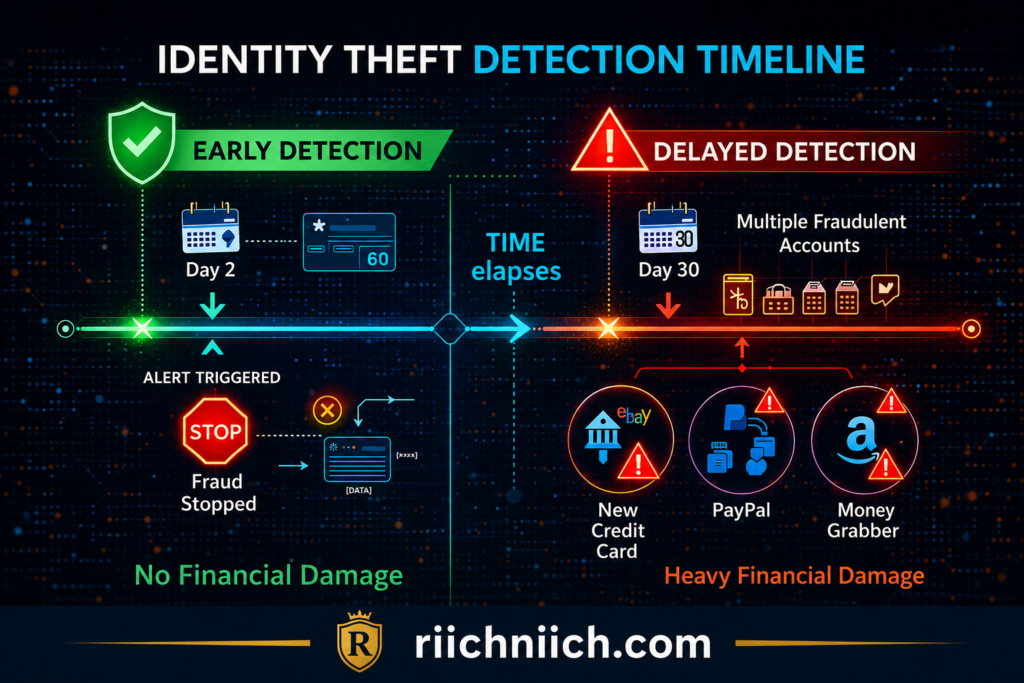
Identity theft rarely happens in a single event. In most cases, criminals gradually test stolen personal information by opening accounts, attempting logins, or submitting fraudulent applications. These early signals often appear as the warning signs discussed throughout this guide.
Some of the most important signs include:
- unfamiliar financial transactions
- new credit accounts appearing on your report
- alerts about credit applications you did not make
- suspicious login attempts on online accounts
- notices from tax agencies or lenders
By paying attention to these signals, individuals can respond quickly and limit the financial impact of identity theft.
According to the Federal Trade Commission, consumers should regularly monitor financial statements and credit reports to detect identity theft early and reduce the risk of long-term financial damage.
Why Early Detection Matters
Identity theft can quickly affect several aspects of your financial life. Fraudulent accounts and unpaid balances may damage your credit score, while compromised personal data can be reused by criminals for years.
Early detection helps you:
- stop fraudulent transactions faster
- prevent criminals from opening additional accounts
- protect your credit score
- recover your identity more quickly
These steps are critical once you notice any of the 13 warning signs someone stole your identity.
Strengthening Your Identity Protection Strategy
In today’s digital environment, personal information is constantly circulating through online platforms, financial systems, and public records. Because data breaches and cyber-attacks are increasingly common, many individuals choose to add additional monitoring tools to help detect fraud sooner.
Identity protection services can monitor personal data across multiple systems and provide alerts when suspicious activity occurs. These alerts can help individuals take action quickly before identity theft escalates into larger financial problems.
Guidance from the Cyber-security and Infrastructure Security Agency emphasizes the importance of proactive monitoring and strong account security to reduce identity theft risks.
Staying Vigilant Against Identity Theft
Identity theft prevention requires ongoing awareness and strong security habits. Reviewing financial accounts, protecting login credentials, and responding quickly to suspicious activity can significantly reduce the risk of long-term damage.
By understanding the 13 warning signs someone stole your identity, you can take action early, protect your financial identity, and reduce the chances of becoming a victim of fraud in the future.
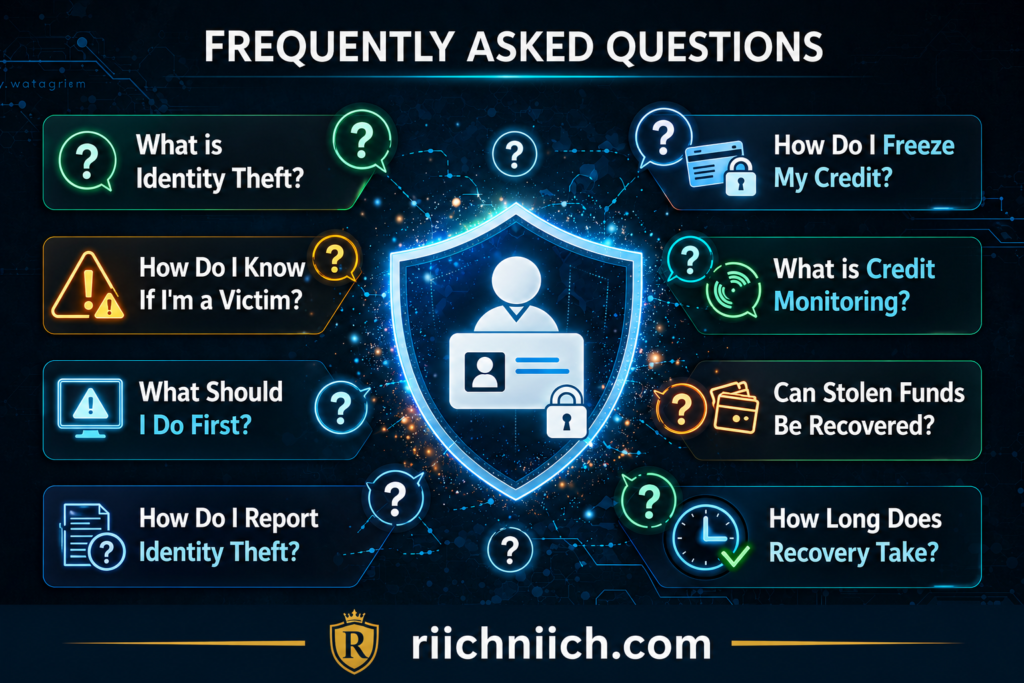
Frequently Asked Questions About Identity Theft Warning Signs
Many people first learn about identity theft only after noticing suspicious financial activity. Understanding the 13 warning signs someone stole your identity can help you recognize fraud quickly and protect your financial accounts before serious damage occurs.
Below are answers to some of the most common questions about identity theft warning signs.
What is usually the first warning sign of identity theft?
One of the most common early signals within the 13 warning signs someone stole your identity is noticing unfamiliar transactions on your bank or credit card statements.
Identity thieves often begin with small purchases or test transactions to confirm that stolen financial information works. If these small transactions go unnoticed, criminals may later attempt larger purchases or open additional financial accounts.
The Federal Trade Commission advises consumers to review financial statements regularly to detect suspicious activity early.
How can I check if someone is using my identity?
One of the best ways to check for identity theft is by reviewing your credit reports for unfamiliar accounts, loans, or credit inquiries.
Consumers in the United States can access their credit reports from the three major credit bureaus through AnnualCreditReport.com, the official credit reporting site authorized by the Federal Trade Commission.
You should look for:
- accounts you do not recognize
- unexpected credit inquiries
- new loans or credit cards
- collection accounts tied to your name
These issues may indicate that someone has used your personal information to open financial accounts.
How long can identity theft go unnoticed?
Identity theft can sometimes go undetected for months or even years. Many victims only discover fraud when they notice one of the 13 warning signs someone stole your identity, such as unexpected credit denials, collection notices, or unfamiliar accounts appearing on their credit reports.
According to the Identity Theft Resource Center, some identity theft cases remain hidden until financial institutions or lenders notify victims about suspicious activity.
This is why monitoring financial accounts and credit reports regularly is important.
Can identity theft happen without affecting my credit report?
Yes. Some types of identity theft may not appear on credit reports immediately.
Examples include:
- tax identity theft
- medical identity theft
- account takeover attacks involving bank accounts or email accounts
Because these types of fraud may not affect credit reports right away, victims often discover them through suspicious account alerts, unexpected bills, or security notifications.
The Internal Revenue Service warns that tax identity theft frequently occurs before victims submit their legitimate tax returns.
What should I do if I notice the warning signs of identity theft?
If you notice any of the 13 warning signs someone stole your identity, take action immediately to secure your accounts and protect your credit.
Recommended steps include:
- Contact your bank or financial institutions
- Review your credit reports for suspicious accounts
- Place a fraud alert or credit freeze on your credit file
- Change passwords for important online accounts
- Report the identity theft through IdentityTheft.gov
Identity theft reports can be filed through the official recovery system operated by the Federal Trade Commission.
How can identity theft protection services help?
Identity protection services monitor financial records, credit reports, and data breach databases for signs that your personal information may be compromised.
These services may send alerts if:
- new credit accounts appear
- suspicious financial activity is detected
- personal data appears in breach databases
- login credentials are exposed online
These monitoring tools help users detect fraud faster and respond quickly if they notice any of the 13 warning signs someone stole your identity.
Stay Protected Moving Forward
Recognizing the warning signs is the first step.
The next step is making sure you’re protected before more damage happens.
Pingback: What To Do Immediately If Your Identity Is Stolen (Step-by-Step Guide) - Riich Niich
Pingback: How Hackers Get Your Personal Data (And How to Stop Them) - Riich Niich
Pingback: Best Antivirus for Families (2026 Guide) - Riich Niich
Pingback: NordProtect Review (Is It Worth It in 2026?) - Riich Niich
Pingback: Public WiFi Dangers (And How To Stay Safe) - Riich Niich
Pingback: How to Stay Safe on Social Media in 2026 (Avoid These Costly Mistakes) - Riich Niich
Pingback: How to Remove Your Personal Information from the Internet (2026 Guide) - Riich Niich
Pingback: Is Online Banking Safe in 2026? (Risks + How to Protect Your Money) - Riich Niich
Pingback: Cybersecurity Tips Everyone Should Know (2026 Guide) - Riich Niich
Pingback: Is Incogni Worth It in 2026? (Full Review + Results) - Riich Niich
Pingback: Incogni vs DeleteMe: Which Data Removal Service Is Better? - Riich Niich
Pingback: How to Protect Yourself from Identity Theft (Step-by-Step Guide) - Riich Niich
Pingback: Best Data Removal Services - Riich Niich
Pingback: How to Stop Spam Calls and Scam Messages (Complete Guide) - Riich Niich
Pingback: How to Protect Your Email From Hackers - Riich Niich
Pingback: Why Insider Threats Are More Dangerous Than Hackers (Real Risks Explained) - Riich Niich
Pingback: Is Surfshark Worth It? Full Review, Pros, Cons & Real Value - Riich Niich
Pingback: What Happens After a Data Breach? - Riich Niich
Pingback: How To Tell If Someone Opened An Account In Your Name - Riich Niich
Pingback: How To Check Your Credit Report For Signs Of Identity Theft - Riich Niich
Pingback: How To Protect Your Driver’s License From Identity Theft - Riich Niich
Pingback: How to Protect Your Social Security Number - Riich Niich