

How to protect your personal data online is one of the most important questions internet users face today. From data breaches and identity theft to data brokers and phishing scams, your personal information is constantly at risk of being collected, exposed, or misused.
Fortunately, protecting your online privacy does not have to be complicated. By understanding how personal data ends up online and taking a few proactive steps, you can reduce your digital footprint, secure your accounts, and lower your risk of becoming a victim of cybercrime.
In this guide, you’ll learn how to protect your personal data online, improve your online privacy protection, strengthen your cybersecurity habits, and discover the best tools available to help keep your personal information safe.
Table of Contents
What Is Personal Data?
Personal data is any information that can identify you directly or indirectly. This includes obvious details such as your name, email address, phone number, home address, Social Security number, and date of birth. It also includes less obvious information such as your IP address, browsing history, location data, online accounts, and purchasing habits.
Every time you use the internet, shop online, create an account, use social media, or download an app, you leave behind digital information that can be collected, stored, and shared. Many companies use this data to personalize advertising, improve services, and analyze consumer behavior. Unfortunately, cybercriminals, scammers, and data brokers can also use this information for identity theft, fraud, and targeted scams.
Understanding what personal data is the first step in learning how to protect your personal data online. The more information that becomes publicly available, the easier it becomes for bad actors to build a profile about you and potentially misuse your information.
Some common examples of personal data include:
- Full name
- Email address
- Phone number
- Home address
- Social Security number
- Banking and payment information
- Login credentials
- Medical records
- Location history
- Social media profiles
- Device identifiers and IP addresses
Many people assume that only sensitive information matters, but even small pieces of data can be combined to reveal a surprising amount about your life. This is why personal data protection has become increasingly important in today’s connected world.
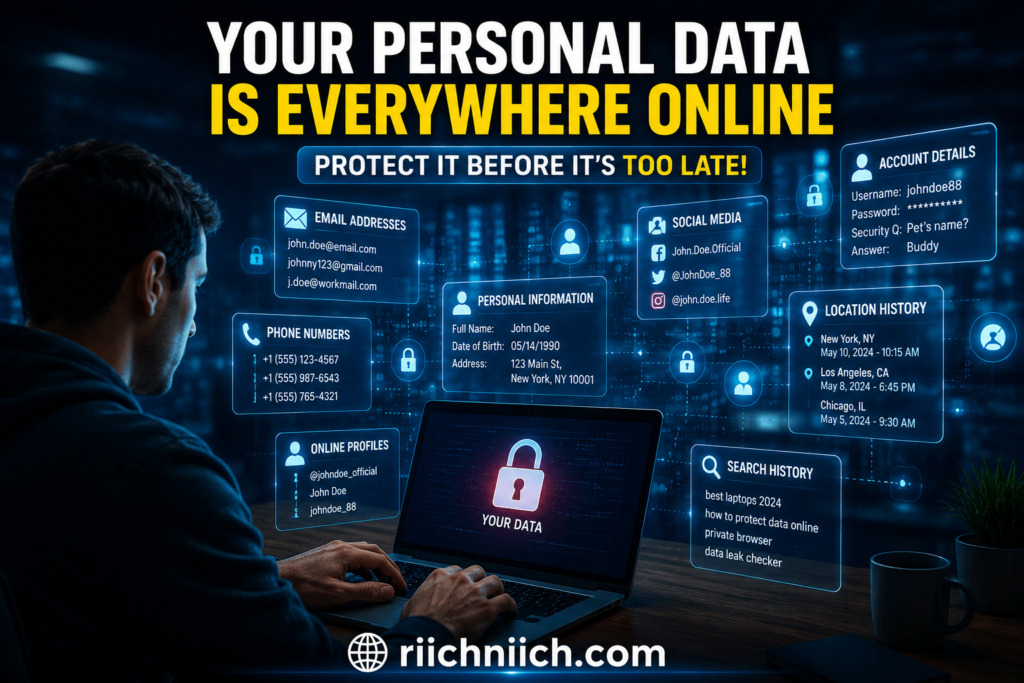
If you want to learn how to protect your personal data online, it is important to understand exactly what information is being collected and who may have access to it. Resources from the Federal Trade Commission and the Cybersecurity and Infrastructure Security Agency provide helpful guidance on online privacy, identity protection, and cybersecurity best practices.
The good news is that there are practical steps you can take to reduce your exposure, limit data collection, and better protect yourself online. The following sections will show you exactly how to do that.
Why Protecting Your Personal Data Matters
Your personal information is one of your most valuable digital assets. Every day, companies, advertisers, data brokers, and cybercriminals collect, buy, sell, and use personal data. If that information falls into the wrong hands, it can lead to identity theft, financial fraud, account takeovers, privacy violations, and long-term security risks.
This is why learning how to protect your personal data online is no longer optional. As more of our lives move online, protecting personal information has become an essential part of staying safe on the internet.
Many people are surprised by how much information exists about them online. Data brokers can collect details from public records, online purchases, social media activity, mobile apps, and website tracking technologies. Over time, these data points can be combined to create detailed profiles that reveal where you live, work, shop, and spend your time.
The risks go far beyond targeted advertising. Criminals often use exposed personal information to impersonate victims, gain access to accounts, answer security questions, or launch convincing phishing attacks. Even a single data breach can expose sensitive information that remains available online for years.
Some of the most common consequences of poor online privacy include:
- Identity theft
- Credit fraud
- Account hacking
- Phishing scams
- Financial losses
- Spam calls and scam messages
- Loss of online privacy
- Reputation damage
Understanding how to protect your personal data online can help reduce these risks by limiting the amount of information available to data collectors and cybercriminals. Strong security habits, privacy-focused tools, and regular monitoring can significantly improve your overall online safety.
According to guidance from the Federal Trade Commission and the Cybersecurity and Infrastructure Security Agency, individuals should take proactive steps to secure accounts, monitor personal information, and reduce unnecessary data exposure whenever possible.
The good news is that protecting personal information online does not have to be complicated. By following proven privacy and cybersecurity practices, you can greatly reduce your exposure and gain more control over your digital footprint. The following sections will show you practical ways to strengthen your online privacy and better understand how to protect your personal data online before your information becomes a target.
How Personal Data Ends Up Online
Many people assume their personal information only exists on the websites they intentionally use. In reality, personal data is constantly being collected, shared, sold, and stored across countless online platforms. Understanding how this happens is a critical part of learning how to protect your personal data online.
One of the most common sources of personal data exposure is the information you voluntarily provide. Every time you create an online account, sign up for a newsletter, make an online purchase, download an app, or complete a survey, you share pieces of personal information that may be stored by multiple companies.
Data brokers are another major source of online data exposure. These companies collect information from public records, marketing databases, loyalty programs, social media platforms, online purchases, and other sources. They then combine this information into detailed consumer profiles that may be sold to advertisers, businesses, and other third parties.
Data breaches also play a significant role in exposing personal information online. When companies experience security incidents, sensitive customer data such as email addresses, passwords, phone numbers, and financial information can be leaked or stolen. Once exposed, this information may circulate on cybercrime forums, data marketplaces, or publicly accessible databases.
Website tracking technologies contribute to data collection as well. Cookies, advertising trackers, browser fingerprinting tools, and mobile app analytics can gather information about your browsing habits, interests, location, and online behavior. While often used for marketing purposes, these tools can significantly increase your digital footprint.
Common ways personal information ends up online include:
- Creating online accounts
- Using social media platforms
- Shopping online
- Signing up for newsletters
- Mobile apps collecting user data
- Public records databases
- Data broker websites
- Data breaches and cyberattacks
- Website tracking technologies
- Online contests and surveys
Learning how to protect your personal data online starts with recognizing how many different channels collect and distribute your information. The more information that exists across multiple databases, the harder it becomes to control who has access to it.
Organizations such as the Federal Trade Commission and the National Institute of Standards and Technology recommend limiting unnecessary data sharing, reviewing privacy settings regularly, and monitoring personal information exposure to reduce privacy risks.
Fortunately, you are not powerless. By understanding where your information comes from and how it spreads online, you can take practical steps to reduce data collection, remove exposed information, and improve your overall online privacy. The next sections will cover some of the most effective ways to do exactly that while learning how to protect your personal data online.
Want a deeper look at where your information comes from? Read our complete guide on How Your Personal Data Ends Up Online.
Use Strong Passwords For Every Account
One of the simplest and most effective ways to improve your online security is to use strong, unique passwords for every account. Weak or reused passwords remain one of the leading causes of account breaches, identity theft, and unauthorized access. If you are serious about learning how to protect your personal data online, strengthening your passwords should be one of your first priorities.
Many people still use easy-to-guess passwords such as birthdays, pet names, common words, or simple number combinations. Unfortunately, cybercriminals use automated tools that can test millions of password combinations in a short period of time. Once a weak password is compromised, attackers may attempt to use the same login credentials on other accounts through a technique known as credential stuffing.
A strong password should:
- Be at least 12 to 16 characters long
- Include uppercase and lowercase letters
- Contain numbers and special characters
- Avoid personal information
- Be unique for every account
Using a different password for every account is especially important. If one website experiences a data breach, unique passwords help prevent attackers from gaining access to your email, banking, social media, and other sensitive accounts.
Managing dozens of strong passwords manually can be difficult. This is why many cybersecurity experts recommend using a password manager. Password managers can generate complex passwords, securely store login credentials, and automatically fill them in when needed. This helps protect personal information online while reducing the temptation to reuse passwords across multiple websites.
👉 This is why many security experts recommend NordPass, which can generate, store, and automatically fill strong passwords across all of your devices.
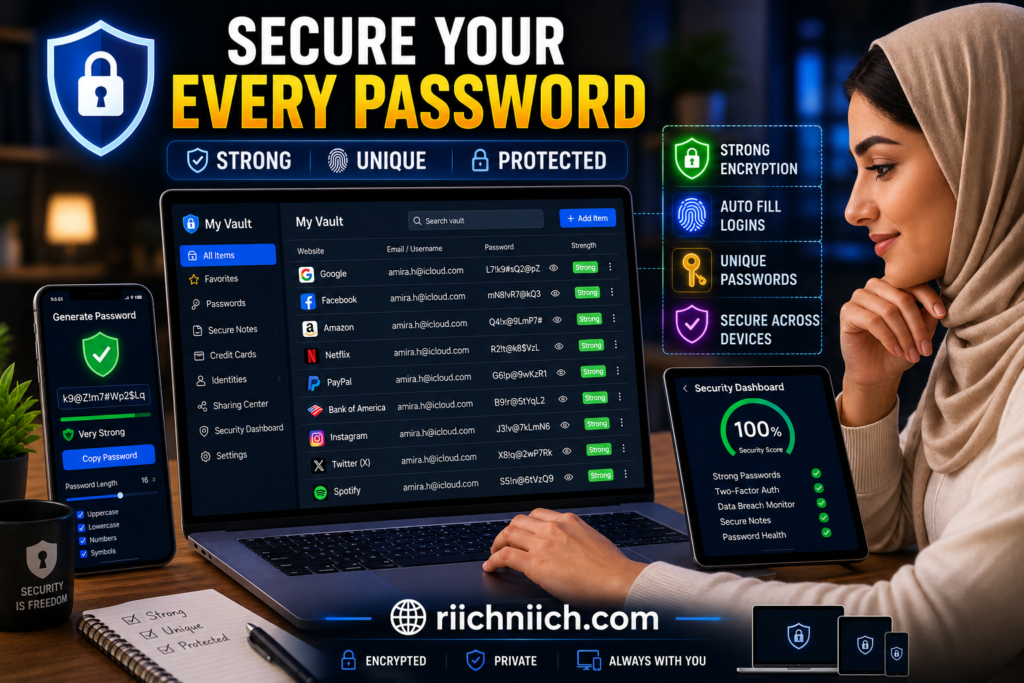
Another important step is regularly reviewing your accounts for old or unused logins. Forgotten accounts often contain personal information and may become easy targets if they are protected by outdated passwords. Updating old credentials can help strengthen your overall online privacy protection strategy.
Learning how to protect your personal data online starts with securing access to your accounts. Strong passwords create the first line of defense against hackers, data breaches, phishing attacks, and identity theft. Combined with other security measures discussed throughout this guide, they can play a major role in protecting personal information online and reducing your digital risk.
If managing dozens of strong passwords feels overwhelming, check out our guide to the Best Password Managers for secure password storage and protection.
Enable Two-Factor Authentication
Even the strongest password cannot provide complete protection on its own. Data breaches, phishing attacks, malware, and credential theft can expose login credentials without your knowledge. This is why enabling two-factor authentication (2FA) is one of the most effective steps you can take when learning how to protect your personal data online.
Two-factor authentication adds an extra layer of security to your accounts. In addition to entering your password, you must also verify your identity using a second factor, such as:
- A code sent to your phone
- An authentication app
- A security key
- Biometric verification such as a fingerprint or facial recognition
This additional verification step makes it much harder for attackers to access your accounts, even if they manage to steal your password.
Many of the most important accounts you own should have two-factor authentication enabled, including:
- Email accounts
- Online banking accounts
- Social media profiles
- Shopping accounts
- Cloud storage services
- Password managers
- Cryptocurrency accounts
- Work-related accounts
Email accounts deserve special attention because they often serve as the recovery method for other online services. If a cybercriminal gains access to your email account, they may be able to reset passwords and take control of multiple accounts connected to it.
While text message verification is better than no protection at all, many security experts recommend using an authentication app whenever possible. Authentication apps generate temporary security codes directly on your device and provide stronger protection against certain types of attacks.
The Cybersecurity and Infrastructure Security Agency recommends multi-factor authentication as one of the most effective ways to improve account security and protect personal information online.
If your login credentials are ever exposed in a data breach, two-factor authentication can help prevent unauthorized access and reduce the likelihood of identity theft. This simple security measure can significantly strengthen your online privacy protection strategy without requiring advanced technical knowledge.
When building a plan for how to protect your personal data online, enabling two-factor authentication should be considered essential. Combined with strong passwords, secure browsing habits, and privacy-focused tools, it creates a powerful defense against hackers, account takeovers, and other online threats.
Protect Yourself On Public WiFi
Public WiFi networks are convenient, but they can also expose your personal information to unnecessary risks. Whether you are connecting at a coffee shop, airport, hotel, restaurant, or shopping center, public networks often lack the security protections found on private home networks. If you are learning how to protect your personal data online, understanding the dangers of public WiFi is essential.
Cybercriminals frequently target public networks because they are used by large numbers of people and are often poorly secured. In some cases, attackers create fake WiFi hotspots that appear legitimate but are designed specifically to steal sensitive information from unsuspecting users.
When connected to an unsecured network, hackers may attempt to intercept:
- Login credentials
- Email communications
- Banking information
- Credit card details
- Personal messages
- Browsing activity
- Sensitive business data
Many users underestimate these threats until it is too late. Learn more about the risks in our guide to Public WiFi Dangers.
One of the most effective ways to improve online privacy protection while using public WiFi is to use a virtual private network (VPN). A VPN encrypts your internet traffic, making it significantly more difficult for hackers, network operators, or other third parties to view your online activity.
👉 For most users, NordVPN is one of the easiest ways to secure public WiFi connections and encrypt personal data while browsing online.
For anyone serious about how to protect your personal data online, a reputable VPN can provide an additional layer of security when accessing online banking, shopping websites, email accounts, or work-related applications on public networks.
In addition to using a VPN, consider following these best practices:
- Avoid accessing sensitive financial accounts on public WiFi whenever possible.
- Verify the correct network name before connecting.
- Disable automatic WiFi connections.
- Turn off file sharing when using public networks.
- Use websites protected by HTTPS encryption.
- Log out of important accounts when finished.
The Cybersecurity and Infrastructure Security Agency recommends exercising caution when using public wireless networks and taking additional security measures to protect personal information online.
Many people assume public WiFi is safe simply because it is offered by a well-known business. However, the network itself may still be vulnerable to monitoring, interception, or malicious activity. Taking a few simple precautions can significantly reduce your exposure to these risks.
If your goal is how to protect your personal data online, securing your internet connection should be a priority. Combining safe browsing habits with a trusted VPN service can help protect personal information online and reduce the chances of becoming a victim of cybercrime while using public networks.
Not sure whether a free VPN is enough? Read our comparison of Free vs Paid VPNs before choosing a service.
Remove Your Information From Data Broker Sites
One of the most overlooked steps in how to protect your personal data online is removing your information from data broker websites. Many people focus on passwords, antivirus software, and privacy settings while ignoring the fact that their personal information may already be publicly available through hundreds of online databases.
If you’re unfamiliar with data brokers, start with our guide explaining What Is a Data Broker? and how these companies collect personal information.
Data brokers collect information from public records, online purchases, social media activity, loyalty programs, marketing databases, and numerous other sources. They then combine this information into detailed profiles that may include your name, address, phone number, email address, age, family members, property records, and other personal details.
The more information that appears on data broker sites, the easier it becomes for scammers, cybercriminals, identity thieves, and unwanted marketers to find information about you.
To better understand the problem, see exactly How Data Brokers Get Your Information and why your data appears online in the first place.
Removing personal information from these databases can help reduce your digital footprint and improve online privacy protection. It can also make it more difficult for bad actors to gather information that could be used for phishing attacks, identity theft, account recovery scams, or social engineering attempts.
👉 If you want the fastest way to reduce your online exposure, I recommend checking out Incogni, which automatically removes your personal information from dozens of data broker databases on your behalf.
There are two primary ways to remove your information:
Manual Opt-Out Requests
Many data broker websites provide opt-out procedures that allow individuals to request removal of their information. While this method can be effective, it often requires submitting requests to dozens or even hundreds of websites individually. In addition, some sites may republish your information later, requiring ongoing monitoring.
Automated Data Removal Services
For people who want a more convenient solution, automated data removal services can submit removal requests on your behalf and continuously monitor participating data broker databases. This approach can save significant time while helping maintain long-term privacy protection.
Removing personal information from data broker sites is especially important if you are serious about how to protect your personal data online because these databases often serve as a starting point for identity thieves and online scammers.
The Federal Trade Commission recommends reviewing where your personal information appears online and taking steps to limit unnecessary public exposure whenever possible.
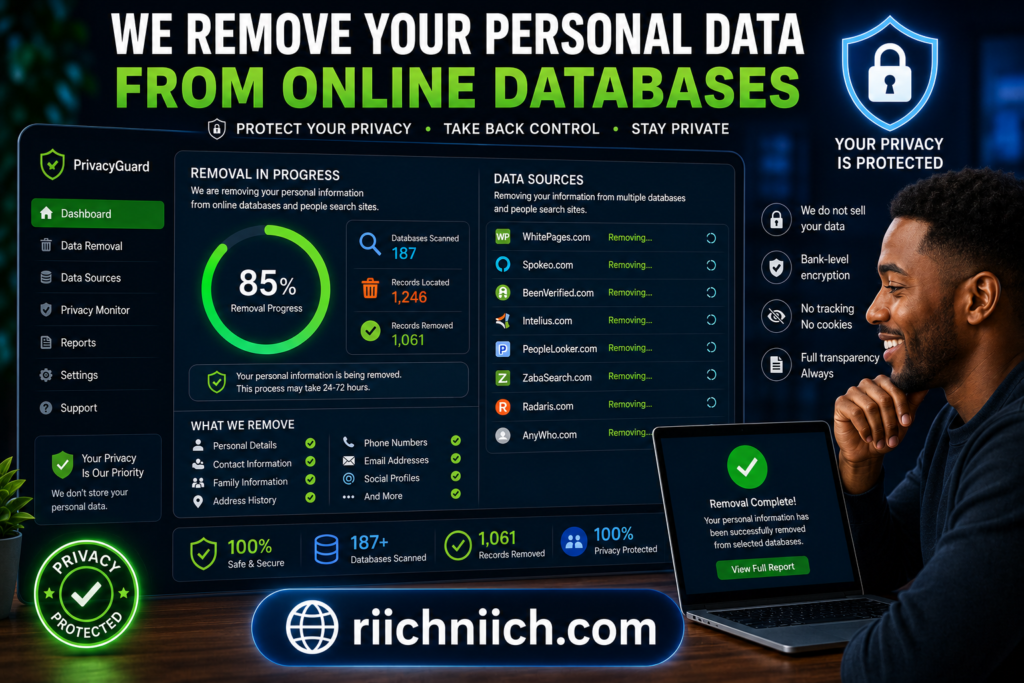
Even after removing information, it is important to continue monitoring your online presence. New records may appear as data brokers acquire updated information from public and commercial sources. Regular reviews can help ensure your personal data remains as private as possible.
If your goal is how to protect your personal data online, reducing the amount of information available through data broker websites is one of the most impactful actions you can take. Limiting public access to your personal information helps strengthen your overall privacy strategy and reduces the opportunities available to cybercriminals, scammers, and identity thieves.
You can also follow our step-by-step guide on How To Remove Yourself From People Search Sites to reduce your online exposure.
Monitor For Identity Theft
Even if you follow good security practices, your personal information can still be exposed through data breaches, phishing attacks, lost devices, or information that is already circulating online. This is why monitoring for identity theft is an important part of how to protect your personal data online.
Identity theft often goes unnoticed for weeks or even months. Many victims only discover a problem after receiving unexpected bills, seeing unfamiliar transactions, being denied credit, or noticing accounts they never opened. The earlier suspicious activity is detected, the easier it is to limit the damage and begin recovery.
Regular monitoring can help you identify potential threats before they become major financial or personal problems.
Common warning signs of identity theft include:
- Unrecognized credit card charges
- New accounts you did not open
- Unexpected loan applications
- Collection notices for unfamiliar debts
- Missing mail or account statements
- Password reset notifications you did not request
- Suspicious login alerts
- Sudden changes to your credit report
You can also review these 13 Warning Signs Someone Stole Your Identity to spot potential fraud before it becomes a larger problem.
One of the most effective ways to protect personal information online is to regularly review your financial accounts, credit reports, and account security notifications. Monitoring these areas can help you spot unusual activity quickly and respond before significant damage occurs.
Many people also use identity monitoring services that continuously scan for signs of fraud, unauthorized account activity, and exposed personal information. These services can provide alerts when sensitive data appears in suspicious places or when activity is detected that may indicate identity theft.
The Federal Trade Commission recommends checking financial statements frequently and reviewing credit reports for signs of unauthorized activity. Early detection remains one of the most effective ways to reduce the impact of identity theft.
In addition to monitoring financial activity, it is important to pay attention to data breach notifications. If a company informs you that your information was exposed, you should immediately update passwords, enable additional security measures, and monitor affected accounts closely.
Learning how to protect your personal data online is not just about preventing exposure. It is also about detecting problems quickly when they occur. The faster you discover suspicious activity, the greater your chances of preventing financial losses, protecting your accounts, and minimizing long-term damage.
By combining strong security habits with proactive monitoring, you can significantly improve your online privacy protection and reduce your risk of becoming a victim of identity theft.
Protect Your Social Media Accounts
Social media platforms have become a major part of daily life, but they are also a valuable source of information for cybercriminals, scammers, and identity thieves. Many people unknowingly share personal details that can be used to build detailed profiles, answer security questions, or launch targeted attacks. If you want to learn how to protect your personal data online, securing your social media accounts should be a top priority.
Every post, photo, comment, and profile update can reveal information about your location, family members, interests, workplace, routines, and personal habits. While sharing online may seem harmless, these details can provide attackers with valuable information that can be used for phishing scams, account takeovers, and identity theft.
One of the easiest ways to improve online privacy protection is to review your social media privacy settings. Most platforms allow you to control who can view your posts, contact you, search for your profile, and access personal information.
Important social media security practices include:
- Using strong, unique passwords
- Enabling two-factor authentication
- Limiting public profile information
- Avoiding location sharing in real time
- Reviewing privacy settings regularly
- Being cautious with friend requests from strangers
- Avoiding suspicious links and messages
- Restricting access to personal contact information
Cybercriminals often use information gathered from social media to create convincing phishing messages. For example, they may reference your employer, hobbies, recent travel, or family members to make fraudulent communications appear legitimate. The less personal information you expose publicly, the more difficult it becomes for attackers to target you.
Another common risk involves third-party apps connected to social media accounts. Many users grant permissions without realizing how much information these applications can access. Periodically reviewing and removing unnecessary app connections can help protect personal information online and reduce data sharing.
The Federal Trade Commission encourages consumers to regularly review social media privacy settings and carefully consider what information they share publicly. Small changes to your privacy settings can significantly improve your overall online security.
Learning how to protect your personal data online requires thinking beyond passwords and antivirus software. Social media accounts often contain a surprising amount of personal information that can be used against you if exposed. By limiting what you share, strengthening account security, and reviewing privacy settings regularly, you can reduce your digital footprint and better protect yourself online.
Taking these precautions not only helps prevent identity theft and scams but also gives you greater control over your personal information in an increasingly connected world.
For additional tips, read our complete guide on How To Stay Safe On Social Media.
Check For Exposed Information On The Dark Web
One of the most important steps in how to protect your personal data online is checking whether your information has already been exposed through a data breach. Millions of usernames, passwords, email addresses, phone numbers, and other sensitive records are leaked every year, and much of this information eventually appears on dark web marketplaces and cybercrime forums.
The dark web is a hidden part of the internet that is not indexed by traditional search engines. While it has legitimate uses, it is also frequently used by cybercriminals to buy, sell, and trade stolen personal information. If your data appears there, it could increase your risk of identity theft, account takeovers, financial fraud, and phishing attacks.
Many people are unaware that their information has been exposed until they begin receiving suspicious emails, unauthorized login notifications, or alerts about fraudulent activity. This is why regular monitoring can play a valuable role in protecting personal information online.
Common types of information found in dark web data breaches include:
- Email addresses
- Passwords
- Phone numbers
- Home addresses
- Social Security numbers
- Banking information
- Credit card details
- Login credentials
If your information has already been exposed, learn What Happens After A Data Breach and the steps you should take immediately.
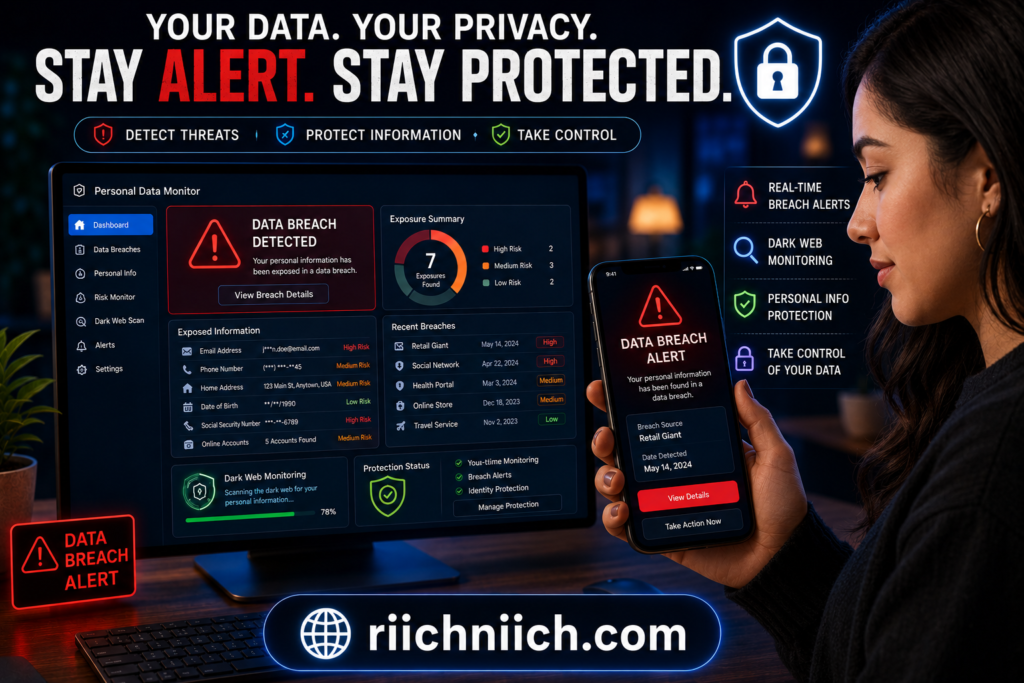
Checking for exposed information allows you to take action before criminals can misuse your data. If a breach is discovered, you should immediately update affected passwords, enable two-factor authentication, monitor financial accounts, and review account security settings.
Many identity monitoring services and security platforms offer dark web monitoring tools that continuously scan known breach databases and alert users when personal information is detected. This can provide an additional layer of online privacy protection and help identify risks early.
The Cybersecurity and Infrastructure Security Agency recommends promptly responding to breach notifications and strengthening account security whenever personal information may have been exposed.
It is also important to remember that data breaches can remain active threats for years. Even older breaches may continue circulating online long after the original incident occurred. This is why ongoing monitoring is often more effective than performing a one-time search.
Learning how to protect your personal data online involves more than preventing future exposure. It also means identifying information that may already be available to cybercriminals and taking steps to reduce the potential impact. Regular dark web monitoring can help you stay informed, respond quickly to threats, and maintain stronger control over your personal information.
By combining dark web monitoring with strong passwords, two-factor authentication, identity theft monitoring, and data removal strategies, you can significantly improve your overall online privacy protection and reduce your risk of becoming a victim of cybercrime.
For a complete walkthrough, see our guide on How To Check If Your Information Is On The Dark Web.
Keep Your Email Address Secure
Your email account is often the gateway to your digital life. It is connected to banking accounts, social media profiles, shopping websites, cloud storage services, work accounts, and countless other online platforms. If a cybercriminal gains access to your email account, they may be able to reset passwords and take control of multiple accounts. This is why keeping your email secure is a critical part of how to protect your personal data online.
Many email compromises begin with phishing attacks, data breaches, weak passwords, or malicious links. Once attackers gain access, they can search your inbox for sensitive information, intercept communications, and use your account to target others.
Common risks associated with email account compromise include:
- Account takeovers
- Identity theft
- Financial fraud
- Password reset abuse
- Phishing attacks
- Exposure of sensitive personal information
- Unauthorized access to connected accounts
Understanding How Hackers Get Your Email Address can help you reduce your exposure and improve account security.
One of the most effective ways to protect personal information online is to use a strong, unique password for your email account and enable two-factor authentication. Since email often serves as the recovery method for other services, it should have stronger protection than almost any other account you own.
It is also important to remain cautious when opening emails from unknown senders. Cybercriminals frequently create messages that appear to come from banks, retailers, delivery companies, government agencies, or technology providers. These messages often contain malicious links or attachments designed to steal login credentials and personal information.
To improve email security:
- Use a strong and unique password
- Enable two-factor authentication
- Avoid clicking suspicious links
- Verify unexpected requests for personal information
- Keep your email recovery information updated
- Review account login activity regularly
- Delete old accounts you no longer use
- Be cautious with email attachments
The Cybersecurity and Infrastructure Security Agency recommends verifying suspicious messages through official channels rather than responding directly to emails requesting sensitive information.
Another important step in how to protect your personal data online is monitoring whether your email address has appeared in a data breach. If your email is exposed, attackers may attempt credential stuffing attacks, phishing campaigns, or account recovery scams. Promptly updating passwords after a breach can help reduce these risks.
Because so many accounts depend on email access, securing your inbox should be a top priority. A protected email account helps safeguard your identity, financial information, personal communications, and online privacy.
When building a strategy for how to protect your personal data online, treating your email account as a critical security asset can significantly reduce your risk of identity theft, account compromise, and other online threats.
For additional protection strategies, read our guide on How To Protect Your Email From Hackers.
Use Identity Theft Protection Services
While strong passwords, two-factor authentication, and safe browsing habits can significantly improve your security, monitoring your personal information manually can be difficult. This is where identity theft protection services can help. For many people, they provide an additional layer of security that supports a comprehensive strategy for how to protect your personal data online.
Identity theft protection services are designed to monitor sensitive personal information and alert you to suspicious activity that may indicate fraud or identity theft. Instead of waiting until damage occurs, these services can help you detect problems early and respond more quickly.
Many identity protection platforms offer features such as:
- Identity theft monitoring
- Dark web monitoring
- Credit monitoring
- Fraud alerts
- Data breach notifications
- Financial account monitoring
- Identity restoration assistance
- Identity theft insurance
Still unsure whether monitoring services are necessary? Read ‘Is Identity Theft Protection Worth It?‘ for a detailed breakdown.
One of the biggest benefits of identity monitoring is early detection. If your Social Security number, email address, phone number, or other personal information appears in suspicious databases or fraudulent activity is detected, you can take immediate action to secure your accounts and limit potential damage.
Identity theft protection services can be particularly valuable for individuals who have already experienced a data breach, frequently shop online, manage multiple financial accounts, or simply want greater visibility into their personal security.
When evaluating identity protection providers, look for features that support online privacy protection and personal data protection, including:
- Comprehensive monitoring coverage
- Fast security alerts
- Credit monitoring capabilities
- Dark web exposure monitoring
- Fraud resolution support
- Identity restoration services
- User-friendly security dashboards
👉 Among the providers we’ve reviewed, Aura stands out for its combination of identity monitoring, credit monitoring, dark web monitoring, and identity theft insurance.
Although no service can completely eliminate the risk of identity theft, they can help reduce response times and improve your ability to detect threats before they become serious financial problems. Combined with strong passwords, secure email practices, privacy-focused browsing habits, and data removal strategies, identity monitoring can strengthen your overall security posture.
If you are serious about how to protect your personal data online, identity theft protection services can provide valuable peace of mind and an extra layer of defense against fraud, data breaches, and unauthorized use of your personal information.
You can compare top providers in our guide to the Best Identity Theft Protection Services.
Best Tools To Protect Your Personal Data Online
Learning how to protect your personal data online is much easier when you use the right tools. While good security habits are essential, privacy and cybersecurity tools can automate protection, reduce risk, and help you monitor your personal information more effectively.
The best approach is to use multiple layers of protection. Different tools address different threats, including data brokers, identity theft, insecure internet connections, weak passwords, and account compromises. Together, they create a stronger online privacy protection strategy.
Data Removal Services
Data removal services help reduce the amount of personal information available online by submitting removal requests to data brokers and people-search websites.
These services can help remove:
- Names
- Addresses
- Phone numbers
- Email addresses
- Family member information
- Property records
- Other publicly available personal data
Reducing your online exposure can make it more difficult for scammers, identity thieves, and cybercriminals to gather information about you.
Identity Theft Protection Services
Identity theft protection platforms monitor personal information and alert you to suspicious activity that may indicate fraud or identity theft.
Many services offer:
- Identity monitoring
- Dark web monitoring
- Credit monitoring
- Fraud alerts
- Identity restoration assistance
- Identity theft insurance
These tools can help detect threats early and improve your ability to respond quickly when personal information is exposed.
VPN Services
Virtual private networks (VPNs) encrypt your internet connection and help protect your browsing activity from hackers, internet service providers, and other third parties.
VPNs are especially useful when:
- Using public WiFi
- Accessing online banking
- Shopping online
- Traveling
- Working remotely
A VPN can strengthen online privacy protection by helping keep your internet activity private and secure.
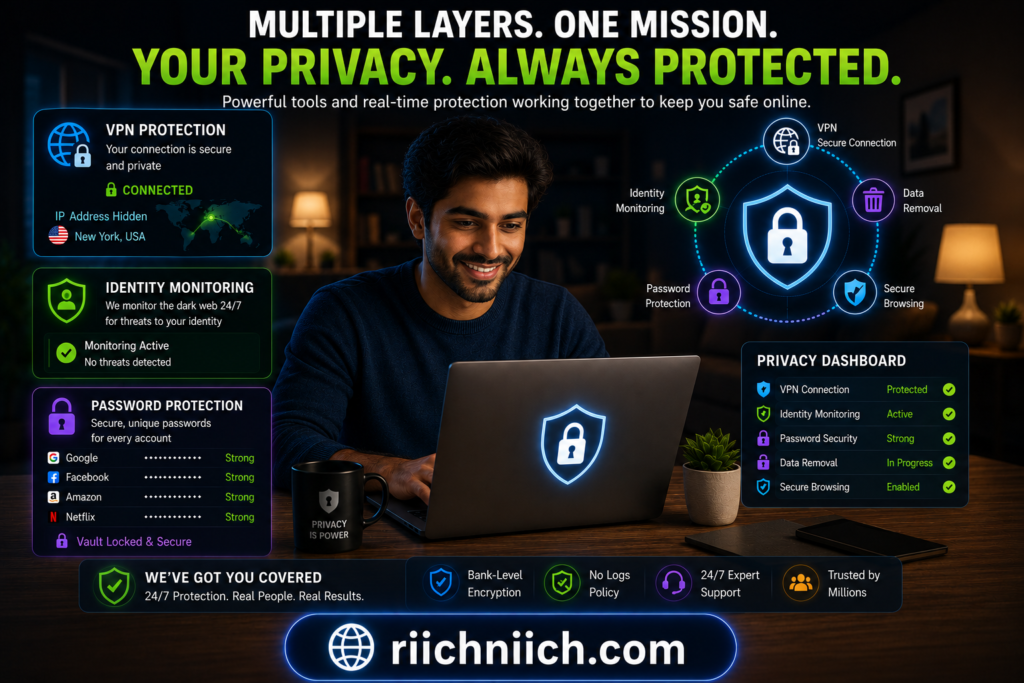
Password Managers
Password managers generate, store, and organize strong passwords for your accounts. They help eliminate password reuse and make it easier to maintain unique credentials across all websites and applications.
Benefits include:
- Strong password generation
- Secure password storage
- Automatic form filling
- Password breach alerts
- Multi-device synchronization
Since weak passwords remain a leading cause of account compromise, password managers can play an important role in protecting personal information online.
Dark Web Monitoring Tools
Dark web monitoring services scan breach databases and cybercrime marketplaces for exposed personal information. These tools can notify you if sensitive information such as email addresses, passwords, or financial data appears in known breach sources.
Early detection allows you to update credentials and secure affected accounts before criminals can exploit the information.
The Cybersecurity and Infrastructure Security Agency recommends using multiple layers of security rather than relying on a single solution. Combining privacy, monitoring, and account protection tools creates a stronger defense against modern cyber threats.
If you are serious about how to protect your personal data online, the most effective strategy is to combine strong security habits with tools that continuously monitor, secure, and reduce your online exposure. Using a layered approach can significantly improve your online privacy, reduce identity theft risks, and help you maintain better control over your personal information.
Frequently Asked Questions
What is the best way to protect your personal data online?
The best approach is to use multiple layers of protection. Strong passwords, two-factor authentication, secure internet connections, identity monitoring, data removal services, and careful privacy settings all work together to improve online privacy protection. If you are serious about how to protect your personal data online, relying on a single security measure is usually not enough.
Can I protect my personal information online for free?
Yes, many important security practices are completely free. Using strong passwords, enabling two-factor authentication, updating software, reviewing privacy settings, and monitoring your accounts regularly can significantly improve your security. However, some people choose paid privacy and identity protection tools for additional monitoring and convenience.
How do data brokers get my information?
Data brokers collect information from public records, online purchases, loyalty programs, mobile apps, marketing databases, social media activity, and other commercial sources. They combine this information into detailed profiles that may contain personal details such as addresses, phone numbers, and family information.
Is public WiFi dangerous?
Public WiFi can expose users to various security risks, especially on unsecured networks. Hackers may attempt to intercept sensitive information such as login credentials, financial data, and personal communications. Using a VPN and avoiding sensitive activities on public networks can help reduce these risks while learning how to protect your personal data online.
How often should I check for identity theft?
It is a good idea to monitor financial accounts regularly and review credit reports several times each year. Many people also use identity monitoring services that provide alerts when suspicious activity or exposed personal information is detected.
Can my email address be used for identity theft?
Yes. Email addresses are often targeted by cybercriminals because they are connected to many online accounts. If attackers gain access to your email account, they may be able to reset passwords and access other services. Protecting your email account is an important part of protecting personal information online.
How do I know if my information has been exposed in a data breach?
Many organizations notify affected users after a breach is discovered. You can also use dark web monitoring tools and breach notification services to identify exposed information. If a breach occurs, update affected passwords immediately and enable additional security protections.
Are identity theft protection services worth it?
For many people, identity theft protection services provide valuable monitoring, fraud alerts, dark web monitoring, and identity recovery assistance. They can help detect suspicious activity earlier and simplify the process of responding to potential threats.
What is the biggest mistake people make with online privacy?
One of the most common mistakes is sharing too much personal information online. Public social media profiles, reused passwords, weak security settings, and exposure through data broker websites can all increase privacy risks. Learning how to protect your personal data online starts with reducing unnecessary exposure and strengthening account security.
How long does it take to improve online privacy?
Some improvements can be made in just a few minutes, such as enabling two-factor authentication or updating passwords. Other actions, such as removing information from data broker websites and reducing your digital footprint, may take longer. The key is to start with the highest-impact steps and continue improving your privacy over time.
Conclusion: How To Protect Your Personal Data Online
Learning how to protect your personal data online is no longer optional in today’s digital world. Every day, personal information is collected, shared, stored, and sometimes exposed through data breaches, data broker databases, phishing attacks, and cybercrime. The more proactive you are, the more control you can maintain over your privacy and security.
The good news is that protecting personal information online does not require advanced technical skills. By following a few key practices, you can significantly reduce your risk of identity theft, fraud, account compromise, and unwanted data exposure. Strong passwords, two-factor authentication, secure browsing habits, privacy-focused social media settings, and regular monitoring all play an important role in improving online privacy protection.
For many people, combining these habits with specialized security tools provides the strongest level of protection. Data removal services can help reduce your digital footprint, identity monitoring services can alert you to suspicious activity, password managers can secure account credentials, and VPN services can help protect your internet traffic from unnecessary exposure.
The most effective strategy for how to protect your personal data online is a layered approach:
- Secure your accounts with strong passwords
- Enable two-factor authentication
- Monitor for identity theft and data breaches
- Remove personal information from data broker sites
- Protect your email accounts
- Use secure internet connections
- Limit unnecessary data sharing
- Use trusted privacy and security tools
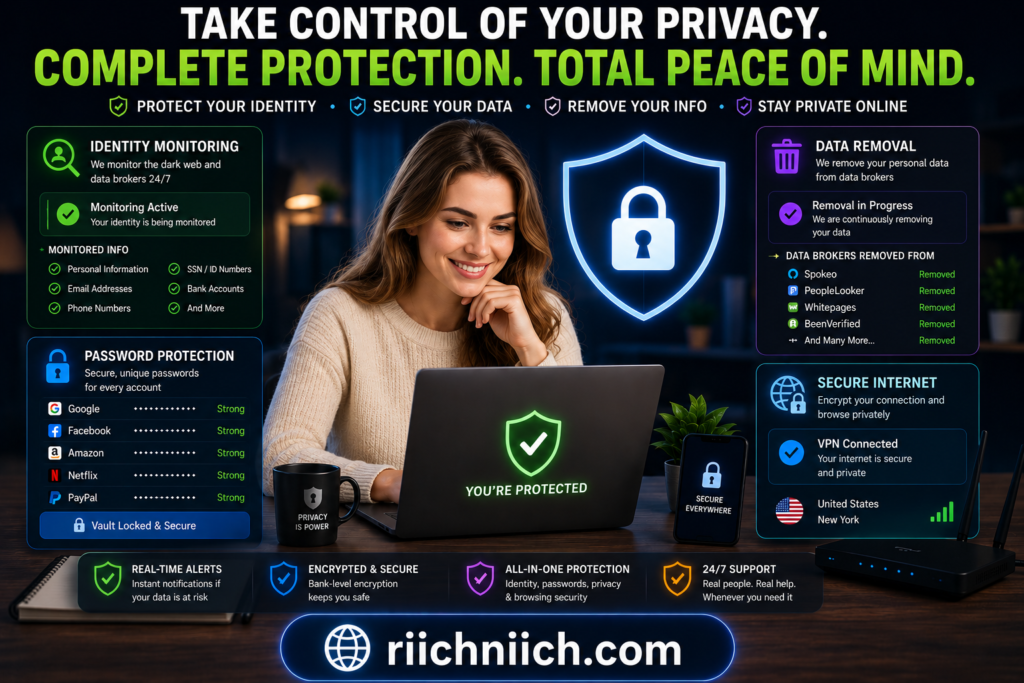
No single tool or service can eliminate every risk. However, taking consistent steps to protect personal information online can dramatically reduce your exposure and make you a much harder target for cybercriminals.
If you are serious about how to protect your personal data online, start by securing your most important accounts today and gradually build a stronger privacy strategy over time. Small improvements made consistently can have a significant impact on your long-term online security, identity protection, and overall peace of mind.
For additional guidance on privacy and cybersecurity best practices, resources from the Cybersecurity and Infrastructure Security Agency and the Federal Trade Commission can provide valuable information to help you stay informed and protected.
Ultimately, the best time to start protecting your personal information is before it becomes exposed. Taking action today can help safeguard your privacy, finances, and digital identity for years to come.
If you’re ready to take control of your privacy, start with our guide on How To Remove Your Personal Information From The Internet.

Pingback: Is Public WiFi Safe For Banking? - Riich Niich